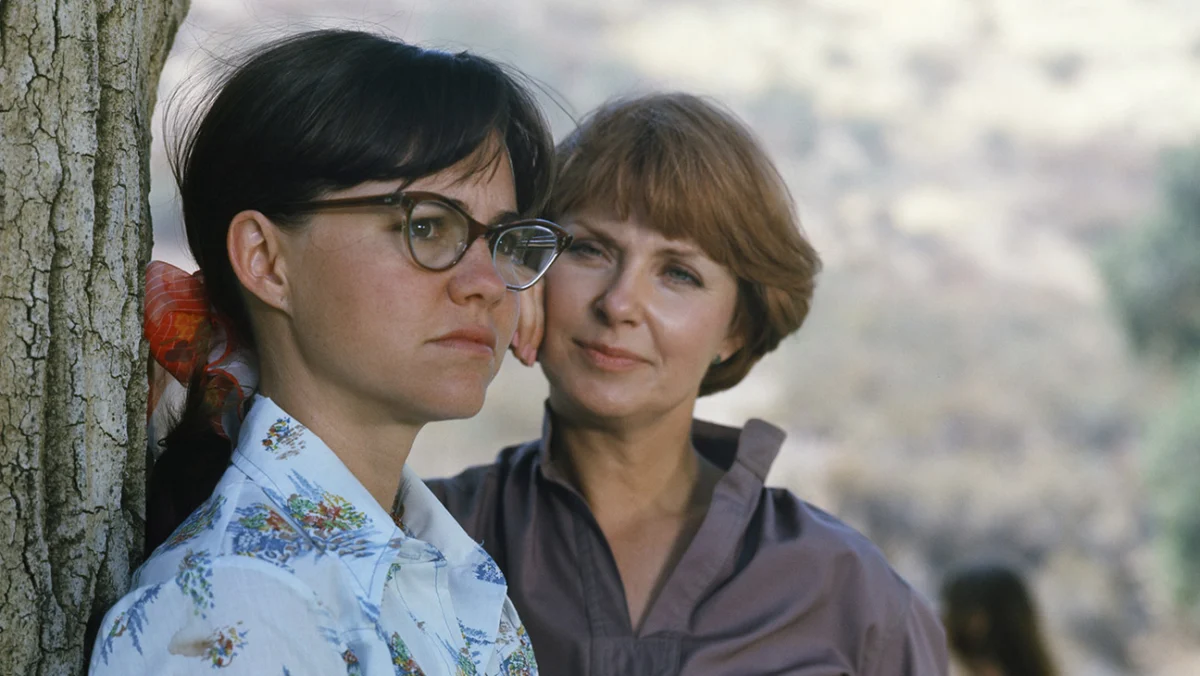
Actress Sally Field secured her inaugural Emmy Award in 1977 for her transformative role as Sybil Dorsett in the acclaimed 1976 NBC television film Sybil, marking a pivotal moment that redefined her career and significantly impacted public perception of mental health. Field, already a recipient of three Emmy statuettes, is positioned for a potential fourth nomination for her performance as Tova Sullivan in the upcoming Netflix adaptation of Shelby Van Pelt’s novel, Remarkably Bright Creatures, colloquially known as "the octopus book." Her first Emmy, however, remains a cornerstone of her illustrious career, symbolizing a dramatic shift from lighthearted television roles to profound dramatic acting.
The Genesis of Sybil: A Groundbreaking Television Event
The 1976 television film Sybil was based on Flora Rheta Schreiber’s 1973 non-fiction book of the same name, which chronicled the true story of Shirley Ardell Mason, a woman diagnosed with dissociative identity disorder (DID), then commonly referred to as multiple personality disorder. The book became a sensation, bringing a complex and often misunderstood psychological condition into mainstream discussion. NBC’s decision to adapt such a sensitive and challenging subject matter for a two-night television special was a bold move for the era, aiming to educate and enlighten audiences rather than merely entertain.
The film’s production was ambitious, requiring a lead actress capable of portraying 16 distinct personalities within a single character. This narrative presented significant challenges, both in terms of acting and in accurately representing a severe mental health condition to a broad audience. The telepic sought to move beyond sensationalized portrayals of mental illness, offering a more empathetic and nuanced perspective on a disorder that was frequently stigmatized and misunderstood. The role of the psychiatrist, Dr. Cornelia Wilbur, who treated Sybil, was played by veteran actress Joanne Woodward, adding further gravitas to the production.
Sally Field’s Career Before Sybil
Before undertaking the demanding role of Sybil Dorsett, Sally Field was primarily known for her comedic and lighthearted performances on television. She first gained widespread recognition as the titular character in the 1965 sitcom Gidget, portraying a cheerful, surf-loving teenager. This was followed by another popular series, The Flying Nun, which ran from 1967 to 1970, where she played a novice nun capable of flight due to her lightweight wimple. These roles solidified her image as a "goofy TV sweetheart" and cemented her place in the public consciousness as a charming, if somewhat one-dimensional, comedic actress.
Field, however, harbored ambitions for more challenging dramatic work. She actively sought roles that would allow her to break free from typecasting and demonstrate a wider range of her acting capabilities. The industry, and to some extent the public, found it difficult to see beyond her established persona, making the transition to serious drama a significant uphill battle. Her persistent efforts to shed the "Gidget" and "Flying Nun" labels eventually led her to the audition for Sybil, a role that would prove to be the ultimate test of her dramatic prowess.
The Demands of Playing Sybil Dorsett
Sally Field’s portrayal of Sybil Dorsett required an unprecedented level of commitment and psychological immersion. The character, suffering from severe childhood trauma, manifested 16 distinct personalities, each with unique mannerisms, voices, and emotional landscapes. Field meticulously crafted each personality, from a timid child named Vanessa to a mischievous boy named Sid, navigating rapid transitions that often occurred within a single scene. This required not only immense technical skill but also a profound understanding of the psychological complexities of dissociative identity disorder.
The filming process was reportedly intense, with Field working closely with director Daniel Petrie and the production team to ensure authenticity. She delved deep into the research surrounding DID and the real-life case that inspired the story. Her ability to switch seamlessly between personalities, often with only a subtle change in expression or posture, captivated audiences and critics alike. It was a performance that demanded complete surrender to the character, pushing Field to her emotional and artistic limits and ultimately proving her capabilities as a serious dramatic actress.
Critical Acclaim and Emmy Recognition
Upon its premiere, Sybil garnered immense critical acclaim, with much of the praise directed at Sally Field’s groundbreaking performance. Richard Hack, reviewing the telepic for The Hollywood Reporter at the time, lauded Field’s versatility, noting that she "dominates the screen, switching from personality to personality like a sparrow hopping from branch to branch in a maple." This review highlighted the effortless fluidity with which Field navigated the numerous facets of her character, a feat that resonated deeply with both critics and viewers.
The two-night NBC special became a ratings success and a cultural phenomenon, sparking conversations about mental health in homes across America. Its impact was solidified during the 29th Primetime Emmy Awards in 1977. Sybil received a total of four Emmys, including Outstanding Lead Actress in a Drama or Comedy Special for Sally Field. Joanne Woodward also received a nomination for Outstanding Lead Actress in a Drama or Comedy Special, further underscoring the high caliber of acting in the film. Field’s victory was not merely an award; it was an unequivocal validation of her dramatic talent and a powerful statement that she had successfully shed her comedic past.
Immediate Career Shift and Lasting Legacy
The Emmy win for Sybil marked an immediate and dramatic turning point in Sally Field’s career. Within a year of the telepic’s premiere, she transitioned to the big screen, starring opposite Burt Reynolds in the blockbuster action-comedy Smokey and the Bandit (1977). This role, while still comedic, showcased her newfound confidence and versatility, establishing her as a bankable film actress. The doors that Sybil opened continued to lead to increasingly prestigious and challenging roles in cinema.
Field went on to win two Academy Awards for Best Actress: first for her powerful portrayal of a textile worker fighting for union rights in Norma Rae (1979), and again for her role as a Depression-era widow struggling to save her farm in Places in the Heart (1984). Both performances built upon the dramatic foundation laid by Sybil, demonstrating her consistent ability to embody complex, resilient female characters. These Oscar wins cemented her status as one of Hollywood’s most respected and talented actresses.
Beyond its impact on Field’s personal career trajectory, Sybil carved out a significant legacy in popular culture and the mental health discourse. Before Sybil, public understanding of multiple personality disorder was often informed by sensationalized and often fear-mongering portrayals, such as Norman Bates in Alfred Hitchcock’s Psycho. Sybil offered a humane, empathetic, and medically informed perspective, humanizing individuals with DID and challenging prevalent stereotypes. It presented the disorder as a consequence of severe trauma, rather than an inherent villainous trait, contributing to a more nuanced public conversation about mental illness.
The film’s success also elevated the standing of the television movie as a medium for serious drama and social commentary. It proved that the small screen could tackle complex psychological themes with the same depth and impact as theatrical releases, setting a precedent for future made-for-television productions.
Field’s Enduring Relevance and Future Prospects
Decades after her triumph with Sybil, Sally Field remains a prominent figure in Hollywood, continuing to deliver acclaimed performances across film and television. Her career, now spanning over six decades, is a testament to her adaptability and enduring talent. With three Emmys already adorning her mantelpiece – for Sybil (1977), A Little Bit of Life (2000), and Brothers & Sisters (2007) – Field’s consistent ability to captivate audiences and critics remains undiminished.
Her upcoming role as Tova Sullivan in Remarkably Bright Creatures places her once again in a position to garner significant awards attention. The character of Tova, a recent widow who forms an unusual bond with an octopus, offers a blend of quiet strength, vulnerability, and a profound emotional journey, characteristics that have defined many of Field’s most memorable performances. Should she receive a nomination and potentially win for this role, it would further underscore the remarkable longevity and versatility of a career that began its dramatic ascent with the challenging, unforgettable portrayal of Sybil.
The impact of her first Emmy for Sybil resonates throughout Sally Field’s career, serving as a powerful reminder of a performance that not only launched her into the pantheon of serious dramatic actors but also profoundly influenced how mental illness was portrayed and understood by millions. It remains a landmark achievement, cementing her place as a foundational figure in both television and film history.