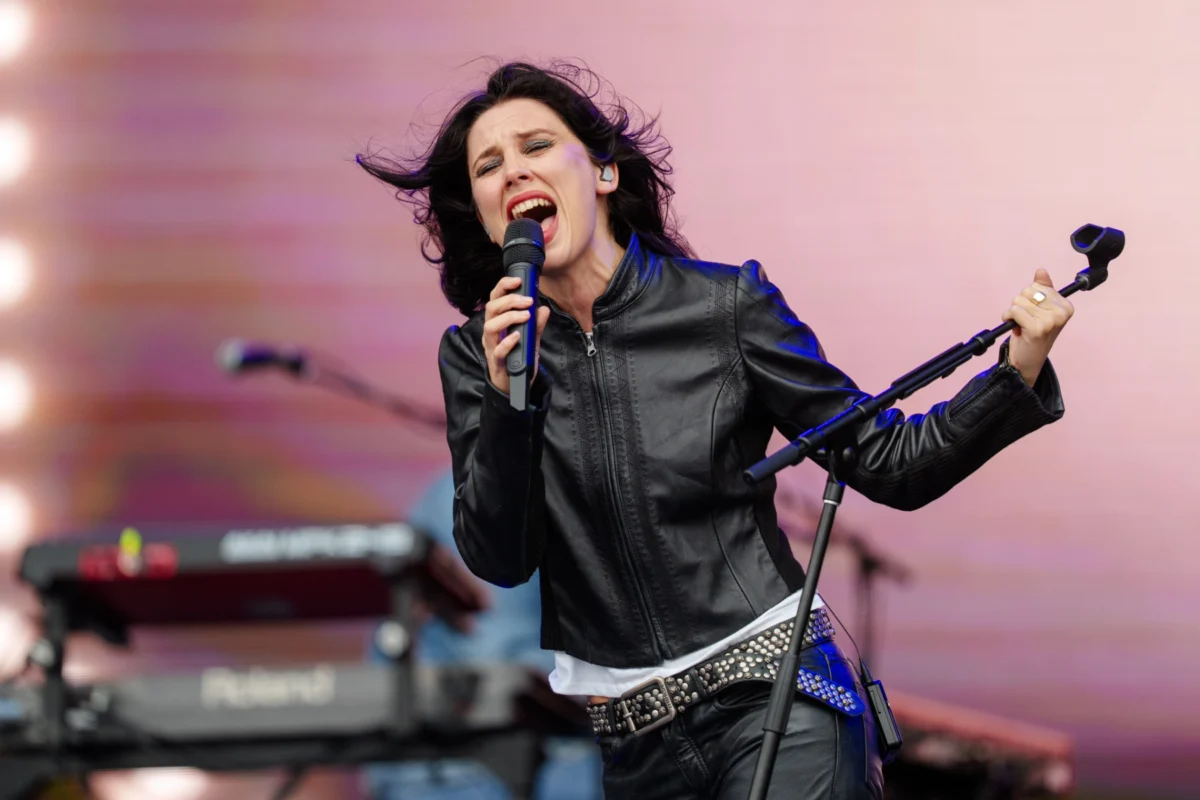
Severe flooding, triggered by heavy overnight rains, significantly disrupted the third day of Lollapalooza 2026 in Chicago’s Grant Park on August 1, forcing a delayed opening and the curtailment of several artist performances, most notably those by Wolf Alice and CORTIS. The deluge transformed parts of the festival grounds, including the areas around the T-Mobile and Allianz stages, into waterlogged expanses, prompting a cascade of schedule adjustments and on-site logistical challenges for organizers and attendees alike.
Lollapalooza Grapples with Floodwaters
The iconic Grant Park, usually a vibrant hub of music and culture, found itself battling the elements as the third day of Lollapalooza 2026 commenced. Overnight rainfall saturated the grounds, creating widespread flooding that necessitated a substantial delay in the festival’s opening. Instead of welcoming festival-goers at the planned 12 p.m. Central Time, gates were pushed back to 3 p.m. CT. This three-hour postponement meant that many scheduled performances were either canceled outright or significantly shortened, leaving a palpable sense of disappointment among fans who had eagerly anticipated a full day of musical artistry.
The decision to delay the opening and alter the schedule was communicated to attendees through official Lollapalooza channels. An initial statement on Facebook indicated a delay until 2 p.m. CT, urging attendees to monitor for further updates. Hours later, a second announcement confirmed the revised opening time of 3 p.m. CT, with the Box Office opening at 1 p.m. CT, acknowledging the ongoing cleanup efforts to make areas of the festival grounds accessible.
Impact on Key Performances
Among the most affected acts were English rock band Wolf Alice and K-pop group CORTIS. Wolf Alice, whose performance was originally slated for an hour, saw their set dramatically cut to approximately 30 minutes. Similarly, CORTIS, a rising star in the K-pop scene, had their scheduled 50-minute performance reduced to 40 minutes. These shortened sets, while a testament to the artists’ commitment to performing despite the adverse conditions, undoubtedly left fans wanting more and highlighted the immediate consequences of the severe weather on the festival’s programming.
The scheduling adjustments were a direct consequence of the extensive flooding that inundated Hutchinson Field, a central area within Grant Park that hosts prominent stages. Photographs shared earlier on August 1 depicted the extent of the waterlogged conditions, underscoring the challenging environment faced by festival organizers. The visual evidence of the flooded fields served as a stark reminder of nature’s unpredictable power and its ability to disrupt even the most meticulously planned events.
Lollapalooza 2026: A History of Weather Challenges
Lollapalooza, a festival with a rich history dating back to 1991, has encountered its share of weather-related disruptions over the years. While typically resilient, the sheer volume of rainfall experienced leading up to and during the August 1st programming of Lollapalooza 2026 presented a significant hurdle. The festival’s open-air format in Grant Park, while offering a unique urban festival experience, inherently exposes it to the vagaries of Chicago’s weather patterns, which can range from sweltering heatwaves to sudden, torrential downpours.

The impact of such weather events extends beyond mere schedule changes. Flooding can lead to stage closures, equipment damage, and safety concerns for both performers and attendees. Organizers are tasked with balancing the desire to deliver the full festival experience with the paramount responsibility of ensuring the well-being of everyone on site. This often involves difficult decisions, such as canceling sets, relocating performances, or, in extreme cases, evacuating the grounds.
Broader Implications for Music Festivals
The flooding at Lollapalooza 2026 serves as a potent reminder of the vulnerability of large-scale outdoor music festivals to extreme weather events, a concern amplified by the increasing frequency and intensity of such phenomena attributed to climate change. As weather patterns become more unpredictable, festival organizers worldwide are being forced to re-evaluate their contingency plans and invest in infrastructure that can better withstand adverse conditions.
This includes exploring options like improved drainage systems, temporary flood barriers, and more robust communication protocols to keep attendees informed during emergencies. The economic implications of weather disruptions can also be substantial, leading to lost revenue from ticket sales, vendor sales, and potential damage to festival assets. For artists, shortened sets can mean less exposure to fans and a disruption to their touring schedules.
Saturday’s Lineup and Future Outlook
Despite the significant disruptions on Saturday, the Lollapalooza 2026 lineup still featured a number of high-profile artists. Headlining performances were scheduled from Olivia Dean and JENNIE, alongside sets from The Neighbourhood, Geese, Sienna Spiro, Clipse, and Ethel Cain. The resilience of these artists in adapting to the altered schedule was evident, as they aimed to deliver memorable performances under challenging circumstances.
Looking ahead, the festival’s fourth and final day on Sunday, August 2, was slated to proceed with its planned schedule, featuring headlining sets from Tate McRae and The xx. Additional performances were anticipated from Adéla, Jade, aespa, and Stella Lefty. The successful conclusion of the festival, following Saturday’s weather challenges, would depend on continued favorable weather and the effectiveness of the organizers’ ongoing efforts to manage the impact of the flooding.
The Lollapalooza 2026 experience on August 1 was undeniably shaped by the severe flooding, underscoring the dynamic interplay between major cultural events and the environment. While the shortened sets for Wolf Alice and CORTIS represented a tangible consequence for fans, the broader implications point to an ongoing need for adaptation and preparedness within the live music industry.