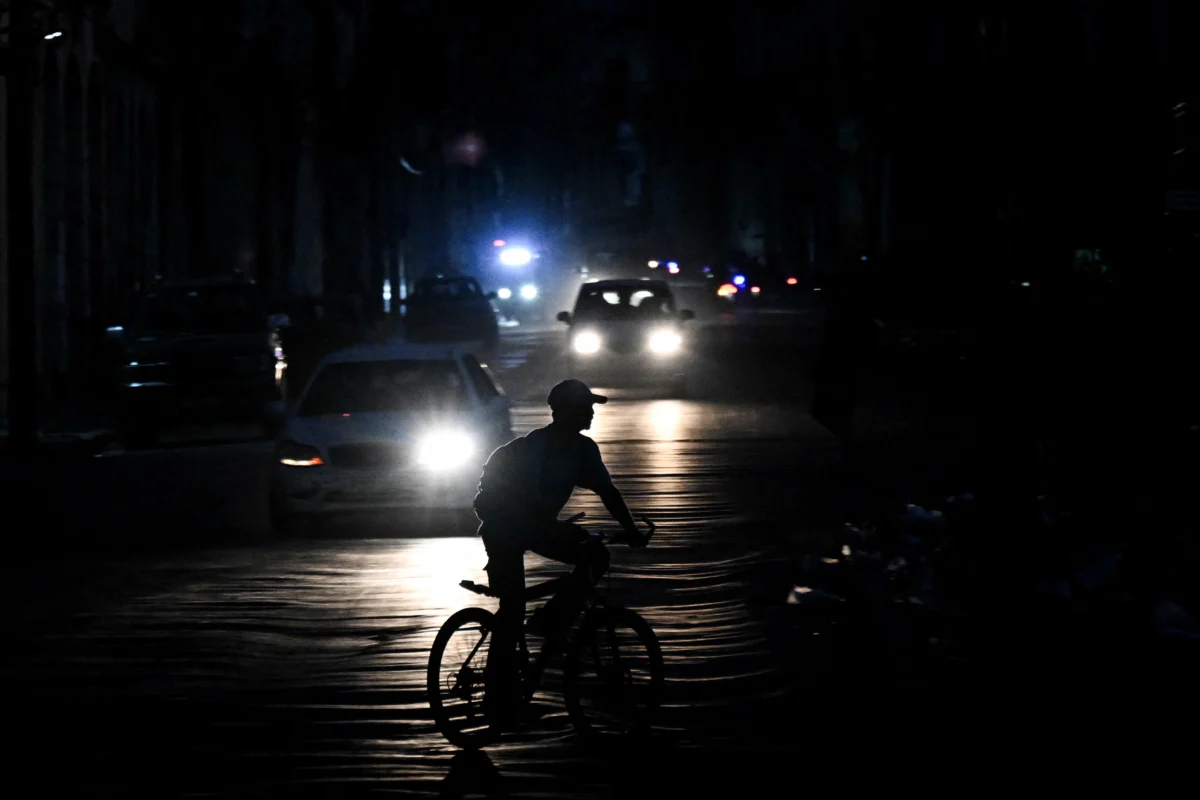
Cuba’s national electricity grid has collapsed, plunging the island nation into a widespread blackout late Sunday evening. The state-run Electric Union, known as UNE, confirmed the systemic failure on the social media platform X, though it offered no immediate explanation for the cause, the full scope of the disruption, or a timeline for power restoration. The incident marks the latest and perhaps most severe in a series of grid failures that have plagued the Caribbean nation this year, exacerbating already dire conditions for its citizens.
This catastrophic grid failure comes after a period of escalating electricity woes across Cuba. In the hours preceding the nationwide collapse, Havana’s electricity company had been reporting localized outages. These disruptions were attributed to a trifecta of issues: damaged transformers, circuit failures, and planned power cuts necessitated by insufficient generating capacity. The state of the grid had visibly deteriorated, with numerous unresolved complaints logged across various municipalities in the capital.
Early Sunday, the extent of the pre-collapse problems was evident. Reports indicated dozens of unaddressed electrical issues in areas such as Guanabacoa, Habana del Este, La Lisa, and Marianao. This suggests a system already under immense strain, struggling to maintain even basic functionality before succumbing to a total collapse. The pattern of localized failures often foreshadows larger, more systemic breakdowns, a reality Cubans have become increasingly accustomed to.
Authorities typically employ a strategic approach to recover from such widespread grid collapses. The initial phase involves establishing small, isolated power networks designed to prioritize essential services. This includes ensuring electricity for hospitals, which are critical for public health, as well as water treatment and distribution systems, and vital food storage facilities. Only after these critical sectors are stabilized do officials attempt to gradually reintegrate larger generating plants back into the national network.
A Pattern of Nationwide Blackouts
Sunday’s island-wide blackout is not an isolated incident but rather the latest chapter in a disturbing trend of national electricity failures that have gripped Cuba throughout the year. The grid experienced three significant nationwide collapses in July alone, with two of those major outages occurring within the same seven-day period. One such blackout left approximately 10 million Cubans in darkness, highlighting the vulnerability of the entire population to grid instability.
The challenges in restoring power after these July incidents were compounded by the country’s inability to generate sufficient electricity to meet demand, even after the network was technically reconnected. This fundamental deficit in power generation capacity has become a persistent and crippling problem for Cuba’s aging energy infrastructure. The reliance on outdated and poorly maintained facilities makes the grid exceptionally susceptible to cascading failures.
The root causes of this systemic deterioration are multifaceted, but a critical factor is the chronic shortage of fuel and essential replacement parts. Cuba’s thermoelectric plants, some of which are over three decades old, have suffered repeated breakdowns and have received inadequate maintenance. This lack of investment and upkeep has pushed the infrastructure to its breaking point, making it increasingly difficult to keep the lights on for the entire population.
External Pressures and Internal Challenges
The Cuban government frequently points to the United States as a primary architect of its energy woes. Washington has imposed significant restrictions on oil supplies to the island and has curtailed access to financing and critical equipment. These measures, part of a long-standing economic embargo, are seen by Havana as directly contributing to the country’s energy crisis.
A significant blow to Cuba’s energy supply occurred when former U.S. President Donald Trump imposed an oil blockade. This action followed the January 2020 abduction of Venezuelan President Nicolas Maduro, a key ally of Cuba. Venezuela had historically served as Cuba’s principal supplier of oil, and the disruption of this critical trade route severely impacted the island’s ability to power its economy and its homes. Imports from Mexico have also faced disruptions due to increased pressure from Washington, further isolating Cuba’s energy sector.
However, some observers and critics attribute the ongoing energy crisis to decades of underinvestment and mismanagement within Cuba’s own energy sector. This perspective suggests that internal policy decisions and a lack of strategic development have played a substantial role in the current state of disrepair. The complex interplay of external sanctions and internal governance issues has created a perfect storm for the nation’s energy infrastructure.
Far-Reaching Consequences of Power Outages
The impact of these extended and frequent power outages on the daily lives of Cubans is profound and far-reaching. Transportation systems are disrupted, often grinding to a halt without electricity to power traffic signals or fuel pumps. Water supplies become precarious, as pumping stations cease to function, leaving communities without access to clean water.
Communications networks suffer, hindering individuals’ ability to connect with loved ones or access vital information. Medical services are severely compromised, with hospitals and clinics struggling to operate essential equipment, especially during critical procedures. The lack of refrigeration poses a constant threat to food preservation, leading to spoilage and increased food insecurity for households.
The summer heat exacerbates the hardship, making it nearly impossible for families to sleep or remain comfortable without air conditioning or even basic fans. These constant disruptions not only create physical discomfort but also contribute to significant psychological stress and a pervasive sense of uncertainty among the population. The inability to perform basic daily tasks due to power failures erodes quality of life and hinders economic productivity.
The Grid Failure and Future Outlook
The collapse of Cuba’s national electricity grid on Sunday represents a critical escalation of the ongoing energy crisis. The lack of a clear cause or restoration timeline from UNE underscores the severity of the situation and the potential for prolonged disruption. The country’s reliance on aging infrastructure, coupled with fuel shortages and international pressures, has created a fragile energy system vulnerable to catastrophic failure.
The immediate priority for Cuban authorities will be to restore power to essential services, a process that requires careful coordination and resource allocation. The longer-term challenge involves addressing the fundamental issues plaguing the electricity grid, including the need for substantial investment in modernization, access to reliable fuel sources, and the procurement of critical spare parts. Without significant systemic changes, Cuba is likely to face continued and potentially more frequent grid failures in the future. The resilience of the Cuban people will be tested once again as they navigate the darkness and the cascading effects of this nationwide blackout.