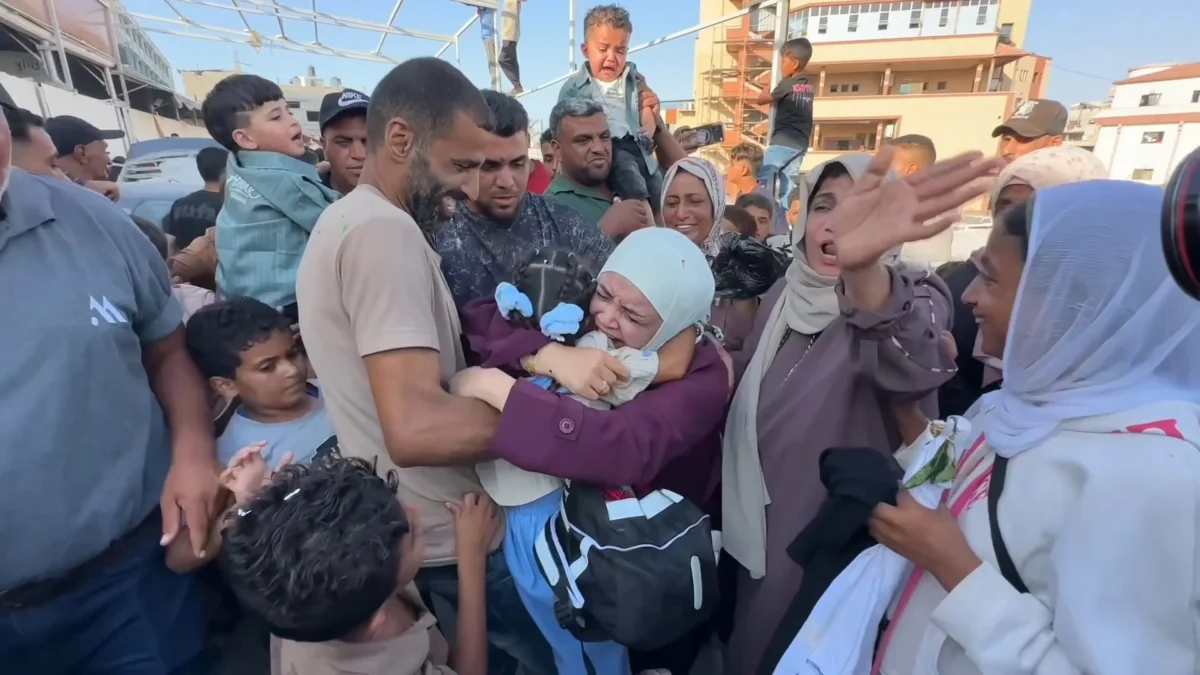
Gaza City, Gaza Strip – A small contingent of Palestinian patients has returned to the Gaza Strip after undergoing crucial medical treatment abroad, marking a poignant reunion with families after years of separation. However, their return highlights the dire reality for thousands more still trapped within the besieged territory, desperately awaiting permission to leave for urgent medical care. The systematic destruction of Gaza’s healthcare infrastructure, a consequence of ongoing conflict and blockade, has rendered the enclave incapable of meeting the complex medical needs of its population.
The Unfolding Humanitarian Crisis for Gaza’s Sick
The precarious state of healthcare in Gaza has been a growing concern for international aid organizations and medical professionals. For nearly three years, the persistent Israeli blockade, coupled with the direct impact of military operations, has crippled hospitals, depleted medical supplies, and led to the decimation of essential medical equipment. This has forced an untenable situation where individuals requiring specialized surgeries, advanced cancer treatments, or even basic critical care are compelled to seek these services outside the densely populated strip.
The patients who have recently returned represent a fortunate few, having navigated the labyrinthine bureaucracy and secured passage for their life-saving treatments. Their journeys, often fraught with anxiety and logistical challenges, underscore the immense obstacles faced by those who remain. The emotional toll of prolonged separation from loved ones, coupled with the physical strain of illness and travel, paints a stark picture of the human cost of this protracted crisis.
A System Under Siege: The Destruction of Gaza’s Healthcare
The foundation of Gaza’s healthcare system has been systematically undermined. Years of conflict have resulted in direct damage to medical facilities, including hospitals and clinics. The ongoing blockade has severely restricted the entry of essential medical equipment, spare parts for existing machinery, and a consistent supply of life-saving medications. This dual assault has created a critical deficit, leaving Gaza’s medical professionals with inadequate resources to treat a burgeoning number of complex cases.
International bodies, including the World Health Organization (WHO), have repeatedly sounded the alarm about the dire shortages of medical personnel, specialized equipment, and critical medicines in Gaza. The lack of advanced diagnostic tools means that many conditions go undiagnosed or are diagnosed at later, more challenging stages. Surgeries that would be routine in well-equipped facilities are often impossible or carry significantly higher risks within Gaza.
Thousands Trapped: The Blockade’s Medical Toll
While some patients manage to exit Gaza for treatment, an estimated thousands more remain stranded, their medical conditions worsening with each passing day. These individuals are caught in a devastating Catch-22: they need to leave for treatment, but Israel’s stringent entry and exit policies, coupled with the complexities of obtaining permits, effectively block their departure. The bureaucratic hurdles are immense, and the vetting process is often opaque and lengthy, leading to critical delays.
Families of patients face agonizing decisions, often crowdfunding for exorbitant travel expenses and treatment costs abroad, while simultaneously dealing with the emotional anguish of separation. The psychological burden on these families is immense, compounded by the uncertainty and the constant fear for the well-being of their sick relatives. Reports from humanitarian organizations detail cases where patients have died while waiting for their permits to be approved, a tragic testament to the life-threatening consequences of the blockade.
The Journey of Hope and Despair: Patient Testimonials
For those who have managed to secure passage, the journey is often a testament to resilience. Patients, many in frail health, must travel through checkpoints, endure lengthy waits, and navigate unfamiliar medical systems in foreign countries. The cost of treatment, often beyond the reach of ordinary Gazans, adds another layer of immense pressure. Yet, the prospect of receiving life-saving care and the hope of returning to their families often fuel their determination.
Upon their return, the joy of reunion is palpable, but it is invariably tinged with the awareness of those left behind. These returning patients carry with them not only the relief of having received treatment but also the harrowing stories of the struggles faced by those still in Gaza. Their experiences serve as powerful, albeit heart-wrenching, firsthand accounts of the humanitarian crisis unfolding within the strip.
International Condemnation and Calls for Action
The dire situation in Gaza’s healthcare sector has drawn widespread condemnation from international human rights organizations, medical associations, and the United Nations. Critics argue that the blockade constitutes collective punishment and directly violates international humanitarian law by impeding access to essential healthcare. Calls for an immediate easing of restrictions on the movement of medical personnel, equipment, and patients have been persistent, yet tangible change has been slow to materialize.
Aid agencies are struggling to maintain even basic services with limited resources and constant supply chain disruptions. The sheer volume of need, exacerbated by the destruction and blockade, far outstrips the capacity of existing humanitarian efforts. The long-term implications of a systematically degraded healthcare system are profound, threatening to create a generation with untreated chronic illnesses and a population facing perpetual health insecurity.
The Broader Implications: A Health Security Crisis
The ongoing deterioration of Gaza’s healthcare system has far-reaching consequences that extend beyond immediate medical needs. It contributes to a deepening public health crisis, increasing the burden of communicable diseases and hindering efforts to manage non-communicable diseases. The psychological impact on the population, particularly children who have grown up in an environment of conflict and scarcity, is also a significant concern, leading to widespread trauma and mental health challenges.
Furthermore, the inability to provide adequate medical care exacerbates the cycle of poverty and dependence. Families are drained of their resources, both financial and emotional, trying to cope with the health crisis. This not only impacts individual well-being but also hampers any efforts towards economic recovery and sustainable development in Gaza.
The Long Road Ahead: Navigating a Complex Political Landscape
The path towards rebuilding and sustaining Gaza’s healthcare infrastructure is intrinsically linked to the broader political and security landscape. Any meaningful improvement requires a significant shift in policy regarding the blockade and the free movement of essential goods and personnel. International diplomatic efforts are ongoing, but the complex political dynamics have, thus far, presented formidable obstacles.
For the patients who have returned, their journey is a victory, a testament to their personal strength and the support they received. However, their stories also serve as a stark reminder of the urgent humanitarian imperative to address the critical healthcare crisis affecting thousands of their fellow Gazans. The international community faces a moral and ethical obligation to ensure that access to life-saving medical care is not a privilege, but a fundamental right, even in the most challenging of circumstances. The plight of Palestinian patients awaiting evacuation underscores the urgent need for sustained humanitarian intervention and a political resolution that prioritizes the well-being of civilians caught in the crossfire.