Stephen Colbert has been honored with a prestigious anti-censorship award from the Before Columbus Foundation, an acknowledgement that arrives just months after CBS controversially ended his long-running program, The Late Show. The award, announced Wednesday as part of the 47th annual American Book Awards, positions the popular comedian at the center of a national dialogue regarding free speech and the pressures facing political satire in mainstream media. The timing of the accolade has reframed the narrative surrounding The Late Show‘s abrupt cancellation, elevating it from a network programming decision to a significant point of contention in the ongoing debate over media independence and journalistic integrity.
Colbert’s Tenure and the Political Landscape

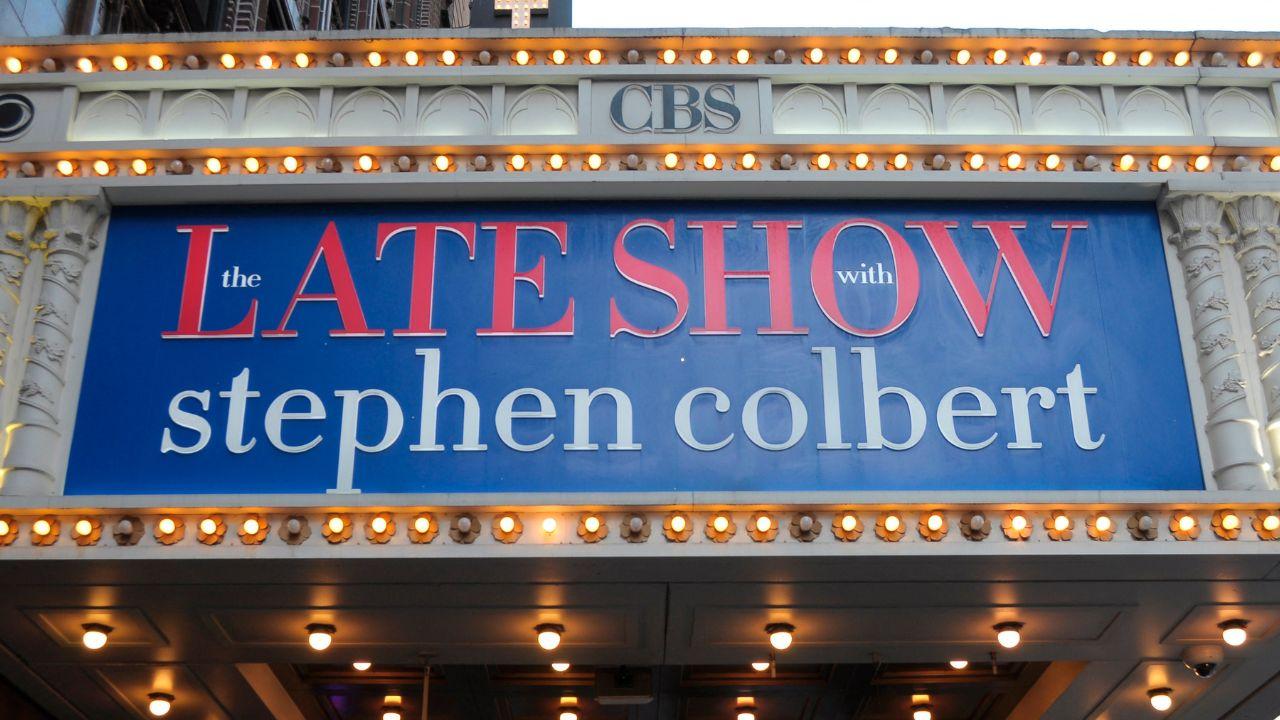
For over a decade, Stephen Colbert commanded the desk of The Late Show, inheriting a legacy forged by late-night titans. His tenure, spanning 11 years, was notably defined by his incisive and often relentless criticism of former President Donald Trump. During a politically charged era, Colbert’s monologues and satirical segments became a prominent nightly platform for dissecting current events and offering sharp commentary on national politics. This distinct comedic voice resonated with a significant audience, solidifying The Late Show‘s role as a key player in the late-night landscape, where political engagement often intertwines with entertainment. The program’s consistent engagement with high-stakes political topics made it a bellwether for public discourse, particularly during contentious election cycles and periods of intense national debate.
The Controversial Cancellation of The Late Show
In May, CBS announced its decision to cancel The Late Show, citing economic reasons for the abrupt conclusion of a program that consistently garnered high viewership and critical acclaim. However, the network’s explanation was met with skepticism from Colbert himself and numerous industry observers. Many questioned whether financial considerations were the sole impetus, suggesting that the cancellation might be linked to the show’s outspoken political stance and its host’s unwavering criticism of the Trump administration. This perceived discrepancy fueled speculation about potential external pressures on media outlets, particularly those that host prominent critics of powerful political figures. The sudden removal of such a visible platform for political satire raised concerns about the chilling effect it might have on other late-night hosts and media personalities who engage in similar forms of commentary.
The Before Columbus Foundation’s Recognition
The anti-censorship award bestowed upon Colbert comes from the Before Columbus Foundation, a nonprofit organization established by renowned author, playwright, and publisher Ishmael Reed. This foundation is dedicated to promoting multicultural literature and recognizing artistic contributions that challenge established norms and advocate for diverse voices. The American Book Awards, under its purview, celebrate a broad spectrum of American literature and culture, often highlighting works and individuals who champion freedom of expression. By honoring Colbert, the foundation underscored its commitment to defending intellectual and artistic liberty, particularly in contexts where such freedoms appear to be under duress. The award serves as a powerful symbolic endorsement of Colbert’s comedic approach and his perceived role as a bulwark against attempts to stifle critical commentary.
Reframing the Narrative: A Reputational Win

Public relations experts have quickly pointed to the significance of this award for Colbert’s public image. Amore Philip, founder of Apples and Oranges Public Relations, remarked, "Colbert receiving a major anti-censorship award in the middle of his clashes with the administration is a reputational win that reframes the whole story." Philip further elaborated, stating, "It converts a business and political fight into a free-speech narrative, and in that frame he is no longer a host losing a slot, he is a principled figure standing on something." This shift in perception is crucial, as it transforms the event from a potential career setback into a testament to Colbert’s unwavering commitment to his principles. The award positions him not merely as an entertainer, but as a defender of fundamental liberties, bolstering his credibility and influence in the public sphere.
Late Night as a Free-Speech Bellwether
The cancellation of The Late Show and the subsequent anti-censorship award for Stephen Colbert have thrust late-night comedy into a critical role as a gauge for free speech in contemporary media. Attorney and law instructor Danny Karon articulated this evolving dynamic, noting, "Late-night hosts are becoming free-speech bellwethers because their political satire increasingly tests whether their media companies will defend them." This observation highlights the precarious position of networks that broadcast politically charged content. They must navigate a complex landscape where artistic expression can intersect with commercial interests, regulatory pressures, and public opinion. The stakes are high, as decisions made by media companies regarding controversial content can have far-reaching implications for both their reputation and their bottom line.

Commercial Interests vs. Free Expression
Karon further elaborated on the inherent conflict faced by media companies: "The challenge for the media companies is commercial more than political. If they defend their host, they risk regulatory consequences; if they surrender to regulators, viewers could perceive them as weak, which could affect ratings." This tension underscores the delicate balance networks must maintain. On one hand, defending a host’s freedom of expression aligns with democratic values and can earn the loyalty of audiences who value uncensored commentary. On the other hand, challenging powerful entities or governmental regulations can lead to financial penalties, legal battles, or even withdrawal of broadcast licenses. The decision to cancel The Late Show, ostensibly for economic reasons, serves as a stark example of how these commercial anxieties can be invoked, even when underlying motivations might be more complex and politically inflected.
Broader Implications for Political Satire and Media Platforms
The situation surrounding Stephen Colbert’s anti-censorship award extends beyond a single host or program, signaling potential shifts in the broader media landscape. Karon suggested that "media companies’ fear of regulators will likely translate into anticipatory measures, such as avoiding political subjects and comedy, thus perhaps sending controversial content to streaming platforms or podcasts that are not as heavily regulated." This prediction points to a future where traditional broadcast television, already grappling with declining viewership, might become an even more sanitized space, while more daring and critical political commentary finds refuge on less regulated digital platforms. This fragmentation of content could lead to a further polarization of audiences, with those seeking unfiltered political satire migrating to specific online channels, while mainstream television caters to a broader, less politically engaged demographic.
Shifting Value: From Ratings to Point of View
The episode also highlights an evolving metric for success in the late-night genre. Amore Philip observed, "For late night as a category, this signals that the genre’s value is shifting from ratings to point of view. Hosts who stand for something clear and consistent build durable brands that outlast any single network decision." In an era of fragmented media consumption, where traditional ratings are increasingly challenged by on-demand viewing and digital engagement, a strong, consistent point of view can cultivate a loyal audience that transcends specific time slots or network affiliations. Colbert’s ability to maintain a clear editorial stance throughout his career, culminating in this anti-censorship recognition, exemplifies how a host’s brand can become synonymous with certain values, offering a resilience that even a network cancellation struggles to diminish.

Other American Book Awards Recipients
The 47th annual American Book Awards, in addition to honoring Stephen Colbert, recognized several other notable figures and works that contribute to the diverse tapestry of American literature and culture. Mitchell Kaplan, founder of Books & Books, shared the anti-censorship prize with Colbert, acknowledging his efforts in promoting literary freedom and access. Other recipients included Nicholas Boggs for his work Baldwin, John Fugelsang for Separation of Church and Hate, and Adela Najarro for her poetry collection Variations in Blue. These awards collectively underscore the importance of varied voices and perspectives in shaping public discourse and artistic expression, reinforcing the Before Columbus Foundation’s mission to celebrate and protect the rich diversity of American literary output. The recognition of these artists alongside Colbert emphasizes a broader commitment to fostering environments where creative and critical voices can thrive without undue influence or suppression.