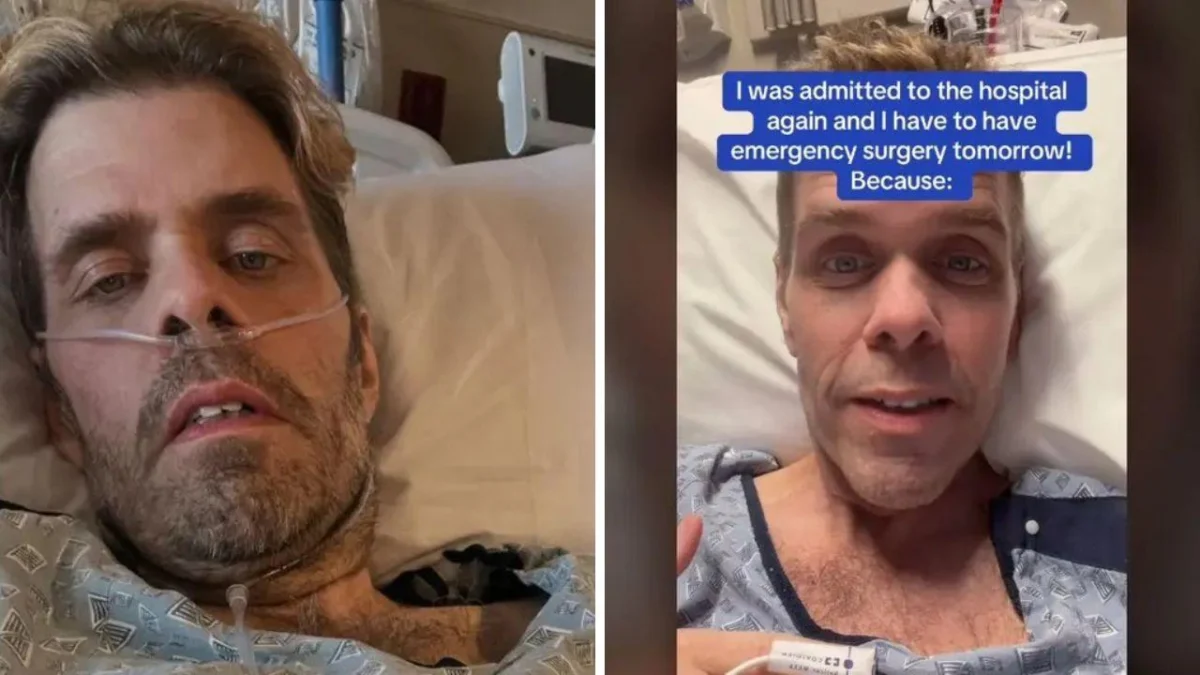
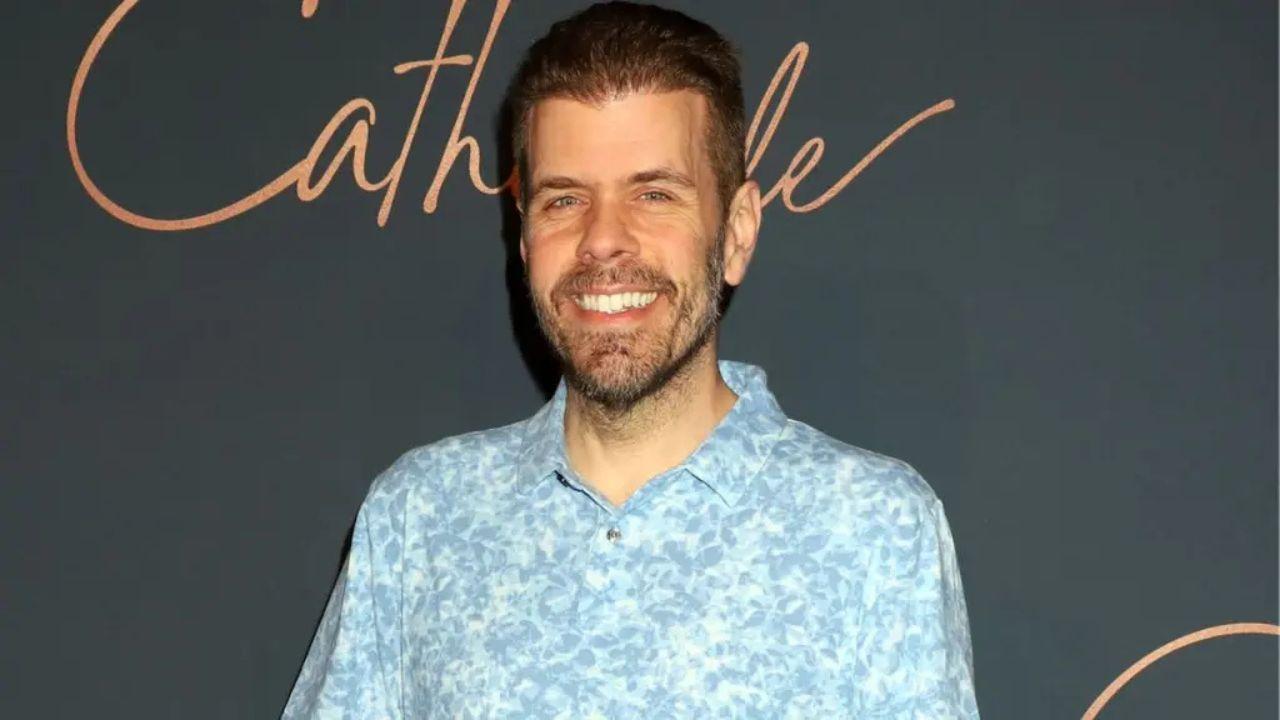
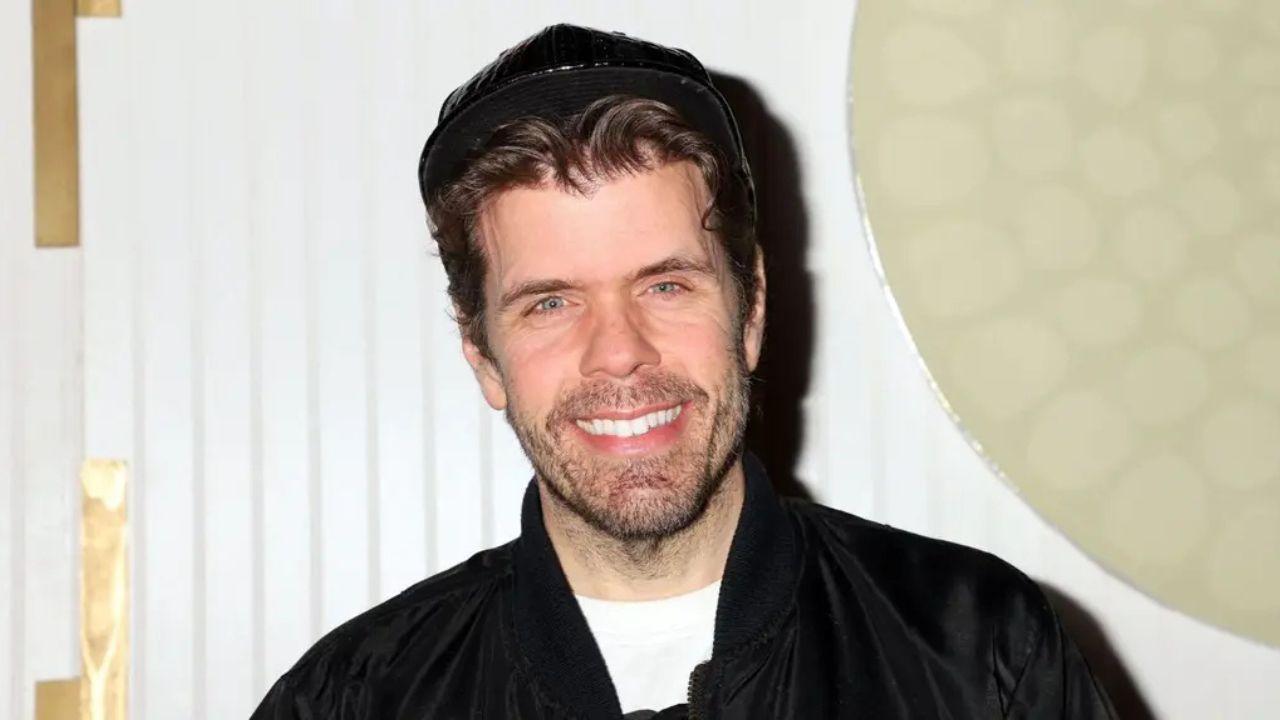
Celebrity blogger Perez Hilton was hospitalized on August 4, 2026, following a deeply disturbing incident that unfolded during a live broadcast on the social media platform TikTok, which appeared to show him engaging in acts of self-harm. This latest medical emergency comes mere months after Hilton, born Mario Armando Lavandeira Jr., endured a series of severe health setbacks earlier in the year, including a prolonged battle with sepsis and the subsequent discovery of a massive blood clot requiring emergency surgery. The events have prompted widespread concern among his followers and reignited discussions about mental health and the responsibilities of online platforms.
The Evolving Public Persona of Perez Hilton
Perez Hilton first rose to prominence in the early 2000s, establishing himself as a pioneering, albeit controversial, figure in online celebrity gossip. His website quickly became a go-to source for unvarnished commentary and often provocative takes on Hollywood’s elite, shaping a new era of digital tabloid journalism. Over the years, Hilton’s public image has evolved, with recent interviews and social media posts suggesting a more introspective approach to his life and career.
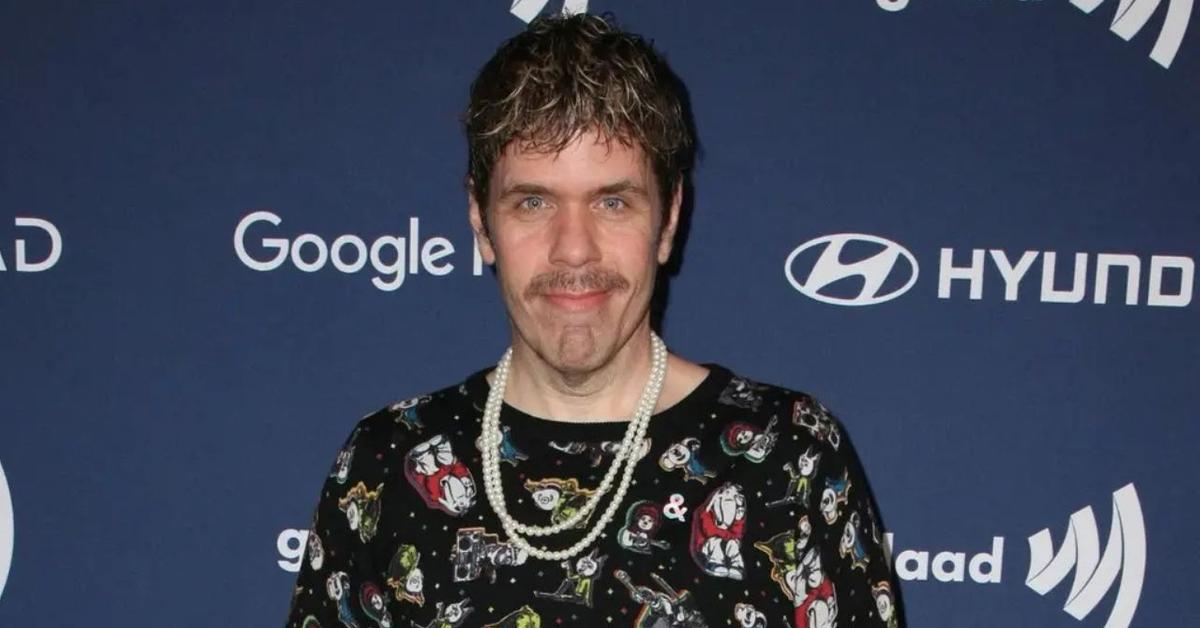
This shift has sometimes included sharing personal reflections and, as noted by some followers prior to his recent hospitalization, content with a spiritual or religious undertone. His foray into live streaming on platforms like TikTok has allowed for a more direct and unmediated connection with his audience, a format that inherently carries both opportunities for genuine interaction and risks when personal crises unfold in real-time. The unfiltered nature of these broadcasts means that moments of extreme vulnerability, such as the one witnessed on August 4, can instantly reach a vast global audience.
A Troubling Livestream and Emergency Response
The incident that led to Perez Hilton’s recent hospitalization began late in the evening of August 4, 2026. During a TikTok livestream, viewers reportedly witnessed actions that suggested self-harm. The broadcast, which has since been removed from the platform, quickly generated alarm among those watching, leading to a flurry of calls to emergency services.
The August 4 Incident
Immediately following the conclusion of the livestream, graphic clips purportedly showing the celebrity columnist with visible injuries began circulating widely across various social media platforms. The rapid dissemination of this content amplified the urgency of the situation and underscored the public’s immediate concern for Hilton’s well-being. The nature of online content sharing means that such distressing images can spread uncontrollably, impacting both the individual involved and the broader online community.
Law Enforcement Intervention
Authorities confirmed that the Miami-Dade County Sheriff’s Office (MDCSO) swiftly responded to multiple distress calls related to the livestream. Deputies arrived at Hilton’s Florida residence to assess the situation. Upon their arrival, law enforcement officials initially made contact with Hilton’s family members outside the home, who informed them that Hilton was the sole occupant inside the property. This information was crucial for the deputies in formulating their response strategy to a potentially volatile situation.
The MDCSO spokesperson elaborated on the protocol followed during such delicate circumstances. They emphasized that in cases involving individuals experiencing a mental health crisis or actively engaging in self-harm, deputies prioritize de-escalation techniques. These strategies typically involve creating time, distance, and opportunities for open communication. The aim is to reduce the likelihood of a "suicide-by-cop" encounter and minimize the risk of injury to all parties involved, including the individual in distress, the responding officers, and the public. Following these established protocols, deputies successfully recovered Hilton from his home. He was subsequently transported by Miami-Dade Fire Rescue to a local hospital, where he is currently receiving comprehensive medical attention. This operation was conducted with the support of mental health professionals and members of the Crisis Response Unit, highlighting the coordinated effort required for sensitive interventions.
911 Dispatch Details
Further insight into the gravity of the situation was provided by details from the 911 dispatch audio. Reports indicated that the initial call, placed at approximately 10:41 p.m. on August 4, classified the situation involving Hilton as a "suicide attempt." Multiple units from the Miami-Dade County Sheriff’s Office were dispatched to his Miami residence, arriving around 11 p.m., with additional units advised to remain on standby. While the dispatch audio reportedly contained graphic details about the alleged self-harm attempts, these specific descriptions were not publicly released, maintaining a level of discretion appropriate for such a sensitive event. The rapid and multi-faceted response underscores the serious nature of the distress signals conveyed by the livestream and the subsequent emergency calls.
Family and Team Statement
In the immediate aftermath of the incident and hospitalization, an official statement was released on Perez Hilton’s website by his team and family. The statement acknowledged the outpouring of concern from the public, expressing gratitude for the immense volume of love, support, and prayers received. It confirmed that Hilton was indeed receiving medical care and that the family’s primary focus remained squarely on his well-being. The statement also included a heartfelt plea for privacy during this exceptionally difficult period, requesting respect for both Perez and his family. They assured the public that any future updates would be shared as soon as circumstances allowed, thanking everyone for their compassion, understanding, and continued support.

A Pattern of Health Challenges and Public Scrutiny
The August 4 hospitalization is not an isolated incident but rather the latest in a series of significant health challenges Perez Hilton has confronted in recent months. His journey through these medical crises has been shared, to varying degrees, with his public audience, offering a glimpse into the profound physical and emotional tolls they have exacted.
Previous Medical Battles
Earlier in 2026, Hilton endured a harrowing 21-day hospital stay during March. This extensive hospitalization stemmed from a severe bout of the flu, which unfortunately led to more serious complications, including the development of an ulcer, a perforation, and a life-threatening infection known as sepsis. Sepsis is a medical emergency that occurs when the body’s response to an infection damages its own tissues and organs. Without timely treatment, it can lead to shock, multiple organ failure, and death. Hilton openly discussed this ordeal in a YouTube video published on March 23, describing the experience as a slow and arduous process of recovery. He detailed two weeks of intense sickness followed by another week of gradual improvement, expressing his profound longing to return home to his children during the latter part of his hospital confinement.
Post-Sepsis Complications
The health struggles did not end with his discharge from the hospital. Soon after returning home from his 21-day stay, Hilton was abruptly rushed back to a medical facility. During this subsequent visit, doctors made a critical discovery: a "massive blood clot." This diagnosis, known as deep vein thrombosis (DVT), posed a significant threat, as such clots can travel to the lungs (pulmonary embolism) or heart, leading to potentially fatal complications. Consequently, Hilton underwent an emergency thrombectomy, a surgical procedure designed to remove the dangerous blood clot. The urgency of this intervention underscored the precarious state of his health and the compounding nature of his medical issues. These successive physical health crises undoubtedly placed immense strain on his overall well-being, potentially contributing to the mental health challenges he now faces.
The Intersection of Celebrity, Social Media, and Mental Health
Perez Hilton’s recent experiences cast a stark light on the complex interplay between celebrity status, the pervasive nature of social media, and the critical issue of mental health. Public figures often face immense pressure, operating under constant scrutiny and the weight of public expectation. When personal struggles manifest publicly, especially through live, unmediated platforms like TikTok, the immediate global reach can intensify the crisis for the individual involved. These incidents force a broader societal reckoning with the responsibilities of social media platforms, the ethical considerations for content moderation, and the crucial role of digital communities in identifying and responding to signs of distress.
Broader Conversations on Online Safety and Well-being
The distressing incident involving Perez Hilton has inevitably sparked renewed and intensified conversations surrounding online safety, mental health advocacy, and the ethical responsibilities of social media giants. Such events serve as potent reminders of the vulnerabilities inherent in an increasingly connected digital world.
The ethical considerations for platforms like TikTok in moderating content depicting self-harm are at the forefront of these discussions. While platforms strive to balance user expression with safety, the real-time nature of livestreams presents unique challenges for immediate intervention and content removal. This incident highlights the ongoing struggle for these companies to implement effective systems that can quickly identify and respond to potentially harmful broadcasts, protecting both the individual in distress and the wider audience.
Furthermore, the response to Hilton’s livestream underscored the critical role that online viewers often play as impromptu first responders. The multiple calls to emergency services from concerned audience members demonstrate the power of collective action and digital citizenship in potentially life-saving situations. This phenomenon raises questions about how platforms can better empower and educate their users to recognize signs of crisis and how to effectively report them to appropriate authorities, bridging the gap between virtual witnessing and real-world intervention.
Beyond the immediate incident, Hilton’s public health struggles contribute significantly to the broader discourse on mental health, particularly for public figures. The pressures of celebrity life, combined with personal health battles, can create an overwhelming environment. This situation may encourage greater empathy and understanding for those battling unseen struggles, fostering a more open dialogue about seeking help and destigmatizing mental health conditions. It also prompts a deeper examination of the boundaries between celebrity privacy and the public’s right to information, especially when an individual’s well-being becomes a matter of widespread concern. The incident serves as a stark reminder that beneath the public persona, celebrities, like all individuals, are susceptible to profound personal challenges.
Looking Ahead: Recovery and Support
As Perez Hilton continues to receive medical care, the immediate focus remains on his recovery and long-term well-being. The statement from his team and family reiterates the critical need for privacy during this sensitive time, allowing him the space and peace necessary to heal. While the exact duration and nature of his ongoing treatment have not been disclosed, it is understood that comprehensive medical and mental health support will be paramount in his journey forward.
The incident underscores the ongoing challenges individuals face with mental health crises, particularly when magnified by public visibility and social media platforms. It is a stark reminder that professional support is essential. For anyone experiencing a mental health crisis or contemplating self-harm, numerous resources are available. In the U.S., the National Suicide Prevention Lifeline can be reached by dialing or texting 988. This service provides free and confidential support 24/7. Similarly, the Crisis Text Line offers support via text message by texting HOME to 741741. These resources are vital for connecting individuals in distress with immediate help and guidance.
The coming weeks and months will undoubtedly be critical for Perez Hilton as he navigates his recovery. His public battle serves as a poignant illustration of the urgent need for accessible mental health care, responsible social media practices, and a compassionate public discourse surrounding vulnerability and healing. The full implications for his career and public life remain to be seen, but for now, the priority is his health and sustained recovery.