CBS News has vehemently denied allegations that it deliberately suppressed a ’60 Minutes’ investigative report concerning the intricate banking network of convicted sex offender Jeffrey Epstein. The denial follows the release of a Senate Finance Committee report by Senator Ron Wyden (D-Ore.) on August 4, 2026, which claimed that a segment featuring an interview with the Senator and former ’60 Minutes’ correspondent Sharyn Alfonsi was shelved after Alfonsi’s dismissal.
The controversy centers on an investigation into how prominent Wall Street banks allegedly mishandled suspicious financial transactions linked to Epstein. Senator Wyden’s report directly implicated "CBS News Leadership led by Bari Weiss" in the decision to terminate Alfonsi, thereby preventing the airing of the segment. CBS News, however, maintains that the report was simply incomplete when the season concluded and that suggestions of suppression are "categorically false."

The Unfolding Controversy: Senator Wyden’s Allegations
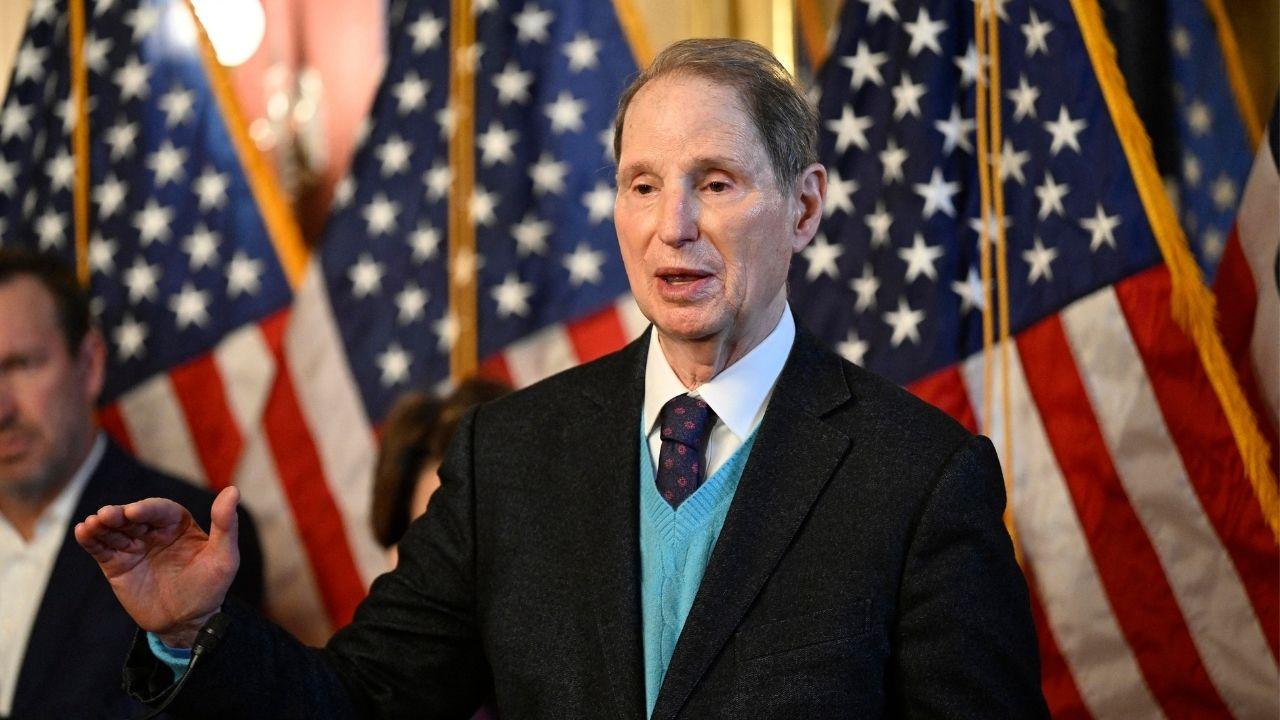
The dispute ignited with Senator Ron Wyden’s detailed report from the Senate Finance Committee, which cast a critical eye on the due diligence failures of major financial institutions in relation to Jeffrey Epstein’s vast and illicit financial activities. The report, made public on August 4, 2026, highlighted a critical interview conducted in March of the same year. Senator Wyden stated he participated in a taped interview with then-’60 Minutes’ correspondent Sharyn Alfonsi, as part of a comprehensive segment exploring Epstein’s associates, the complicity of Wall Street banks, and the role of the U.S. Virgin Islands government in his operations.
According to the Senate Finance Committee report, this interview, alongside the broader investigative piece, was subsequently jeopardized when Alfonsi was reportedly fired. The report explicitly stated, "CBS News Leadership led by Bari Weiss made the decision to fire Sharyn Alfonsi," leading to the conclusion that "the interview with Senator Wyden will not be aired and it is unclear whether Bari Weiss and CBS News Leadership will allow the broader segment to ever be aired." These claims immediately sparked concerns about journalistic independence and the potential influence of corporate or political pressures on investigative reporting.
Understanding Jeffrey Epstein’s Financial Network
Jeffrey Epstein, a financier convicted of sex offenses, maintained an extensive and opaque financial network that facilitated his illicit activities. His wealth, estimated in the hundreds of millions, was channeled through various accounts and entities, raising persistent questions about the complicity or negligence of the financial institutions that serviced him. Investigations into Epstein’s finances have focused on identifying how he moved money, the sources of his funds, and whether banks adhered to anti-money laundering (AML) regulations designed to detect and report suspicious transactions.

The U.S. Virgin Islands, where Epstein owned two private islands, played a significant role in his operations. These islands, particularly Little St. James, were central to the allegations of sex trafficking and exploitation of minors. The government of the U.S. Virgin Islands itself has pursued legal action against financial institutions like JPMorgan Chase, alleging they knowingly facilitated Epstein’s criminal enterprise by ignoring red flags and processing transactions that should have triggered alarms. The complexity of Epstein’s financial dealings underscores the challenges and critical importance of robust investigative journalism in uncovering systemic failures and holding powerful entities accountable.
Allegations Against Wall Street Banks
Senator Wyden’s report specifically targeted three financial giants: JPMorgan Chase, Deutsche Bank, and Bank of America. The report alleged that these banks exhibited significant lapses in properly screening and reporting suspicious financial activity linked to Jeffrey Epstein. Such failures, if proven, could constitute violations of federal banking laws, including the Bank Secrecy Act, which requires financial institutions to report transactions that might involve money laundering or other illegal activities.
The report specifically detailed that Deutsche Bank allegedly failed to promptly disclose over $250 million in suspicious Epstein-related transactions. These figures underscore the potential scale of the financial institutions’ alleged oversight or complicity. The broader implication is that these banks, despite having sophisticated compliance departments and legal obligations, may have prioritized relationships with a high-net-worth client over their responsibilities to prevent financial crimes. The U.S. Virgin Islands government’s lawsuits against some of these banks further highlight the severity and ongoing nature of these allegations, seeking to hold them accountable for their alleged roles in enabling Epstein’s criminal enterprise.

CBS News’ Official Rebuttal
In response to Senator Wyden’s serious allegations, CBS News issued a strong denial, refuting any claims that political motives or internal leadership pressures led to the suppression of the ’60 Minutes’ Epstein segment. A spokesperson for CBS News released a statement to multiple media outlets, emphasizing the network’s commitment to thorough reporting on the Epstein scandal.
The statement read, "We are proud of our aggressive and extensive reporting on the Epstein scandal. That reporting continues. We air pieces when they are ready, and suggesting that an interview is being ‘suppressed’ for any reason is categorically false." While confirming that Senator Wyden’s interview with Sharyn Alfonsi did take place, CBS News clarified that the investigative piece was simply not completed by the time ’60 Minutes’ concluded its season in May. This explanation positions the delay as a standard journalistic process, rather than an act of deliberate censorship, but it does not address the specific claims regarding Alfonsi’s firing in connection with the segment. The network has not publicly committed to a definitive air date for the Epstein banking segment, leaving its future status uncertain.
The Alfonsi Factor: A Correspondent’s Departure
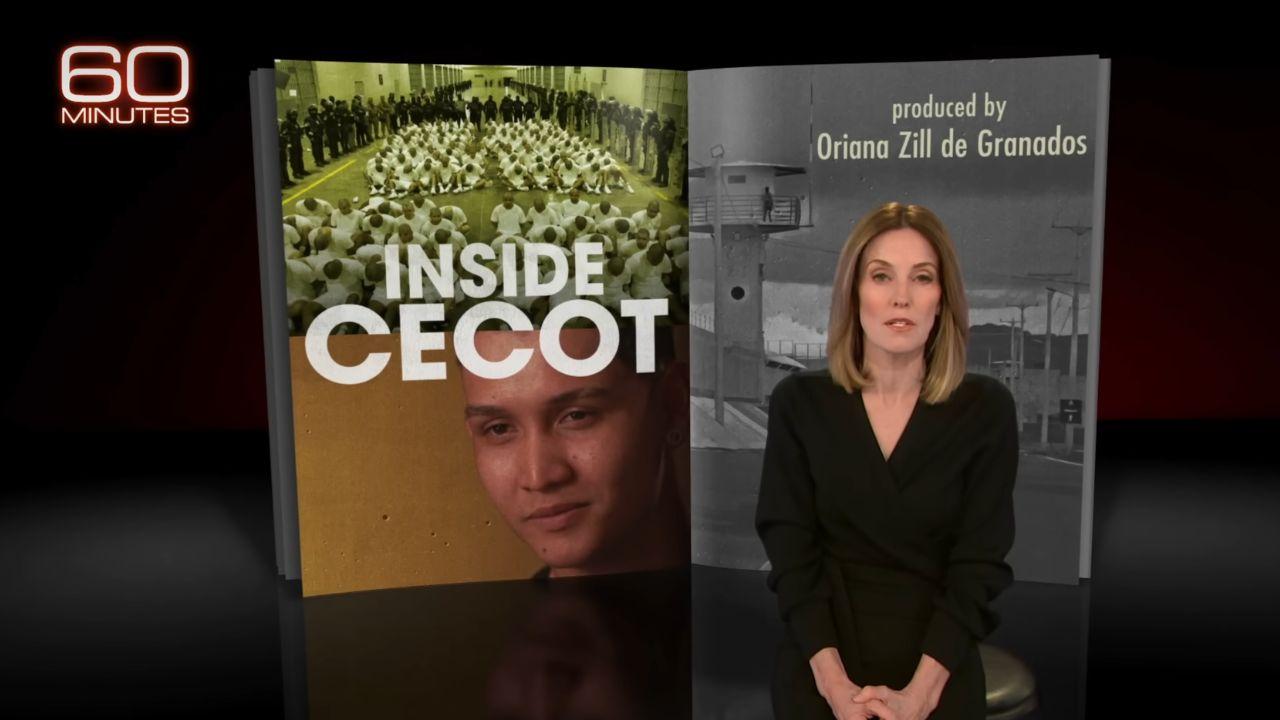
Central to the controversy is the departure of Sharyn Alfonsi, a respected correspondent known for her investigative work on ’60 Minutes’. Alfonsi officially left CBS News in May, a move that, according to Senator Wyden’s report, coincided with the shelving of the Epstein banking investigation. However, Alfonsi herself had previously made public statements about her departure stemming from an "intense editorial dispute" over an unrelated segment concerning El Salvador’s CECOT prison.
In her prior statement, Alfonsi asserted, "This was not a routine corporate transition; it was a deliberate choice to penalize a journalist for refusing to sanitize factually accurate reporting, and it sends a chilling message to the entire newsroom." While this earlier dispute was explicitly about the El Salvador piece, Senator Wyden’s report directly links her firing to the Epstein investigation, suggesting a pattern of editorial interference or a confluence of events leading to her exit and the non-airing of sensitive stories. This confluence of events raises significant questions about journalistic autonomy within the network and the broader implications for transparency in major news organizations.
Broader Turmoil at ’60 Minutes’
The allegations surrounding the Epstein banking investigation and Sharyn Alfonsi’s departure are not isolated incidents but rather emerge amidst a period of notable upheaval at ’60 Minutes’. The iconic news program has recently seen the exit of several other prominent figures, signaling a potential shift in its editorial direction or internal dynamics. These departures include correspondent Cecilia Vega, executive editor Tanya Simon, and veteran anchor Scott Pelley.
Such a series of high-profile exits within a relatively short timeframe has fueled speculation and concern within the media industry about the stability and editorial independence of one of America’s most prestigious investigative journalism programs. The claims of a buried Epstein segment, coupled with Alfonsi’s own statements about editorial disputes, add another layer of complexity to this narrative. The ongoing changes at ’60 Minutes’ prompt questions about the future of its investigative journalism model and its capacity to tackle sensitive, high-stakes stories without internal or external pressures.

Responses from Accused Financial Institutions
The financial institutions named in Senator Wyden’s report – JPMorgan Chase, Deutsche Bank, and Bank of America – have each issued their own responses, largely rejecting the report’s conclusions. Their statements aim to defend their compliance records and distance themselves from any alleged wrongdoing related to Jeffrey Epstein’s finances.
JPMorgan Chase, through a statement to Newsweek, "strongly" disagreed with the report’s findings, asserting that they relied on "many false claims contradicted by easily-found public information." This suggests a fundamental disagreement with the factual basis and interpretation presented by the Senate Finance Committee. Bank of America also responded, stating it takes its legal and regulatory obligations seriously and "did not facilitate wrongdoing." Deutsche Bank acknowledged its "historical connection with Jeffrey Epstein," expressing regret and emphasizing its cooperation with regulators and law enforcement. These varied responses highlight the ongoing legal and reputational battles faced by these banks in the aftermath of the Epstein scandal, underscoring the complexities of assigning accountability in such high-profile cases.
The Imperative of Media Integrity and Public Trust
The controversy surrounding the alleged suppression of the ’60 Minutes’ Epstein banking investigation transcends a typical news cycle dispute; it touches upon the fundamental principles of media integrity and public trust. In an era where trust in institutions, including the press, is increasingly scrutinized, allegations of burying a critical investigation can have far-reaching consequences. For ’60 Minutes’, a program built on its reputation for fearless investigative journalism, such claims pose a significant challenge to its credibility.
The public’s demand for accountability regarding Jeffrey Epstein’s vast network of enablers, both financial and social, remains fervent. Any perceived impediment to uncovering the full truth, particularly when it involves major financial institutions, resonates deeply with concerns about systemic power and justice. This incident underscores the vital role of independent journalism in holding powerful entities, including media organizations themselves, to the highest standards of transparency and truth-telling. The unresolved nature of these allegations leaves a shadow over the full scope of Epstein’s financial enablers and the commitment of major news outlets to expose them.
What Lies Ahead for the Epstein Banking Investigation
As CBS News continues to deny the allegations of suppressing its ’60 Minutes’ Epstein banking investigation, the path forward remains unclear for the un-aired segment. The network’s stance that the piece was simply unfinished before the season ended leaves open the possibility of its eventual broadcast, yet no firm commitment has been made. The ongoing scrutiny from political figures like Senator Wyden and the public’s sustained interest in accountability for Jeffrey Epstein’s financial enablers ensure that this story will likely continue to evolve.
The implications for journalistic practice and the relationship between news organizations and public oversight bodies are significant. Whether the full ’60 Minutes’ segment on Epstein’s banking network eventually airs, and in what form, will be closely watched by media critics, political observers, and the public. The saga highlights the persistent tension between the demands of in-depth investigative reporting and the complex internal and external pressures faced by major news institutions. Ultimately, the quest for transparency in Epstein’s financial dealings and the role of those who facilitated them remains a critical, unresolved chapter in the pursuit of justice.