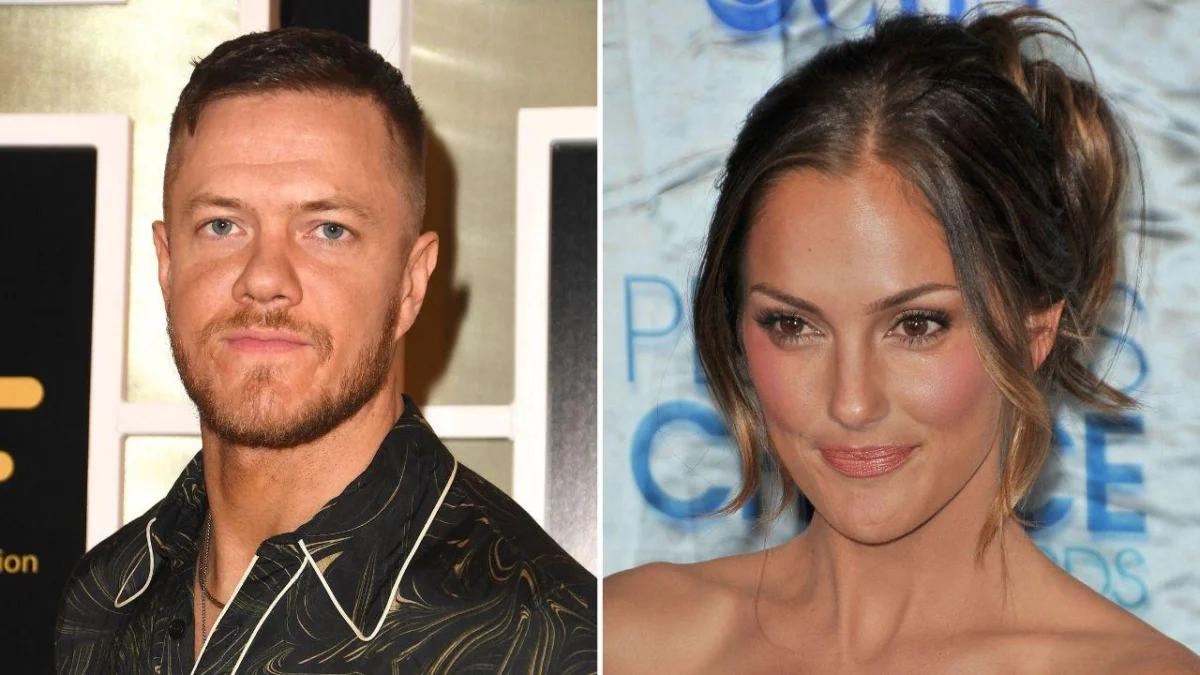
Former adult film star Jenna Jameson has revealed that her conspicuous use of artificial intelligence (AI) generated backgrounds in social media images is not merely a stylistic choice but a critical security measure against persistent online harassment, specifically doxing. The 52-year-old public figure addressed her followers directly via Instagram on Thursday, September 10, explaining that individuals have repeatedly published her home address online, compelling her to obscure any real-world details that could betray her physical location. This clarification recontextualizes previous criticisms she faced regarding the perceived over-editing of her photographs.
Jenna Jameson Reveals Doxing as Reason for AI Backgrounds
Jameson, whose career has spanned decades in the adult entertainment industry, delivered a pointed video message to those she believes are responsible for disseminating her private information. "Hey guys, just popping on here to let you know that if I have an AI background in my photos, that’s because people dox where I live," she stated in the video. She continued, "So I have to change the backgrounds because I have absolute psychos that dox my literal address online, and you know who you are." Her tone conveyed both frustration and a clear warning to her harassers, emphasizing the non-negotiable nature of these digital alterations for her safety.
She urged her critics to cease their complaints about the edited images, framing the issue as one of basic personal security rather than aesthetic preference. "So let’s not get mad when I change my backgrounds. See how that works? It’s not rocket science," Jameson concluded, highlighting the simplicity of her reasoning. This direct appeal underscores the severe impact of online harassment on public figures, who often navigate a precarious balance between maintaining a public presence and safeguarding their private lives.

Understanding the Threat of Doxing
The practice Jameson described, known as "doxing," is a severe form of online harassment involving the research and broadcast of an individual’s private or identifying information (such as home address, phone number, or place of employment) without their consent. This malicious act is typically carried out with the intent to harass, intimidate, or exact revenge upon the target. For public figures like Jameson, doxing can escalate quickly from online annoyance to real-world danger, inviting stalkers, physical threats, and extreme emotional distress.
Digital safety experts universally condemn doxing as a serious breach of privacy with potentially devastating consequences. The deliberate publication of personal details exposes targets to a range of risks, including physical harm, property damage, and identity theft. The anonymity often afforded by the internet emboldens perpetrators, making it challenging to identify and hold them accountable. This form of cyber-harassment disproportionately impacts women and individuals in the public eye, who are frequently subjected to intense scrutiny and malicious targeting.
AI Backgrounds: A Digital Shield Against Harassment
Jameson’s adoption of AI-generated backgrounds represents a pragmatic response to a tangible safety threat. By digitally altering the environment behind her in photographs, she effectively removes any visual cues that could inadvertently reveal her current residence or immediate surroundings. This technique is part of a broader suite of digital security measures recommended for individuals facing doxing, which also includes disabling location services on devices, scrutinizing metadata in images, and being cautious about sharing personal landmarks.

The use of virtual or AI backgrounds transforms the visual narrative of her posts, shifting focus entirely to Jameson herself while masking any potentially identifying features of her physical location. This method allows her to maintain an active social media presence—a crucial aspect of contemporary public life and personal branding for many celebrities—without compromising her physical security. Her explanation provides a crucial insight into the lengths public figures must go to protect themselves in an era where personal information can be weaponized online.
From Creative Choice to Security Imperative
This recent disclosure marks a significant shift in Jameson’s public explanation for her digitally altered images. In previous months, she had faced a barrage of criticism from social media users who accused her of "over-editing" her photos and using excessive filters, with some claiming the images bore little resemblance to her actual appearance. At the time, Jameson had defended her use of editing tools as a "creative outlet," a common justification among social media users. She even posted an unedited selfie on one occasion to counter a particularly aggressive troll, aiming to demonstrate transparency while asserting her right to artistic expression.
However, her latest statement reframes the entire narrative, elevating the use of AI backgrounds from a matter of artistic preference to one of urgent personal safety. What was once perceived by some as vanity or a desire for an idealized image is now presented as a necessary defense mechanism. This revelation may prompt a reconsideration among her critics, fostering greater understanding and empathy for the complex challenges public figures face in managing their digital presence amidst real-world threats. The ongoing public discourse around image authenticity on social media is now intersected by the more grave concerns of personal security and online harassment.
Navigating Public Scrutiny and Personal Safety

The incident highlights the intensifying challenges public figures encounter in the digital age, where the lines between public and private life are increasingly blurred. Social media platforms, while offering unparalleled opportunities for direct engagement with fans, also serve as fertile ground for malicious actors. Celebrities often find themselves caught between the expectation to share glimpses of their lives and the imperative to protect themselves from those who would exploit such openness.
Digital safety experts consistently advise public figures and individuals at risk of doxing to implement robust privacy settings, regularly review their online footprint, and avoid sharing identifiable background details in photographs or videos. Jameson’s experience serves as a stark reminder that these are not mere suggestions but essential practices in safeguarding one’s well-being in a hyper-connected world. The psychological toll of living under the constant threat of doxing, knowing that one’s personal sanctuary could be compromised, is immense, leading to anxiety, fear, and a pervasive sense of vulnerability.
The Broader Landscape of Online Harassment for Public Figures
Jameson’s situation is not isolated; countless public figures, particularly women, grapple with various forms of online harassment, including doxing, cyberstalking, and targeted abuse. These incidents underscore a systemic problem within online communities where accountability is often lacking, and the boundaries of acceptable behavior are frequently pushed. The ease with which personal information can be found and shared online exacerbates the issue, making it a persistent concern for anyone with a public profile.
Social media companies continually face pressure to implement stronger protections and more effective moderation policies to combat such harassment. While some platforms have introduced measures to report doxing and remove private information, the sheer volume of content and the sophisticated tactics employed by harassers make enforcement a formidable challenge. The ongoing battle for digital privacy and security necessitates a multi-faceted approach, involving technological solutions, legal frameworks, and a cultural shift towards greater online empathy and respect.

Jameson’s Evolving Public Persona and the Price of Fame
This revelation comes during a notable period of transformation for Jenna Jameson. In the past year, she publicly announced her departure from the adult entertainment industry, expressing a desire for a "new purpose" beyond being defined by her physical appearance. She has also spoken openly about embracing Christianity, signaling a significant shift in her personal and public identity. This summer, she married Milagros Ocampo, further solidifying a new chapter in her life.
These personal milestones suggest a deliberate effort by Jameson to redefine her public image and cultivate a more private, grounded existence. The doxing incidents, therefore, represent a direct threat to this desired new chapter, forcing her to confront the lingering shadows of her past public life even as she strives for a different future. The constant vigilance required to protect her location underscores the enduring price of fame and the persistent challenges of escaping the scrutiny that comes with being a recognizable public figure.
Digital Security Measures in the Age of Constant Connectivity
For individuals, especially those with any level of public visibility, the incident serves as a crucial case study in digital hygiene. Experts recommend several proactive steps to minimize the risk of doxing: conducting regular "privacy audits" of one’s online presence, ensuring strong and unique passwords for all accounts, and being judicious about the personal details shared on social media, even in seemingly innocuous posts. Using virtual private networks (VPNs) and being wary of public Wi-Fi networks can also add layers of protection.

Furthermore, it is critical for anyone experiencing doxing or online harassment to document all incidents, including screenshots and timestamps, and to report them to the relevant social media platforms and, if the threats escalate, to law enforcement. These actions, combined with the strategic use of tools like AI backgrounds, form a comprehensive defense against the pervasive and dangerous nature of online attacks. Jameson’s candid admission brings much-needed attention to the reality faced by many who find their personal safety compromised by malicious online actors.
A Call for Greater Online Accountability
Jenna Jameson’s explanation about her use of AI backgrounds transcends mere celebrity news; it highlights a serious societal issue concerning online privacy, personal safety, and the unchecked power of malicious individuals in digital spaces. Her direct confrontation with those doxing her location serves as a powerful reminder of the very real and often terrifying consequences of online harassment. As digital lives become increasingly intertwined with physical realities, the need for greater accountability for online actions, robust protective measures, and a more empathetic online culture becomes ever more critical. The ongoing struggle of public figures like Jameson to maintain their privacy and safety in a hyper-exposed world underscores the urgent need for collective action to combat cyber-harassment and ensure a safer digital environment for everyone.