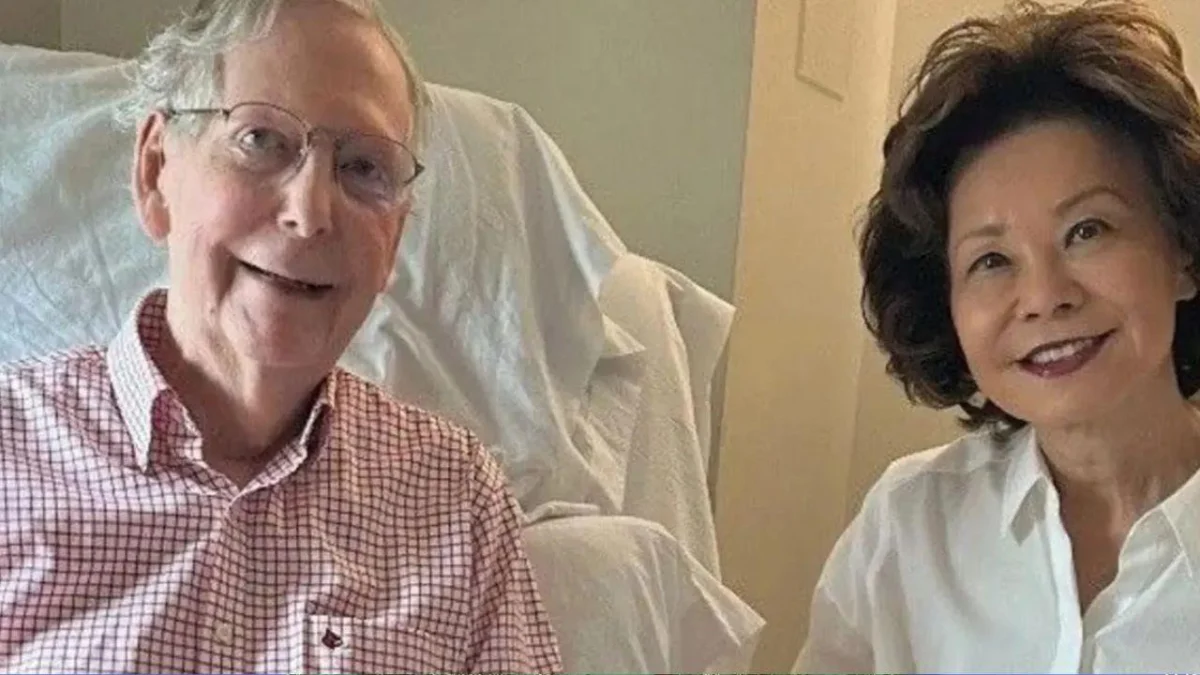
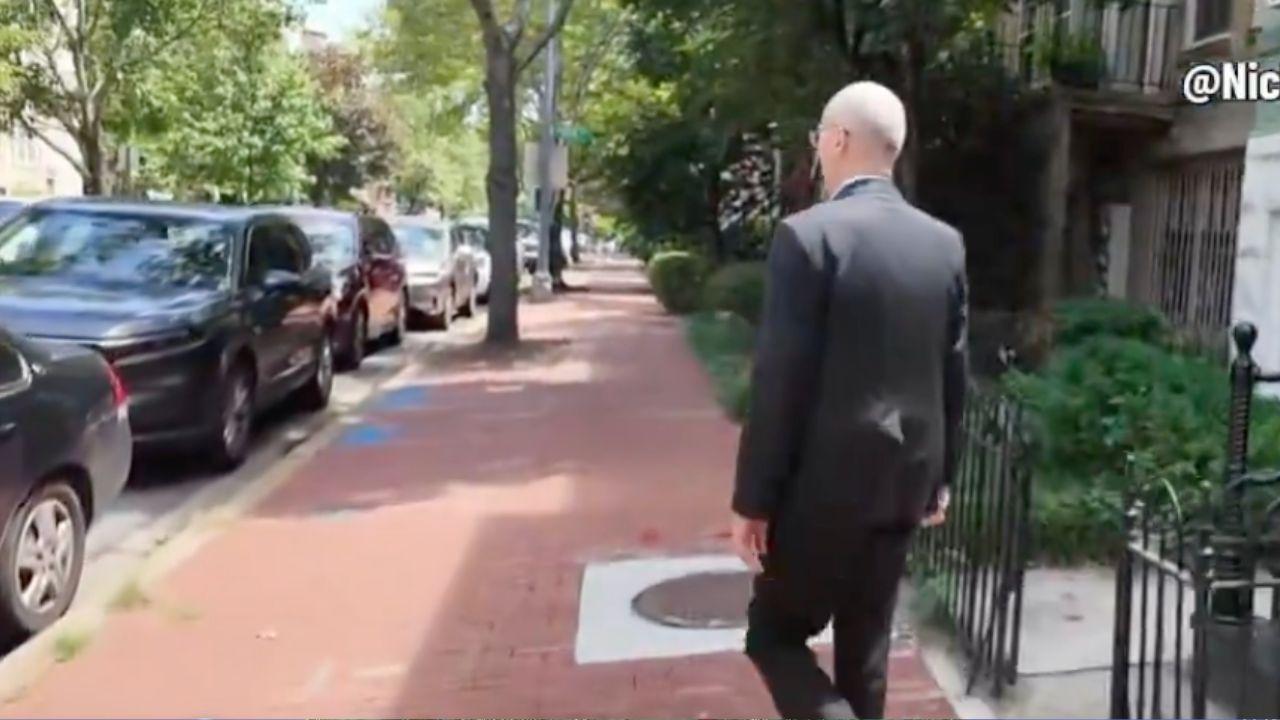
Amid mounting concerns over the health and prolonged public absence of Senate Republican Leader Mitch McConnell, his chief of staff, Terry Carmack, declined to answer reporters’ questions outside the lawmaker’s Washington, D.C., residence on August 6, 2026. The 84-year-old Kentucky senator had recently been discharged from a rehabilitation center after nearly two months of hospitalization and recovery following a severe fall. The brief interaction, captured on video, highlighted the ongoing opacity surrounding McConnell’s condition and his team’s reluctance to provide detailed updates to the public.
Background: A Prolonged Absence from the Public Eye
Senator McConnell, a pivotal figure in American politics and the longest-serving Senate Republican Leader, has been conspicuously absent from public view since his hospitalization in mid-June. His advanced age and critical role in congressional leadership have fueled intense media scrutiny and public speculation regarding the severity of his health challenges and his capacity to resume full duties. The lack of direct public appearances or comprehensive updates from his office has created a vacuum, which has been filled by concern and calls for greater transparency.
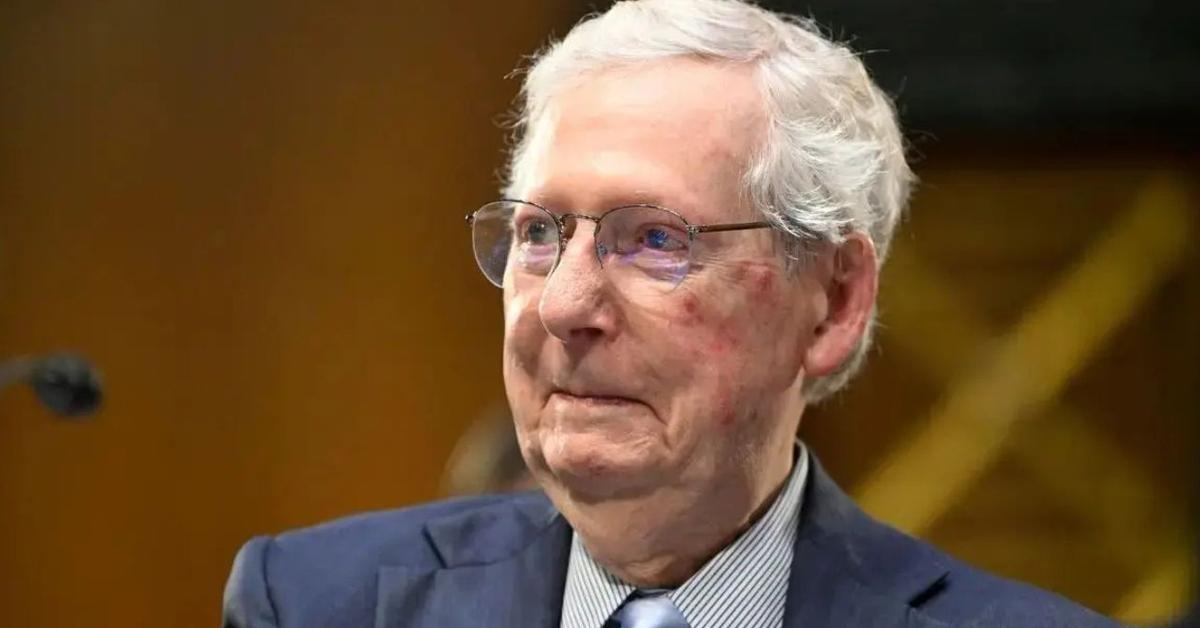
The incident involving his chief of staff occurred shortly after McConnell’s announced discharge from a rehabilitation facility, marking a transition in his recovery but not an end to the questions surrounding his well-being. A healthcare worker was observed entering the senator’s home, further indicating the need for continued medical support following his intensive treatment.
The Incident: Chief of Staff’s Evasion Under Scrutiny
Terry Carmack, Senator McConnell’s chief of staff, reportedly earning an annual salary of $226,850, was confronted by political correspondent Nicholas Ballasy outside McConnell’s home. Despite direct inquiries about the senator’s health and recovery, Carmack remained silent, offering no comments or updates before entering the residence. This refusal to engage with the press has drawn criticism, with many arguing that a public official of McConnell’s stature, and his highly compensated staff, have an obligation to keep constituents and the broader public informed, especially during a period of extended incapacitation.
The brief video clip circulated widely on social media, amplifying the public’s frustration over the perceived lack of transparency. The incident underscored the delicate balance between a public figure’s right to privacy and the public’s legitimate interest in the health status of a key legislative leader whose decisions profoundly affect national policy.
A Timeline of Senator McConnell’s Health Crisis
The current concerns stem from a series of events that began earlier in the year. While specifics about an initial fall are vague, the more serious incident occurred in June 2026.
- June 14, 2026: Senator McConnell was found unconscious at his Washington, D.C., home. Emergency responders administered CPR before transporting him to a medical center. Reports later indicated he had suffered cardiac arrest, a severe medical emergency that requires immediate and intensive care.
- June 14 – August 6, 2026: McConnell remained hospitalized and subsequently entered a rehabilitation facility. During this period, public information was scarce, contributing to widespread speculation. His office released a statement on July 11, noting, "Senator McConnell appreciates the outpouring of support he’s receiving while he continues his recovery in the hospital. The senator continues to improve and is working closely with his staff on Kentucky and Senate matters while the Senate is out of session. Thanks for continuing to check in." This statement, while positive, offered little in the way of specific medical details or a clear timeline for his return.
- August 6, 2026: Senator McConnell was discharged from the rehabilitation center. He released a statement via social media, expressing gratitude for support and care, and stating, "I was discharged from the rehabilitation center to continue my recovery at home. Elaine and I are grateful for the many well wishes and support from friends, colleagues, and Kentuckians, and for the attentive care I’ve received from excellent doctors, nurses, therapists, and hospital staff." He added that he would "maintain an intensive regimen of physical therapy from home… and I’ll continue to engage with my staff and colleagues on important Senate business."
- August 8, 2026: Social media footage showed two MCombo power lift recliners being delivered to McConnell’s Washington D.C. residence. These specialized chairs are designed to aid individuals with mobility issues, seniors, or post-surgery patients in safely sitting down and standing up, suggesting ongoing physical limitations as part of his recovery.
Questions of Transparency and Public Accountability
The extended period without direct public appearances by Senator McConnell, coupled with the Chief of Staff’s silence, has reignited a broader debate about political transparency and the public’s right to know about the health of their elected officials. For a leader holding such significant sway over national policy, particularly an 84-year-old with a recent history of serious medical events, the expectation of clear and consistent communication from his office is high.

Critics argue that withholding information about a senator’s health, especially one who serves in a leadership capacity, can undermine public trust and raise concerns about decision-making capacity. While privacy is a fundamental right, the unique demands of public office often necessitate a higher degree of disclosure, particularly when health issues impact an official’s ability to perform their duties. Historical precedents show varied approaches, but recent trends lean towards more openness, particularly when an official is unable to appear or speak publicly for an extended duration.
The Indispensable Role of Mitch McConnell’s Chief of Staff Amid Uncertainty
Terry Carmack’s position as Mitch McConnell’s Chief of Staff places him at the nexus of the senator’s legislative, political, and personal operations. In the absence of a fully operational senator, the chief of staff becomes a critical conduit for information, managing the flow between the senator, his staff, congressional colleagues, and the public. During McConnell’s recovery, Carmack’s responsibilities would undoubtedly expand to include overseeing the continuity of Senate business, maintaining communication with Republican senators, and ensuring that constituent services continue uninterrupted.
The decision by Mitch McConnell’s Chief of Staff to remain silent in the face of direct questions, while potentially following the senator’s directives or a broader communications strategy, reflects the tight control exercised over information during this sensitive period. It also highlights the immense pressure on top aides to manage their principal’s public image and political standing during health crises. The salary attached to such a role underscores the high level of responsibility and the expectation of navigating complex public relations challenges effectively.

Impact on Senate and Republican Leadership
Senator McConnell’s prolonged absence, even during a state work period when the Senate is not in session, has significant implications for Republican leadership and the broader legislative agenda. As the Senate Republican Leader, McConnell plays a crucial role in shaping party strategy, negotiating with the opposing party, and shepherding legislation. His absence potentially leaves a void in strategic planning and communication, which could affect the party’s cohesion and effectiveness upon the Senate’s return.
While other Republican leaders would naturally step up in his stead, McConnell’s unique experience and influence are not easily replicated. His ability to rally his caucus, articulate a clear vision, and engage in high-stakes negotiations is a cornerstone of his leadership. Any prolonged or perceived uncertainty about his return to full capacity could spark internal discussions within the Republican Party about future leadership and succession, though such conversations would likely remain private and speculative in the short term. The prospect of a key leader undergoing intensive physical therapy from home suggests that a full, immediate return to the demanding schedule of Senate leadership might be challenging.
Recovery and Future Outlook for the Kentucky Senator
McConnell’s statement about an "intensive regimen of physical therapy from home" indicates a serious and ongoing recovery process. The sighting of power lift recliners further corroborates the need for specialized equipment to aid his mobility and comfort during this period. While such measures are common for individuals recovering from significant falls or medical events, for a high-profile politician, they serve as tangible evidence of the physical challenges he faces.
The focus on home-based physical therapy suggests a gradual return to activity, prioritizing rehabilitation over an immediate resumption of public duties. While his office emphasized his continued engagement with staff and colleagues on Senate business, the full extent of his participation and his timeline for returning to the Capitol remain unconfirmed. The public and his colleagues will be watching closely for more definitive signs of his recovery and a clearer indication of when the powerful Kentucky Senator might fully return to the public arena.
As the political landscape continues to evolve, the health status of its key players remains a subject of intense interest and consequence. The ongoing silence from Mitch McConnell’s Chief of Staff and the limited information provided by his office ensure that questions surrounding the veteran lawmaker’s recovery and his future role in the Senate will persist, underscoring the delicate balance between personal privacy and public accountability in high office.