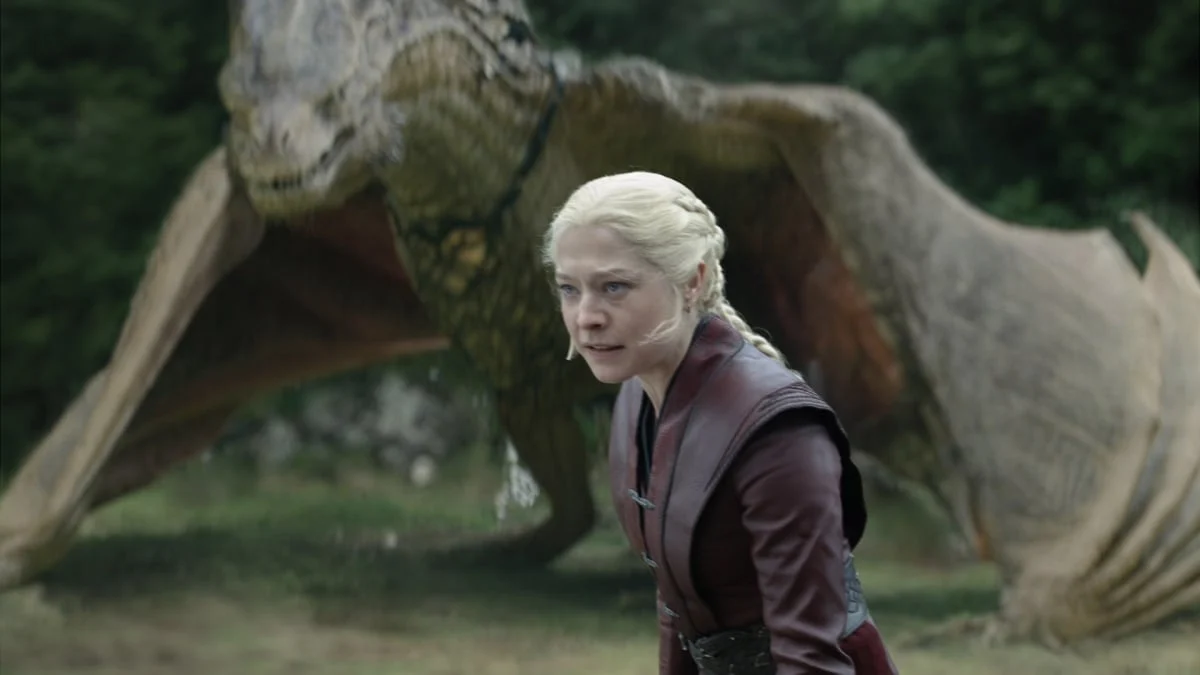
HBO has officially confirmed that the final chapter of the Targaryen civil war is scheduled for a 2028 release, marking the conclusion of the critically acclaimed "Game of Thrones" prequel. The premium cable network announced the Season 4 renewal in November 2025, solidifying the production timeline for the remainder of the series while simultaneously greenlighting a second season for the upcoming spin-off, "A Knight of the Seven Kingdoms." This strategic scheduling ensures that the "World of Westeros" remains a consistent fixture on the HBO release calendar, even as production cycles for high-budget fantasy epics continue to lengthen.
The announcement comes on the heels of a climactic third season that culminated in the devastating Battle of Tumbleton, a pivotal moment in the "Dance of the Dragons" conflict. While the exact premiere date remains unannounced, industry insiders and historical data suggest a summer launch, maintaining the show’s status as a cornerstone of HBO’s mid-year programming. Season 1 debuted in August 2022, followed by Season 2 and Season 3 premieres in June of their respective years.
Production Timelines and the 2028 Release Window
The four-year gap between the present and the series finale reflects the massive scale of modern prestige television. Production for the final season has not yet commenced, as the writing and pre-production phases for "House of the Dragon" typically require several months of preparation before cameras begin to roll. The 2028 target for Season 4 follows a biennial release pattern that has become the standard for visual-effects-heavy productions in the streaming era.
Warner Bros. Discovery, the parent company of HBO, has outlined a staggered release strategy for its George R.R. Martin-inspired properties. Under this plan, 2027 will see the release of "A Knight of the Seven Kingdoms" Season 2, serving as a bridge for subscribers during the "House of the Dragon" hiatus. This "off-year" strategy is designed to mitigate the long wait times that have become a point of contention among fans who remember the annual release cycle of the original "Game of Thrones" series.
The complexity of filming "House of the Dragon" involves massive international sets, primarily based at Warner Bros. Studios Leavesden in the United Kingdom, along with location shoots in Spain and Portugal. The post-production phase is equally intensive, requiring thousands of hours of digital effects work to render the show’s titular dragons and large-scale aerial battles. These technical requirements make a shorter production cycle nearly impossible without sacrificing the visual fidelity that has become a hallmark of the franchise.
When is ‘House of the Dragon’ Season 4 coming out as the series finale?
The fourth season is widely expected to be the show’s last, a decision that aligns with the creative vision of showrunner Ryan Condal. During a 2024 press conference following the conclusion of the second season, Condal confirmed that the narrative arc for the Targaryen civil war was designed to span four seasons. This structure allows the writers to cover the major beats of George R.R. Martin’s "Fire & Blood" without overextending the narrative or deviating too far from the historical framework established in the source material.
Condal has reiterated this commitment throughout the press tours for subsequent seasons, stating that a four-season plan provides the necessary space to explore the internal collapse of the Targaryen dynasty. While HBO has historically been open to extending its most successful franchises, the definitive nature of the "Dance of the Dragons" story—which has a clear beginning, middle, and end in the annals of Westerosi history—lends itself to a finite conclusion.
The decision to end with Season 4 also addresses the logistical challenges of maintaining a sprawling ensemble cast over several years. Lead actors Emma D’Arcy, Matt Smith, and Olivia Cooke have become central figures in the cultural zeitgeist, and the four-season commitment allows the production to conclude while the series remains at the height of its popularity and critical acclaim.
The Narrative Trajectory: From Tumbleton to the Final Conflict
The plot of the fourth season will pick up in the immediate aftermath of the bloody engagements of Season 3. The Battle of Tumbleton, which served as the centerpiece of the third season finale, has fundamentally shifted the balance of power between Rhaenyra Targaryen’s "Blacks" and the "Greens" led by the faction of Aegon II. As the civil war enters its final, most desperate phase, the stakes have moved beyond mere political maneuvering into a scorched-earth struggle for survival.
Viewers can expect the final season to delve into the "Rhaenyra in King’s Landing" arc, a period defined by increasing paranoia, economic collapse, and the tragic consequences of absolute power. The narrative will likely focus on the crumbling infrastructure of the Seven Kingdoms as the war drains the treasury and turns the common folk against their dragon-riding overlords. The psychological toll on the remaining characters—many of whom have lost children, siblings, and dragons—will be a central theme as the series moves toward its conclusion.
The final season is also expected to feature the Storming of the Dragonpit, one of the most significant and tragic events in the lore of "Fire & Blood." This event represents the ultimate consequence of the Targaryen infighting, as the civilian population of King’s Landing, driven to a frenzy by religious fervor and starvation, takes up arms against the dragons themselves. The realization of this sequence will likely be the most ambitious undertaking in the show’s history, both in terms of choreography and digital effects.
Impact on the Television Landscape and HBO Strategy
The scheduling of "House of the Dragon" Season 4 is a clear indicator of how HBO intends to manage its most valuable intellectual property. By alternating years with "A Knight of the Seven Kingdoms," the network is attempting to create a year-round presence for the Westeros franchise. This model mirrors the strategies used by Disney with its Marvel and Star Wars properties, though HBO has maintained a more measured pace to preserve the "prestige" branding of its content.
The financial implications are significant. "House of the Dragon" remains one of the most expensive shows on television, with budgets estimated to exceed $200 million per season. For Warner Bros. Discovery, the show is a primary driver for Max (formerly HBO Max) subscriptions. The two-year wait for Season 4 is a calculated risk; while it risks "fan fatigue" or a loss of momentum, it also ensures that the final product meets the high expectations of a global audience and maintains the brand’s integrity.
Furthermore, the conclusion of "House of the Dragon" in 2028 will likely coincide with the development of other spin-offs. Reports have circulated regarding potential series based on "Aegon’s Conquest" or the "Ten Thousand Ships" of Nymeria. By finishing the "Dance of the Dragons" story, HBO clears the stage for the next era of Westerosi history, ensuring the franchise remains fresh by rotating through different time periods and tones.
Industry Trends and the "New Normal" of Streaming
The question of "When is ‘House of the Dragon’ Season 4 coming out?" highlights a broader trend in the television industry: the death of the annual season. In the 2000s and early 2010s, networks like HBO and AMC consistently delivered new seasons of "The Sopranos," "Mad Men," and "Game of Thrones" every 12 months. However, the increasing complexity of production, the demand for cinematic-quality visuals, and the shift toward serialized storytelling have pushed these windows to 18 or 24 months.
This shift has changed the way audiences consume television. Shows are now treated more like multi-part film franchises than traditional TV series. This evolution requires a higher level of audience engagement and memory, as fans must recall intricate plot details across multi-year gaps. To combat this, HBO has leaned heavily into social media engagement, "behind-the-scenes" specials, and companion podcasts to keep the conversation alive during the long hiatuses.
The 2028 release window for Season 4 also places the show in a competitive landscape that will likely include the final seasons of other major streaming epics. By locking in its timeline now, HBO is signaling its confidence in the longevity of the Targaryen saga, even as the broader media environment continues to fluctuate.
Anticipation and Public Reaction
The public response to the 2028 timeline has been a mix of anticipation and frustration. On social media platforms, fans have expressed disappointment at the four-year wait for the conclusion of a story that began in 2022. However, there is also a general consensus among the core fanbase that the quality of the production justifies the delay. The success of Season 2 and Season 3 in maintaining high viewership numbers suggests that the "House of the Dragon" audience is willing to wait for a high-quality conclusion.
Critical reception will be a key factor in the lead-up to 2028. As the show moves into its final act, the pressure on Ryan Condal and the writing team to deliver a satisfying ending—especially given the divisive nature of the "Game of Thrones" series finale—is immense. The four-season plan is seen by many as a way to avoid the pacing issues that plagued the final years of the original series, providing a more structured and faithful adaptation of Martin’s work.
As the production moves toward its eventual start date, more details regarding casting for new roles and specific filming locations are expected to emerge. For now, the "House of the Dragon" faithful must settle in for a long winter of waiting, with the knowledge that the final battle for the Iron Throne is officially on the calendar for 2028. The end of the Targaryen dynasty’s greatest internal conflict is in sight, promising a dark, bloody, and definitive conclusion to one of the most ambitious stories in modern television history.