
Veteran actress Hayley Mills, celebrated for her iconic child roles in classic Disney productions such as Pollyanna and The Parent Trap, recently shed light on the substantial financial setbacks she endured, effectively losing her accumulated Disney fortune to exorbitant tax rates. The revelation came during a candid discussion on "The Rosebud Podcast" with her sister, Juliet Mills, coinciding with her 80th birthday celebration, exposing a challenging financial reality from her formative years in Hollywood.
The Golden Age of a Child Star and Its Hidden Costs
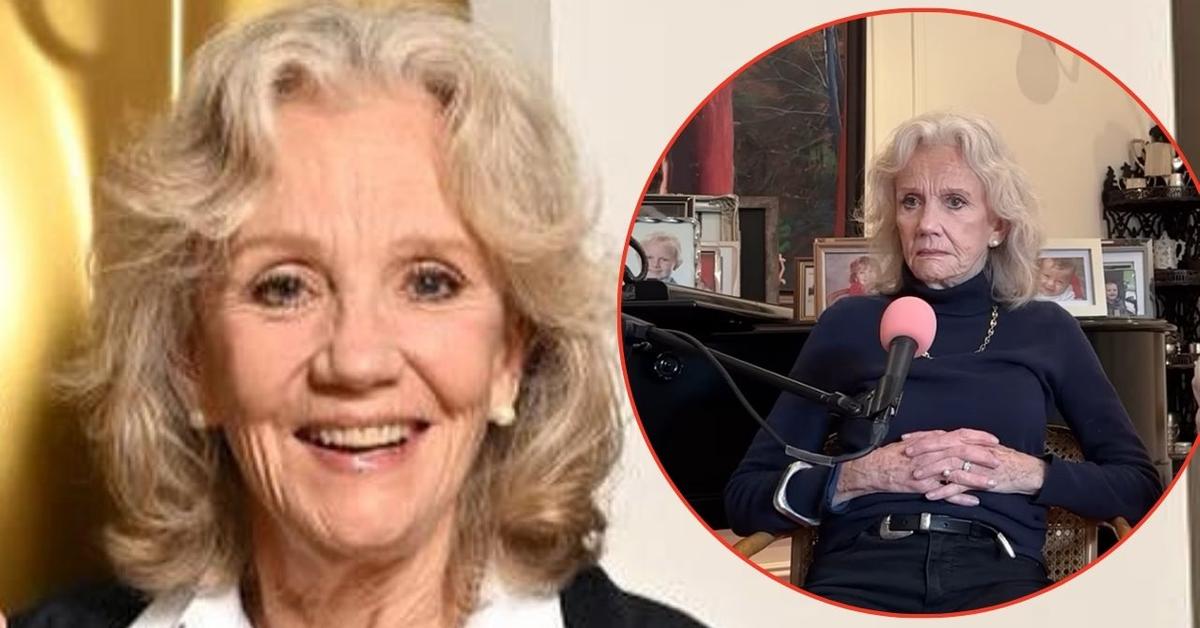
Hayley Mills rose to international stardom in the early 1960s, becoming one of Disney’s most cherished assets. Her talent captivated audiences, leading to a string of successful films that solidified her status as a global sensation. During this period, substantial earnings were placed into a trust fund, a common practice for child actors designed to safeguard their future wealth until adulthood. However, the financial planning for Mills’ earnings was critically undermined by the prevailing tax landscape in the United Kingdom, where she was a resident and where the trust was presumably structured.
The British government, grappling with post-World War II economic recovery and funding for a burgeoning welfare state, maintained exceptionally high income tax rates during the 1960s and 1970s. For top earners, marginal tax rates could reach as high as 90-95 percent on unearned income or investment gains, often referred to colloquially as a "super tax" or "surtax." This aggressive taxation policy was designed to redistribute wealth and stabilize the economy, but it inadvertently created a precarious situation for individuals with significant earnings, particularly those whose funds were held in trusts that became subject to these rates upon maturity.
The Unfolding Financial Ordeal
During her podcast appearance, when host Gyles Brandreth questioned her about the immense wealth she must have amassed during her prolific Disney years, Mills responded with stark candor: "I gave it to the tax man." She elaborated on how a staggering 90 percent "super tax" dramatically eroded her trust fund, leaving her with a fraction of what she had earned. This situation, she noted, was partly influenced by the "innocence" and "optimism" of her father, the esteemed British actor Sir John Mills, who, like many artists of his generation, relied on financial advisors for complex fiscal matters. Juliet Mills confirmed this, explaining, "He had a business manager who made those sorts of decisions."
The expectation for Hayley was that upon reaching her 21st birthday, she would gain access to the substantial earnings she had generated throughout her childhood career. However, this anticipation was met with a grim notice from the Inland Revenue (the UK’s tax authority at the time). The communication bluntly informed her, "Thank you. You owe us 90 percent of your earnings." For a young woman coming of age, with no background in complex financial accounting, the shock was profound. Mills admitted her struggle with understanding the figures, confessing, "I’ve never been good at figures."
Legal Battles and Denied Appeals

Faced with this monumental tax bill, Hayley Mills sought legal recourse to challenge what she perceived as an unjust demand. Her initial efforts yielded a glimmer of hope. Lord Denning, a highly respected and influential judge in England, sided with Mills, agreeing that the taxation of her earnings in such an extreme manner was fundamentally unfair. This ruling momentarily suggested a victory for the actress, potentially allowing her to reclaim a significant portion of her lost Disney fortune.
However, the legal saga took a devastating turn when Lord Denning’s decision was subsequently overturned by the House of Lords, the highest court of appeal in the UK at the time. This reversal solidified the Inland Revenue’s claim, leaving Mills ultimately responsible for the exorbitant tax liability. She continued her protracted legal battle against the British government for several years, hoping to overturn the decision and recover her wealth. Regrettably, her appeal was definitively denied in 1975, marking the end of her fight. Mills reflected on the scale of her loss, estimating that if she had won, she would have retained approximately £2 million, a sum equivalent to over $17 million in today’s currency, after adjusting for inflation. This financial blow significantly reshaped her post-Disney life and career trajectory.
Broader Implications for Child Stars and Industry

Hayley Mills’ experience serves as a stark reminder of the unique vulnerabilities faced by child actors, particularly concerning financial management and protection of their earnings. Unlike adult professionals, minors often have little to no control over their contracts, trust funds, or the fiscal strategies employed by their guardians or business managers. This lack of agency can expose them to significant financial risks, especially when coupled with complex or predatory tax policies. While specific regulations like California’s Coogan Law (enacted in 1939) aim to protect child actors’ earnings, similar comprehensive protections were not universally in place or effectively applied in all jurisdictions, particularly for British actors earning in different countries under various tax regimes.
Mills’ story also highlights the broader challenges of transitioning from child stardom to adulthood. Beyond the financial constraints, she spoke of a desire to "spread my wings and have a greater choice" in her career, reflecting the common struggle for identity and autonomy many former child stars face. Her positive remembrance of Walt Disney himself, whom she described as "a great friend of my family" and "a genuinely good man," underscores that her grievance was not with the studio or its founder, but with the systemic financial structures and tax policies of the era.
Historical Tax Landscape and Economic Context

The UK’s tax policies in the mid-20th century were a product of specific historical and economic circumstances. Following two devastating World Wars, the nation undertook massive reconstruction efforts and established a comprehensive welfare state, including the National Health Service. These ambitious social programs required substantial funding, leading successive governments to implement extremely high income and wealth taxes, especially on higher earners and investment income. The "super tax" Hayley Mills faced was part of a broader fiscal strategy to manage national debt and finance public services.
Many high-earning professionals, including entertainers and athletes, found themselves severely impacted by these rates. Some opted to leave the country for tax havens, while others, like Mills, were caught in a system that drastically reduced their accumulated wealth. The complexities of international earnings, particularly for British citizens working for American studios like Disney, further complicated the situation, requiring intricate legal and financial planning that, in Mills’ case, proved insufficient to shield her earnings.
Hayley Mills’ Enduring Legacy and Perspective

Despite the significant financial loss that diminished her Disney fortune, Hayley Mills maintained a resilient and philosophical outlook. She continued to build a successful career, embracing diverse roles in stage productions and television both in the UK and the United States. Her ability to navigate the demanding transition from child star to adult actress, while not without its challenges, stands in contrast to the more tragic trajectories of some of her peers. She expressed gratitude for her experiences, acknowledging that she was "fortunate" compared to many child stars, largely attributing this to the supportive environment provided by Walt Disney and his studio during her early career.
Mills’ reflections provide a valuable historical perspective on the economic realities faced by entertainers in a different era, underscoring the critical importance of robust financial planning and legal protections for young talent. Her story is a testament to resilience, illustrating how even profound financial setbacks can be overcome through continued dedication to one’s craft and a measured perspective on life’s unpredictable turns.