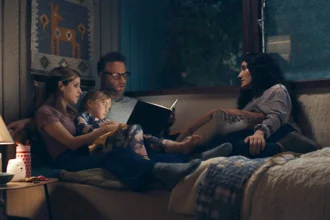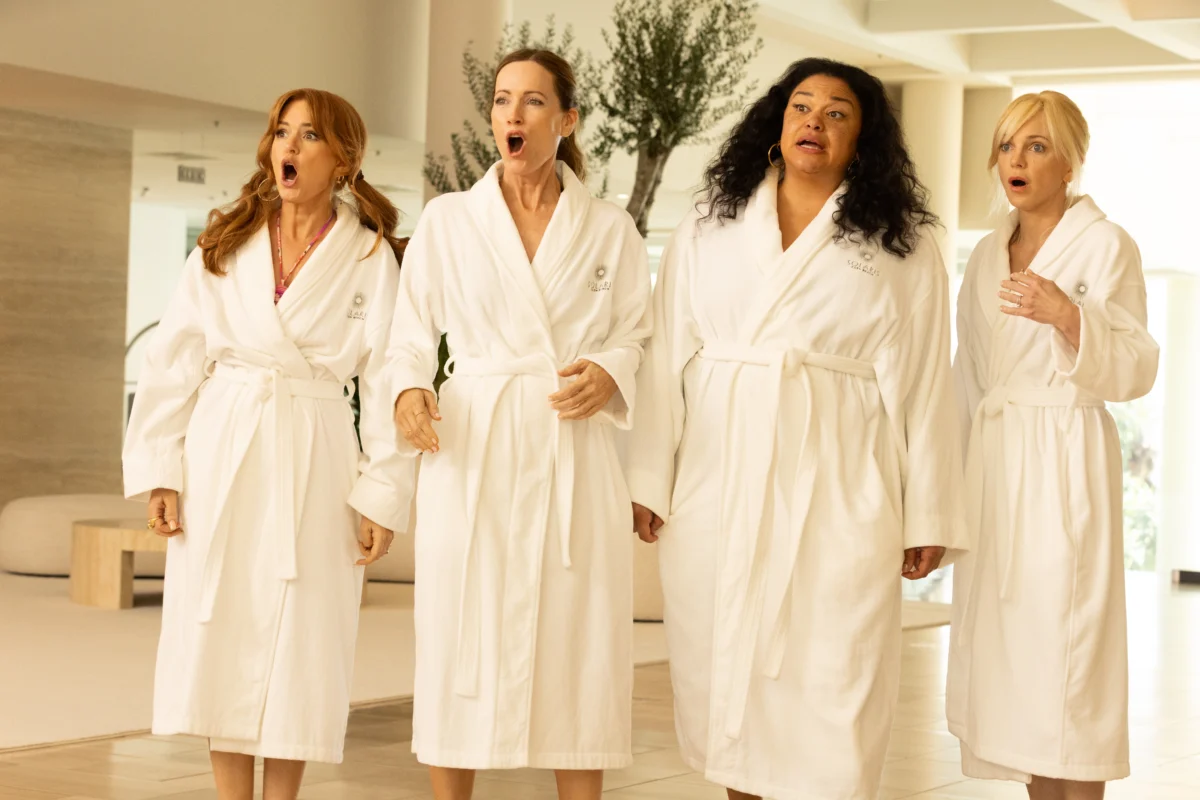
The highly anticipated R-rated comedy, Spa Weekend, has opened to a largely lukewarm critical reception, with many reviewers citing a talented ensemble cast, including Leslie Mann, Isla Fisher, Michelle Buteau, and Anna Faris, as significantly underutilized in a film struggling to find its comedic and emotional footing. Directed by Jon Lucas and Scott Moore, known for their work on Bad Moms, the film attempts to replicate the successful formula of raunchy humor combined with heartfelt moments that propelled hits like Bridesmaids and Girls Trip, but ultimately delivers a disappointing experience that critics describe as bland and uninspired. Released on Friday, August 21, the 1 hour 37 minute feature, rated R, follows a group of friends on a wellness retreat that quickly devolves into chaos, yet fails to generate genuine laughs or emotional resonance.
Background and Context of ‘Spa Weekend’
The landscape of R-rated female-led comedies has seen significant evolution and success over the past decade. Films such as Bridesmaids (2011) and Girls Trip (2017) set a high bar, blending audacious humor with relatable struggles and strong character dynamics. These movies not only achieved critical acclaim but also garnered substantial commercial success, demonstrating a strong audience appetite for stories that feature women in uninhibited, authentic, and often messy comedic situations. They established a blueprint for combining high-stakes hijinks with genuine emotional arcs, proving that female-centric comedies could be both hilarious and deeply resonant.
Jon Lucas and Scott Moore, the writer-director duo behind Spa Weekend, are no strangers to this genre. They previously co-wrote and directed Bad Moms (2016), a commercially successful film that also explored the pressures and escapades of overwhelmed mothers. While Bad Moms resonated with audiences and spawned a sequel, critics often noted its reliance on familiar tropes and a lack of deep character development, a criticism that now seems to follow their latest endeavor. Their established track record in crafting narratives around women seeking liberation from societal expectations set a particular level of anticipation for Spa Weekend.
The casting of Spa Weekend further heightened expectations. Leslie Mann, celebrated for her roles in comedies like Knocked Up and Blockers, brings a distinctive blend of vulnerability and sharp comedic timing. Isla Fisher, known for her energetic and often unhinged performances in films such as Wedding Crashers and Confessions of a Shopaholic, promised a dose of unpredictable humor. Michelle Buteau, a rising star in comedy with her own successful Netflix series, Survival of the Thickest, adds a modern, relatable edge. Anna Faris, a veteran of comedic roles ranging from Scary Movie to The House Bunny, rounds out an impressive ensemble. The collective talent suggested a film poised to deliver memorable performances and uproarious scenes, making the critical disappointment even more pronounced.
The Premise and Execution of ‘Spa Weekend’
Spa Weekend centers on Jane, an overworked Los Angeles lawyer portrayed by Leslie Mann, who decides to book a two-night stay at a wellness retreat. The occasion is her birthday, the specific age of which she prefers not to disclose. The retreat is geographically vague, ostensibly located around Malibu but filmed in Australia, showcasing picturesque sunsets that belie the film’s inner turmoil. Jane’s decision to seek a restorative escape is shared by her two childhood best friends, Sophie and Coco.
Sophie, played by Anna Faris, is depicted as sweet-natured but worn down by a demanding boss. Michelle Buteau’s Coco is hot-tempered, navigating a painful divorce while conspicuously avoiding her unresolved anger management issues. The narrative establishes these women as archetypal "working moms" pulled in multiple directions by family and career obligations, rarely afforded time for self-care. The trip is framed as a desperately needed reprieve, an act of defiance against a society that demands they prioritize everyone else.
A pivotal and frequently criticized element of the Spa Weekend plot involves the seemingly instantaneous decision by the trio to book their getaway. Within minutes of Coco suggesting the idea over brunch, the women transition from claiming they "couldn’t possibly" to having the room booked. Critics noted that this narrative shortcut undermines the very struggles the film attempts to highlight. It suggests that their inability to take a break was merely a lack of willpower, rather than systemic challenges, cheapening the premise of women finally taking control of their self-care. This rapid pacing in the initial setup contributes to a shallow portrayal of their problems, making it difficult for audiences to invest deeply in their characters or their journey.
The dynamic shifts with the introduction of Mel, portrayed by Isla Fisher, as an unwelcome fourth member of the group. Mel is described as "the one woman all the others secretly cannot stand," a character archetype the film presents as universally relatable in female friendships. Her inclusion, initially a "pity invite" from Sophie, immediately injects chaos into the tranquil retreat. Mel arrives with dildos spilling from her suitcase and inappropriate language flowing freely, instantly disrupting the serene environment.
Her presence leads to a series of escalating comedic set pieces, including a guided meditation session devolving into a shouting match, an evening turning into a cocaine-fueled party, and a spa treatment walk culminating in a wild golf cart chase. While intended to be raunchy and destructive, these hijinks are largely described by critics as tame and ineffectual under Lucas and Moore’s direction. Furthermore, Mel’s incessant meddling in her friends’ lives — from confronting Sophie’s boss to propositioning a yoga instructor on Jane’s behalf — is initially portrayed as upsetting and potentially ruinous. The film, however, predictably pivots to argue that the world needs such "hot messes" to jolt others out of their miserable routines. This thematic shift, critics argue, feels unearned, as the characters remain too vague and one-dimensional for the audience to fully embrace the message.
Critical Reception and Broader Implications
The critical consensus surrounding Spa Weekend paints a picture of significant underperformance. Reviewers consistently highlighted the film’s inability to deliver on its promising premise and cast. The R-rated hijinks, intended to be a cornerstone of the comedy, were largely deemed "tame" and lacking the bite seen in genre predecessors. The emotional depth, which is crucial for balancing the raunchier elements in successful ensemble comedies, was described as "shallow," preventing any genuine connection with the characters or their struggles. This disconnect meant that despite the film’s attempts to portray relatable female experiences, it often felt condescending or generic.
A primary point of contention among critics was the perceived "wasted talent" of the stellar ensemble cast. Leslie Mann’s capacity for nuanced comedy and emotional vulnerability, evident in films like Blockers, was reduced to strained efforts. Michelle Buteau, whose authentic and charming portrayal of a heartbroken stylist in Survival of the Thickest earned acclaim, found her character, Coco, underdeveloped and generic. Isla Fisher’s signature upbeat and unhinged energy, a highlight of her career since Wedding Crashers, provided some of the film’s few genuine laughs but ultimately could not elevate the material. Even Anna Faris, celebrated for her willingness to embrace weird and messy roles in films like The House Bunny and Smiley Face, appeared miscast as the mousy Sophie, underscoring the script’s failure to leverage her strengths. These observations reinforce the notion that the film’s script and direction, rather than the actors’ abilities, were the primary weak links.
The reception of Spa Weekend raises questions about the creative trajectory of the R-rated female comedy genre. While films like Bridesmaids invigorated the category with originality and sharp writing, Spa Weekend suggests a potential stagnation or a misapplication of the formula. Critics noted a lack of fresh insight or original humor, indicating a reliance on established tropes without adding anything new or compelling. This failure to innovate, coupled with a perceived lack of effort in character development, may signal a need for stronger scripts and more thoughtful direction within the genre to avoid audience fatigue.
Cultural and Industry Impact
The release of Spa Weekend and its subsequent critical reception carry several implications for both audiences and the film industry. For audiences, particularly the demographic of "overworked moms" the film attempts to target, the disappointment may be particularly acute. The promise of a relatable, cathartic escape, featuring beloved comedic actresses, likely generated significant anticipation. The film’s failure to deliver on this promise could lead to a sense of letdown, potentially impacting future willingness to engage with similar genre offerings if they are perceived as generic or inauthentic. The film’s attempts to address universal female struggles through a lens that felt inauthentic may also alienate the very demographic it sought to represent.
From an industry perspective, Spa Weekend serves as a reminder of the critical importance of a robust script and strong character development, even when bolstered by a talented cast. Hollywood frequently relies on established formulas and proven talent to mitigate risk, but this instance highlights that star power alone cannot compensate for a weak narrative foundation. The film’s Australian shooting location, while offering beautiful backdrops, did not translate into a richer or more specific setting that could enhance the story. The production details, including the R-rating and 97-minute runtime, fit standard industry expectations for such comedies, yet the execution fell short of capturing the magic seen in its predecessors.
The lukewarm critical reception could prompt studios to re-evaluate how they approach R-rated female ensemble comedies. It may encourage a renewed focus on original storytelling, deeper character arcs, and more nuanced comedic writing rather than simply recreating a successful formula. The film’s inability to offer "anything fresh or insightful or even all that amusing" suggests that audiences and critics alike are seeking more than just familiar tropes. The demand for comedies that genuinely reflect and celebrate the complexities of female friendship and life experiences remains high, but the delivery must be authentic and engaging.
Concluding Thoughts
Spa Weekend ultimately stands as a significant missed opportunity, failing to leverage the considerable comedic talents of its cast and the proven appeal of its genre. Despite a promising premise and a lineup of acclaimed actresses, the film struggled with uninspired direction, shallow character development, and a reliance on comedic tropes that felt tired rather than fresh. The critical consensus points to a film that offers little beyond surface-level entertainment, leaving both its stars and its audience underserved.
The outcome of Spa Weekend may serve as a cautionary tale for future productions within the R-rated female ensemble comedy genre. It underscores the necessity for strong, original scripts that provide genuine emotional depth and innovative humor, rather than simply attempting to replicate past successes. For those seeking a truly relaxing escape or a genuinely funny and insightful portrayal of female friendship, critics suggest that the money might be better saved, and the time spent, on more engaging alternatives. The film’s release highlights the ongoing challenge for Hollywood to consistently deliver quality content that lives up to the expectations set by its most celebrated predecessors.