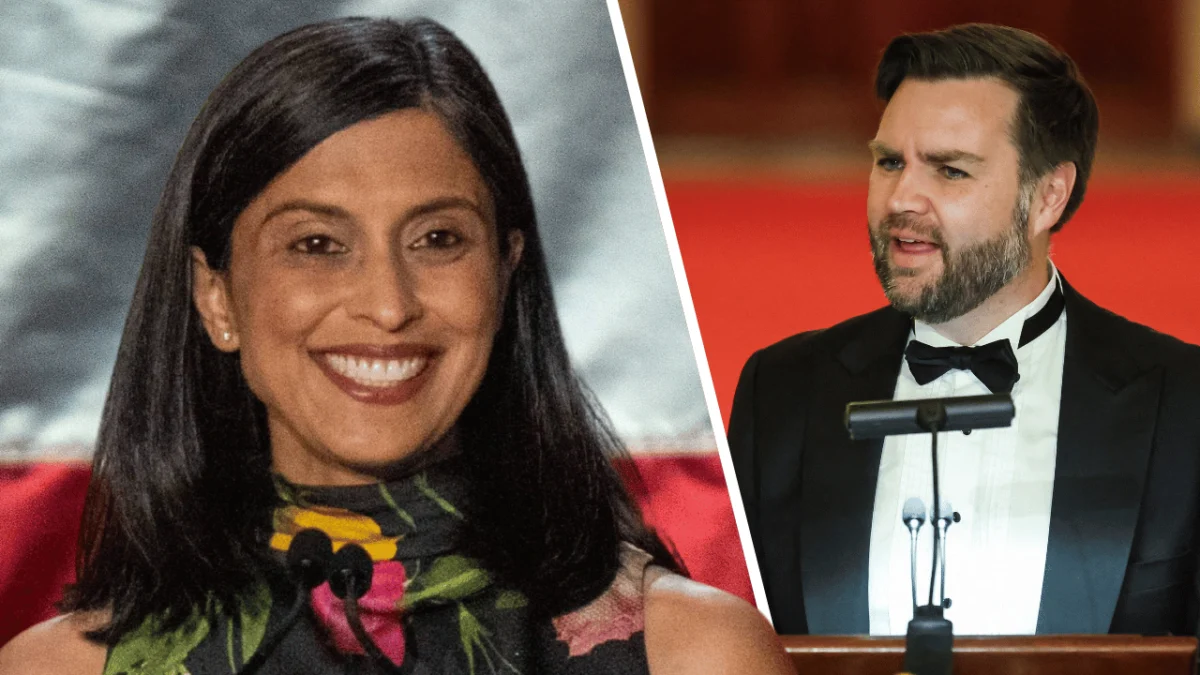
Usha Vance, the Second Lady of the United States, has publicly stated her "open mind and open heart" regarding her husband, Vice President J.D. Vance, potentially seeking the Republican nomination for president in 2028. Speaking in a recent interview on Fox & Friends, Mrs. Vance affirmed her unwavering support for whatever political trajectory the Vice President chooses to pursue, emphasizing the family’s adaptability to the demanding world of national politics. Her comments come amidst burgeoning speculation about the Republican field for the upcoming presidential cycle.
The political landscape for 2028 is already taking shape, even as the nation approaches the critical November midterm elections, which the Vance family is currently prioritizing. Vice President J.D. Vance, who rose to national prominence through his bestselling memoir Hillbilly Elegy and subsequent election to the Senate before joining the current administration’s executive ticket, is widely considered an early frontrunner for the Republican nomination. His journey from venture capitalist and author to a key figure in the nation’s second-highest office has been marked by a swift ascension in conservative circles, positioning him prominently for future leadership bids.
The Evolving Role of Usha Vance
As Second Lady, Usha Vance has increasingly taken on a public role, balancing her legal career with the responsibilities of a high-profile political spouse. Her declaration of an "open mind and open heart" reflects not just personal loyalty but also a pragmatic understanding of the sacrifices and commitments inherent in a presidential campaign. She clarified in a related interview that while she serves as a trusted adviser to her husband, their views do not always align on every policy issue. Notably, she has offered direct counsel, including suggesting a detachment from the often-turbulent world of social media, indicating a desire to navigate the political arena with strategic clarity.
Mrs. Vance’s own initiatives as Second Lady are reportedly centered on children and family advocacy, a portfolio she aims to cultivate throughout the current four-year term. This focus suggests a deliberate effort to carve out her own space and impact, rather than solely anticipating the next campaign cycle. Her ability to manage these duties while supporting her husband’s ambitions underscores the multifaceted demands placed upon political families in Washington.
J.D. Vance and the 2028 Republican Field
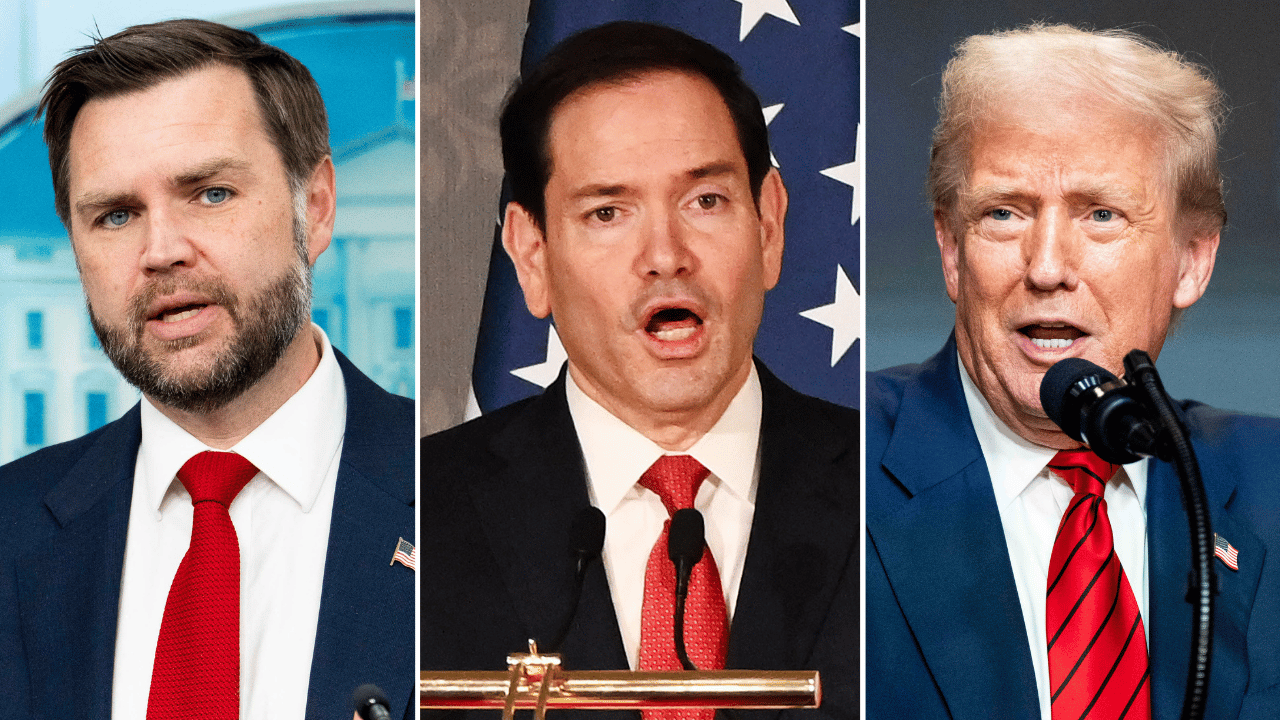
The Republican Party is bracing for what is anticipated to be a highly competitive primary in 2028, as potential candidates vie to succeed President Donald Trump. Vice President J.D. Vance and Secretary of State Marco Rubio have emerged as the leading contenders in early polling, signaling a potential generational shift within the party’s top ranks. Both figures represent different facets of the modern conservative movement, with Vance often embodying a populist, nationalist wing, and Rubio aligning with a more traditional conservative, yet still assertive, foreign policy stance.
Early surveys, though highly speculative this far out from an election, offer initial insights into the party’s preferences. A USA TODAY report indicated Vance leading the field with 42 percent support among Republicans, compared to Rubio’s 18 percent. However, an Emerson College poll presented a much tighter race, placing Vance at 39 percent and Rubio at 38 percent. Such discrepancies highlight the fluidity of public sentiment and the challenges of predicting outcomes years in advance, especially in a party still heavily influenced by its recent past.
Navigating Public Opinion and Political Challenges
Despite his strong standing in Republican primary polls, Vice President J.D. Vance faces significant hurdles in broader public opinion. National polls reveal his favorability ratings are "deeply underwater," a critical indicator for any potential general election candidate. CNN data showed his net approval plummeting to -18 percent, a figure analysts have noted as the lowest for any vice president at this stage of their tenure in modern polling history. This stark contrast between his popularity within the Republican base and his wider national appeal presents a strategic challenge for a presidential campaign.
Vance’s public image has been impacted by a series of political pressures and controversial statements. His favorability took sharp hits following foreign policy challenges, including perceived failures in Iran negotiations, and his vocal defense of controversial foreign leaders such as Hungary’s Viktor Orbán. Orbán, a figure often criticized for his nationalist and anti-democratic tendencies, has been embraced by some elements of the American conservative movement, a stance Vance has publicly aligned with. This alignment, while appealing to a segment of the Republican base, has alienated moderate and independent voters who view it as a departure from traditional U.S. foreign policy.
Furthermore, Vice President Vance’s past rhetorical remarks on sensitive social issues, including abortion, marriage, and the role of women, have continued to draw criticism and alienate crucial voting blocs. His comments, often characterized as culturally conservative and at times provocative, have fueled perceptions of divisiveness. One notable instance involved a widely publicized remark about "childless cat ladies," which he later admitted was "boneheaded," but nevertheless contributed to a narrative that has proven challenging to overcome with centrist voters. These remarks underscore the tightrope walk required of national political figures in an era of heightened media scrutiny and polarized public discourse.
Family Life Amidst High-Stakes Politics
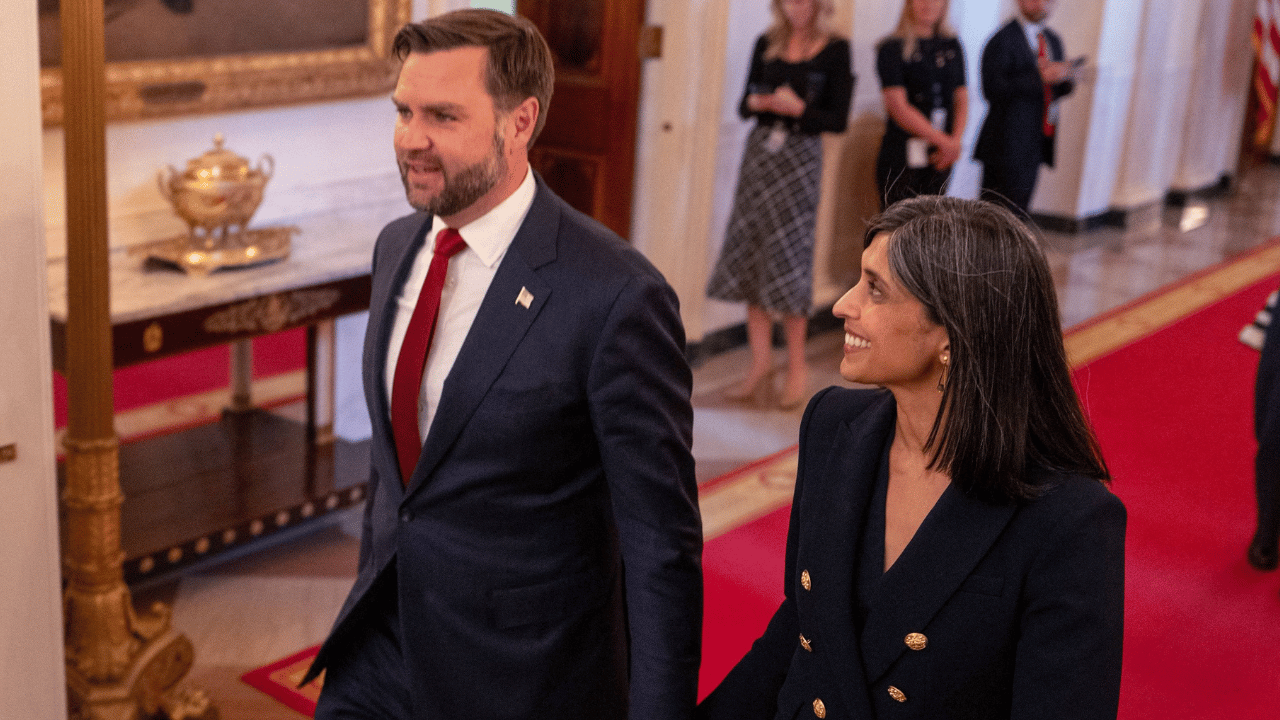
The personal dimension of political ambition often comes with significant family considerations, a reality the Vances have openly discussed. During a recent campaign event, Vice President Vance lightheartedly recounted a conversation with Usha regarding the prospect of expanding their family while navigating the demanding world of executive politics. He revealed that Usha had initially presented him with an ultimatum: "You can be VP, or you can have a fourth child."
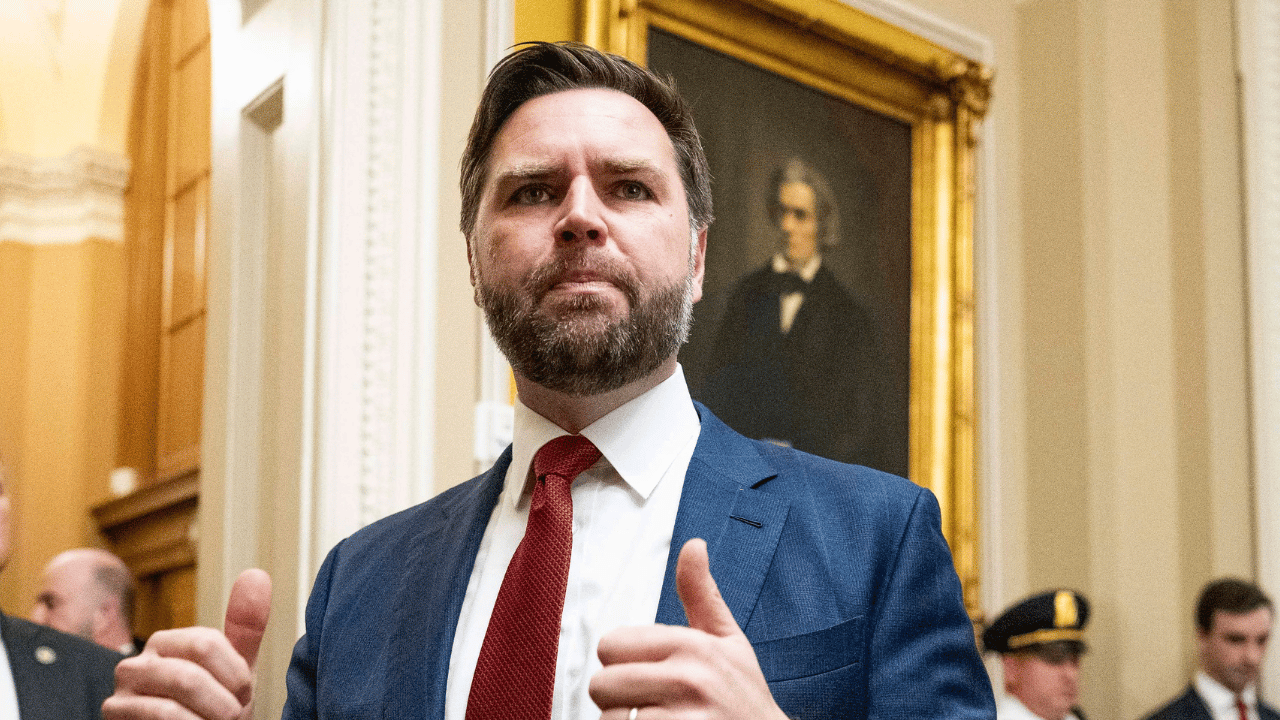
Ultimately, the couple decided to embrace both challenges. Usha Vance gave birth to their fourth child, Alex, just last month. She recently shared that the newborn is remarkably relaxed, and the family is managing the transition to a household of six surprisingly well, a testament to their adaptability and mutual support. This anecdote offers a rare glimpse into the personal sacrifices and compromises that underpin life at the highest echelons of American politics, highlighting the balance between public service and private life.
As Vice President Vance contemplates a potential bid for the presidency, Usha Vance’s public statement reinforces a united front, signaling the family’s readiness for the rigorous demands of a national campaign. Her "open mind and open heart" encapsulate the profound personal commitment required to embark on such a journey, acknowledging the unpredictable nature of political futures while reaffirming a steadfast partnership. The path to 2028 remains long and complex, but the Vances appear prepared for whatever challenges and opportunities lie ahead.