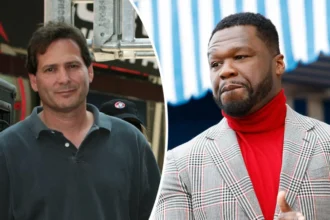
Florida officials have confirmed that golf legend Tiger Woods retains the legal right to operate a golf cart within the state, despite a recent five-year suspension of his standard driver’s license. The clarification comes in the wake of a March rollover crash that led to a no-contest plea on reckless driving charges, sparking public inquiry into the limits of his driving privileges.
The 50-year-old athlete faced legal repercussions following the vehicular incident, culminating in a courtroom decision that significantly impacted his ability to drive conventional automobiles. His driver’s license was revoked for five years as part of a plea agreement. However, the specific legal framework governing golf cart operation in Florida distinguishes these vehicles from cars, thereby allowing Woods to continue their use under certain conditions.
Legal Framework Clarifies Golf Cart Operation

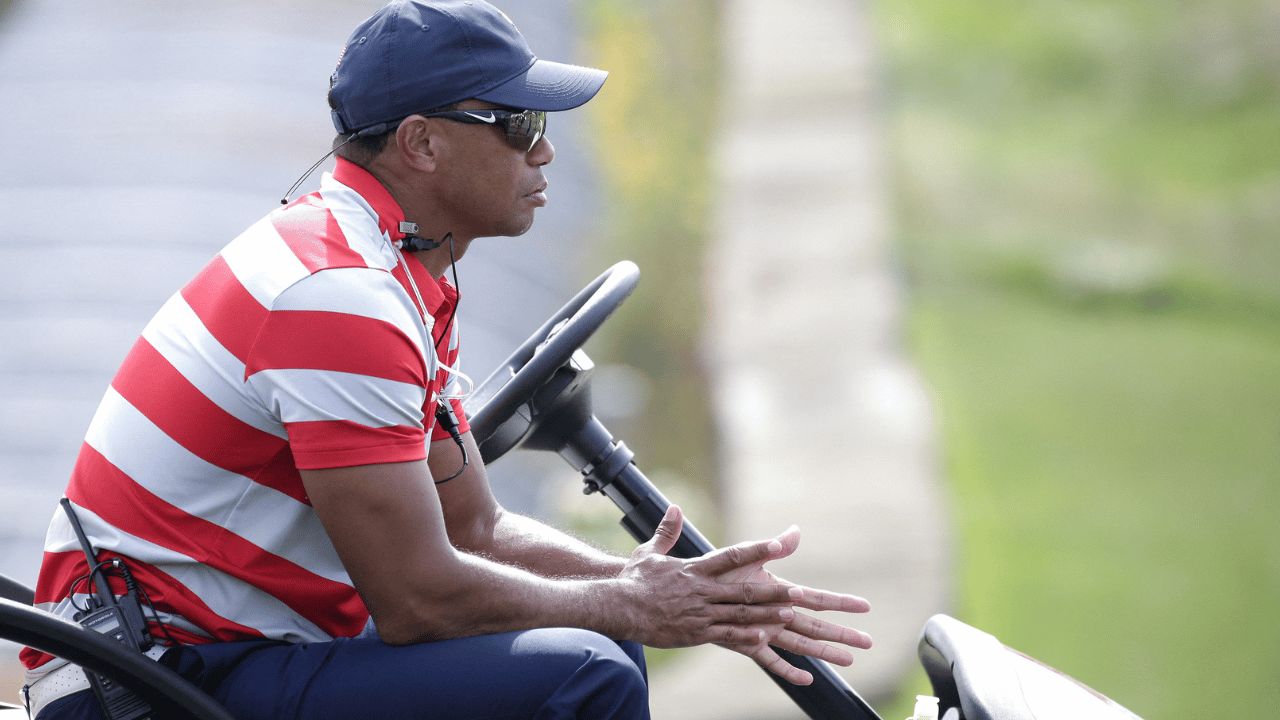
Initial public confusion surrounding Woods’ driving status was swiftly addressed by state authorities. Florida law explicitly permits individuals aged 18 or older to operate a golf cart on both public and private property without requiring a standard driver’s license. This legal distinction proved crucial in determining Woods’ eligibility to continue using golf carts, particularly relevant to his professional life on the greens.
State Attorney Thomas Bakkedahl initially issued a stern warning concerning Woods’ broader driving responsibilities. "If I can send any message to Mr. Woods, it’s simply this: Of all the people in the world who should not get behind the wheel of a car, it’s the gentleman who is one of the most recognizable faces on the planet," Bakkedahl stated, underscoring the intense public scrutiny Woods faces. He further emphasized, "Somebody will see it whether it’s in Georgia or Nevada, New York or where have you. He’s not to drive a car." This statement, however, pertained exclusively to automobiles, not golf carts.
High-Profile Commentary on Tiger Woods’ Golf Cart Privilege
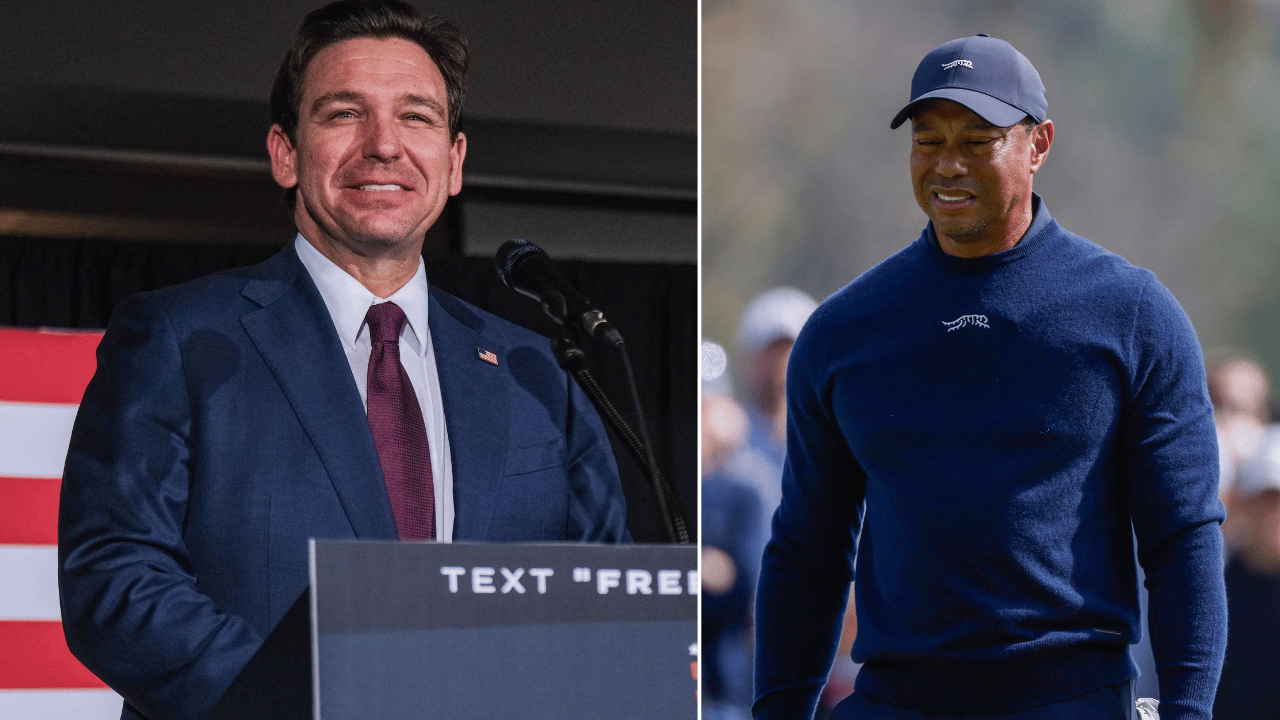
The situation even drew comments from Florida Governor Ron DeSantis, who publicly weighed in on the matter via social media platform X. DeSantis affirmed the common understanding, stating, "Tiger should be able to drive a golf cart on the golf course." The Governor noted that typical driver’s license suspensions do not extend to prohibiting the operation of golf carts on designated golf courses, aligning with established state regulations.

Further solidifying the official stance, the Martin County Sheriff’s Office confirmed that Woods "absolutely can drive a golf cart on a golf course." This reiteration from local law enforcement provided clear guidance on the matter. Nevertheless, the Sheriff’s Office also cautioned that regulations governing golf cart use on county or public roads might vary based on local jurisdictional ordinances, advising careful adherence to specific municipal rules if Woods intends to operate a golf cart beyond private club property.
Details of the March 2026 Rollover Crash
The incident that led to Woods’ recent license suspension occurred on March 27, 2026, when he crashed his Land Rover. The accident took place on Jupiter Island, Florida, after his vehicle clipped a truck, causing the SUV to roll onto its side. Fortunately, Woods emerged from the wreckage uninjured. He informed responding officers that his attention had been diverted by his mobile phone at the time of the crash.
During the investigation at the scene, law enforcement discovered hydrocodone pain pills in Woods’ pocket. Officers also noted visible signs of impairment during field sobriety tests. Despite these observations, a breathalyzer test administered to Woods registered negative for alcohol consumption. He subsequently declined to submit to a urine test.
Tiger Woods’ Extensive Legal History with Driving Incidents
This recent episode marks another chapter in Tiger Woods’ documented legal history involving vehicular incidents, particularly those tied to prescription medication rather than alcohol impairment. His public profile has often magnified these personal challenges.
One notable prior incident occurred on May 29, 2017. On that occasion, police discovered Woods asleep behind the wheel of his Mercedes-Benz, which was stopped in a traffic lane. A breathalyzer test at that time also indicated zero percent alcohol in his system. Woods later explained that he experienced an unanticipated and severe reaction to a combination of prescribed pain and sleep medications he had taken.
In the aftermath of the 2017 incident, Woods entered a no-contest plea to a reduced charge of reckless driving. The court mandated one year of probation, 50 hours of community service, and a $250 fine as part of his sentencing. This previous encounter with the legal system established a precedent for how similar charges might be handled, particularly when alcohol is not the primary factor.
The Plea Deal and Its Strict Conditions
For the March 2026 crash, prosecutors cited an erosion of evidence concerning direct proof of impairment, which influenced the terms of the plea agreement. Faced with the charges, Woods ultimately struck a plea deal, changing his initial "not guilty" plea to "no contest" on a reduced charge of reckless driving. This strategic move allowed him to avoid a potentially more severe conviction and immediate incarceration.
As part of this comprehensive plea deal, Judge Darren Steele imposed a five-year suspension of Woods’ driver’s license. Additionally, Woods was ordered to pay a $1,500 fine. Crucially, the agreement stipulated that the athlete would avoid jail time, provided he strictly adheres to the terms of his suspension. Judge Steele issued an unequivocal warning: the driver’s license suspension carries absolutely no exceptions. Should Woods be apprehended driving a car for any reason during the five-year ban, he would face immediate incarceration, emphasizing the gravity of the court’s order.
Implications for Woods’ Athletic Career
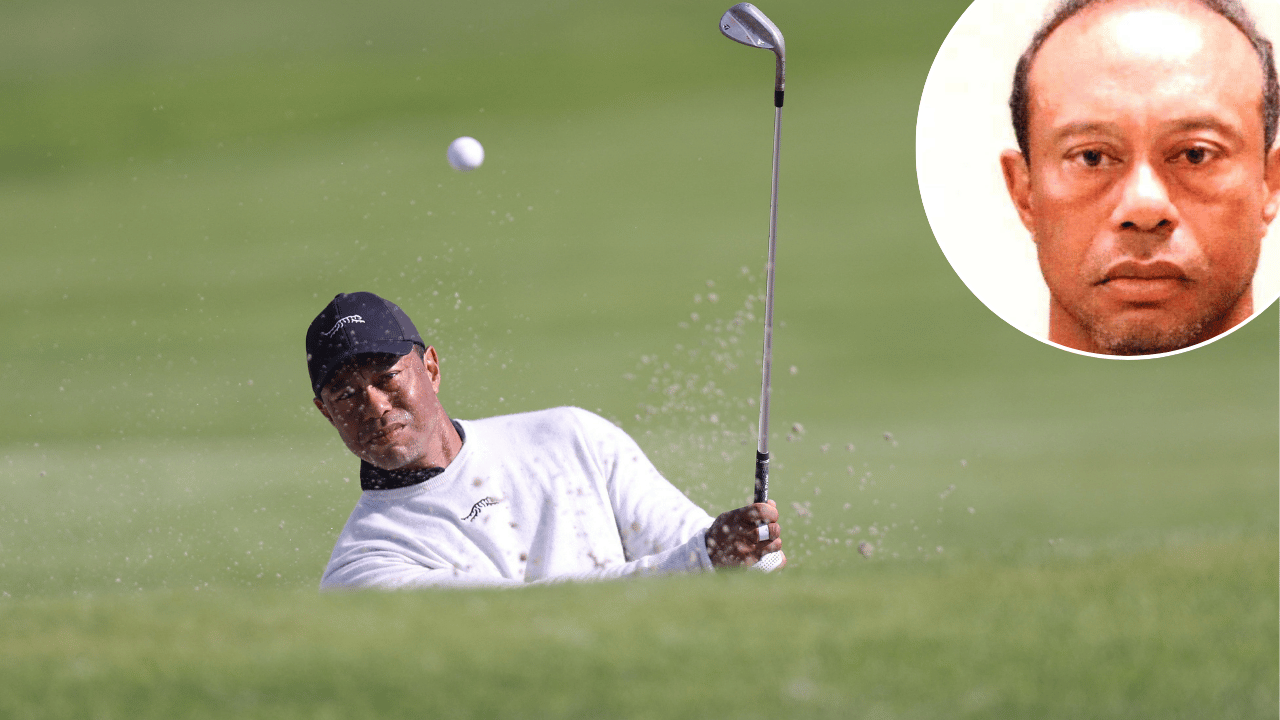
The ruling holds significant implications for Woods’ professional golfing career, particularly as he approaches eligibility for the PGA Tour Champions. This senior professional circuit, unlike the standard PGA Tour, permits the use of golf carts during competition. The ability to legally operate a golf cart ensures that his physical recovery and ongoing management of injuries will not be further hindered by travel limitations on the course itself, preserving his potential to compete at the highest levels of senior golf.
This legal clarity allows Woods to continue engaging with the sport in a manner consistent with his physical needs, without the added burden of navigating complex transportation logistics on tournament grounds. The public and golf community, keenly aware of his journey and challenges, will undoubtedly follow his future endeavors with interest, both on and off the course.
In conclusion, while Tiger Woods faces a significant five-year hiatus from operating traditional automobiles on public roads, Florida law ensures his continued ability to drive a golf cart. This distinction, confirmed by various state and local officials, allows the iconic golfer to maintain mobility on golf courses and other private properties. However, the stern warning from the judiciary regarding any violation of his driver’s license suspension for cars serves as a clear reminder of the serious consequences that could arise from non-compliance.