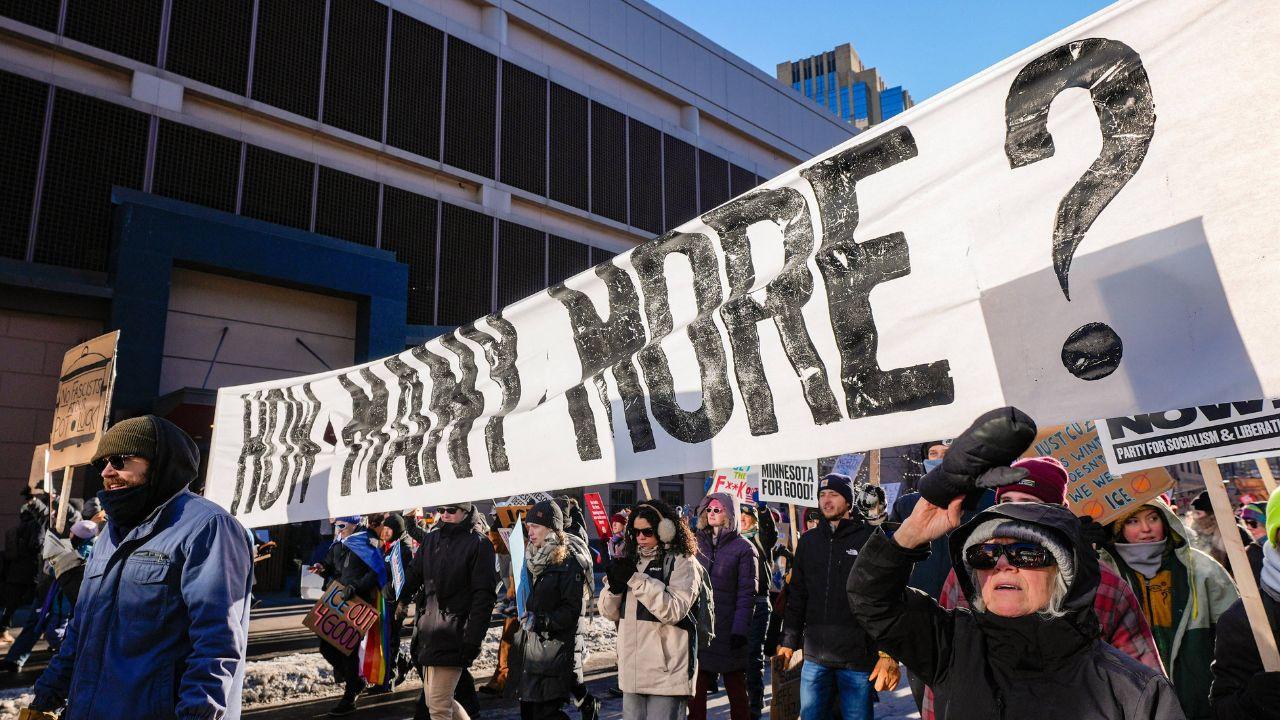
A federal indictment has been unsealed against Christian Castro, an agent with U.S. Immigration and Customs Enforcement (ICE), by the Department of Justice (DOJ) for allegedly making false statements regarding a non-fatal shooting that occurred during widespread protests in Minnesota earlier this year. This significant development marks a rare instance of federal prosecution against an immigration officer, signaling a heightened focus on accountability within federal law enforcement agencies. The charges stem from a January incident where Castro shot and wounded Julio C. Sosa-Celis, a civilian, amidst demonstrations that had gripped the state.
The January 14 incident unfolded during a period of intense public scrutiny over immigration enforcement practices and broader calls for police accountability. While details surrounding the specific protests at the time remain critical, the presence of ICE agents often draws significant attention and can escalate tensions. Initial reports from the scene were contested, but the subsequent emergence of video evidence played a pivotal role in unraveling Castro’s version of events, eventually leading to the dropping of state-level charges against the shooting victim and his roommate.
The Contested Minnesota Shooting and Castro’s False Testimony
The core of the federal indictment revolves around allegations that ICE Agent Christian Castro provided false testimony regarding the circumstances of the shooting. Castro had claimed that he was attacked by Julio C. Sosa-Celis and Sosa-Celis’s roommate, Alfredo Aljorna, with a broom handle and a snow shovel before he discharged his firearm. However, video footage obtained during the investigation contradicted this account. The footage reportedly showed Castro firing through the front door of a residence, striking Sosa-Celis in the leg, without the initial aggression Castro described.

This discrepancy between Castro’s sworn statements and the visual evidence proved to be a turning point in the investigation. Following the video’s discovery, criminal charges that had been filed against Sosa-Celis and Aljorna in connection with the incident were promptly dismissed. The revelation underscored the critical importance of independent verification in law enforcement encounters and immediately placed Castro’s credibility under severe doubt. The shift in narrative from an officer defending himself against an assault to an officer making false statements profoundly altered the public and legal perception of the shooting.
A Protracted State-Federal Standoff Over Extradition
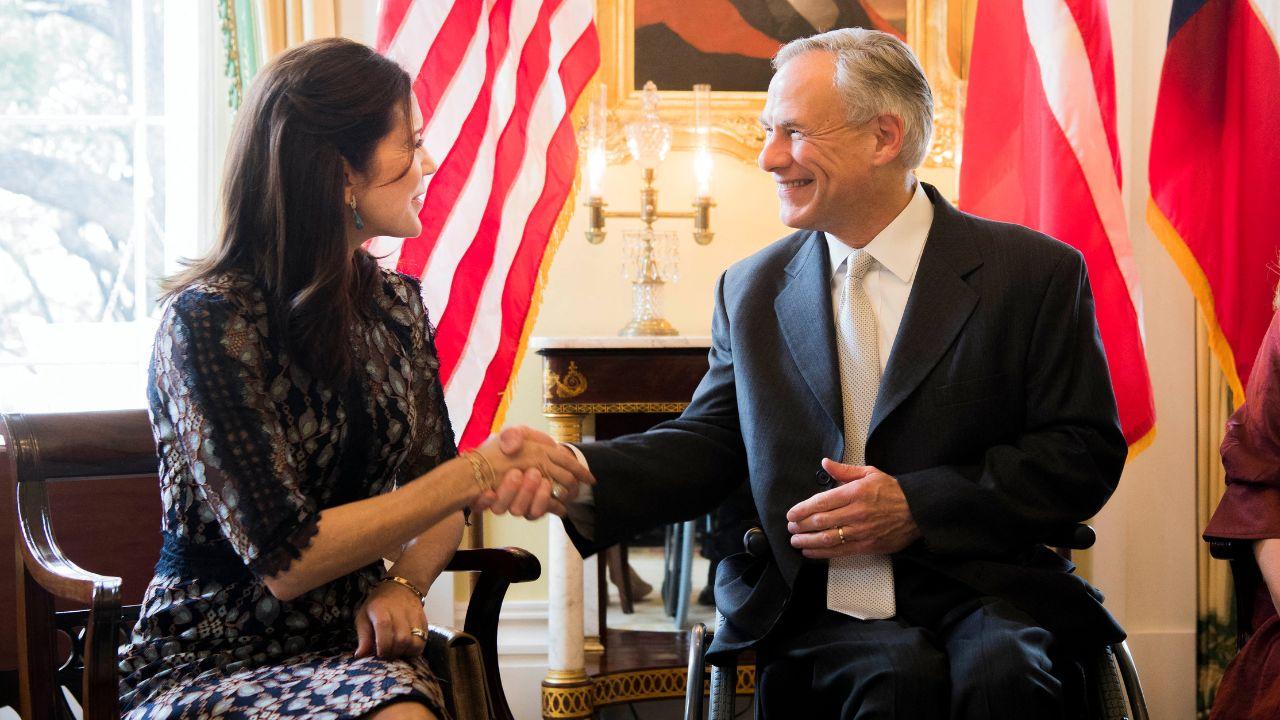
Before the federal charges were announced, the case involving ICE Agent Christian Castro had already become a flashpoint in a contentious political and legal battle between Minnesota and Texas. In May, Minnesota state prosecutors, led by Attorney General Keith Ellison, filed assault charges against Castro in connection with the shooting. Castro was subsequently arrested in Texas and held in a county jail for three months. However, efforts to bring him to Minnesota to face trial were repeatedly blocked by Texas Governor Greg Abbott.
Governor Abbott’s refusal to extradite Castro ignited a fierce online and public dispute with Attorney General Ellison. Texas attorneys argued that Abbott was not denying the extradition outright but was awaiting the outcome of an internal state investigation to determine whether Castro legally qualified as a "fugitive" under the Extradition Clause of the U.S. Constitution. This legalistic maneuver was widely interpreted by critics as a deliberate attempt to shield a federal agent from state prosecution, fueling accusations of political interference.
Political Fallout and Accusations of a "Sanctuary State for Violent Criminals"

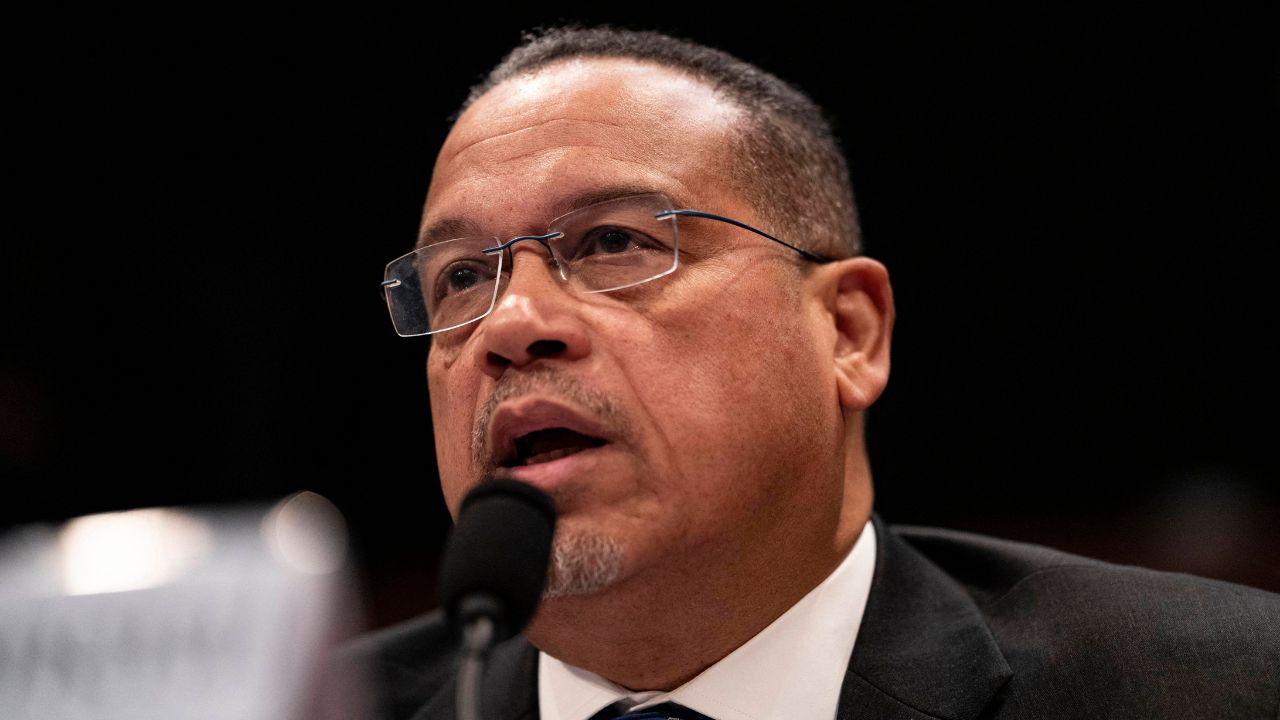
The standoff between Governor Abbott and Attorney General Ellison escalated into a highly public and partisan exchange. Keith Ellison, a prominent Democratic prosecutor, publicly accused Governor Abbott of effectively transforming Texas into a "sanctuary state for violent criminals" by obstructing Castro’s extradition. Ellison’s strong language highlighted the deep ideological chasm between the two states and their respective political leaders regarding law enforcement accountability and immigration policy.
In response, Governor Abbott, a Republican known for his hardline stance on immigration and federal overreach, reportedly mocked Minnesota’s legal arguments and doubled down on his state’s position. This political theater not only drew national attention to the Christian Castro case but also exemplified the broader tensions between state and federal authorities, particularly when intertwined with immigration enforcement and the actions of federal agents. The dispute underscored how local incidents could quickly morph into larger political battles with national implications.
Federal Indictment Bypasses State Barriers
The federal indictment by the Department of Justice fundamentally alters the legal landscape for Christian Castro and effectively circumvents the state-level extradition dispute that had been ongoing for months. After being held for the maximum 90 days allowed in Texas without extradition, Castro was released from jail in late August. However, his freedom was short-lived following the unsealing of the federal charges. Federal prosecutors operate under different legal frameworks than state authorities, possessing the power to move a defendant across state lines without facing the same barriers that hampered Minnesota’s efforts.
The Supremacy Clause of the U.S. Constitution dictates that federal law takes precedence over state laws when there is a conflict, meaning federal warrants and indictments are not subject to the same extradition processes that govern interstate transfers for state crimes. This legal distinction means that Governor Abbott’s previous arguments regarding Castro’s "fugitive" status or state investigations become irrelevant in the face of federal action. Upon the announcement of the federal indictment, Governor Abbott’s office promptly issued a statement indicating a readiness to cooperate. A spokesman stated, "State law enforcement stands ready and willing to assist federal partners in facilitating Mr. Castro’s arrest if needed," signaling an abrupt end to the state’s obstructionist stance. The timeline for Castro’s federal trial remains unclear, but the charges ensure he will eventually face justice, albeit under federal rather than state jurisdiction.
A Rare Move by the Department of Justice
The decision by the Department of Justice to pursue charges against an ICE agent for lying about an incident is notably rare and carries significant implications for federal law enforcement accountability. Historically, federal immigration officers involved in controversial shootings or incidents have often avoided discipline or prosecution, even in cases that have generated considerable public outcry. The article highlights several such cases, including those involving the shootings of Renée Good, Alex Pretti, Johan Sebastián Durán Guerrero, and Lorenzo Salgado Araujo, where officers faced no disciplinary action despite widespread public condemnation.
This pattern has long been a source of frustration for civil rights advocates and communities affected by aggressive immigration enforcement tactics. The federal government’s reluctance to prosecute its own agents has fueled perceptions of impunity and a lack of transparency. Therefore, the indictment of Christian Castro, even if limited to false testimony rather than assault, represents a potential shift in the DOJ’s approach. It signals a willingness to hold federal agents accountable, particularly when their sworn statements are directly contradicted by verifiable evidence.
Analysis and Broader Implications for Officer Accountability
The Christian Castro case, from the initial shooting to the federal indictment, serves as a microcosm of larger debates surrounding law enforcement accountability, the use of force, and the integrity of official testimony. The role of video evidence, whether from body cameras, surveillance systems, or civilian recordings, has become increasingly vital in challenging official narratives and ensuring transparency in critical incidents. In this case, video footage directly debunked Castro’s claims, leading to the exoneration of the victim and the subsequent charges against the agent.
The political dynamics of the case also highlight the persistent tension between states and the federal government, especially concerning immigration enforcement. Governor Abbott’s initial refusal to extradite Castro can be seen as an assertion of state sovereignty and a challenge to what some conservative states perceive as overreaching federal authority, particularly under different presidential administrations. However, the federal government’s ultimate power to pursue its own cases underscores the limits of state-level resistance when federal crimes are alleged.
Victim’s Attorney Seeks Full Accountability
While the federal indictment is a significant step towards accountability, it does not fully satisfy all parties involved. Robin Wolpert, the attorney for Julio C. Sosa-Celis, expressed disappointment that the federal government did not pursue more severe charges against Christian Castro, specifically civil rights violations or assault. Wolpert stated, "Although the evidence strongly supports civil rights charges, the federal government has grossly undercharged this case. Mr. Sosa Celis wants Mr. Castro to be held fully accountable for his crimes."
This sentiment reflects a common criticism from victims’ advocates who argue that prosecutors often opt for lesser charges, such as false statements or obstruction, instead of more serious offenses like assault or civil rights violations, which carry higher burdens of proof and can be more challenging to secure convictions for. For Sosa-Celis, who was shot and injured, the focus remains on securing comprehensive justice that addresses the physical harm he endured, not just the agent’s alleged dishonesty. The distinction between lying about an event and the underlying violent act itself remains a point of contention for the victim and his legal team.
Looking Ahead: Consequences and Next Steps
The federal indictment of Christian Castro for lying about the Minnesota shooting ushers in a new phase for the high-profile case. While the exact timeline for his federal trial remains pending, the Department of Justice’s intervention ensures that Castro will face legal proceedings without further state obstruction. His re-arrest by federal authorities, potentially with the assistance of Texas state law enforcement, is the immediate next step in bringing him before a federal court.
The outcome of this case will be closely watched by legal experts, civil rights organizations, and the public. It will not only determine the fate of Christian Castro but could also influence future federal oversight of immigration enforcement agents and set important precedents for accountability within federal agencies. The case underscores the persistent demand for transparency and justice in incidents involving law enforcement, particularly when official accounts are challenged by irrefutable evidence. The Department of Justice’s engagement sends a clear message that making false statements under oath, especially by federal officers, will be met with serious consequences, regardless of state-level political maneuverings.