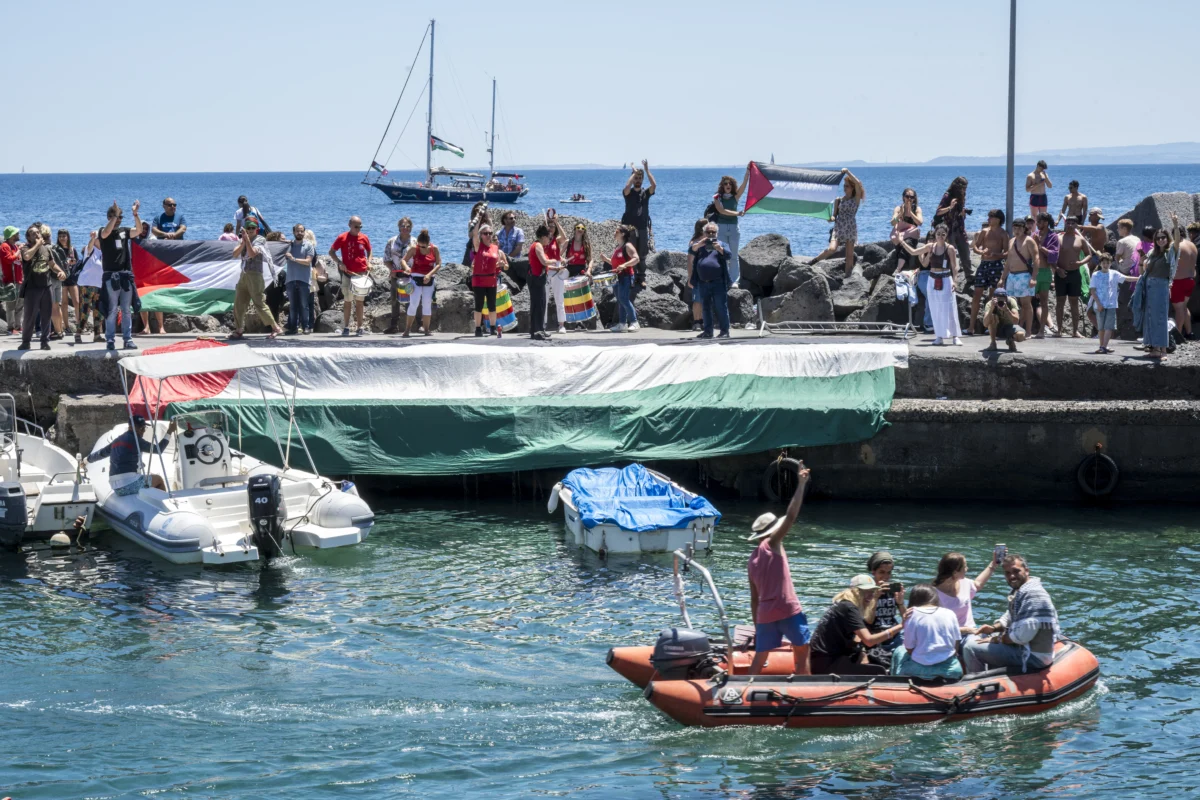
A new international flotilla mission has set sail, aiming to breach the Israeli blockade of the Gaza Strip and deliver much-needed humanitarian aid, as organizers declared their intent to defy previous interceptions and challenges. The Freedom Flotilla Coalition (FFC) announced the commencement of its latest endeavor, with vessels currently making stops at European ports before attempting to reach Gaza’s shores in October. This mission underscores a persistent demand for the end of what activists describe as an illegal and devastating blockade that has severely impacted the Palestinian population.
The FFC stated that the mission will proceed despite the documented violence and harsh treatment previously inflicted upon flotilla volunteers and activists by Israeli forces. These incidents have included severe beatings, repeated instances of tasering, and allegations of sexual assault. The coalition emphasized the urgency of their actions, asserting that the world has largely moved on from the dire humanitarian situation in Gaza since a ceasefire was announced in October 2025, making renewed international attention and intervention critical.
Two vessels have already embarked on the journey. The Handala II circumnavigated Scandinavia during June and July, making port calls in Norway, Sweden, and Denmark. Concurrently, the ship Kate departed from Bristol, United Kingdom, earlier this month and has since visited ports in Ireland, Germany, and France. Future planned stops include Spain, Portugal, and Italy before the flotilla intends to proceed towards Gaza.
Demands for End to Gaza Blockade
The Freedom Flotilla Coalition is reiterating its core demands, calling upon international governments to uphold their obligations and ensure the safety of the mission. "The Freedom Flotilla sails again because our governments continue to fail to uphold their obligations," stated Zohar Chamberlain Regev, a member of the FFC Steering Committee. "At every port, we will carry the demand that Palestinians be free to live with dignity."
The current mission has drawn support from a diverse group of participants, including human rights advocates, peace activists, elected representatives, journalists, medical professionals, and vocal proponents of Palestinian rights. The coalition is urging governments to provide guarantees for the flotilla’s safe passage and to exert pressure on Israel to lift its obstruction of essential supplies like food, water, and medicine into Gaza. They are also demanding that any Israeli attack or seizure of the vessels result in immediate diplomatic consequences and the implementation of diplomatic and economic measures to compel an end to the blockade.

Edward Digilio, an engineer from Maryland participating in the mission, acknowledged the inherent risks. "We know that sailing toward Gaza carries serious risks," Digilio said. "But silence and inaction carry a much greater cost for Palestinians and the world." His words reflect a sentiment of moral imperative driving the participants, who believe that direct action is necessary to highlight and alleviate the ongoing crisis.
Historical Context of Interceptions and Abuse
The Freedom Flotilla movement has a history of challenging the Gaza blockade, with its roots tracing back to 2010. That year, Israeli forces killed 10 activists aboard the Mavi Marmara during a flotilla attempt. The Free Gaza Movement initiated its first voyages in 2008, aiming to break the maritime siege imposed on Gaza.
In recent years, Israeli forces have intercepted flotilla missions with significant force. Within the past year alone, the Global Sumud Flotilla was intercepted twice. In October 2025, more than 450 participants, including notable figures like South African author Zukiswa Wanner and Nelson Mandela’s grandson, Mandla Mandela, were detained. A subsequent interception in April 2026 resulted in the detention of approximately 175 more individuals.
Human rights organizations, including Amnesty International, have documented instances of severe ill-treatment of activists detained by Israel following these interceptions. Reports detail sleep deprivation, denial of access to water and essential medical care, and other forms of mistreatment after the ships were stormed in international waters. In April of this year, two activists, Thiago Avila and Saif Abukeshek, were reportedly held incommunicado for days, with their detention extended based partly on secret evidence before their eventual deportation.
Humanitarian Crisis in Gaza Intensifies
The new flotilla mission arrives as numerous aid groups continue to describe the humanitarian situation in Gaza as reaching critical levels, even following the announcement of a ceasefire in October 2025. UNICEF has reported that over 82 percent of families in Gaza remain water insecure, with approximately 90 percent of the region’s water and sanitation infrastructure destroyed.
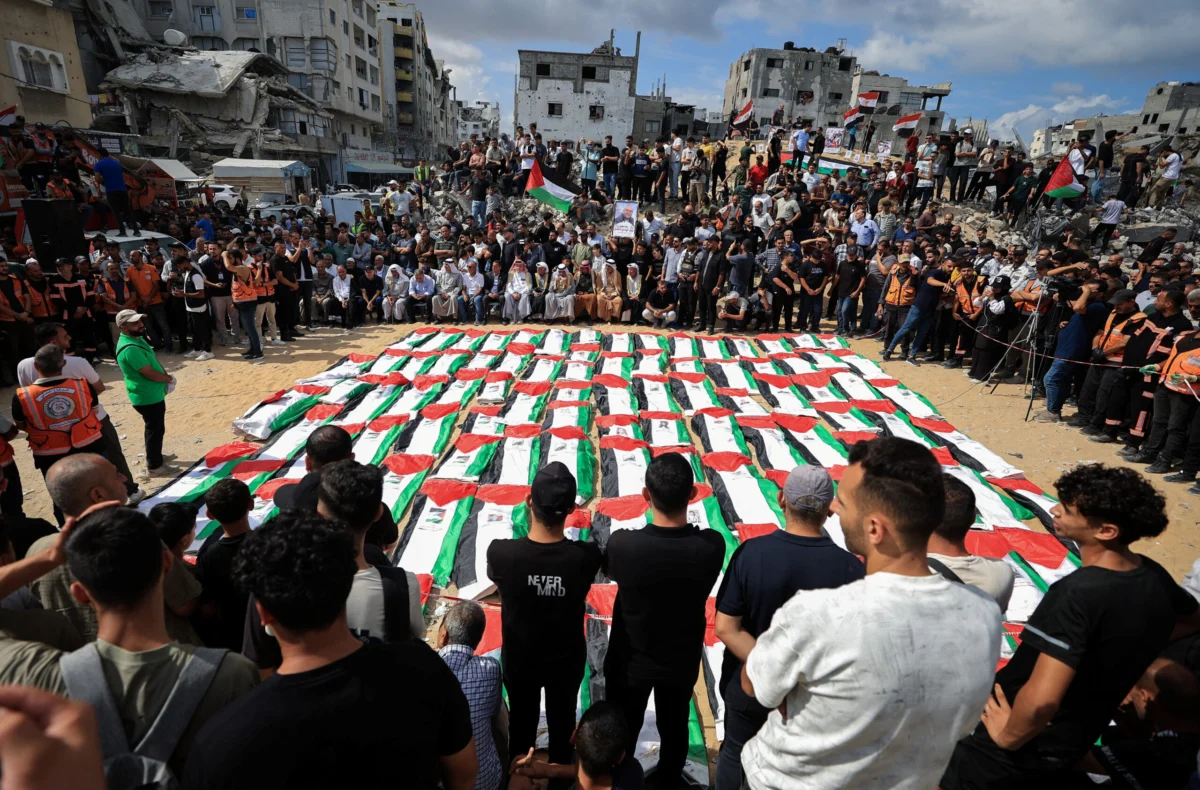
Despite the declared truce, Israeli forces have continued to target vital infrastructure within Gaza. Recent weeks have seen reports of attacks on hospitals, aid warehouses, and medical supply sites. The Gaza Health Ministry has recorded more than 1,300 deaths attributed to Israeli fire since the ceasefire took effect. Thousands more remain missing or are believed to be trapped under the rubble of destroyed buildings, highlighting the ongoing devastating impact of the conflict and the blockade.

International Pressure and Diplomatic Standoff
The persistent efforts of the Freedom Flotilla Coalition and other international advocacy groups highlight a growing international demand for diplomatic solutions to the Gaza crisis. The coalition’s strategy of engaging European ports serves to raise awareness and garner support, demonstrating the widespread concern over the humanitarian conditions and the blockade.
Past flotilla missions have often resulted in diplomatic standoffs, with Israel maintaining its right to intercept vessels it deems a security threat, while international bodies and human rights organizations condemn the blockade as a violation of international law and a form of collective punishment. The repeated interceptions and detentions of activists underscore the contentious nature of these maritime challenges and the deep divide in perspectives regarding the blockade and its humanitarian consequences.
The FFC’s call for governments to implement diplomatic and economic measures indicates a broader strategy to leverage international political pressure. This approach aims to move beyond symbolic actions and towards tangible policy changes that could compel Israel to alter its blockade policies. The success of such efforts often depends on the unified stance of the international community and the willingness of key global powers to apply sustained pressure.
Broader Implications and Public Impact
The ongoing humanitarian crisis in Gaza, exacerbated by the blockade, has significant broader implications for regional stability and international law. The continuous struggle to deliver essential aid highlights the failures of existing mechanisms to ensure humanitarian access in conflict zones and the challenges of enforcing international norms when political interests diverge.
The public impact of these flotilla missions extends beyond immediate aid delivery. They serve as powerful symbolic gestures that bring global attention to the plight of the Palestinian people and the enduring impact of the blockade. By undertaking risky journeys and facing potential detention, activists aim to ensure that the situation in Gaza remains on the international agenda, preventing it from being overlooked or forgotten.
The dedication of individuals from diverse backgrounds, including engineers, doctors, and human rights lawyers, underscores the broad coalition of support for the cause. Their willingness to participate in these challenging missions reflects a deep-seated belief in the principles of human rights and solidarity, driving continued efforts to challenge what they perceive as an unjust and inhumane blockade. The journey of the Freedom Flotilla is thus not just about delivering aid, but about asserting a moral stance and demanding accountability on the international stage.