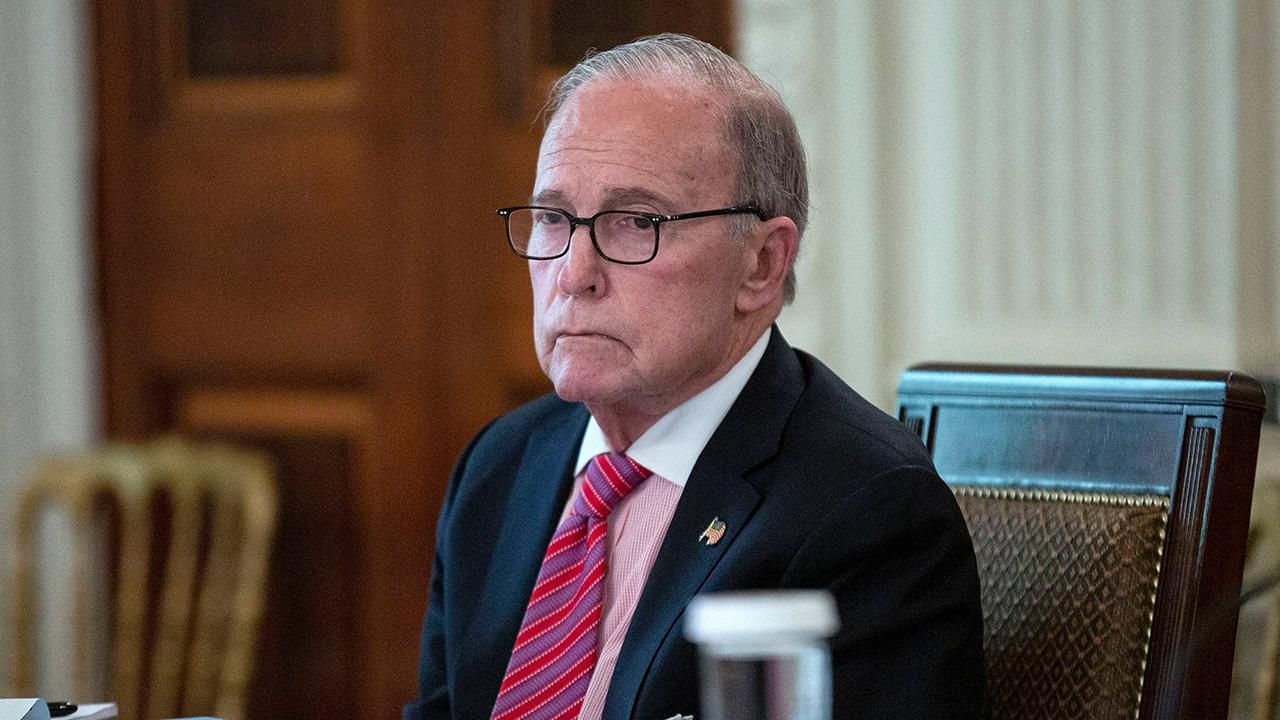
Fox Business host Larry Kudlow has publicly urged Senator Ted Cruz (R-Texas) to consider launching a 2028 presidential campaign immediately following the anticipated November 2026 midterm elections, suggesting a strategic move that mirrors former President Donald Trump’s past political playbook. Kudlow’s counsel, delivered during an episode of his network program Kudlow on Tuesday, September 8, 2026, highlights the early jockeying and strategic calculations already underway for the next presidential cycle within the Republican Party.
The suggestion from Kudlow, a prominent conservative voice and former economic advisor, positions Cruz as a potential early contender in what is expected to be a crowded and competitive Republican primary field. Kudlow explicitly referenced former President Trump’s decision to declare his candidacy shortly after the preceding midterm elections, a strategy he characterized as having a "huge, huge impact" despite initial head-scratching from some political observers.
The Strategic Impetus for an Early Declaration
Kudlow’s recommendation for a post-midterm announcement is rooted in a political strategy designed to seize momentum and establish an early lead in fundraising and public attention. By declaring a 2028 presidential move so far in advance, a candidate can potentially deter other challengers, consolidate support, and begin building a national campaign infrastructure long before the traditional primary season heats up. This "Trump playbook," as Kudlow termed it, proved effective in capturing media cycles and shaping the early narrative.

Such an early declaration allows a candidate to define their platform and message without the immediate constraints of a primary debate stage, offering an opportunity to connect directly with voters. It can also serve as a powerful signal to donors and party activists, indicating serious intent and a long-term commitment to the arduous process of a presidential campaign. The aim is to create an air of inevitability, forcing rivals to play catch-up.
Cruz’s Measured Response Amidst 2026 Priorities
Despite Kudlow’s direct encouragement, Senator Cruz maintained a cautious and uncommitted stance regarding a potential 2028 presidential move. He deftly redirected the conversation, emphasizing his immediate and unequivocal focus on the critical stakes of the upcoming 2026 midterm elections. Cruz underscored that with less than 60 days remaining until the November vote, his paramount objective is campaigning across the country to help secure Republican majorities in both the House and Senate.
Cruz articulated a stark warning about the consequences should Republicans fail to achieve control of Congress. He contended that such a failure would cause all legislative progress to "grind to a halt," leading to "two years of warfare" against the conservative agenda and the legacy of former President Trump. For Cruz, the immediate battle for congressional control supersedes any personal presidential ambitions.
The Political Calendar and Campaign Launch
The typical political calendar usually sees presidential hopefuls making their intentions known closer to the primary season, often in the year preceding the election. Kudlow’s suggestion to declare a 2028 presidential move immediately after the 2026 midterms represents a significant acceleration of this timeline. This earlier launch can offer distinct advantages in the modern media landscape, where attention spans are short and narratives are established quickly.

Cruz’s deferral of any 2028 discussion until "after the midterms" aligns with a more traditional approach, allowing the immediate political landscape to settle before embarking on a new, high-stakes endeavor. However, the mere public suggestion from a figure like Kudlow ensures that Cruz’s name will remain in the speculative mix, regardless of his current disavowals. The pressure to consider an early 2028 presidential move will likely persist as the political cycle progresses.
The Evolving 2028 Republican Field
When pressed on the broader landscape of potential Republican contenders for the 2028 presidential election, Cruz adopted a neutral posture. During a subsequent appearance on CNN’s The Source with Kaitlan Collins, he stated, "I don’t know who’s gonna run. We’ll find that out next year." This non-committal response is standard for politicians who may themselves harbor ambitions but wish to avoid prematurely aligning or disaligning with potential rivals.
The conversation around the 2028 GOP field included several prominent names: Vice President J.D. Vance, Senator Marco Rubio, Tulsi Gabbard, Pete Hegseth, and Robert F. Kennedy Jr. While Kennedy Jr. has primarily run as an independent, his mention in this context reflects the fluid and often unconventional nature of presidential speculation. The inclusion of figures like Vance and Rubio, however, highlights the perceived frontrunners within the traditional Republican structure.
The America First Legacy and Future Leadership
J.D. Vance, currently serving as Vice President, is widely regarded as the "heir apparent" to the "America First" movement that reshaped the Republican Party under Donald Trump. This perception is bolstered by recent polling data, with a Harvard/Harris poll reportedly positioning Vance at 44 percent among GOP respondents, indicating significant grassroots support and an influential base. His ascent underscores the continued power of the populist, nationalist wing of the party.
Senator Marco Rubio, a seasoned politician with his own presidential campaign experience in 2016, is identified as Vance’s "primary rival" in early hypothetical matchups. Rubio represents a more establishment conservative wing, albeit one that has also adapted to the Trump era. The dynamic between Vance and Rubio, if it materializes into a primary contest, could signal a broader ideological struggle for the soul of the Republican Party in 2028.
Ted Cruz’s Presidential Ambitions and Senate Record
Senator Cruz is no stranger to the presidential arena, having mounted his own campaign in 2016. In that election cycle, he positioned himself as a staunch conservative alternative to Donald Trump, ultimately finishing second in total delegates before suspending his campaign. His 2016 run showcased his formidable debate skills and ability to energize the conservative base, but also highlighted the challenges he faced in broadening his appeal beyond that core demographic.
Since his unsuccessful presidential bid, Cruz has remained a highly visible and often controversial figure in the U.S. Senate. His political journey has been marked by a consistent adherence to conservative principles, often putting him at odds with both Democratic and Republican leadership. This independent streak has cultivated a loyal following among some conservatives, while alienating others within the party establishment.
A History of Confrontation and Legislative Tactics
Cruz’s tenure in the Senate, which began in 2013, has been defined by high-profile legislative maneuvers and a willingness to challenge the status quo. One of his most memorable actions occurred in 2013, when he engaged in a 21-hour speech on the Senate floor, famously reading from Dr. Seuss’s Green Eggs and Ham, in an effort to force a government shutdown over funding for the Affordable Care Act. This tactic, while celebrated by some on the right, was widely criticized by Democrats and even some Republicans for its perceived disruptiveness and ineffectiveness.
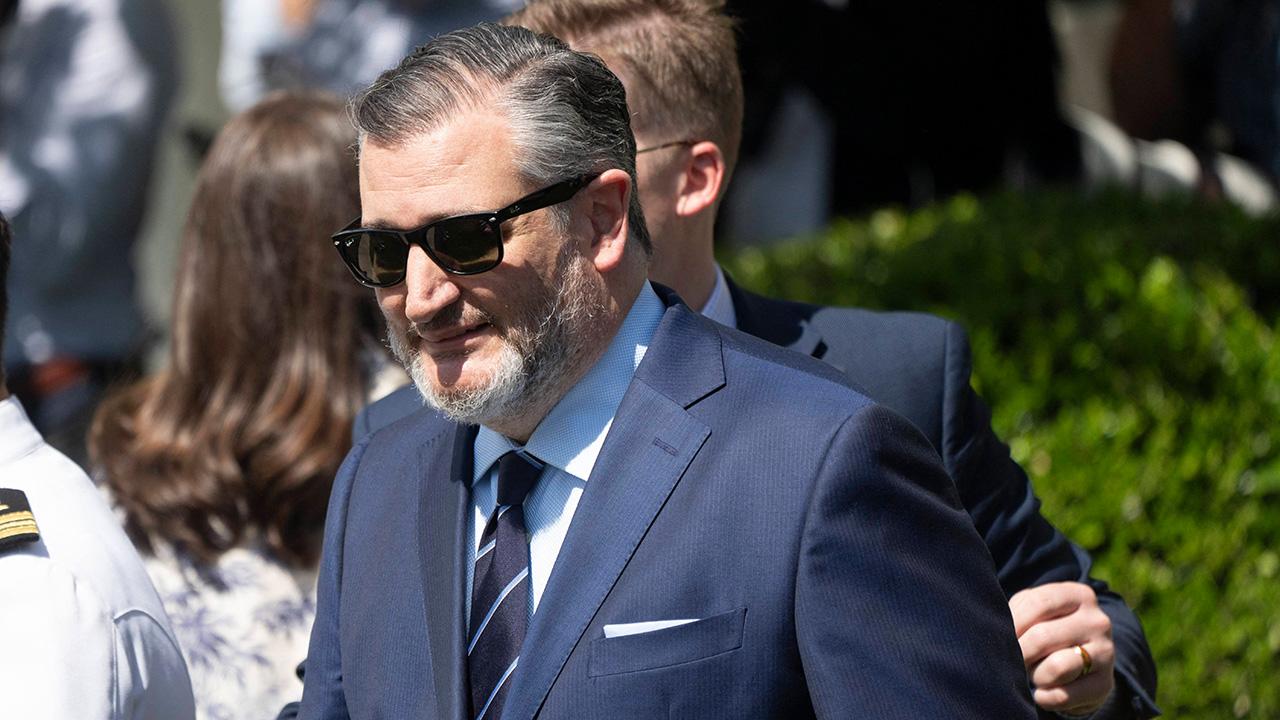
His confrontational style and willingness to buck party lines have earned him a reputation as a political outsider, even within his own party. This has often led to public friction with mainstream colleagues. The late Senator Lindsey Graham (R-SC) famously quipped, "If you killed Ted Cruz on the floor of the Senate, and the trial was in the Senate, nobody would convict you," a testament to the complex and often strained relationships Cruz has fostered on Capitol Hill. This reputation could be both an asset and a liability in a future presidential primary, appealing to anti-establishment voters while potentially hindering broader party unity.
Broader Implications for the GOP and the Nation
The early stirrings of the 2028 presidential race, exemplified by Kudlow’s prodding of Cruz, underscore the continuous nature of American political campaigning. This premature jockeying can have significant implications for the Republican Party, potentially creating divisions and drawing focus away from immediate legislative battles. The results of the 2026 midterm elections will undoubtedly play a pivotal role in shaping the political landscape, influencing who among the potential contenders gains traction and who fades from consideration.
For the nation, an extended period of presidential campaigning and speculation can contribute to political polarization and a constant state of electoral readiness. While a healthy democratic process involves robust debate over future leadership, the early onset of a presidential race can also divert attention from pressing policy challenges and foster a perpetual campaign environment. The strategic advice offered to Senator Cruz by Larry Kudlow serves as an early indicator that the path to the 2028 White House is already being mapped out, even as the 2026 midterms loom large on the horizon.