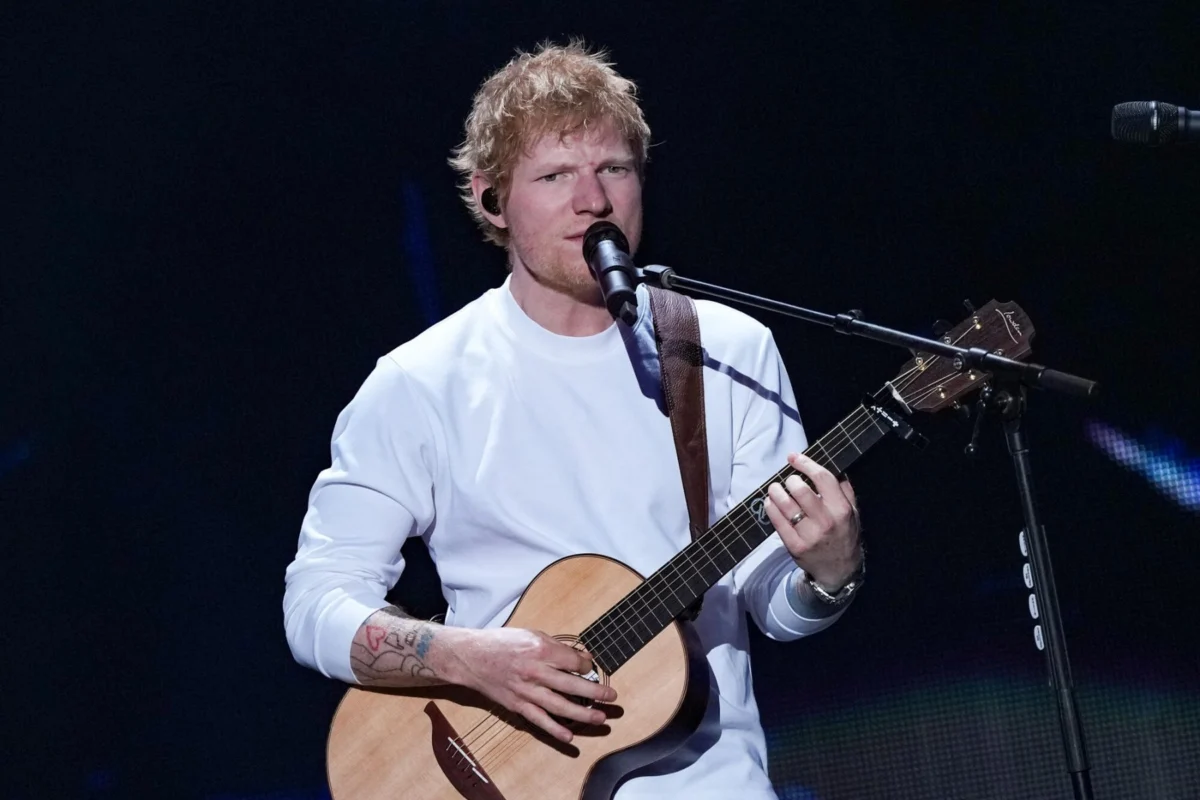
The future of Ed Sheeran’s highly anticipated "Mathematics Tour" is shrouded in uncertainty following the abrupt removal of opening act Macklemore and a subsequent wave of departures from other supporting artists, all stemming from political statements made on stage regarding the conflict in Gaza. The situation has escalated into a complex web of contractual obligations, venue pressures, and artistic expression, leaving fans and industry observers questioning the tour’s trajectory and the precedent it might set.
Macklemore’s Removal Sparks Tour Turmoil
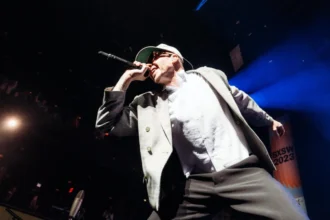
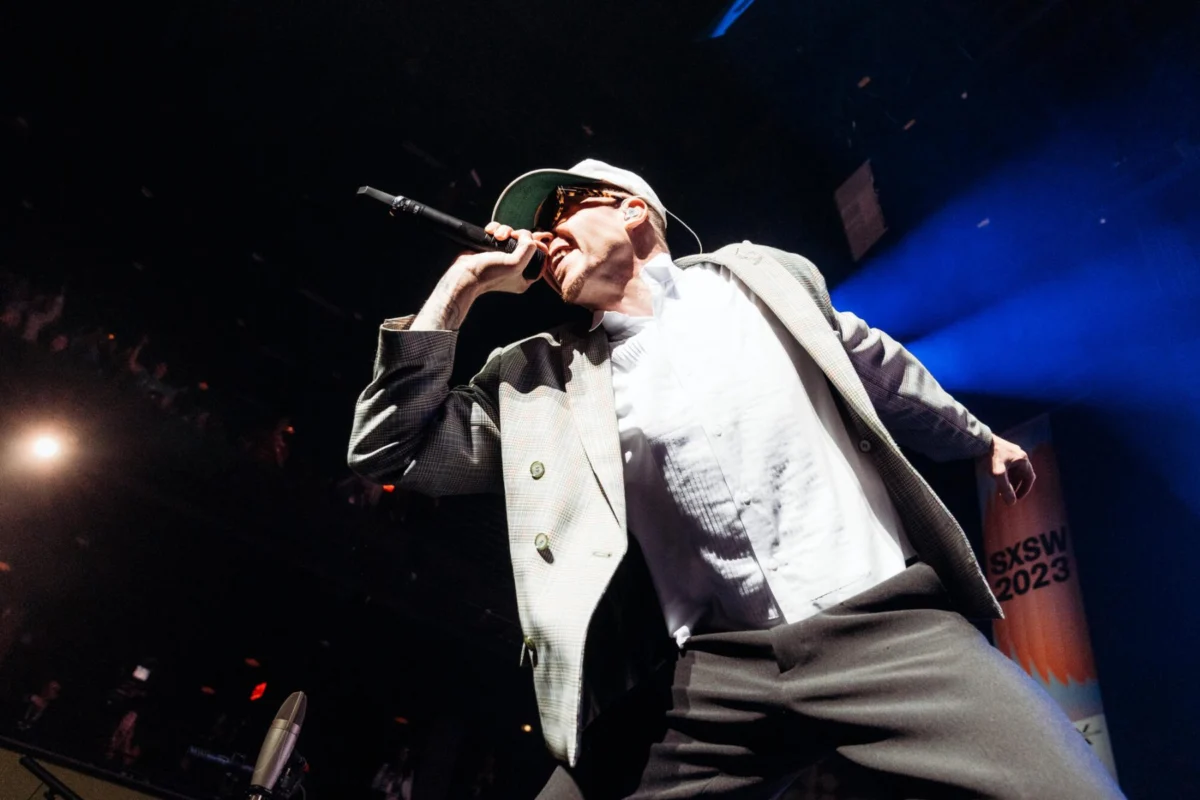
Seattle rapper Macklemore was removed from his scheduled opening slots on Ed Sheeran’s "Mathematics Tour" earlier this month, a decision that came just a week after his performances at MetLife Stadium in New Jersey. During these shows, Macklemore performed his protest anthem "Hind’s Hall" and vocally expressed solidarity with Palestine, declaring "Free Palestine" from the stage. These public declarations ignited a firestorm of criticism on social media, with prominent figures like P!nk and Boy George voicing their disapproval.
The controversy surrounding Macklemore’s statements intensified as he openly criticized the Israeli government’s actions in the Gaza war. "Hind’s Hall," released in May 2024, became a focal point for the debate. Originally slated to perform at 10 of Sheeran’s "Mathematics Tour" dates, Macklemore’s participation was cut short after only two appearances at MetLife Stadium.
Venue Owners’ Pressure and Sheeran’s Position
Macklemore himself detailed the circumstances leading to his removal in an Instagram post, revealing that he was informed by Sheeran that Robert Kraft, owner of the Kraft Group and Gillette Stadium, had intervened. According to Macklemore, Kraft stated that he would not be permitted to perform at Gillette Stadium, which was a scheduled venue for later tour dates. Sheeran reportedly conveyed that Kraft had rallied other stadium owners, collectively issuing an ultimatum: if Macklemore remained on the tour, they would refuse to host Sheeran’s concerts in their venues.
Robert Kraft issued his own statement, asserting that Macklemore’s recent actions, the material shared from the stage during Sheeran’s New Jersey shows, and what Kraft termed a "broader history of antisemitic rhetoric and imagery" were deeply offensive and hurtful to the Jewish community. He concluded that Macklemore’s participation in the Sept. 25 and 26 concerts at Gillette Stadium would have "crossed that line."
In response to the escalating situation, Ed Sheeran addressed the matter publicly, clarifying that Macklemore’s departure from the tour was a decision made by the promoter, not by him directly. Sheeran emphasized that Macklemore’s contract was with the promoter, Messina Touring, and not with him as the headlining artist. Messina Touring subsequently released a statement to Rolling Stone, confirming they had been notified by venues on the upcoming U.S. tour dates that they would not allow a concert to proceed with Macklemore on the lineup. The promoter warned that this would result in the cancellation of the tour and impact hundreds of thousands of fans.
A Cascade of Departures
The fallout from Macklemore’s removal extended beyond his own participation. In solidarity with the Palestinian cause and in protest against what they perceived as the silencing of artistic expression, openers Finneas, Lukas Graham, and Aaron Rowe announced they would no longer be opening for Ed Sheeran’s tour. All three artists publicly stated their opposition to stifling artists’ voices and affirmed their support for Palestine. Beoga, the band that provides backing music for portions of Sheeran’s own performance, also withdrew from the remaining tour dates.
Navigating the Logistics of Artist Removal
The process of removing an opening act from a major tour of this magnitude involves intricate logistical and contractual considerations. Typically, decisions to exclude an artist based on content or political stances are made well in advance of tour announcements. Promoters and venues usually vet artists to ensure alignment with their brand and audience expectations.
The unprecedented nature of multiple stadium owners collectively demanding an artist’s removal, threatening the headliner’s ability to perform, highlights a significant escalation in the intersection of political discourse and live entertainment. This situation differs from previous instances where individual venues canceled shows due to protests or security concerns.

Precedents in Political Statements and Show Cancellations
While not on this scale, there are historical precedents for artists facing repercussions for their political statements impacting live performances. In 2024, Matisyahu experienced cancellations of several dates, also related to the Israeli-Palestinian conflict. Venues cited security concerns due to pro-Palestine protests outside his shows, with some attributing cancellations to staff shortages.
Last year, Kehlani was removed from dates at Cornell and Central Park SummerStage in New York for her pro-Palestine statements, with organizers citing "safety reasons." In another notable case, M.I.A. was removed from Kid Cudi’s tour due to her political comments, leading her to file a lawsuit against Kid Cudi. M.I.A. argued that her contract with Live Nation allowed for "sole and exclusive creative control" over her performances without restrictions on political messaging, and that Live Nation had agreed to pay her a substantial sum regardless of her on-stage statements.
Contractual Ramifications and Artist Compensation
The financial and contractual implications for artists in such situations are complex and hinge on the specific terms of their agreements. Supporting acts on tours often receive a flat fee, negotiated as a guarantee, rather than a percentage of ticket sales. Whether they are entitled to their full payment when removed from a tour or when they voluntarily withdraw depends on the clauses within their contracts, including force majeure provisions.
In Macklemore’s case, his entitlement to his remaining fee would depend on the specifics of his contract with Messina Touring. For Finneas, Lukas Graham, and Aaron Rowe, their decision to voluntarily withdraw means they likely forfeit their contractual fees.
The Impact on Ed Sheeran’s "Mathematics Tour"
With Macklemore’s removal and the subsequent departure of multiple other openers and Sheeran’s own backing band, the "Mathematics Tour" faces a significant void in its scheduled programming. The immediate challenge for promoters is to find suitable replacements to fill the numerous opening slots. If replacement acts are not secured, Ed Sheeran may opt to perform without any opening support, a less common but possible scenario for large-scale tours.
The financial strain on promoters could be considerable, especially if ticket sales are impacted by the controversy. The tour’s viability may also be tested if further disruptions arise or if the controversy continues to overshadow the music.
Broader Industry Implications and Public Discourse
The events surrounding Ed Sheeran’s tour underscore the increasing scrutiny artists face for their political stances and the power venues and promoters wield in shaping public discourse. This situation raises critical questions about artistic freedom, the influence of political pressure on the entertainment industry, and the potential for such incidents to chill speech.
The involvement of powerful figures like Robert Kraft and the collective action of stadium owners suggest a heightened level of corporate and political influence in artistic programming. This could have a chilling effect on artists who wish to use their platforms to address sensitive social and political issues.
What Comes Next for the "Mathematics Tour"?
The immediate future of Ed Sheeran’s "Mathematics Tour" remains uncertain. It is unclear whether Sheeran will issue further statements, if sponsors will weigh in with their own positions, or if the remaining venues, primarily NFL stadiums across the U.S., will make public statements. The next scheduled date is Sept. 19 in Philadelphia, followed by the controversial Gillette Stadium dates in Massachusetts. The ongoing controversy could impact ticket sales and fan attendance, adding another layer of uncertainty to the tour’s continuation. The industry will be watching closely to see how these complex issues are resolved and what precedent this situation sets for the future of live music and artistic expression.