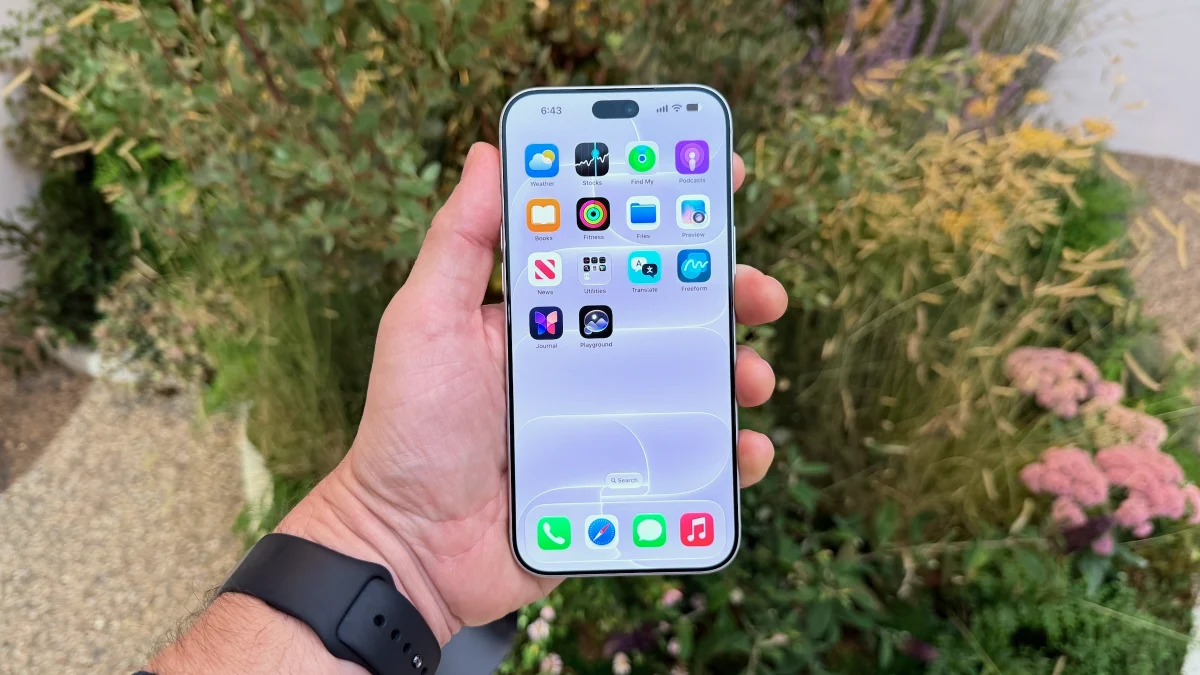
T-Mobile has officially launched a premier promotional campaign offering the newly announced Apple iPhone 18 Pro at no cost to eligible consumers through a combination of trade-in incentives and specific service requirements. The telecommunications giant confirmed that the offer is anchored to its high-tier "Experience Beyond" data plan, requiring customers to either activate a new line of service or trade in a qualifying high-value smartphone. This aggressive marketing move coincides with the opening of pre-orders for Apple’s latest flagship, which is scheduled for a broad retail release on September 18.
The promotion represents a significant escalation in the ongoing battle for market share among major U.S. wireless carriers. By offering the iPhone 18 Pro for free, T-Mobile aims to capture the surge of consumer interest following Apple’s annual hardware showcase. To qualify for the full value of the device, new customers must switch their service to T-Mobile while porting over an existing phone number, a tactic designed to entice users away from competitors like Verizon and AT&T.
Understanding the Experience Beyond Requirement
The centerpiece of this offer is the requirement for T-Mobile’s "Experience Beyond" plan, the carrier’s most robust and feature-heavy service tier to date. This plan is designed to cater to power users who demand high-speed 5G data, premium international roaming capabilities, and integrated entertainment bundles. By tying the free iPhone 18 Pro to this specific tier, T-Mobile ensures a higher Average Revenue Per User (ARPU), which helps offset the substantial cost of subsidizing the hardware.
Current T-Mobile subscribers are also eligible for the promotion, provided they are willing to upgrade their existing service to the Experience Beyond level. This strategy reflects a broader industry shift toward incentivizing customers to adopt more expensive, unlimited data packages in exchange for the latest technology. The Experience Beyond plan typically includes perks such as increased mobile hotspot data, 4K UHD video streaming, and expanded data access in over 200 countries, making it a comprehensive package for the modern mobile professional.
The Mechanics of Trade-In Values and Bill Credits
While the promotion is marketed as "free," the financial structure relies on a 36-month installment agreement. The total retail value of the Apple iPhone 18 Pro is distributed to the customer’s account in the form of monthly bill credits over a three-year period. If a customer chooses to cancel their service or switch carriers before the 36-month term concludes, they become responsible for the remaining balance of the device’s full retail price.
The trade-in component of the deal requires a "qualifying device," which generally includes recent flagship models from Apple, Samsung, or Google. Older devices may still qualify for a partial subsidy, but only the most recent generations—such as the iPhone 16 Pro or iPhone 17 Pro—are expected to command the full trade-in value necessary to make the iPhone 18 Pro entirely free. This tiered system encourages a faster upgrade cycle among enthusiasts who prefer to have the latest hardware every one to two years.
Upfront Costs and Hidden Fees
Consumers should be prepared for immediate out-of-pocket expenses even when taking advantage of a "free" phone offer. T-Mobile requires the payment of local sales tax on the full, un-subsidized retail value of the iPhone 18 Pro at the time of purchase. Depending on the state and municipality, this can range from $60 to over $100 for a flagship device.
Additionally, T-Mobile mandates a standard $35 device connection fee for each new line or upgrade processed through this promotion. This one-time fee is a common practice across the telecommunications industry, covering the administrative and technical costs of provisioning a new device on the network. Despite these initial costs, the long-term savings provided by the $1,000-plus in bill credits remain a primary driver for consumer interest during the pre-order window.
The iPhone 18 Pro in the Context of a Competitive Market
The launch of the iPhone 18 Pro follows a busy summer for the smartphone industry, which saw high-profile releases from Motorola, Google, and Samsung. The Motorola Razr lineup and Samsung’s latest foldable devices have attempted to capture the "innovation" narrative by focusing on new form factors. Meanwhile, Google’s Pixel 11 series has leaned heavily into artificial intelligence and computational photography to differentiate itself from the competition.
However, Apple’s annual September event remains the most significant catalyst for consumer spending in the mobile sector. The iPhone 18 Pro features the new A19 Pro silicon, which Apple claims offers unparalleled efficiency and performance for on-device AI tasks. With rumors of a foldable iPhone continuing to circulate, the traditional slab-style Pro model remains the gold standard for reliability and ecosystem integration, which T-Mobile is leveraging to anchor its fall promotional calendar.
Apple Intelligence and Hardware Innovations
The iPhone 18 Pro is more than just a seasonal refresh; it represents a deeper integration of "Apple Intelligence," the company’s proprietary AI framework. This technology enhances everything from Siri’s natural language processing to the Pro camera system’s ability to render complex lighting environments. The hardware includes a refined titanium chassis and a display with even thinner bezels, maximizing the screen-to-body ratio for a more immersive user experience.
For T-Mobile, the advanced 5G modems inside the iPhone 18 Pro are a critical component of the deal. The carrier has invested billions in its 5G Ultra Capacity (UC) network, and the latest iPhone is optimized to take full advantage of these mid-band and millimeter-wave frequencies. By putting this hardware into the hands of more consumers, T-Mobile can showcase the speed and reliability of its network infrastructure, potentially reducing long-term churn.
Impact on Consumer Behavior and the 36-Month Lock-In
The transition from 24-month to 36-month financing cycles has become a standard practice among major carriers. This shift effectively extends the traditional "contract" period, keeping consumers tied to a specific provider for three years instead of two. While this allows the carrier to offer more expensive devices like the iPhone 18 Pro for "free," it also reduces the frequency with which consumers switch networks.
Industry analysts suggest that these long-term commitments are a response to the plateauing of the smartphone market. With hardware improvements becoming more incremental, consumers are keeping their phones longer. Carriers use these 36-month credits to ensure that even if a consumer’s interest in new hardware wanes, their loyalty to the service provider remains financially incentivized.
Strategic Consequences for the Wireless Industry
T-Mobile’s aggressive stance on the iPhone 18 Pro launch forces its competitors to react. Historically, when one major carrier offers a flagship device for free, others quickly follow suit with similar trade-in or "switch-and-save" programs. This creates a highly competitive environment where the primary differentiator becomes the quality of the network and the value-added perks included in the monthly service plans.
The "Experience Beyond" plan itself is a strategic move to push the boundary of what a mobile plan can offer. By including high-speed data in international destinations and premium streaming services, T-Mobile is positioning itself as a lifestyle brand rather than just a utility provider. The free iPhone 18 Pro serves as the "hook" to bring customers into this high-value ecosystem.
Environmental and Economic Considerations of Trade-Ins
The emphasis on trade-ins also has significant environmental and economic implications. By incentivizing the return of older devices, T-Mobile and Apple can participate in large-scale recycling and refurbishment programs. This "circular economy" approach helps mitigate the environmental impact of electronic waste while providing a steady supply of refurbished devices for secondary markets.
Economically, the trade-in model stabilizes the resale value of older iPhones. When a carrier guarantees a high trade-in credit for a two-year-old device, it effectively sets a floor for that device’s market value. This benefits consumers who prioritize the "residual value" of their technology purchases, knowing that their current investment will significantly subsidize their next upgrade in several years.
Future Outlook and the September 18 Launch
As the September 18 release date approaches, T-Mobile expects a high volume of traffic both online and in retail locations. The pre-order phase is a critical metric for both Apple and the carriers, serving as a bellwether for the device’s success through the holiday shopping season. With the iPhone 18 Pro positioned as the premier device for creative professionals and tech enthusiasts, the "free" offer is expected to drive record-breaking activation numbers for T-Mobile’s premium tiers.
The success of this promotion will likely influence how future flagship launches are handled. If the Experience Beyond plan sees a massive influx of new subscribers, it will validate the strategy of tying premium hardware to high-end service packages. For now, the focus remains on the logistical execution of the launch and ensuring that the millions of anticipated "free" iPhones reach consumers who are eager to experience the next generation of Apple technology.