"I Play Rocky," Peter Farrelly’s latest directorial effort, has emerged from the Toronto International Film Festival (TIFF) as a potent contender for the upcoming awards season, drawing comparisons to both its iconic namesake, 1976’s "Rocky," and Farrelly’s own Best Picture winner, "Green Book." The film, which chronicles the inspirational origins and making of the original boxing drama, captivated audiences at its world premiere, sparking significant buzz despite a divided critical reception. Its unexpected resonance has positioned it as a potential dark horse in a crowded Oscar race, echoing the improbable victories of its thematic predecessors.
A Familiar Echo from Toronto’s Stages
The Saturday night premiere of "I Play Rocky" at TIFF mirrored a pattern previously established by Farrelly’s 2018 film, "Green Book." Both features debuted at the prestigious festival to a polarized critical response, yet garnered enthusiastic acclaim from festivalgoers. "I Play Rocky" notably generated multiple instances of mid-film applause and culminated in a lengthy standing ovation, signaling a strong emotional connection with its audience. This dichotomy between critical and popular opinion has become a hallmark for certain films launched at Toronto, often preceding a surprising journey through the awards circuit.
TIFF, renowned as a key launchpad for films vying for Academy Award consideration, frequently serves as an early indicator of audience sentiment. While critical consensus often guides early awards narratives, the festival’s highly coveted People’s Choice Award can propel audience favorites, even those facing mixed reviews, into serious contention. "Green Book" famously won this award before going on to secure the Best Picture Oscar, demonstrating the power of public reception to influence the Academy. The palpable enthusiasm for "I Play Rocky" suggests a similar groundswell of support could be building.
The Ghost of Rocky Past
The original "Rocky," released in 1976, became an improbable cinematic phenomenon. Against all odds, this low-budget story of a small-time Philadelphia boxer who gets an unlikely shot at the world heavyweight champion captured the hearts of audiences globally. Written by and starring Sylvester Stallone, then a relatively unknown actor, the film transcended its boxing premise to embody the quintessential American underdog narrative. Its success was historic, culminating in three Academy Awards, including Best Picture, where it triumphed over critically acclaimed masterpieces like "All the President’s Men," "Network," and "Taxi Driver."
"Rocky"’s victory cemented its place in film history not just as a cultural touchstone but as a testament to the power of a compelling story and an authentic performance. Stallone’s journey from struggling artist to Oscar-nominated screenwriter and actor became as legendary as the character he portrayed. The film’s enduring legacy lies in its themes of perseverance, self-belief, and the pursuit of the impossible, which continue to resonate with generations of viewers.
Green Book’s Precedent and Path
Eight years ago, Peter Farrelly navigated a similar trajectory with "Green Book." The biographical drama, chronicling the true story of an African-American classical pianist and his Italian-American driver during a concert tour in the segregated South of the 1960s, premiered at TIFF to divided critical reactions. Despite some historical and narrative controversies, its heartfelt performances and accessible storytelling resonated deeply with festival audiences, leading it to win the TIFF People’s Choice Award.
This audience endorsement proved prescient. "Green Book" went on to receive five Academy Award nominations, including Best Picture, Best Actor for Mahershala Ali, and Best Supporting Actor for Viggo Mortensen. Its eventual Best Picture win, alongside Oscars for Best Supporting Actor and Best Original Screenplay, underscored the Academy’s receptiveness to films that, while perhaps not universally lauded by critics, achieve widespread popular appeal and offer an uplifting narrative. The parallels between "Green Book"’s journey and the early reception of "I Play Rocky" are striking, fueling speculation about a repeat performance.
Anthony Ippolito’s Breakout Performance
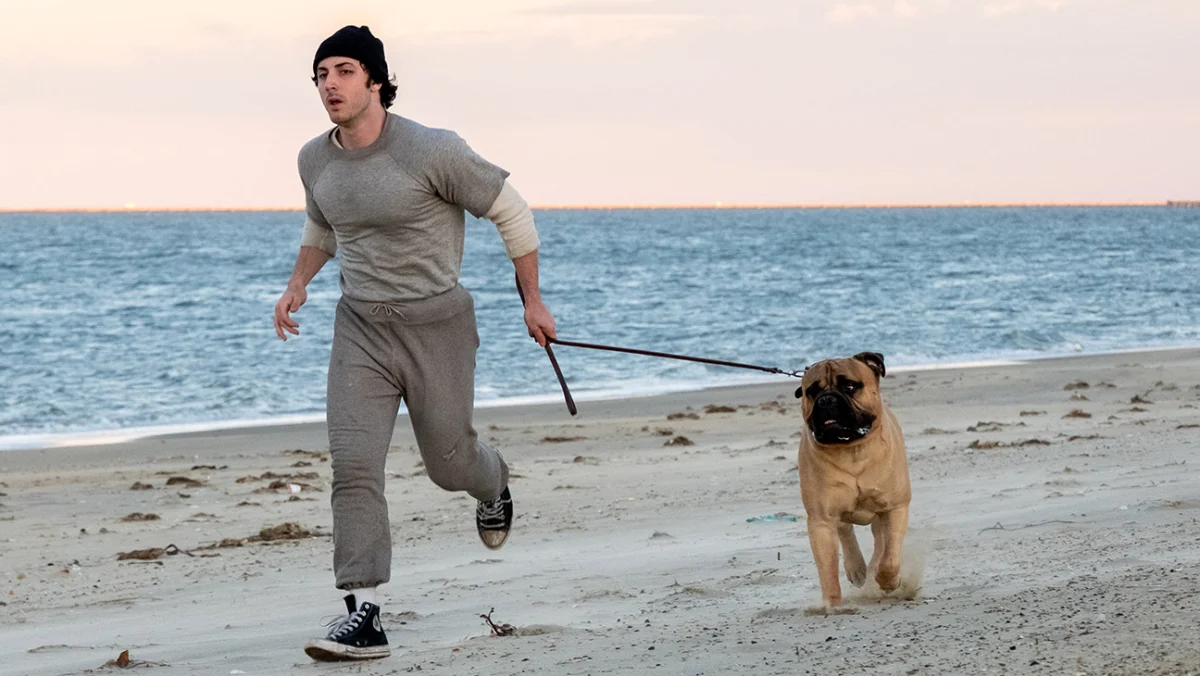
Central to the burgeoning acclaim for "I Play Rocky" is the performance of its little-known star, Anthony Ippolito. The 27-year-old actor embodies Sylvester Stallone with an uncanny precision, capturing not only his unconventional yet iconic appearance but also his distinctive mannerisms and speaking style. Ippolito’s portrayal is reportedly so compelling that it has propelled him into serious contention for a Best Actor Oscar nomination, a remarkable feat for an actor of his profile.
Much like Stallone himself five decades ago, Ippolito’s path to this career-changing role adds another layer to the film’s underdog narrative. His dedication to channeling the young Stallone—a figure known for his relentless drive and unique screen presence—creates a powerful meta-narrative. Audiences are not just rooting for the character on screen but also for the actor who, much like Stallone in 1976, stands on the precipice of a major career breakthrough. This confluence of performance and real-life story strengthens the film’s emotional impact and its awards prospects.
Navigating the Legacy: The Stallone Factor
Despite the celebratory nature of "I Play Rocky," a significant "hazard" looms in the form of Sylvester Stallone himself. While director Peter Farrelly has stated that Stallone was pleased with the finished film and Ippolito reportedly spoke with him prior to filming, Stallone was not directly involved in the production of "I Play Rocky," nor does he appear to be slated to financially benefit from it. This absence of direct involvement and financial stake is critical, given Stallone’s past public disputes regarding the rights and profits from the "Rocky" franchise.

In 2022, Stallone publicly lashed out at Irwin Winkler, one of the original "Rocky" producers, accusing him of withholding an equitable stake in the franchise that he created. This deeply personal and public disagreement highlights Stallone’s passionate and often contentious relationship with the legacy of "Rocky" and its associated intellectual property. The film, "I Play Rocky," portrays both Winkler and the late Robert Chartoff, the other original producer, rather sympathetically, with Winkler even making a cameo. Chartoff’s widow also attended the premiere, suggesting their satisfaction with their portrayal.
The Stakes of Public Endorsement
The potential impact of Stallone’s public reaction to "I Play Rocky" on its Oscar prospects cannot be overstated. Should the octogenarian icon, who turned 80 in July, choose to publicly criticize the film, it could severely damage its awards chances, potentially alienating Academy voters who hold deep respect for Stallone and his contributions to cinema. Conversely, a public endorsement from Stallone would be a massive boon, lending authenticity and a powerful narrative to the film’s awards campaign.
Ironically, Stallone has considerable reasons to champion the film. Written by Peter Gamble, "I Play Rocky" is fundamentally a celebration of Stallone’s intelligence, tenacity, and raw talent that brought "Rocky" to life. Furthermore, it largely reinforces the popular origin story of "Rocky" that Stallone has cultivated and repeated for half a century, even if some aspects of that legend have been subject to historical scrutiny. For a figure so invested in his own legacy, a film that burnishes his mythos could prove irresistible to support.
Crafting the Cinematic Homage
Beyond Ippolito’s central performance, "I Play Rocky" is bolstered by a strong ensemble and skilled creative team. AnnaSophia Robb delivers a notable performance as Stallone’s first wife, while Tracy Letts portrays the head of United Artists and Jay Duplass steps into the shoes of original "Rocky" director John G. Avildsen. These supporting turns contribute to the film’s immersive recreation of 1970s Hollywood and the fraught journey to bring "Rocky" to the screen.
The film’s visual language is also a key component of its success. Cinematographer Sean Porter, who previously worked on "Green Book," brings a keen eye to the period setting, while production designer Anthony Gasparro meticulously recreates the era. Makeup artist Jackie Risotto and hairstylist Nakoya Yancey are credited for their crucial roles in transforming Ippolito into a convincing young Stallone, an achievement that underpins the film’s central performance. Amazon/MGM Studios is set to begin its U.S. rollout of "I Play Rocky" on November 6, signaling its confidence in the film’s commercial and critical potential.
Broader Implications for Awards Season
The emergence of "I Play Rocky" adds a compelling new layer to the already competitive Best Picture race. Its unique blend of Hollywood history, an inspiring true story, and a powerful central performance positions it as a film that could appeal to a broad spectrum of Academy voters. The Academy has historically shown an affinity for films that celebrate the filmmaking process itself or tell compelling stories from within the industry, especially those that highlight perseverance and creative vision.
The film’s strong audience reception at TIFF, reminiscent of "Green Book," suggests it possesses the emotional resonance that can sway voters, particularly those who prioritize heartwarming narratives over purely artistic innovation. As the awards season progresses, the narrative surrounding "I Play Rocky" – an underdog film about an underdog story, starring a breakout actor – could become a powerful force, potentially drawing comparisons not just to "Rocky" and "Green Book" but to other inspirational biopics that have achieved Oscar glory.
The Enduring Allure of the Underdog Story
The enduring appeal of the underdog narrative, whether in sports, personal ambition, or the cutthroat world of Hollywood, is a powerful cultural constant. "I Play Rocky" taps directly into this universal theme, offering a fresh look at one of cinema’s most iconic underdog tales. By exploring the struggles and triumphs behind the creation of "Rocky," the film not only provides a nostalgic trip for fans but also serves as a potent reminder of the tenacity required to achieve seemingly impossible dreams.
This cyclical nature of honoring its own mythology, particularly stories of perseverance against the odds, is a recurring motif in Hollywood. "I Play Rocky" is poised to capitalize on this fascination, potentially rekindling interest in the original "Rocky" while simultaneously crafting its own legacy. Its journey through the upcoming awards season will be closely watched, not only for its own sake but as a fascinating case study in how audience enthusiasm, critical reception, and the shadow of a legendary figure can converge to shape a film’s destiny.
As "I Play Rocky" prepares for its wider release, all eyes will be on its ability to sustain the momentum generated at TIFF. Its unique position as a film about an iconic Hollywood legend, facing its own underdog journey through the awards season, makes it one of the most intriguing contenders to watch. The confluence of its compelling subject matter, strong performances, and the looming influence of Sylvester Stallone himself sets the stage for a dramatic and potentially historic awards run.