Amazon Music is significantly intensifying its commitment to video podcasts, announcing a series of new partnerships and a substantial expansion of its visual content offerings. The move positions the digital audio giant to directly compete in the rapidly evolving multimedia entertainment landscape, signaling a strategic shift to capture a larger share of consumer attention and creator talent. This initiative broadens the platform’s capabilities beyond traditional audio, integrating visual elements that align with contemporary consumption habits and industry trends.
The Evolving Landscape of Digital Audio and Video
The expansion by Amazon Music is not an isolated event but rather a clear response to a pervasive trend within the digital entertainment sector. For years, podcasting primarily existed as an audio-first medium, allowing listeners to engage with content during commutes, workouts, or other activities where visual engagement was impractical. However, the rise of platforms like YouTube demonstrated the immense appetite for video content, even for traditionally audio-centric formats. Consumers increasingly seek a more immersive experience, often desiring to see the hosts, guests, and visual aids discussed within a program. This demand has spurred major players across the tech and media industries to invest heavily in video podcasting capabilities, transforming the very definition of what a "podcast" can be. Competitors such as Spotify and Apple Podcasts have already made significant inroads, with Spotify notably acquiring exclusive video podcast rights for high-profile shows and Apple integrating video features into its platform. Even streaming giants like Netflix have explored companion video content, highlighting the widespread recognition that visual elements are crucial for engaging modern audiences.
Amazon Music’s Strategic Video Push
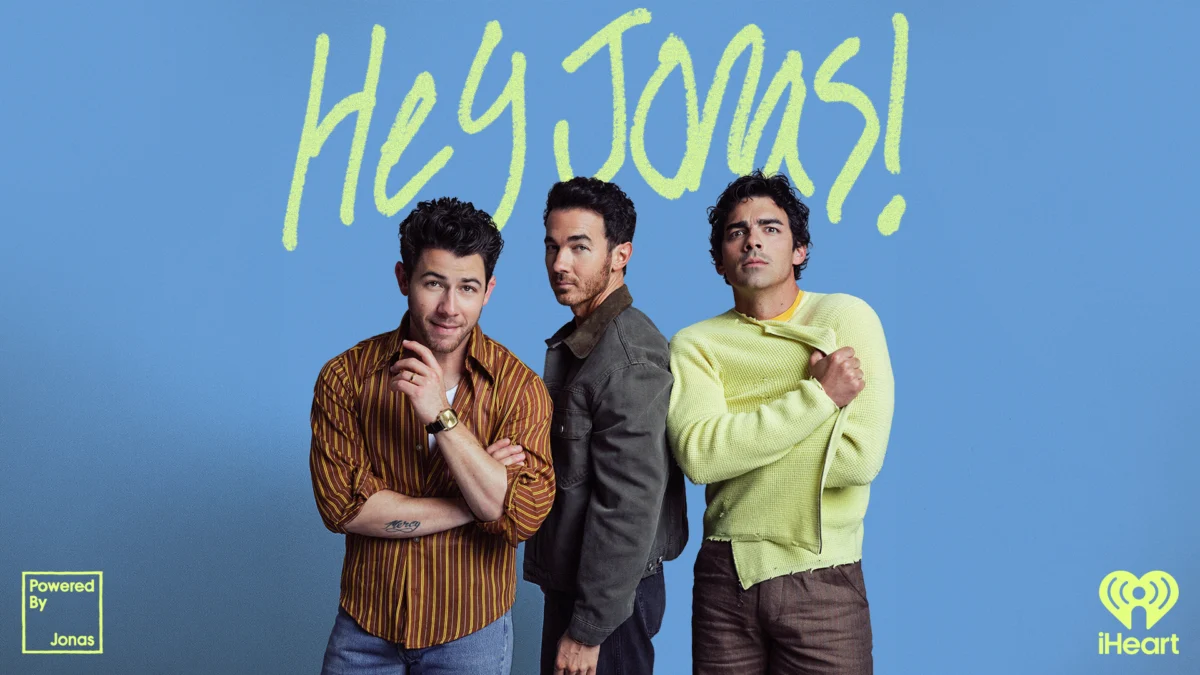
Starting Wednesday, Amazon Music users gained the immediate ability to access and watch video podcasts directly within the application. This initial rollout integrates content from prominent hosting providers, including Triton Digital’s Omny Studio and Flightcast, offering a diverse range of programs from day one. The initial lineup includes popular titles such as Hey Jonas!, Joy 101 with Hoda Kotb, Pro Football Talk Live with Mike Florio, and Solved with Mark Manson. These inaugural offerings represent a mix of entertainment, news, and self-improvement genres, reflecting Amazon Music’s intent to cater to a broad audience.
Looking ahead, the platform has announced an ambitious pipeline of content, with shows from major partners like SiriusXM, Megaphone, and Libsyn slated for release in the coming months. Further expansions will bring content from iHeartMedia, NBC Sports, Headgum, and even existing competitor Spotify, underscoring Amazon Music’s aggressive approach to content acquisition and aggregation. This multi-faceted content strategy aims to establish Amazon Music as a premier destination for video podcasts, leveraging both established hits and emerging voices.
Expanding Global Reach and Monetization Capabilities
Initially introduced to U.S. subscribers in May, Amazon Music’s video podcast functionality is now undergoing a significant international rollout. The service is being extended to customers in key global markets, including Canada, the United Kingdom, Mexico, Brazil, and Japan. This strategic geographical expansion acknowledges the global appeal of podcasts and the diverse international user base of Amazon Music, allowing the platform to tap into new demographics and strengthen its competitive position worldwide. The choice of these markets likely reflects existing subscriber bases, local content production potential, and high internet penetration rates conducive to video streaming.
Crucially, Amazon Music is also empowering creators with robust monetization capabilities for their video podcasts. The platform now supports the insertion of video advertisements directly into shows, providing creators with a new revenue stream. This complements existing brand sponsorships and "baked-in" advertisements that have long been a staple of podcast monetization. The ability for creators to maintain full ownership of their hosting, ad inventory, and audience monetization was explicitly highlighted by Shea Simpson, Head of Spoken Word for Amazon Music. This creator-centric approach is vital for attracting top talent, offering them flexibility and control over their content and earnings, a significant differentiator in a crowded market. ART19, a podcast hosting provider owned by Amazon, played a foundational role in this expansion, being the first to distribute video podcasts on Amazon Music, demonstrating the synergy within Amazon’s broader digital ecosystem.
Implications for Content Creators and Advertisers
The integration of video into podcasting fundamentally alters the landscape for content creators. While it presents new opportunities for engagement and monetization, it also introduces complexities. Producing video content typically requires higher production values, more sophisticated equipment, and greater post-production effort compared to audio-only formats. This could potentially raise the barrier to entry for independent creators, although the enhanced monetization opportunities may offset these increased costs for successful shows. For creators, the ability to visually connect with their audience can foster deeper engagement, build stronger communities, and open new avenues for storytelling and branding.
For advertisers, the move offers a more premium ad inventory. Video ads within podcasts can command higher advertising rates (CPMs) due to their increased visibility and engagement potential compared to audio-only spots. The ability to integrate visual branding, product demonstrations, or more dynamic storytelling within an ad creates a more impactful advertising experience. This expansion also provides advertisers with a new channel to reach Amazon Music’s extensive global audience, leveraging the platform’s data and targeting capabilities. The combination of established ad formats and new video ad insertions offers a flexible and lucrative environment for brands seeking to connect with engaged podcast listeners.
A Deeper Dive into Consumer Preferences
Shea Simpson articulated the core philosophy behind Amazon Music’s video push, stating, "Industry data confirms what our customers have been telling us — they want the flexibility to watch their favorite podcasts, in addition to listening." This statement underscores a critical shift in consumer behavior. Modern audiences expect choice and convenience, desiring the option to consume content in the format that best suits their current activity and preference. Whether it’s watching a celebrity interview during downtime or listening to a news update while driving, flexibility is paramount. Simpson emphasized Amazon Music’s commitment to expanding offerings to allow customers to "engage across formats," recognizing that a multi-modal approach is key to sustained user engagement. The content spans diverse genres, including true crime, breaking news, and celebrity interviews, indicating a broad appeal strategy.
This understanding of evolving consumer habits is not unique to Amazon. The competitive pressure from platforms like YouTube, which inherently offers a visual experience, has compelled traditional audio platforms to adapt. By providing a native video experience, Amazon Music aims to retain users who might otherwise migrate to other platforms for their visual podcast fix, reinforcing its position as a comprehensive entertainment hub.
Amazon’s Broader Digital Ecosystem and Future Outlook
The current expansion builds upon previous efforts to integrate video podcasts. The initial U.S. launch in May included high-profile shows such as Higher Ground’s IMO with Michelle Obama and Craig Robinson, Khloé in Wonder Land, Not Skinny But Not Fat, and Let’s Be Honest with Kristin Cavallari. Additionally, titles from Amazon-owned Wondery, including New Heights, Armchair Expert, and The Oprah Podcast, were part of this initial rollout. This phased approach demonstrates a calculated strategy to test, refine, and then scale the video podcast offering, leveraging existing content partnerships and owned intellectual property.
This move aligns with Amazon’s overarching strategy of integrating various content services into a cohesive digital ecosystem. By bolstering Amazon Music’s video capabilities, the company further strengthens its position against rival entertainment platforms, potentially driving increased subscriptions to Amazon Prime, which often bundles various Amazon services. The future could see even tighter integration with other Amazon properties, such as Prime Video or Twitch, or the introduction of interactive features unique to the Amazon Music platform, further blurring the lines between traditional audio and video entertainment.
Amazon Music’s aggressive push into video podcasts marks a significant inflection point in the digital audio landscape. By responding to consumer demand, offering robust monetization tools for creators, and strategically expanding its global footprint, Amazon Music is positioning itself as a formidable contender in the highly competitive multimedia content arena. The evolution of podcasts from a purely auditory experience to a rich, multi-sensory offering reflects the dynamic nature of digital media and the continuous innovation required to capture and retain audience attention in the 21st century.