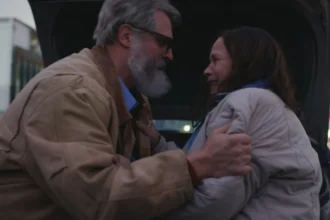
The upcoming feature film Nosotros is set to offer an intimate portrayal of an Indigenous man in Guatemala grappling with profound shifts in identity, class, and desire as he transitions from the rural highlands to the bustling capital of Guatemala City. Scheduled for its world premiere on September 12 at the prestigious Toronto International Film Festival (TIFF) as part of its Discovery program, the film marks the directorial debut of Guatemalan producer Joaquín Ruano, known for his work on Our Mothers.
Unpacking a Complex Journey: Rural to Urban Migration in Guatemala
Nosotros centers on Romero, played by Josef Coxaj, a security guard who leaves his ancestral Indigenous community for work in Guatemala City. His journey immediately plunges him into an unfamiliar urban landscape, where he confronts feelings of estrangement, loneliness, and a pervasive "performative macho milieu," as described by the film’s synopsis on the TIFF website. This migration narrative is not uncommon in Guatemala, where economic disparities, environmental changes, and the search for better opportunities often drive Indigenous populations from their traditional territories to urban centers. Such transitions frequently entail cultural displacement, language barriers, and a struggle to maintain Indigenous identity amidst new social norms and economic pressures.
Guatemala’s highlands are home to a significant portion of the country’s Indigenous Maya population, who have maintained rich cultural traditions for centuries. However, these regions often suffer from underdevelopment, limited access to education, healthcare, and stable employment. Moving to Guatemala City, a sprawling metropolis with stark contrasts between wealth and poverty, presents a different set of challenges. Newcomers, particularly those from Indigenous backgrounds, frequently face discrimination, economic exploitation, and a struggle to find housing and integrate into urban society while preserving their cultural heritage.
A Quest for Connection Amidst Societal Divides
Romero’s narrative takes a pivotal turn when he encounters Nubia, a transgender small business owner portrayed by Lola Vásquez, at the mall he patrols. Their burgeoning connection becomes an "unexpected refuge" for Romero, allowing him to discover a new sense of self in a society not yet prepared to fully embrace their unique bond. This relationship forms the emotional core of Nosotros, exploring the complexities of human connection in a world defined by intersecting prejudices. Mayra Salvador also features in the cast, contributing to the ensemble that brings this intricate story to life.
The film delves into the prevalent issues of racism, transphobia, economic inequality, and deeply ingrained notions of masculinity that permeate Guatemalan society. These systemic barriers often dictate whose lives and desires are deemed acceptable or are afforded space to flourish. For transgender individuals in Guatemala, daily life can be fraught with discrimination, violence, and a lack of legal recognition and protection. Finding love and acceptance in such an environment becomes an act of profound courage and resilience, challenging societal norms and advocating for visibility and dignity.
The Lingering Scars of Conflict: Guatemala’s Civil War
Beyond personal struggles, Nosotros courageously touches upon the enduring impact of Guatemala’s brutal civil war, which raged from 1960 to 1996. This conflict, one of the longest and bloodiest in Latin America, disproportionately affected Indigenous communities, who bore the brunt of state-sponsored violence, massacres, and forced displacement. The war’s legacy continues to shape the social and political landscape of Guatemala, manifesting in deep-seated trauma, a fractured sense of trust, and persistent social inequalities. The film’s acknowledgment of these "lingering scars" suggests a narrative that is historically conscious, understanding that contemporary struggles for Indigenous identity and social justice are inextricably linked to past atrocities.
The war’s aftermath left a nation struggling with reconciliation and justice. Many Indigenous survivors still seek reparations and accountability for the human rights abuses committed against them. Nosotros positioning itself within this historical context underscores the idea that the personal is political, and individual journeys are often shaped by the collective memory and unresolved conflicts of a nation.
Joaquín Ruano’s Vision and the Rise of Guatemalan Cinema
Joaquín Ruano, who wrote and directed Nosotros, brings a nuanced perspective to this narrative. His previous role as a producer on films like Our Mothers (La Llorona), which also tackled the historical trauma of the civil war and Indigenous experiences, suggests a deep commitment to exploring critical social issues through cinema. Nosotros represents his transition into feature film direction, a significant step for a filmmaker dedicated to authentic Guatemalan storytelling.
Guatemalan cinema has been gaining international recognition in recent years, with a new wave of filmmakers addressing national identity, historical memory, and contemporary social challenges. These films often blend social realism with artistic vision, offering a powerful platform for voices and stories that have historically been marginalized. Ruano’s film, with cinematography by Paolo Giró and editing by César Díaz, appears poised to contribute to this emerging cinematic landscape, using its "restrained and atmospheric portrait" style to convey profound emotional depth and social commentary. The film’s sales are being handled by FiGa Films, indicating its aspiration for a broader international distribution following its festival run.
TIFF’s Discovery Program: A Global Launchpad
The Toronto International Film Festival is one of the most influential film festivals globally, renowned for its diverse programming and its role in launching independent and international films onto the world stage. Its Discovery program, where Nosotros will premiere, is specifically curated to showcase the work of emerging filmmakers from around the globe. This section is known for highlighting bold, innovative narratives and fresh cinematic voices. For a debut feature from Guatemala, premiering in Discovery at TIFF is a significant achievement, providing an invaluable platform for global visibility and critical attention.
The festival’s reputation for fostering new talent means that Nosotros could garner substantial buzz, potentially leading to distribution deals and further festival appearances. Such exposure is crucial for films from regions like Guatemala, which often struggle to gain international traction despite their artistic merit and social relevance. The trailer, exclusively premiered by THR, offers a glimpse into Romero’s transformative journey, his initial apprehension in the city, his encounter with Nubia, and the tentative beginnings of their tender connection, setting the stage for an emotionally resonant cinematic experience.
Broader Implications and Societal Discourse
Nosotros stands to spark important conversations, both within Guatemala and internationally, about the intersections of identity, sexuality, and social justice. By foregrounding the experiences of an Indigenous man and a transgender woman, the film challenges audiences to confront their own biases and to consider the systemic inequalities that shape individual lives. The narrative acts as a powerful piece of social commentary, urging a deeper understanding of the struggles faced by marginalized communities.
The film’s exploration of "performative macho milieu" is particularly pertinent in Latin America, where machismo often dictates rigid gender roles and creates hostile environments for those who defy traditional masculinity or gender identity. By portraying a sensitive and evolving male protagonist who finds solace and self-discovery through a relationship with a transgender woman, Nosotros subtly deconstructs these harmful stereotypes, promoting a more fluid and inclusive understanding of human connection and self-acceptance.
A Timely Narrative of Belonging and Resilience
As Nosotros prepares for its world premiere, it arrives at a moment when global cinema increasingly seeks out authentic, diverse narratives that reflect the complexities of the human experience. The film’s focus on an Indigenous man navigating his identity and desires in a challenging urban environment, coupled with its sensitive portrayal of a transgender relationship and its historical consciousness, positions it as a significant work. It is a story of resilience, of finding belonging in unexpected places, and of the enduring human need for connection even when society seems unready to make space for it. The journey of Romero and Nubia is poised to resonate deeply, offering a poignant reflection on the ongoing quest for dignity and acceptance in a world still grappling with prejudice and inequality.