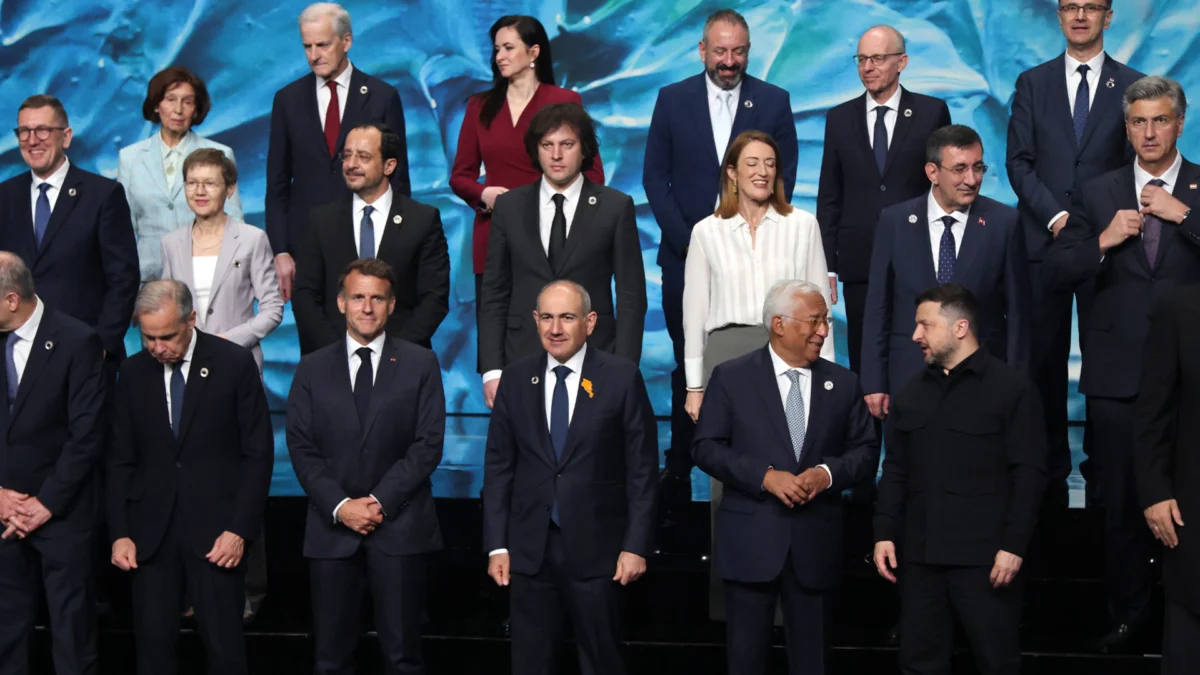
The unprecedented gathering of European officials in the Armenian capital marks a pivotal moment for the South Caucasus nation, which has long navigated a complex relationship with both Russia and the West. The summits, held over several days, provided a platform for candid discussions on regional stability, the future of economic partnerships, and the broader implications of the war in Ukraine for European security architecture.
Armenia’s Strategic Reorientation: A New European Embrace
For decades, Armenia has been a close security and economic partner of Russia, a relationship solidified through various bilateral agreements and membership in organizations like the Collective Security Treaty Organization (CSTO). However, recent geopolitical shifts, coupled with perceived shortcomings in Russian security guarantees, have prompted Yerevan to explore a more diversified foreign policy. The decision to host these major EU summits is a clear manifestation of this strategic recalibrating, indicating a strong desire to foster closer political and economic integration with the European bloc.
The presence of high-ranking EU representatives, including key ministers and officials from Brussels, highlights the growing importance of Armenia in the EU’s Eastern Partnership program and its broader engagement strategy with countries in its neighborhood. These summits represent more than just diplomatic meetings; they embody a tangible commitment from both sides to explore new avenues of cooperation and strengthen existing bonds.
Security Concerns and the Shadow of Ukraine
A primary focus of the discussions revolved around regional security, a topic of paramount importance for Armenia given its volatile neighborhood. The ongoing conflict in Ukraine cast a long shadow over the proceedings, prompting in-depth conversations about its impact on European security, international law, and the principles of national sovereignty. Armenia, which shares a complex and often tense relationship with its neighbor Azerbaijan, closely monitors developments in Ukraine as they relate to territorial integrity and the efficacy of international security mechanisms.
Discussions also delved into Armenia’s own security challenges. The unresolved Nagorno-Karabakh conflict and the subsequent displacement of populations have created significant humanitarian and security concerns. European partners expressed solidarity and offered support for peaceful conflict resolution, while also emphasizing the importance of dialogue and de-escalation in the South Caucasus. The summits provided an opportunity for Armenia to articulate its security needs and explore potential avenues for enhanced cooperation with EU member states on defense and security matters.
Economic Partnerships: Forging New Trade Routes and Investments
Beyond security, the summits placed a significant emphasis on bolstering economic ties between Armenia and the European Union. Discussions centered on expanding trade, attracting European investment, and fostering greater integration into the European single market. Yerevan has expressed a strong interest in diversifying its economic partnerships to reduce its reliance on traditional markets and tap into the vast opportunities offered by the EU.
Key areas of focus included digital economy initiatives, renewable energy projects, and the development of infrastructure that can facilitate increased trade flows. European businesses have shown a growing interest in Armenia’s potential, particularly in sectors like information technology, agriculture, and tourism. The summits served as a crucial platform to identify specific projects and create a more conducive environment for business engagement.
The potential for Armenia to serve as a gateway for European goods and services into the broader Eurasian region was also a recurring theme. As global supply chains undergo significant transformations, Armenia’s strategic location and its increasing alignment with European standards could position it as a valuable economic bridge.
A Geopolitical Pivot: Implications for Russia and the Wider Region
Armenia’s deepening engagement with the European Union inevitably raises questions about its long-standing relationship with Russia. While Yerevan has consistently maintained its commitment to its existing alliances, the current trajectory suggests a deliberate effort to balance its partnerships and reduce its over-reliance on Moscow. This pivot is not necessarily an outright rejection of Russia, but rather a strategic diversification aimed at enhancing Armenia’s sovereignty and economic resilience.
The implications of this shift extend beyond Armenia’s borders. It could signal a broader trend of reassessment of geopolitical allegiances in the post-Soviet space, as countries seek to adapt to a rapidly evolving global landscape. For Russia, a diminishing influence in its traditional sphere of influence presents a strategic challenge, while for the EU, it represents an opportunity to strengthen its presence and promote its values in a strategically important region.
The EU’s willingness to invest in closer ties with Armenia also reflects a broader strategy of engaging with Eastern Partnership countries to foster stability, democracy, and economic prosperity. The success of these initiatives is seen as crucial for shaping the future security and economic landscape of Eastern Europe and the South Caucasus.
Public Impact and Aspirations for a European Future
For the Armenian populace, the hosting of these high-level EU summits represents a tangible sign of progress and a hopeful vision for the future. Many Armenians aspire to closer integration with Europe, drawn by its democratic values, economic opportunities, and commitment to human rights. The increased engagement with the EU is seen as a pathway to modernization, improved living standards, and greater regional stability.
The summits also provide an opportunity for direct engagement between European leaders and Armenian civil society, fostering a deeper understanding of shared aspirations and challenges. Public discourse surrounding these events reflects a strong desire for a more open, prosperous, and secure Armenia, firmly anchored within the European orbit. The media coverage and public discussions surrounding the summits highlight a collective hope for a future where Armenia plays a more prominent and independent role on the international stage.
Looking Ahead: The Road to Deeper Integration
The successful conclusion of these major EU summits in Yerevan marks a significant milestone in Armenia’s journey towards closer integration with Europe. The agreements and discussions held during these meetings are expected to pave the way for concrete initiatives in the coming months and years, spanning security cooperation, economic development, and democratic reforms.
While the path ahead may present its own set of challenges, the strategic pivot undertaken by Armenia, underscored by its willingness to host these pivotal EU gatherings, signals a clear determination to forge a new chapter in its foreign policy. The outcomes of these summits will be closely watched, both within Armenia and across the wider geopolitical landscape, as they chart a new course for this strategically important South Caucasus nation. The commitment to dialogue and cooperation, evident throughout the summit proceedings, offers a promising outlook for a more integrated and secure future for Armenia and the broader European neighborhood.