Following the guilty verdict delivered against Duane "Keffe D" Davis in the nearly three-decade-old murder case of Tupac Shakur, recording artist Aubrey O’Day has publicly asserted that Sean "Diddy" Combs must also face accountability should evidence substantiate his involvement in the iconic rapper’s killing. O’Day’s comments, shared via a social media post, underscore the legal principle that responsibility for a murder extends beyond the individual who directly pulls the trigger, encompassing those who orchestrate or finance such crimes.
Keffe D’s Conviction: A Breakthrough in a Cold Case
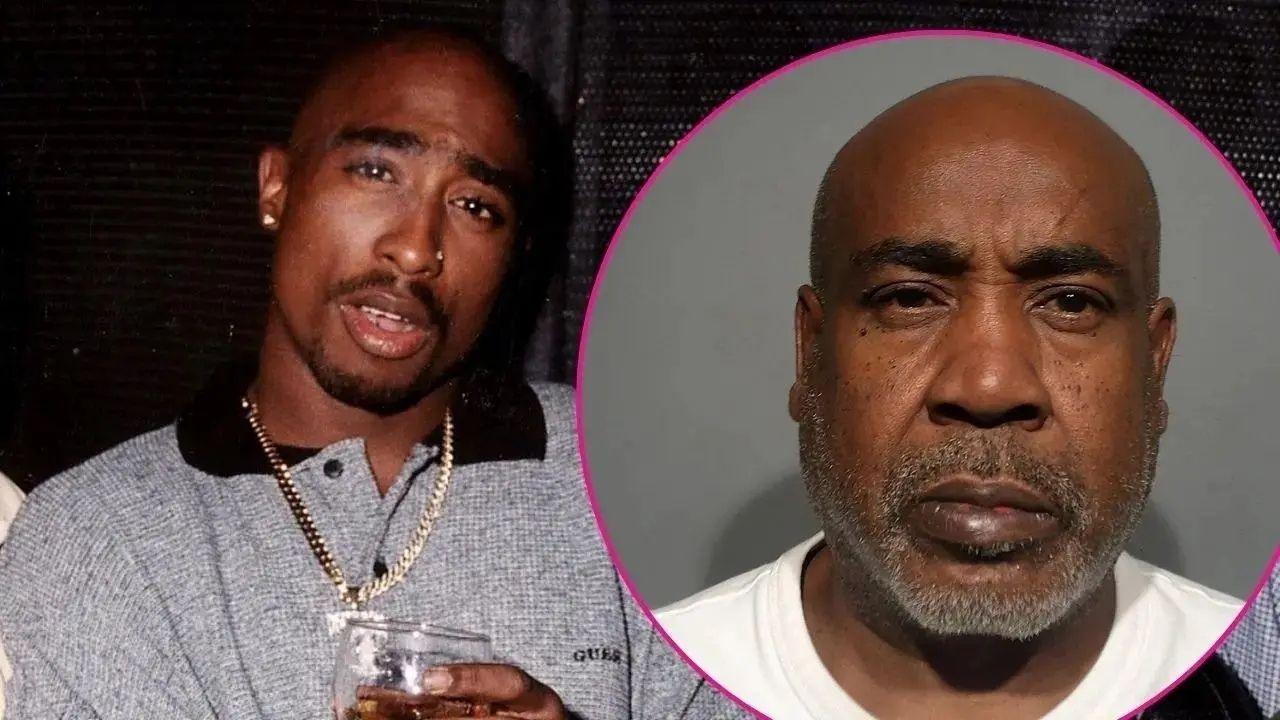
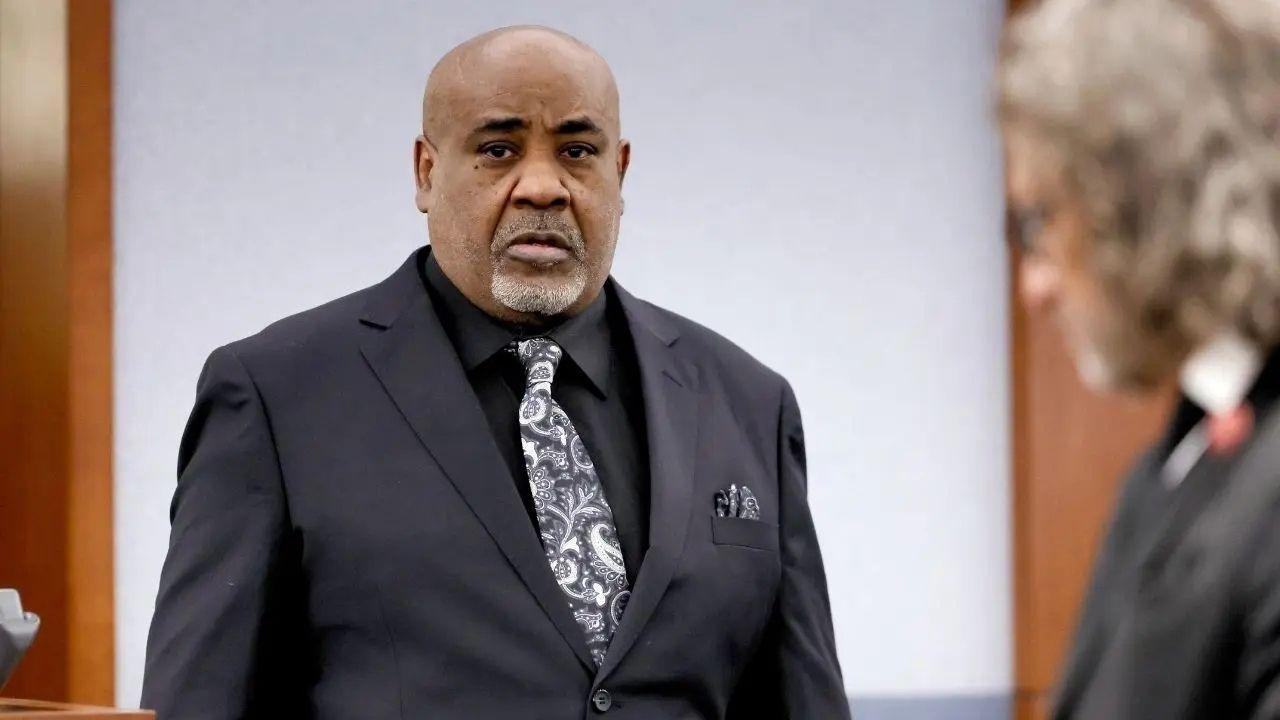
On Monday, August 31, Duane "Keffe D" Davis, 63, was found guilty of first-degree murder for his integral role in the 1996 fatal shooting of Tupac Shakur. The conviction marks a significant breakthrough in one of hip-hop’s most enduring cold cases, bringing a measure of closure after nearly 30 years of unanswered questions and rampant speculation. Prosecutors in Las Vegas presented evidence that Davis, a former leader of the Southside Crips gang, orchestrated the murder by allegedly providing the handgun to members of his gang who subsequently carried out the shooting.

The legal proceedings highlighted Nevada’s statutes on accomplice liability, which stipulate that an individual can be held criminally responsible for murder if they aid, abet, or conspire with another person in the commission of the crime. This legal framework was central to securing Davis’s conviction, emphasizing that direct involvement in the physical act of killing is not a prerequisite for a murder charge when one plays a critical role in its planning and execution. The verdict against Davis sends a clear message about the long reach of justice, even decades after the fact.
The Shadow of Tupac Shakur’s Unsolved Murder
Tupac Shakur, born Lesane Parish Crooks, was one of the most influential and prolific artists of his generation, whose life was tragically cut short on September 7, 1996. The 25-year-old rapper was fatally shot in Las Vegas while riding in a black BMW with Marion "Suge" Knight, then CEO of Death Row Records. The shooting occurred just hours after Shakur and Knight were involved in an altercation at the MGM Grand Hotel following a Mike Tyson boxing match. Shakur succumbed to his injuries six days later, on September 13, 1996, at the University Medical Center of Southern Nevada.
His murder became a symbol of the intense East Coast-West Coast hip-hop rivalry of the 1990s, a period marked by escalating tensions between artists and labels. Shakur’s death, along with the unsolved murder of Notorious B.I.G. (Christopher Wallace) six months later, left an indelible mark on the music industry and American culture, fueling countless conspiracy theories and a pervasive sense of injustice. For decades, law enforcement struggled to identify and prosecute those responsible, making Keffe D’s conviction a landmark event.

Keffe D’s Self-Incrimination and Arrest
Duane "Keffe D" Davis first garnered significant attention in connection with Tupac Shakur’s murder through his own admissions. Over the years, Davis openly discussed his involvement in the events leading up to Shakur’s death, notably in his 2019 memoir, "Compton Street Legend," and in various interviews. In these accounts, he described being in the car from which the fatal shots were fired and implicated his nephew, Orlando Anderson, as the shooter. Anderson, a known rival gang member, was later killed in an unrelated shooting in 1998 and always denied involvement in Shakur’s murder.
These public confessions, initially treated with skepticism by some, ultimately formed a crucial part of the prosecution’s case. Law enforcement in Las Vegas conducted a renewed investigation, culminating in Davis’s arrest in September 2023. A grand jury indictment followed, charging him with murder with a deadly weapon. The prosecution relied heavily on Davis’s self-incriminating statements, which provided an insider’s perspective on the planning and execution of the shooting, connecting him directly to the provision of the weapon and the coordination of the attack.
Aubrey O’Day’s Demand for Broader Justice

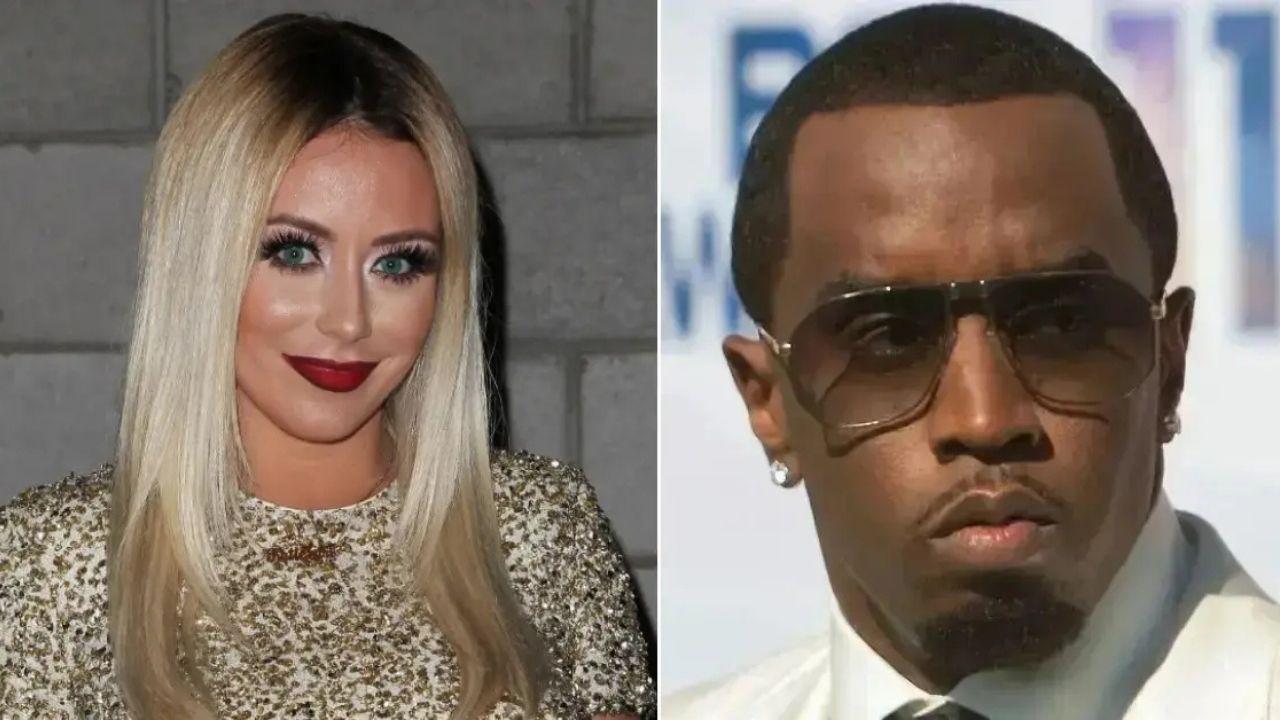
Aubrey O’Day, a former member of the musical group Danity Kane and Diddy-Dirty Money, has been a vocal critic of Sean "Diddy" Combs for several years, often sharing her experiences and allegations related to his conduct within the music industry. Her recent post on X (formerly Twitter) on August 31 articulated a clear demand for justice that extends beyond the immediate perpetrators of a crime. "Today’s verdict makes one thing painfully clear: you do not have to be the person who pulls the trigger to be held responsible for a murder," O’Day stated. "A jury found Keffe D guilty of orchestrating Tupac Shakur’s killing nearly 30 years later."
O’Day continued by directly posing the question of broader accountability: "So now the question becomes: if evidence establishes that anyone else financed, ordered, encouraged, or knowingly set that murder in motion, why should their accountability be any different?" Her impassioned plea emphasized that "Justice cannot stop with the person in the car. It has to follow the evidence wherever and to whomever-it leads." This stance reflects a growing public sentiment that all individuals involved in high-profile criminal enterprises, especially those that involve violence, should be held to account, regardless of their status or influence.
Allegations Against Sean ‘Diddy’ Combs
For years, speculation has swirled around Sean "Diddy" Combs regarding his potential involvement in Tupac Shakur’s murder, largely fueled by the intense rivalry between Combs’s Bad Boy Records and Suge Knight’s Death Row Records. Duane "Keffe D" Davis himself has been a primary source of these allegations, claiming on multiple occasions that Combs offered him $1 million to kill both Tupac Shakur and Suge Knight. These explosive claims, though never leading to official charges against Combs in Shakur’s murder, have kept the allegations alive in the public consciousness.
Combs has consistently denied any involvement in Shakur’s death. However, his legal landscape has dramatically shifted in recent years. As of the article’s publication date, Sean "Diddy" Combs is currently incarcerated, serving a sentence until February 2028 after being found guilty of two counts of transportation to engage in prostitution. This conviction, alongside numerous civil lawsuits alleging sexual assault, human trafficking, and other misconduct, has severely tarnished his public image and subjected him to intense scrutiny. The convergence of these legal troubles with the renewed focus on the Tupac Shakur murder case creates a complex and challenging environment for the music mogul.
The ‘Sean Combs: The Reckoning’ Documentary
Further intensifying the spotlight on Combs’s alleged connections to the Tupac Shakur case was the Netflix documentary, "Sean Combs: The Reckoning," which premiered in December 2025. Produced by rapper Curtis "50 Cent" Jackson, a known rival of Combs, the documentary featured Duane "Keffe D" Davis prominently. In the film, Davis reiterated his claims that Diddy offered him and his nephew a substantial sum to eliminate Shakur and Knight. Davis also alleged that Combs played a role in exacerbating the animosity between the Crips and Bloods gangs, which underpinned much of the East Coast-West Coast hip-hop conflict.
O’Day directly referenced this documentary in her follow-up post, urging viewers to "Watch Sean Combs, The Reckoning on @netflix, you can see all of those who conspired to have pac murdered." The documentary served to amplify Davis’s long-standing claims, bringing them to a global audience and contributing to the narrative surrounding Combs’s alleged culpability in the historical murder. Such media productions often play a significant role in renewing public interest and pressure on law enforcement to re-examine dormant aspects of high-profile cases.
Broader Implications and the Pursuit of Justice
The conviction of Duane "Keffe D" Davis represents a monumental moment not just for the Tupac Shakur case, but for the broader pursuit of justice in cold cases involving powerful figures. It demonstrates that time does not necessarily diminish the capacity for justice, and that persistent investigation and new legal strategies can yield results even after decades. This verdict may encourage renewed efforts in other long-unsolved crimes, signaling that accountability is possible for orchestrators as well as direct perpetrators.
For Sean "Diddy" Combs, the Keffe D verdict and Aubrey O’Day’s subsequent comments add another layer of complexity to his already embattled public and legal standing. While he has never been officially named a suspect in Tupac’s murder, the sustained allegations, particularly from a convicted party like Davis, will undoubtedly lead to further public discourse and potentially renewed scrutiny from legal authorities. The concept of "following the evidence wherever it leads," as articulated by O’Day, implies that if credible links to Combs emerge from ongoing investigations or new revelations, the demand for his accountability will intensify.
A New Chapter in a Decades-Old Saga
The guilty verdict in the murder of Tupac Shakur, a case that has haunted the music world for nearly three decades, opens a new chapter in a saga thought by many to be permanently unresolved. It affirms the principle that those who plan or facilitate violence can be held responsible, regardless of how much time has passed. The enduring legacy of Tupac Shakur, his music, and his untimely death continue to resonate, and the public’s desire for full transparency and accountability for all involved parties remains strong. As the legal consequences for Keffe D unfold, and with figures like Aubrey O’Day advocating for thorough investigations, the spotlight on the remaining unanswered questions surrounding Tupac Shakur’s killing is brighter than ever, with implications that could reach the highest echelons of the entertainment industry.