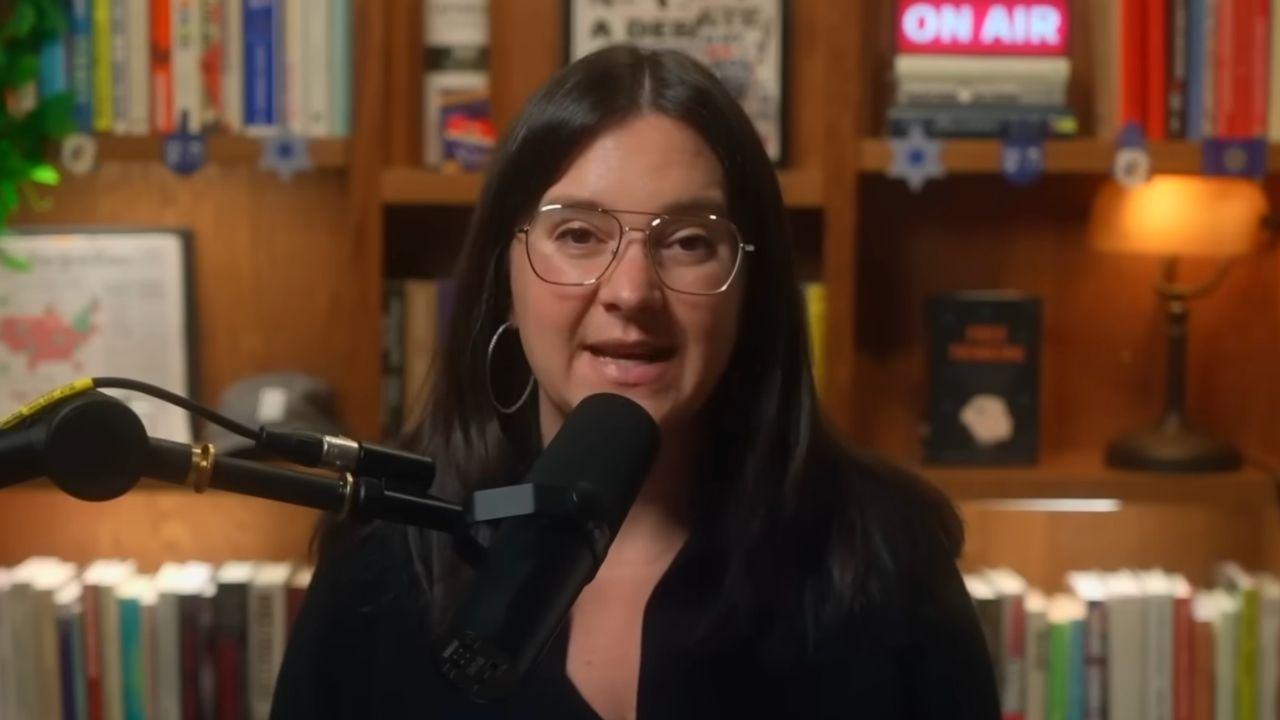
CBS News editor-in-chief Bari Weiss has ignited significant internal and external criticism following her directive to rework a headline concerning Michigan Democratic Senate candidate Abdul El-Sayed, which explicitly linked his deleted social media posts to the September 11 attacks. The controversial editorial decision, reported on Friday, September 5, 2026, has prompted a vigorous debate within the news organization and among media observers regarding journalistic ethics, political reporting, and the influence of leadership on editorial framing.
The Genesis of the Editorial Dispute
The controversy stems from a CBS News story detailing El-Sayed’s past tweets, which drew comparisons between the death toll of the COVID-19 pandemic and the tragic events of September 11, 2001. During a Monday morning editorial meeting, Weiss reportedly praised the initial story but instructed for its headline to be modified, leading to a more pointed and direct association between the Muslim candidate and the 9/11 attacks in the final published version. This move immediately raised concerns among various CBS staffers who viewed the revised headline as unnecessarily inflammatory and potentially misleading.

The original headline, as reported by sources familiar with the editorial process, read: "For Michigan Democrat Abdul El-Sayed, Sept. 11 commemoration invites scrutiny of past remarks." Under Weiss’s guidance, it was changed to: "Michigan Democrat Abdul El-Sayed’s deleted tweets on September 11 attacks invite scrutiny of past remarks." The subtle but significant alteration to include "deleted tweets" and explicitly connect them to "September 11 attacks" directly intensified the perceived scrutiny on El-Sayed’s past comments.
Bari Weiss’s Background and CBS News Role
Bari Weiss’s appointment as editor-in-chief at CBS News followed a period of considerable attention to her career and ideological stance. Known for her critiques of what she perceives as excesses in progressive culture and media, Weiss previously gained prominence at The New York Times before co-founding The Free Press. Her move to CBS News, occurring after David Ellison’s Paramount Skydance elevated her and acquired The Free Press, signaled a strategic shift for the legacy network, aiming to broaden its appeal and potentially introduce a more diverse range of perspectives into its editorial leadership.
However, her tenure has been marked by ongoing scrutiny, with critics and some within CBS questioning whether her distinct editorial philosophy aligns with the network’s traditional standards of objective and balanced reporting. This latest incident is seen by many as a direct manifestation of these underlying tensions, raising questions about how Weiss’s personal convictions might shape the news agenda and presentation at a major broadcast network.

Abdul El-Sayed’s Political Candidacy and Contentious Tweets
Abdul El-Sayed is a prominent figure in Michigan Democratic politics, currently vying for a U.S. Senate seat. As a Muslim American, his candidacy carries particular significance, and his public statements are often subjected to intense examination, especially in the charged landscape of national politics. The tweets in question were posted during the height of the COVID-19 pandemic, a period marked by widespread public health crises and intense political debate.
In one tweet, El-Sayed highlighted that the COVID-19 death toll had surpassed the number of lives lost on September 11, 2001. His intention, as his campaign later clarified, was to advocate for a robust national public health response commensurate with the urgency and mobilization seen after the 9/11 attacks. Another post, dated September 11, 2021, while mourning the victims of the attacks, also critically reflected on the subsequent global conflicts and their devastating consequences. His campaign has stated that El-Sayed unequivocally condemns terrorism and the 9/11 attacks, and that his tweets were intended to contextualize public health and foreign policy responses.
The Dynamics of Deleted Social Media Posts
The decision to spotlight El-Sayed’s "deleted tweets" became a central point of contention. El-Sayed’s campaign explained that all posts made prior to July 2023 were systematically removed to prevent older comments from being taken out of context by political opponents. This practice, while common among public figures preparing for high-stakes campaigns, often draws criticism from those who argue it conceals past statements from public scrutiny.

However, many journalists and commentators argue that reporting on deleted social media posts, especially when they are used to imply a hidden agenda or controversial stance, requires careful contextualization. Without proper nuance, such reporting can inadvertently amplify political attacks or create misinterpretations, particularly when dealing with sensitive topics like the September 11 attacks and a candidate from a marginalized community.
Intense Backlash from Within and Beyond CBS
The immediate aftermath of the headline change saw a wave of criticism both inside and outside CBS News. A senior CBS News staffer, speaking anonymously to The Hollywood Reporter, described the story as "a small nugget of news, forced into something much larger, and messed up." This sentiment was echoed by other current and former CBS employees, with one former senior staffer reportedly calling the entire piece "shameful," suggesting a deep-seated discomfort with the editorial direction.
The criticism extended beyond the network’s walls. Helen Lewis, a prominent writer for The Atlantic, publicly expressed her dismay on X (formerly Twitter), stating that the headline "reads like a dog whistle." Lewis emphasized the extreme sensitivity required when discussing a Muslim candidate in conjunction with "9/11," especially on what she considered "very thin grounds," highlighting the potential for such framing to activate harmful stereotypes and prejudices.
CBS News’s Defense and Broader Implications
CBS News, through a source familiar with its editing process, defended the story to The Daily Beast, arguing that reporting on politicians’ deleted tweets is a common journalistic practice. The source also noted that El-Sayed had not provided an explanation for the deletions at the time of the story’s initial publication. They further pointed out that CBS News later published an on-camera interview with El-Sayed, where he offered a comprehensive response to the piece, implying that a balanced perspective was ultimately presented.
However, this defense did little to quell the concerns about the initial headline’s impact and the perceived editorial slant. The incident has reignited broader discussions within the media industry about the responsibilities of news organizations when reporting on social media history, particularly in the context of political campaigns. It underscores the challenges of balancing transparency with fairness, and the potential for headlines to shape public perception long before the full context of a story is absorbed.
Impact on Media Credibility and Political Discourse
The Bari Weiss CBS News backlash over the Abdul El-Sayed 9/11 headline controversy has significant implications for both media credibility and political discourse. For CBS News, the incident risks alienating portions of its audience and its own staff, potentially undermining its reputation for impartial reporting. The perception that editorial decisions are influenced by a particular ideological lens, especially one associated with a high-profile figure like Weiss, can erode trust in the institution.
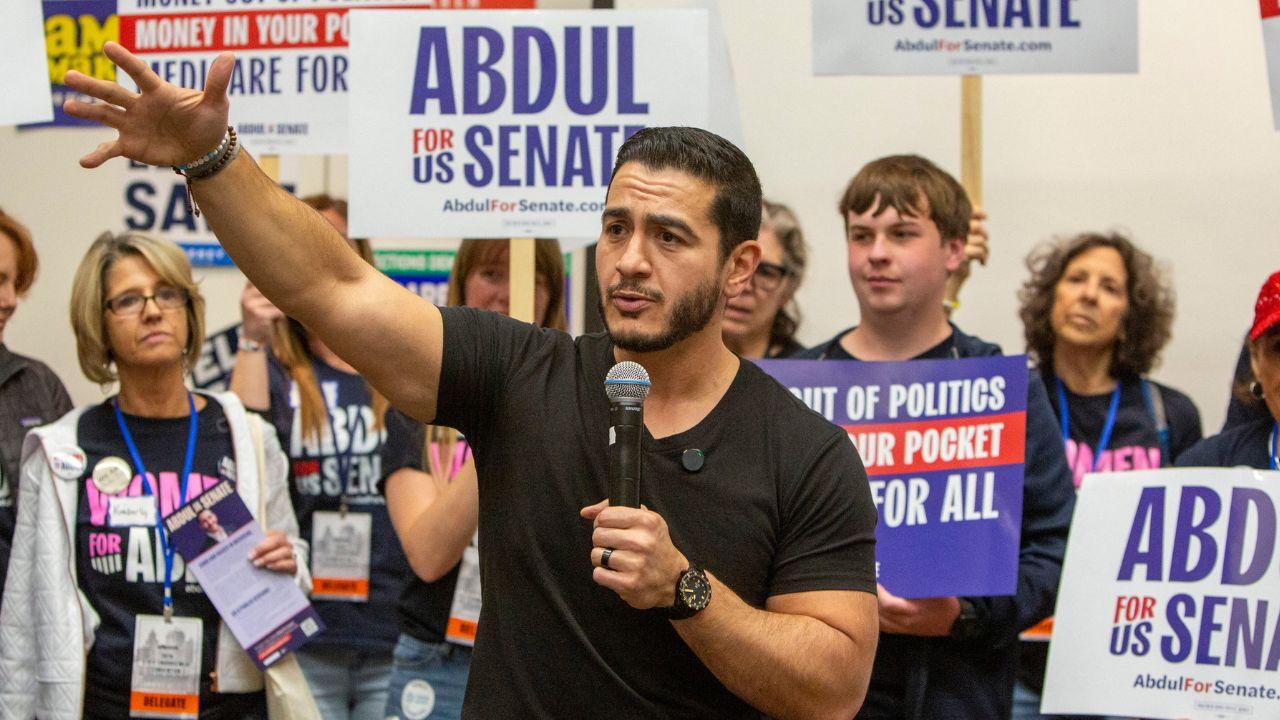
In the political arena, such headlines can significantly impact a candidate’s campaign, particularly when they involve sensitive national traumas and identity politics. The implicit association of a Muslim candidate with the September 11 attacks, even through a discussion of historical comparisons, can be weaponized by political opponents and may force candidates to spend valuable campaign resources on damage control rather than policy discussions. The controversy highlights the ongoing struggle for news organizations to navigate the complexities of modern political reporting while upholding journalistic integrity in an increasingly polarized media environment.
A Lingering Question of Editorial Judgment
As the dust settles on this latest newsroom flare-up, the central question remains one of editorial judgment and its potential ramifications. While CBS News defends its reporting on the grounds of transparency and follow-up interviews, the initial framing of the headline under Bari Weiss’s direction has left a palpable sense of unease. The incident serves as a stark reminder of the power of headlines to shape narratives and the heightened responsibility of media leaders in an era where information can be instantly disseminated and misinterpreted. The ongoing scrutiny of Weiss’s leadership and the editorial direction of CBS News is unlikely to subside, as the industry grapples with the evolving standards of reporting in a rapidly changing media landscape.