The consumer electronics market is currently navigating a period of significant volatility known as "RAMageddon," a global memory shortage that has fundamentally altered the value proposition for the best Windows laptops 2026. This crisis, fueled by the aggressive expansion of artificial intelligence data centers, has redirected critical memory components away from consumer hardware, resulting in price hikes of nearly 50 percent for many high-end PC models. Despite these economic headwinds, the 2026 laptop lineup represents a technological milestone, characterized by the rise of ARM-based architecture and a new standard for battery life that finally challenges the long-standing dominance of Apple’s MacBook series.

Industry analysts note that the current year marks a definitive shift in how performance is measured. While raw processing speed remains a priority, the integration of dedicated Neural Processing Units (NPUs) has become the new benchmark for "AI PCs." These components are designed to handle local machine learning tasks, reducing reliance on cloud computing and enhancing privacy for the end-user. As experts evaluate the best Windows laptops 2026, the focus has shifted toward a balance of efficiency, thermal management, and long-term hardware sustainability.
The Impact of the Global Memory Crisis on the Best Windows Laptops 2026
The "RAMageddon" phenomenon is not merely a supply chain hurdle but a transformative force in the PC industry. As AI firms outbid traditional hardware manufacturers for DRAM and NAND flash memory, the cost of entry for a well-equipped laptop has risen sharply. In previous years, 16GB of RAM was considered the standard for a mid-range machine; in 2026, consumers are finding that equivalent configurations now carry premium price tags. This has forced manufacturers like Dell, Asus, and HP to innovate within their chassis designs and power management systems to justify these higher costs.

The shortage has also accelerated the adoption of more efficient architectures. By moving toward ARM-based chips, such as Qualcomm’s Snapdragon X series, manufacturers can offer better performance-per-watt, which mitigates some of the consumer frustration regarding price. However, this transition has created a bifurcated market where users must choose between the traditional compatibility of x86 chips from Intel and AMD and the superior endurance of ARM-based systems.
Leading the Market: The Top-Rated Models for General Use
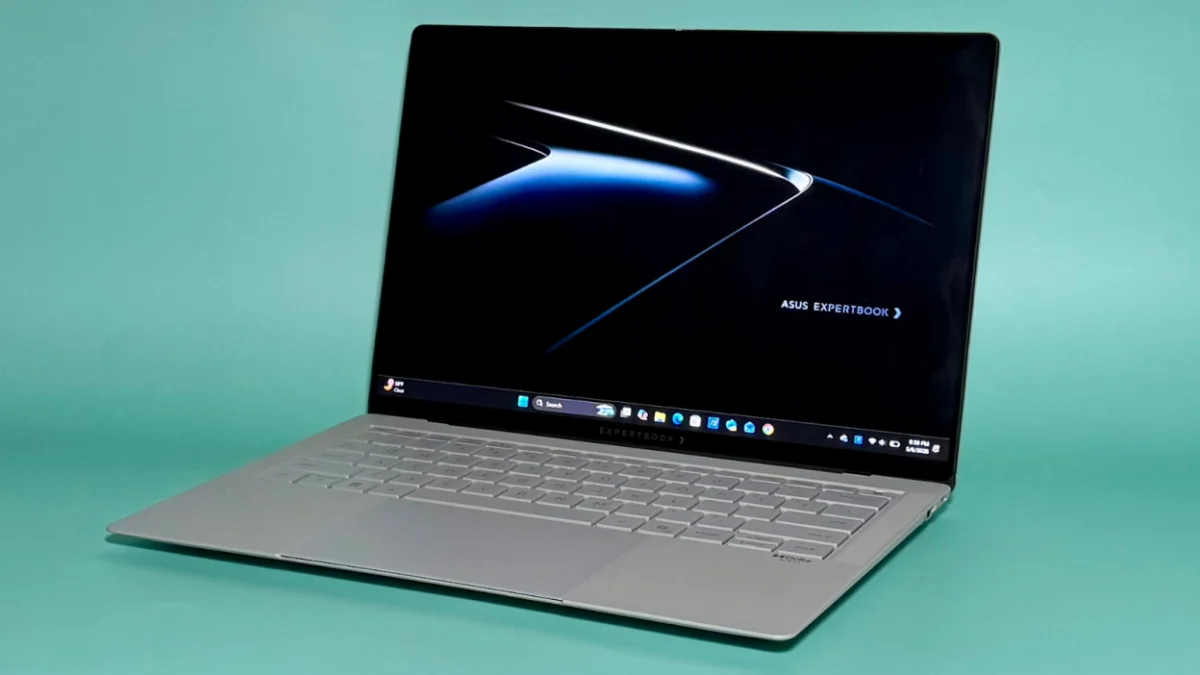
In the search for the best Windows laptops 2026, the Asus Zenbook A14 has emerged as the premier choice for the average consumer. Experts have lauded the device for its use of "Ceraluminum," a proprietary material that combines the lightness of aluminum with the scratch-resistance of ceramic. Performance benchmarks indicate that the Zenbook A14, powered by the Snapdragon X2 Elite, now rivals or exceeds the multi-core performance of Apple’s M5 MacBook Air. In standardized testing, the device achieved a battery runtime of over 27 hours, placing it among the top three longest-lasting laptops ever recorded by independent laboratories.

For users requiring a larger workspace, the Zenbook A16 provides a 16-inch alternative that does not sacrifice portability. Weighing only 2.87 pounds, it is currently the lightest 16-inch laptop on the market. It utilizes the Snapdragon X2 Elite Extreme chip, which has set new records in single-core and multi-core processing tasks for Windows-based machines. With 48GB of RAM included in its base high-end configuration, it serves as a high-value option in a market otherwise constrained by memory costs.
Battery Life Benchmarks and the Rise of ARM Architecture
One of the most startling developments in the quest for the best Windows laptops 2026 is the achievement of the HP OmniBook 3 16. This model has redefined expectations for mobile productivity by lasting over 40 hours on a single charge during video playback tests. This figure nearly doubles the endurance of the latest MacBook Pro models, a feat previously thought impossible for the Windows ecosystem. While the OmniBook 3 16 is a mid-range device with an IPS display rather than OLED, its sheer stamina makes it an essential tool for field professionals and long-distance travelers.

The success of these machines is largely attributed to the Snapdragon X series. Unlike traditional Intel processors, these ARM-based chips operate with significantly less heat and power consumption. However, experts warn that the transition to ARM is not without its complications. While most general-purpose software runs seamlessly through emulation, specialty applications such as AutoCAD and certain high-end gaming titles still struggle with native compatibility. This has led many universities and technical firms to continue recommending x86-based machines for students and specialized engineers.
Professional and Creative Standards: Dell and Acer
The Dell XPS 14 remains the gold standard for luxury and industrial design within the Windows ecosystem. Refined for 2026, the XPS 14 has eliminated previous design pain points, such as the controversial capacitive touch row, in favor of a more tactile and minimalist aesthetic. When configured with the Intel Core Ultra X7 358H and an OLED touchscreen, the device offers a premium experience that rivals any professional-grade workstation. Though its battery life—averaging around 10 hours—lags behind ARM competitors, its compatibility with the full suite of Windows software remains a significant draw for corporate users.

For the creative sector, the Acer Swift X 14 has established itself as a powerhouse for video editing and 3D rendering. Equipped with an Intel Core Ultra 9 285H and an NVIDIA RTX 5070 dedicated graphics card, it provides the necessary "braid" of CPU and GPU power required for heavy Adobe Creative Cloud workloads. Unlike many bulky gaming laptops, the Swift X 14 maintains a compact 14-inch form factor, making it an ideal "desktop replacement" for animators and designers who require mobility.
Sustainability and the Best Windows Laptops 2026
A significant trend observed by industry experts is the growing demand for repairability, spearheaded by the Framework Laptop 13. In an era where most ultraportables have soldered memory and storage, Framework offers a modular system where every component—from the motherboard to the display hinges—can be replaced by the user. The 2026 iteration features the AMD Ryzen AI 300 Series, providing a cool-running and efficient experience that aligns with modern performance standards.

The Framework model serves as a counter-narrative to the "disposable" nature of modern tech. By allowing users to swap out expansion cards for different ports, it eliminates the need for external dongles. This modularity has gained traction among "right-to-repair" advocates and IT departments looking to extend the lifecycle of their hardware fleets amidst rising replacement costs.
Educational Requirements and Future Market Outlook
As the fall 2026 semester approaches, the best Windows laptops 2026 for students have become a focal point for academic institutions. The Acer Swift Edge 14 AI has been identified as a top contender for college environments. Its x86 Intel architecture ensures that students can run any required course software without the emulation issues found on ARM devices. At only 2.18 pounds and 0.37 inches thick, it represents the pinnacle of "thin-and-light" engineering, yet it retains a full array of ports, including HDMI and USB-A, which are often sacrificed in ultraportable designs.

Looking forward, the industry anticipates further disruption as Nvidia prepares to enter the Windows-on-ARM market with its own silicon. This move is expected to introduce a third major player into the processor wars, potentially driving down prices and increasing performance in the gaming and AI sectors. Additionally, the arrival of budget-friendly options like the Dell XPS 13 and the rumored "MacBook Neo" competitor from Apple suggests that the entry-level market will become increasingly competitive by the end of the year.
Ultimately, the best Windows laptops 2026 are defined by their ability to adapt to a changing economic and technical landscape. While the memory crisis has made shopping more difficult, the resulting innovations in battery life and processor efficiency have created a generation of PCs that are more capable than ever before. Consumers are advised to prioritize their specific software needs—whether they require the broad compatibility of x86 or the extreme endurance of ARM—before committing to a purchase in this high-stakes market.