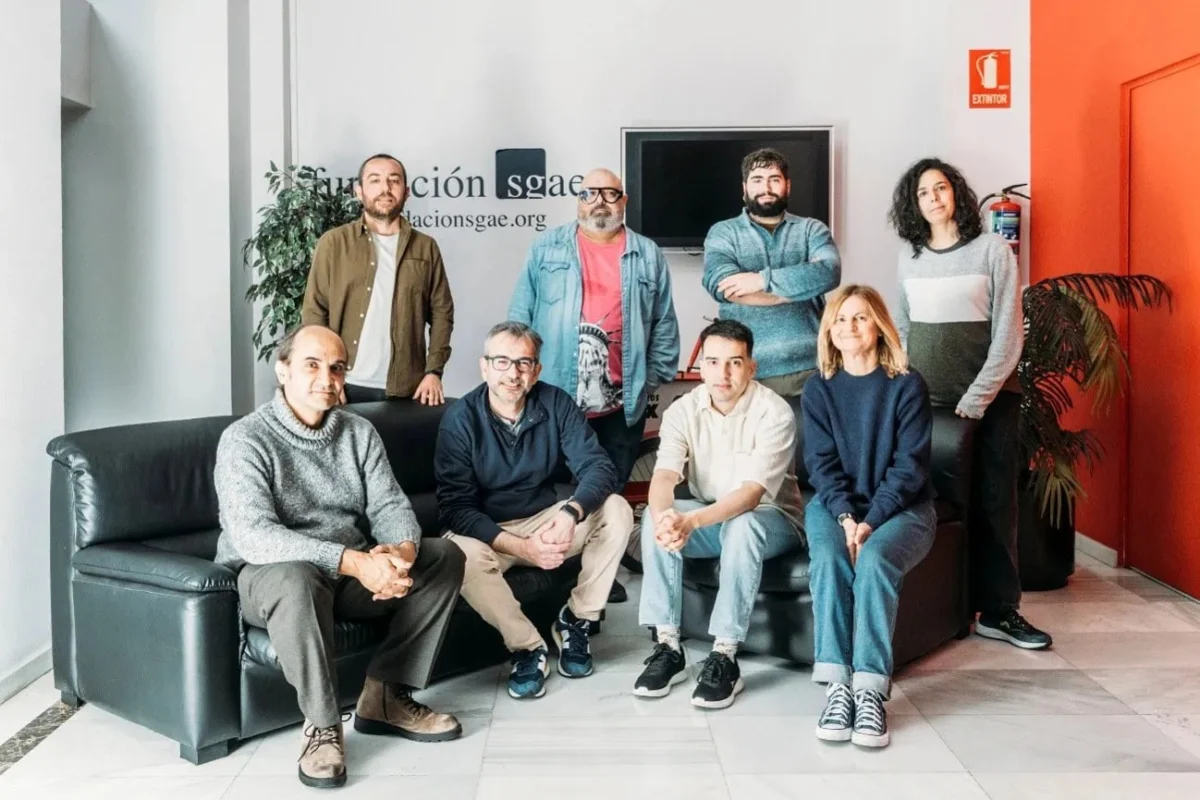
Madrid’s Iberseries & Platino Industria festival is currently showcasing a diverse slate of six innovative series projects, with themes ranging from supernatural communications with the deceased to a dystopian Madrid dystopia where children govern their parents and a comedic kids swap experiment among friends. The pitches, developed by seven Spanish screenwriters in collaboration with Fundación SGAE, represent a significant effort to foster new creative talent and bolster the international reach of Ibero-American audiovisual content within the competitive global market.
Fostering Ibero-American Audiovisual Talent
The sixth edition of Iberseries & Platino Industria, a cornerstone event for the Spanish-language television and film industry, convened in Madrid with a packed agenda aimed at connecting creators with crucial industry players. A highlight of the festival is the dedicated pitching session, which took place on October 1, bringing these six nascent projects before an audience of producers, buyers, investors, and other influential audiovisual industry professionals. This strategic gathering is designed to serve as a vital incubator, facilitating the production, financing, and global distribution of compelling new fiction.
Organizers emphasized the event’s core mission: to forge robust connections between creative talent and the diverse stakeholders across the Ibero-American audiovisual landscape. Such initiatives are increasingly critical as the global demand for diverse, high-quality storytelling continues to grow, with Spanish-language content experiencing a significant boom on international streaming platforms and traditional networks alike. Spain, in particular, has emerged as a major production hub, attracting substantial investment and fostering a vibrant ecosystem for content creation.
The Role of Fundación SGAE
The collaboration with Fundación SGAE, Spain’s primary collective management organization for intellectual property rights, underscores a commitment to nurturing the next generation of screenwriters. Fundación SGAE plays a pivotal role in protecting and promoting the works of authors, composers, and publishers, ensuring that creative endeavors are recognized and supported. Their involvement in Iberseries helps bridge the gap between emerging writers and the commercial realities of television production, providing a structured pathway for promising concepts to evolve into screen-ready projects. This partnership is instrumental in identifying and cultivating stories that reflect the rich cultural tapestry of Spain and the wider Ibero-American region.
Diverse Narratives Emerge from Spanish Screenwriters
The six projects presented at Iberseries span a wide array of genres and themes, demonstrating the breadth of creative vision within Spanish screenwriting. Each pitch offers a unique premise, designed to captivate audiences and spark interest from potential industry partners looking for the next breakout series.
La librera (The Bookseller): A Community’s Shifting Sands
Penned by Virginia Burgos (Seville) and Juan Sánchez (Madrid), La librera delves into the poignant journey of a woman who opens the first LGBT bookstore in Spain during the early 1990s. Over decades, her establishment transforms into a vital sanctuary and a clandestine political hub for the burgeoning queer community. However, the narrative takes a dramatic turn when the very neighborhood she helped cultivate eventually turns its back on her, forcing a profound introspection: "What do you do when nobody needs you anymore?" The series promises an intimate portrayal of community building, social change, and the painful realities of aging and obsolescence within a rapidly evolving urban landscape. It explores themes of identity, legacy, and the resilience required to navigate personal and societal transformations, offering a compelling look at the pioneers of LGBT rights in Spain.
Avión: The Dual Face of Galician Emigration
Miguel Cavadas (Vigo) presents Avión, a series set in a village that serves as a microcosm for the utopian and often harsh realities of Galician emigration. Traditionally, the dream has been to leave impoverished and return wealthy. In winter, Avión embodies rural decline, marked by precarity and an aging population. Yet, come summer, it erupts into a vibrant spectacle of affluence, ranchera music, and Mexican flags, as its population quadruples with returning emigrants celebrating their transatlantic successes. This cultural collision exposes a fascinating dichotomy: community versus individualism, the echoes of the past clashing with the present, and the stark contrast between Galicia’s lowest pensions and Mexico’s greatest fortunes. Avión is poised to be a powerful social clash drama, offering a nuanced and often dark examination of identity, economic disparity, and the complex bonds that tie individuals to their ancestral lands, even across oceans.
El capricho (The Whim): Royal Intrigue and Satirical Power Plays
Alberto Grondona’s El capricho is pitched as a satirical historical comedy set within the opulent yet treacherous 18th-century Spanish court. The series centers on three formidable women — Queen María Luisa of Parma, the charismatic Duchess of Alba, and the enlightened Duchess of Osuna — as they fiercely compete for power, influence, and image in a Spain teetering on the brink of collapse. Their intricate battles are observed and narrated with biting irony by Francisco de Goya, the renowned painter, who acts as an uneasy witness, transforming palace intrigues into a surprisingly contemporary mirror of human ambition and vanity. This female-led period piece is expected to draw comparisons to popular political dramas, but with a distinct Spanish flair, blending historical accuracy with sharp comedic wit to explore timeless themes of gender, power, and societal hypocrisy.
Calls From the Dead: Supernatural or Technological Deception?
Ángel Mirou’s Teléfonos fijos (Landline Phones) introduces a chilling mystery rooted in the modest Recalde neighborhood of Bilbao. In the quiet hours of the night, landline phones, relics in the age of mobile communication, begin to ring. Those who answer are confronted with the voices of deceased relatives, friends, or acquaintances. The central enigma revolves around whether these calls are genuine proof of an afterlife or an elaborate fraud leveraging cutting-edge technology, potentially even advanced AI. Regardless of the explanation, the lives of everyone involved are irrevocably altered. This supernatural thriller taps into contemporary anxieties surrounding technology, grief, and the blurred lines between reality and deception, offering a compelling blend of mystery and psychological drama. The concept of calls from the dead resonates deeply with universal fears and hopes regarding mortality.
A Madrid Dystopia: The Age of Childhood Guardianship
Roberto Osa’s La edad menor (The Minor Age) plunges viewers into a chilling Madrid dystopia where a radical societal shift has occurred: children are legally designated as the guardians of their parents. The protagonist, María, finds herself directly confronting this system when her mother is admitted into "La edad menor," an irreversible process of infantilization. As her brother is torn between family loyalty and the allure of power, a devastating secret emerges, revealing that neither resistance nor sacrifice can halt the encroaching oblivion. This series explores profound ethical questions about autonomy, intergenerational dynamics, and the nature of care, offering a stark commentary on potential future social structures and the fragility of human dignity in the face of systemic control. The inversion of traditional family roles provides a potent hook for dystopian narrative exploration.
The Kids Swap: An Unconventional Parenting Experiment
Pedro Pablo Picazo presents Trueque (Barter/Swap), a comedic premise that explores the exasperations of modern parenting. The series focuses on three close-knit families, each struggling with the perennial challenges posed by their teenagers. Convinced they possess the ideal solutions for each other’s children, they embark on an audacious experiment: a kids swap. The synopsis playfully poses the question, "What could possibly go wrong?" This family comedy is poised to deliver humorous insights into the complexities of adolescence, the pitfalls of parental advice, and the unexpected outcomes when well-intentioned plans collide with the unpredictable realities of human nature. It offers a lighthearted yet relatable take on contemporary family dynamics and the universal quest for effective parenting strategies.
Industry Impact and Future Prospects
The presentation of these diverse projects at Iberseries & Platino Industria marks a critical step in their journey from concept to screen. The festival serves as a vital marketplace where creative vision meets commercial opportunity. For the Spanish audiovisual industry, these pitches are indicative of a robust pipeline of original content, showcasing a commitment to storytelling that is both culturally specific and universally appealing.
The potential impact of these series, should they be greenlit for production, extends beyond economic returns. They offer platforms for exploring pressing social issues, re-examining historical narratives, and challenging contemporary norms. From the struggles of the LGBTQ+ community to the complexities of emigration, the intrigues of power, the mysteries of the unknown, and the intricacies of family life, these projects reflect a dynamic and evolving societal discourse.
The coming months will be crucial as the screenwriters and their representatives engage in follow-up discussions with the producers, buyers, and investors who attended the pitching event. The ultimate goal is to secure the necessary financing and production partnerships to bring these compelling stories to audiences worldwide. Events like Iberseries are instrumental in ensuring that the rich tapestry of Ibero-American creativity continues to find its place on the global stage, solidifying Madrid’s position as a nexus for audiovisual innovation.