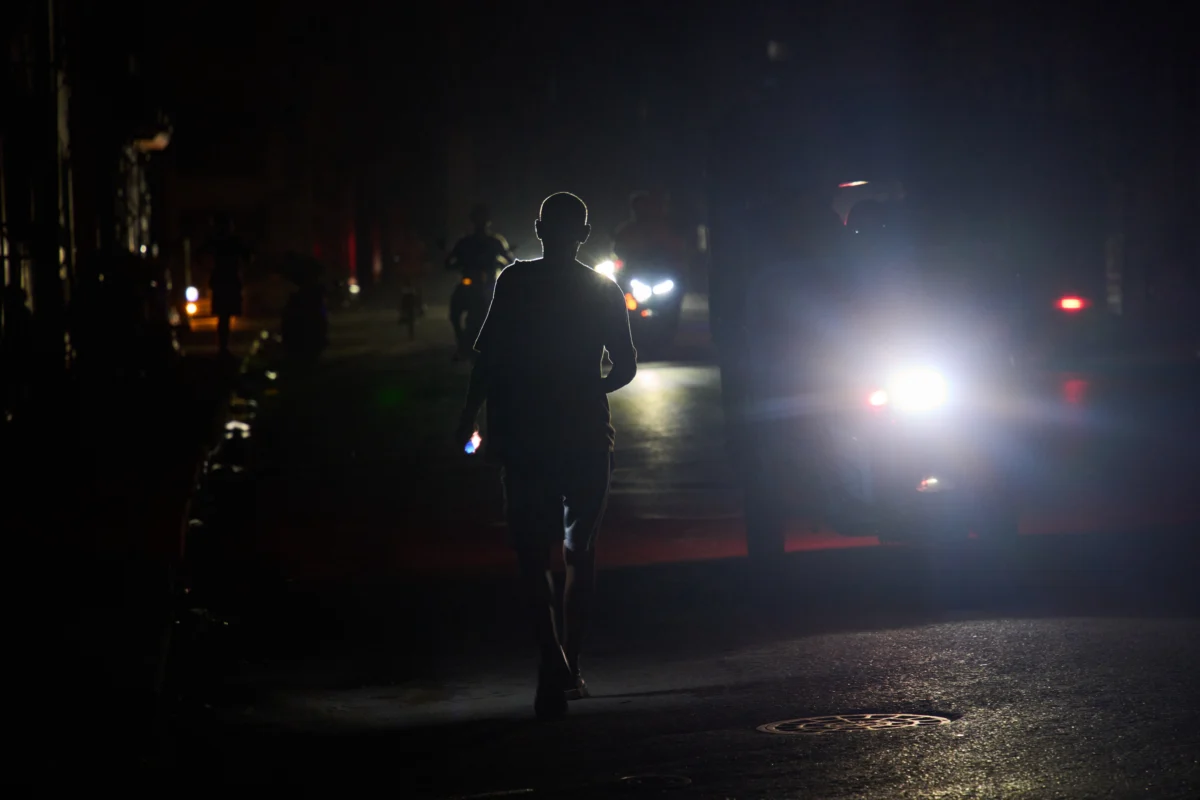
Cuba grappled with restoring electricity across the island nation following a widespread power outage that plunged many communities into darkness, marking yet another significant disruption to the country’s fragile energy infrastructure. Union Eléctrica (UNE), the state-run entity responsible for managing Cuba’s electrical grid, reported on Saturday that approximately half of its customers in the capital, Havana, had seen power gradually restored. The company emphasized that the recommissioning of services was proceeding incrementally, contingent on the stabilization of conditions across the affected regions.
Escalating Energy Crisis Grips Cuba
This latest nationwide blackout, which began by affecting five eastern provinces before extending its reach across the entire island, is reportedly the twelfth such incident since late 2024 and at least the sixth to occur this calendar year. The repeated and prolonged power interruptions have become a hallmark of the island’s deepening economic and energy crisis, severely impacting daily life for millions of Cubans and raising concerns among international observers.
Authorities from the Cuban government indicated to Reuters on Friday that the initial collapse of the electrical system was attributed to a significant failure within the high-voltage transmission lines situated in the central part of the country. UNE further elaborated that "unstable weather conditions" were also cited as a contributing factor to the widespread outage. These explanations highlight the compounding vulnerabilities of Cuba’s power infrastructure, which is simultaneously battling aging components and external pressures.
The Shadow of the U.S. Energy Blockade
For years, Cuba has contended with the challenges posed by an aging electrical infrastructure and persistent fuel shortages, leading to recurrent and often unpredictable blackouts. However, the frequency and severity of these outages have notably escalated in recent months. This intensification is widely seen as a direct consequence of renewed U.S. sanctions, including what Cuban officials term an "energy blockade," imposed in January. The stated aim of these measures by the United States is to exert political and economic pressure on the Cuban government.
The impact of these U.S. policies has drawn sharp criticism from international bodies. United Nations human rights experts have condemned the U.S. oil blockade, characterizing it as a violation of international law. They have issued stark warnings, suggesting that Cuba risks becoming a "silent Gaza" as the interconnected shortages of essential resources and power outages grow increasingly critical. This comparison underscores the dire humanitarian implications of the ongoing crisis.
Daily Realities of Perpetual Power Loss
The pervasive nature of the blackouts means that for many Cubans, the latest nationwide outage was not an isolated event but an extension of existing hardships. Residents reported already experiencing prolonged periods without electricity when Friday’s widespread failure occurred. Frank Lorenzo, a 23-year-old Havana resident, recounted to Reuters his experience of having been without power for 24 hours prior to the grid’s collapse. He described a brief hour-long restoration of electricity before the system failed again.
This cycle of intermittent power, followed by complete outages, has become a destabilizing force in the lives of Cubans. The difficulties are compounded by a severe lack of fuel, which is essential for operating backup generators. Lidia Fernandez, a 36-year-old teacher, explained to AFP that obtaining the imported diesel needed for these generators is a significant challenge, making it nearly impossible to maintain essential services during extended blackouts.
The cascading effects of the energy crisis extend far beyond the mere absence of lights. Fernandez articulated the broader struggle, stating, "It’s one thing after another: no water, no gas for cooking, no electricity." This litany of shortages paints a stark picture of the daily challenges faced by ordinary Cubans, who are forced to navigate a reality of constant uncertainty and deprivation. The emotional toll is also significant, with Fernandez admitting, "Honestly, I don’t know how we haven’t gone crazy."
Aging Infrastructure and Fuel Scarcity: A Perfect Storm
The Cuban government has long acknowledged the precarious state of its power generation facilities. A substantial portion of the island’s electricity is produced by aging Soviet-era thermal power plants, which are prone to breakdowns and require significant investment for modernization and maintenance. These aging plants are increasingly unable to meet the nation’s energy demands, even under normal circumstances.
Compounding these internal infrastructure issues is the country’s chronic shortage of fuel, primarily imported diesel and fuel oil, which are vital for both the aging power plants and the backup generators used by households and businesses. The U.S. sanctions have significantly curtailed Cuba’s access to these essential commodities. Restrictions on shipping and financial transactions have made it exceedingly difficult and expensive for Cuba to secure the necessary fuel supplies on the international market.
The interplay between an aging, inefficient power generation system and a severely restricted fuel supply creates a vulnerability that almost guarantees frequent and widespread disruptions. When any part of this delicate balance falters, the entire grid is susceptible to collapse. The current situation suggests that the country is operating on the absolute minimum capacity, with little to no buffer for unexpected events.
Broader Economic and Social Repercussions
The persistent power outages have a profound and far-reaching impact on Cuba’s already struggling economy. Industries that rely on a stable electricity supply, from manufacturing to agriculture, face significant disruptions, leading to reduced productivity and output. Businesses are forced to absorb increased costs associated with operating backup generators or face losses due to production stoppages.
For the tourism sector, a key source of foreign currency for Cuba, consistent blackouts can deter visitors and damage the country’s image as a viable destination. Hotels and resorts often have backup power, but frequent outages can still impact guest experience and operational efficiency. The agricultural sector, crucial for domestic food security, is also heavily affected, as irrigation systems and processing facilities depend on reliable electricity.
Beyond the economic sphere, the social consequences are equally severe. Access to essential services like healthcare is jeopardized, as hospitals and clinics struggle to maintain power for critical equipment and refrigeration. Educational institutions face disruptions, impacting students’ learning. The lack of electricity also affects basic household needs, including refrigeration for food, access to clean water (often requiring electric pumps), and the ability to communicate through electronic devices.
International Scrutiny and Humanitarian Concerns
The ongoing energy crisis in Cuba has attracted significant international attention, with human rights organizations and some governments voicing concerns about the humanitarian impact of the U.S. sanctions. Critics argue that the broad economic measures disproportionately affect the civilian population, exacerbating existing hardships.
The comparison to Gaza, drawn by UN experts, highlights the potential for a dire humanitarian situation if the crisis continues unabated. Such comparisons, while stark, aim to draw attention to the severe deprivation of essential resources that can occur when a nation’s infrastructure collapses under sustained pressure. The international community is watching closely to see if diplomatic efforts or changes in policy can alleviate the suffering of the Cuban people.
The Cuban government, for its part, continues to seek alternative energy solutions and to protest the U.S. embargo, which it blames for the country’s economic woes. However, the challenges of modernizing its infrastructure and securing reliable fuel supplies remain immense, particularly in the face of external economic pressure.
The Path Forward: Uncertainty and Resilience
As Cuba works to restore power, the immediate focus remains on stabilizing the grid and providing relief to affected communities. However, the underlying issues of aging infrastructure, fuel dependency, and geopolitical pressures are unlikely to be resolved quickly. The nation’s resilience in the face of such persistent challenges is a testament to the adaptability of its people, but the long-term sustainability of its energy system remains a critical question.
The path forward for Cuba’s energy sector is fraught with uncertainty. Significant investment in modernizing power generation, exploring renewable energy sources, and securing stable fuel supplies will be essential. However, these endeavors are heavily constrained by the country’s economic limitations and the impact of international sanctions. The ongoing struggle to keep the lights on underscores the complex web of internal and external factors that shape the daily lives of Cubans and the future of their nation.