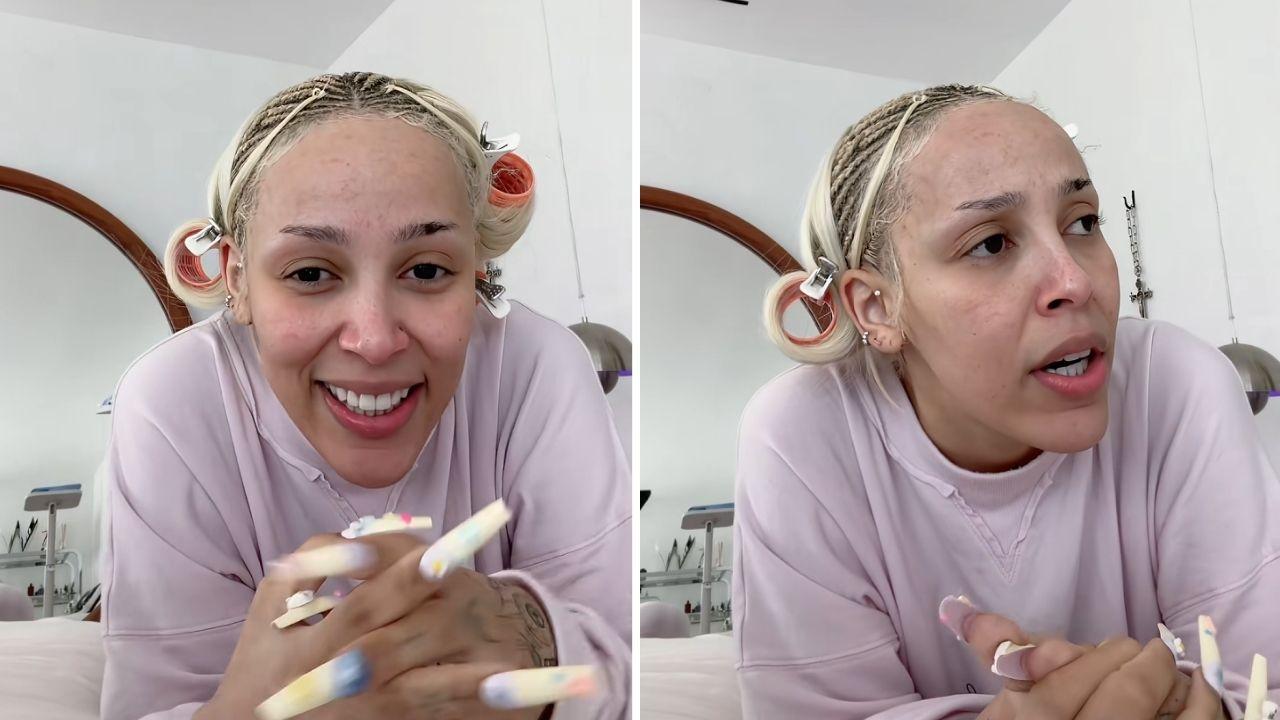
Global music sensation Doja Cat recently opened up about her challenging personal history, including a past struggle with cocaine, asserting that she is now "well past that" phase of her life. The Grammy-winning artist shared a series of revealing video clips on TikTok on Monday, August 31, 2026, offering fans an unfiltered look into her experiences with substance use, mental health, and the relentless scrutiny of online culture. Her candid admissions mark a significant moment of transparency for a celebrity often at the center of public discourse.
The Artist’s Evolving Public Narrative

Amala Ratna Zandile Dlamini, known professionally as Doja Cat, has carved out a unique space in the music industry since her breakthrough. Renowned for her genre-bending music, distinctive visual style, and often provocative social media presence, she has amassed a massive global following. Her career has been characterized by both critical acclaim and frequent engagement with internet culture, which has at times led to significant controversies. This latest series of revelations on TikTok aligns with a broader trend of celebrities using direct-to-fan platforms to control their narratives and address personal challenges head-on, rather than through traditional media outlets.
A Candid Confession on Social Media
In one particularly striking TikTok video, Doja Cat explicitly revealed her history with cocaine. She stated that she "struggled with cocaine" approximately eight years ago, placing this period around 2018, shortly before her mainstream ascent. Crucially, she emphasized her current state, assuring her audience, "I am well past that now." This direct and unvarnished disclosure stands in stark contrast to the often-guarded nature of celebrity communications, offering a raw glimpse into the personal battles that can accompany professional success. The use of TikTok as the medium for such a sensitive admission underscores the platform’s growing role as a primary channel for celebrity interaction and personal storytelling.

Navigating Mental Health and Substance Use
Beyond her past cocaine struggle, Doja Cat delved into other profound personal issues, including her relationship with alcohol and what she described as "undiagnosed" mental illness. She articulated how these factors, combined with public criticism, contributed to some of the lowest points in her life. The artist specifically highlighted the detrimental cycle of seeking "validation to the negative thoughts in my head" through internet engagement, which she noted was "then brought on by drinking alcohol." This introspective connection between mental state, substance use, and online interaction provides critical insight into the pressures faced by public figures.
She acknowledged that alcohol has been "a problem for her," clarifying that while she "was never an alcoholic," she "definitely had problems." Her commentary extended to a cautionary message for her audience: "If I can teach somebody anything… I will at least say that I am good for teaching you that it’s not good to pair these two things together." This public health warning, delivered amidst her personal narrative, adds another layer of responsibility to her revelations, potentially influencing fans grappling with similar issues. The discussion of "undiagnosed" mental illness also brings to light the broader societal challenge of mental health awareness and access to proper diagnosis and care, particularly within high-pressure environments like the entertainment industry.

Confronting Online Accusations and Identity
Doja Cat also took the opportunity in her TikTok series to address a barrage of persistent online accusations and assumptions about her character and identity. She directly confronted beliefs held by "a lot of people on the internet" that she is "demonic," "that I have demons, that I have evil in me." These accusations often stem from her artistic choices, which sometimes incorporate darker aesthetics or themes, and her unfiltered online interactions.
Further, the "Streets" songstress pushed back against claims that she dislikes herself or is "racist" or a "white supremacist." As a biracial woman, she reflected on her struggles with identity, particularly after moving to a "predominantly white neighborhood" at the age of eight. She explained that navigating her identity, including her appearance and hair, became more comfortable as she matured. "I don’t hate myself. I’m not racist. I’m not a white supremacist. I’m not a N—," she declared, using a racial slur that has been directed at her in online spaces. She indicated a desire to discuss these complex issues further in the future, stating, "I just felt like this TikTok was like necessary and I needed to get this s— off of my chest. Today felt like the right day." Her direct engagement with these deeply personal and often hurtful accusations underscores the intense scrutiny and sometimes hostile environment celebrities face online.
Previous Health Battles: The Vaping Addiction
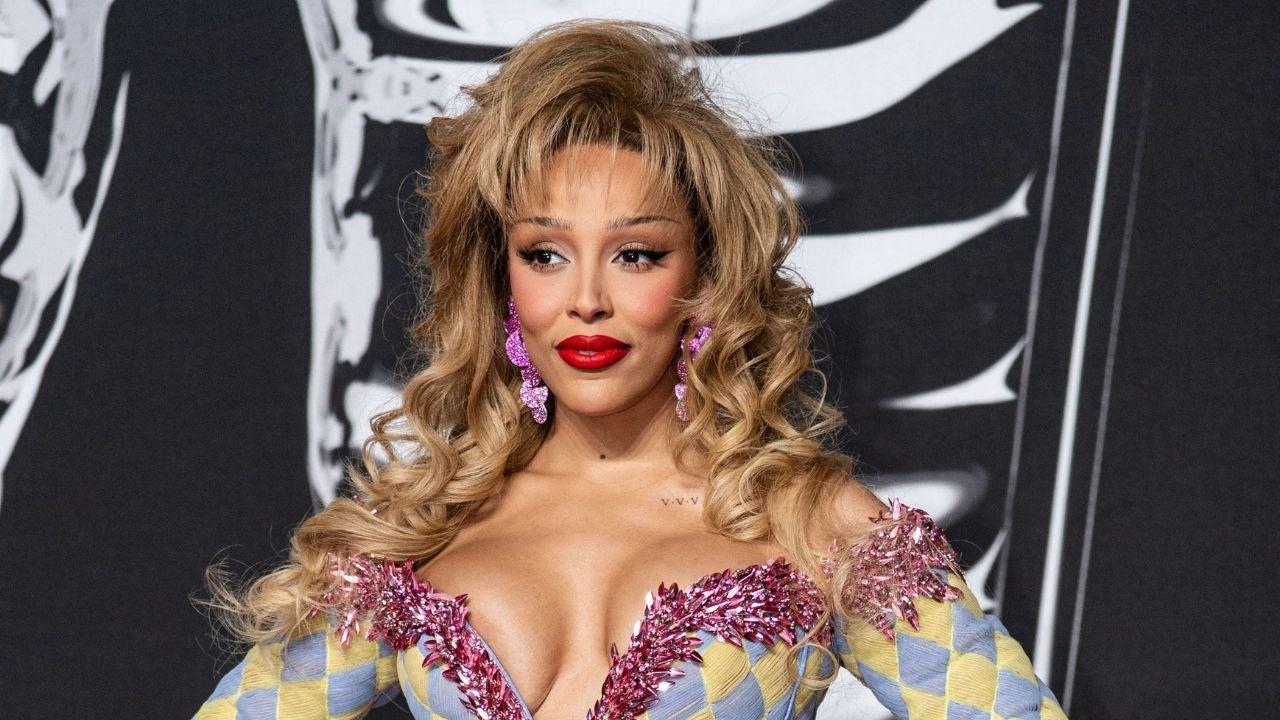
This is not the first time Doja Cat has publicly discussed her struggles with substance-related issues. In 2022, she was remarkably open about a severe vaping addiction that led to significant health complications. Following a tonsil infection and subsequent surgery, she shared the details on her X (formerly Twitter) account. "Dr. just had to cut my left tonsil. I had an abscess in it," she posted, adding, "My whole throat is f—– so I might have some bad news for y’all soon."
She elaborated on the circumstances, explaining that she had been taking antibiotics for a tonsil infection before the Billboard Music Awards but had forgotten about them. Compounding the issue, she "drank wine and was vaping all day long," which resulted in a "nasty a– growth on my tonsil" requiring surgery. The experience prompted a strong declaration: she was "quitting the vape for a while," hoping she wouldn’t "crave it anymore after that." She vividly described her fear of "all that weird poisonous s— in the vape seeping into the completely open wound" in her throat, leading her to reconsider the habit. Despite her pain, she acknowledged the powerful grip of addiction: "I’m addicted… I’ma try to go cold turkey for now, but hopefully my brain doesn’t need it all by then." She further clarified that simply discarding vapes wasn’t the solution, but rather overcoming the psychological need: "It’s not about throwing them away; it’s about not needing them. Right now I NEED THEM. I don’t WANT them [right now] because I’m in pain. But my brain is addicted to it." This detailed account of her vaping struggle provides a consistent narrative of transparency regarding her health and addiction challenges.
The Impact of Celebrity Transparency
Doja Cat’s decision to publicly address her past cocaine struggle, alcohol use, mental health, and identity issues carries significant weight. Celebrity revelations about addiction and mental illness often play a crucial role in destigmatizing these conditions for the wider public. For her millions of fans, particularly younger audiences, hearing an influential figure speak so openly about personal vulnerability can foster a sense of connection and encourage seeking help. Such admissions can also spark broader conversations about the pressures of fame, the often-unseen struggles behind public personas, and the importance of mental and physical wellness. Her use of TikTok makes these messages highly accessible and relatable, bypassing traditional media filters and directly engaging her demographic.
Broader Industry Context and Support Systems
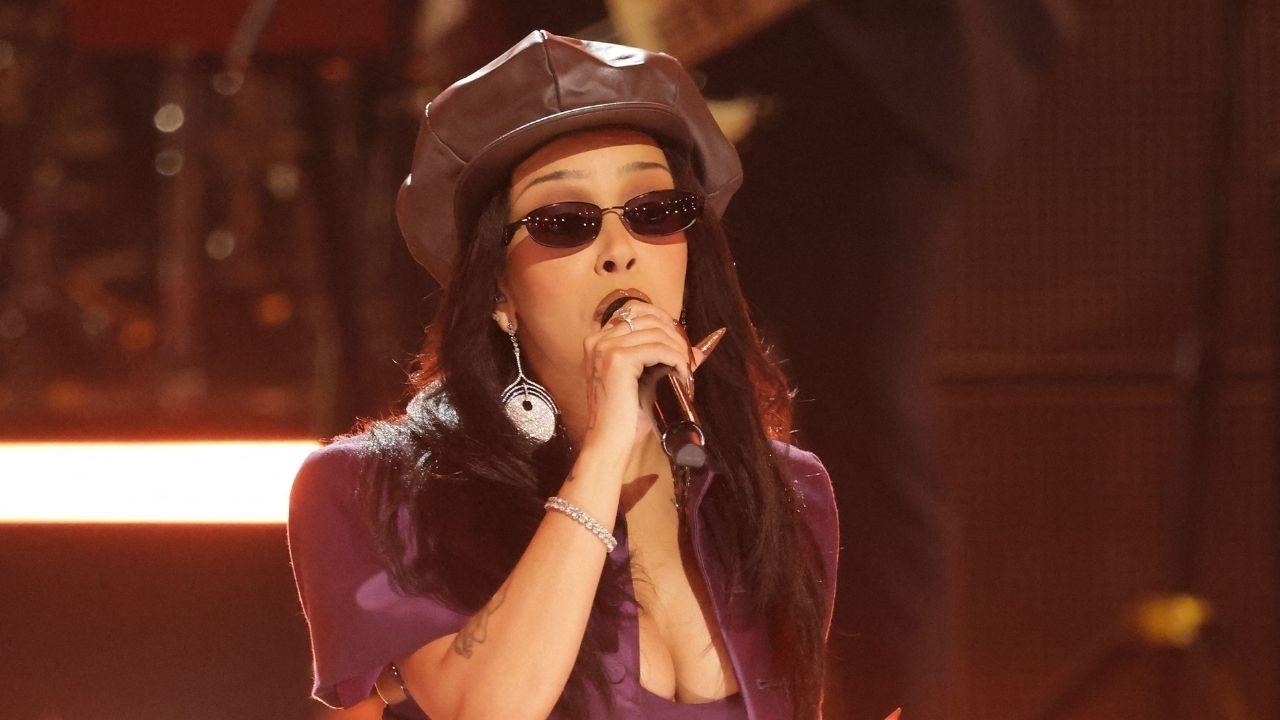
The entertainment industry has historically been a challenging environment for mental health and sobriety. The intense demands of touring, public scrutiny, constant performance pressure, and easy access to substances can create a perilous landscape for artists. In recent years, there has been a growing emphasis within the music industry on providing better mental health resources and support systems for artists and their teams. Doja Cat’s confessions contribute to this ongoing dialogue, highlighting the need for robust support mechanisms that address both the psychological and physiological aspects of wellness for those in the public eye. Her experience also serves as a reminder that personal struggles often predate fame, with the spotlight merely amplifying them.
Looking Forward: A Path of Openness and Wellness
Doja Cat’s series of TikTok videos presents a renewed commitment to transparency and personal growth. By candidly discussing her past cocaine struggle and other personal challenges, she appears to be charting a path toward greater openness with her audience. This willingness to share deeply personal aspects of her journey, even when uncomfortable, suggests an artist evolving beyond previous controversies and embracing a more authentic engagement with her public image. Her focus on being "well past that" and her cautionary advice regarding substance use indicate a desire to use her platform for positive influence, even as she continues to navigate the complexities of fame and personal identity. The impact of these revelations will likely resonate within her fanbase and beyond, contributing to ongoing conversations about mental health, addiction, and celebrity authenticity in the digital age.