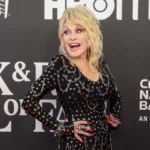
Dolly Parton, the iconic country music superstar, seamlessly transitioned into a beloved Hollywood treasure, captivating audiences with her unique blend of authenticity, wit, and undeniable charm. Her journey from the Smoky Mountains to the silver screen cemented her status as a cultural phenomenon, redefining perceptions of femininity, humor, and star power through a filmography that, while not extensive, left an indelible mark on cinematic history and pop culture.
The Genesis of a Screen Icon: 9 to 5
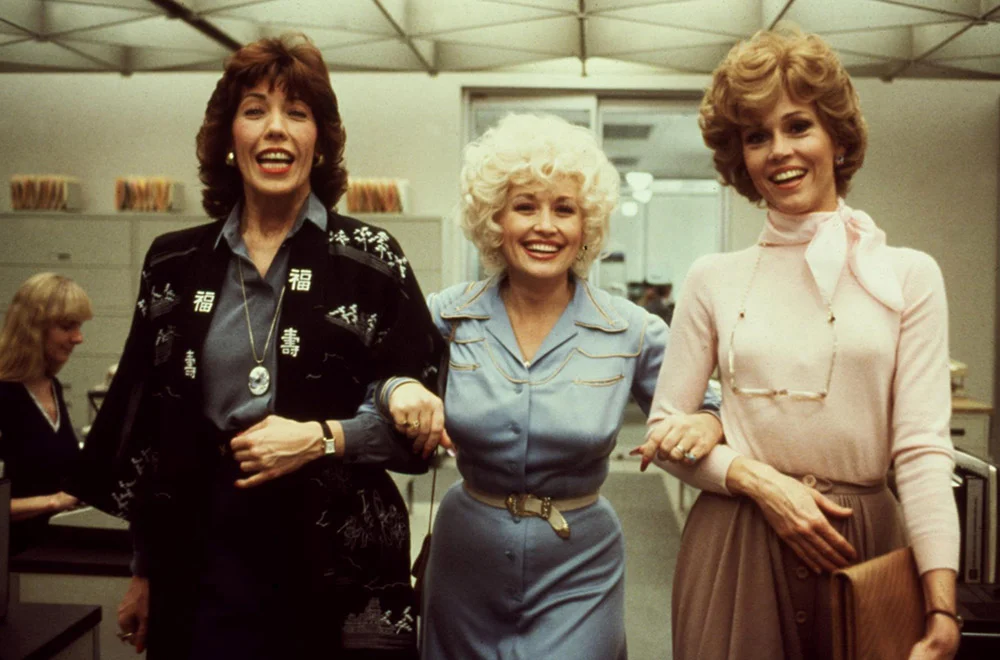
Parton’s impactful foray into film began with the 1980 workplace comedy 9 to 5. Initially conceived by Jane Fonda as a serious drama inspired by a real-life women’s rights organization, the project evolved into a rollicking farce under the direction and co-screenwriting of Colin Higgins, alongside Patricia Resnick. Fonda, who also starred, and producer Bruce Gilbert sought to broaden the film’s demographic appeal beyond urban liberal audiences.
With Jane Fonda and Lily Tomlin already cast as two of the leads, the search was on for a third actress who could connect with mainstream, conservative, and Southern viewers. This strategic decision led to the casting of Dolly Parton, a move that would launch her career as a movie star. As Doralee Rhodes, the happily married secretary constantly fending off the unwelcome advances of her lecherous corporate vice president, Dabney Coleman, Parton was a natural fit. Her innate luminosity, effervescent personality, distinctive folksy delivery, and impeccable comic timing infused the film with a livewire energy, whether she was merely fantasizing about hog-tying her boss or bringing that fantasy to life with the bravado of a seasoned rodeo queen.
A Box Office Phenomenon and Cultural Benchmark
9 to 5 proved to be a massive commercial success, grossing over $103 million at a time when a women-centric, empowerment-minded blockbuster was almost unimaginable. Its groundbreaking success paved the way for numerous predominantly female ensemble comedies that became pop cultural fixtures in later decades, including The First Wives Club, Sister Act, The Devil Wears Prada, and Bridesmaids. These films owe a significant debt to the precedent set by 9 to 5.
Beyond its box office triumph, the film also produced one of Parton’s most enduring contributions: the eternally catchy country-pop theme song, "9 to 5." Written and recorded by Parton herself, the track soared to number one on Billboard’s Country, Hot 100, and Adult Contemporary charts. Parton frequently recounted in interviews that she conceived the song’s distinctive tapping typewriter-key rhythm by clicking her long acrylic fingernails together, a testament to her creative ingenuity and signature style.
Dolly Parton’s Authentic Self: Beyond the Screen
Dolly Parton’s appeal extends far beyond her musical and acting talents; she has cultivated a profound cultural impact, particularly as a beacon of inclusivity. For many, especially within the LGBTQ+ community, Parton represents a North Star, offering a consistent message of acceptance and love in a world often marked by intolerance. Her theme park, Dollywood, nestled near the Great Smoky Mountains, has become a cherished pilgrimage destination on the queer-tourism map, symbolizing a space of joy and welcome.
Parton has often utilized self-deprecating humor to address her instantly recognizable, almost cartoonish appearance—her towering blonde wigs, sparkling bejeweled outfits, and candid discussions of cosmetic surgeries. Yet, despite her larger-than-life persona, she has consistently remained unequivocally real in the public eye. This blend of glamour and groundedness is a cornerstone of her enduring appeal. Her wit and ability to connect with an audience were famously displayed during a 2005 Radio City Music Hall concert as part of her Vintage Tour. When an elaborate piece of stage scenery malfunctioned during her opening number, failing to descend as planned, Parton quickly quipped that "a little old country girl from East Tennessee should never have even attempted something so fancy," instantly endearing herself further to the crowd and highlighting her down-to-earth charm.
A Legacy of Sweetness and Wit
The iconic look and larger-than-life persona were an inextricable part of Parton’s sui generis screen presence across her beloved movies. While she was never celebrated as an actress with significant dramatic range, the remarkable truth is that she never needed to be. The inherent sweetness, genuine sense of humor, and old-fashioned goodness that epitomized who she was in her many walks of life made her incandescent on screen. From her very first entrance in any role, audiences knew exactly who her character was, largely because almost all of them served as a mirror to who Parton was in real life. This authenticity allowed her to inhabit roles with a spirit and vigor that transcended conventional acting.
Diverse Roles, Undeniable Charm
Parton’s filmography, though not extensive, is notable for the memorable characters she brought to life. In The Best Little Whorehouse in Texas (1982), she starred as Miss Mona Stangley alongside Burt Reynolds. Parton’s portrayal of the madam of a brothel—or, as she famously described it in one of her songs, "A Lil’ Ole Bitty Pissant Country Place"—managed to imbue the character with a wholesome, caring spirit, depicting Mona as a maternal figure who looked after her "girls" as if they were her own children. The film, a "cornbread musical," resonated deeply with audiences, cementing her ability to infuse any role with her unique brand of warmth and sincerity.
Two years later, Parton took on a more challenging role in the critically panned 1984 Sylvester Stallone vehicle, Rhinestone. While the film itself largely failed to connect with audiences, Parton’s contributions were undeniable, as she introduced two top 10 country hits within the movie, showcasing her unparalleled musical gifts even in less successful cinematic ventures.
Her gifts were put to more memorable use in the cheesy but disarming 1992 comedy Straight Talk. As Shirlee Kenyon, a Southern transplant attempting to rebuild her life in Chicago, Parton’s character inadvertently becomes a call-in advice show host on talk radio. The role allowed her to leverage her natural wisdom and empathetic persona. Later, Parton brought her signature warmth and wit to the 2012 "guilty pleasure" musical comedy Joyful Noise, playing G.G. Sparrow, a feisty widow vying for control of her small Georgia town’s choir with Queen Latifah’s Vi Rose Hill. The film showcased her sharp comedic timing, including a memorable scene where G.G. squawks, "Oow, you’re breakin’ my hair!" when Vi Rose gets her in a headlock.
Perhaps one of her most beloved ensemble roles came in 1989’s Steel Magnolias, an all-star tear-jerker exploring the fortitude found in female friendship during times of sadness. Parton played Truvy Jones, the big-haired, open-hearted small-town Louisiana beauty parlor owner whose salon served as a vital social hub. It was a place for harmless gossip, friendly banter, and a much-needed respite for its regulars from their frequently exasperating husbands and sons. Watching Parton hold her own alongside seasoned professionals like Sally Field, Olympia Dukakis, and Shirley MacLaine was a particular delight, especially seeing her character in a loving marriage with the cool and charismatic modern-day cowboy, Sam Shepard. Her character names alone, like Truvy Jones, often felt as divinely crafted as her persona.
An Enduring Hollywood Treasure
Putting aside her many cameos and popular television movies, Dolly Parton’s core filmography might be considered modest by traditional Hollywood standards. However, she inhabited every single role with an extraordinary spirit, vigor, compassion, and charm, qualities that remained entirely true to her authentic self. Her contributions to film, coupled with her monumental musical career and unwavering advocacy for inclusivity, have cemented her status as an enduring Hollywood treasure. Her indelible mark on entertainment and culture continues to enrich the world, solidifying her legacy as a beloved icon whose authenticity illuminated every screen she graced.