President Donald Trump’s recent posting of an AI-generated map on Truth Social, which depicted Iceland as a U.S. territory, has ignited a significant international incident, prompting the Icelandic government to summon the American ambassador for an explanation. The controversial image, part of a series of digitally altered maps shared by the 80-year-old president, has been widely condemned by Reykjavik as “completely inappropriate” and a direct challenge to the nation’s sovereignty.
The diplomatic spat escalated on September 8, 2026, when Iceland’s Foreign Minister, Thorgerdur Gunnarsdottir, publicly denounced the post and called for U.S. Ambassador Billy Long to account for the perceived transgression. This incident marks another instance where President Trump’s digital communications have stirred global controversy, raising questions about the intersection of social media, artificial intelligence, and international relations.

A Pattern of Provocative Digital Cartography
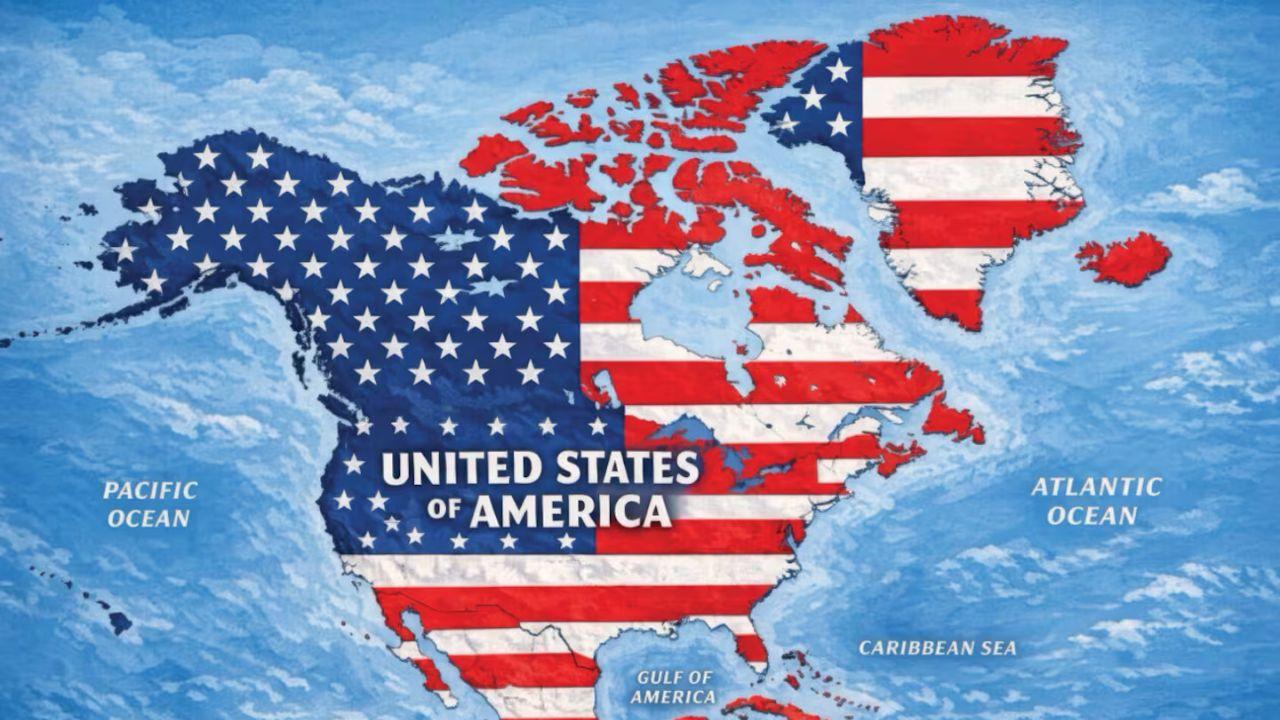
This latest digital boundary redrawing is not an isolated event in President Trump’s tenure. His Truth Social feed has become a frequent platform for sharing AI-generated or creatively altered maps, often featuring expansive claims of U.S. dominion. Previous posts have controversially depicted Canada, Venezuela, and Greenland — a territory of Denmark — as part of the United States. These actions have consistently drawn swift condemnation from the affected nations and international observers alike.
Such posts, often characterized by their fantastical nature, have created a recurring diplomatic challenge for the U.S. State Department. Foreign governments are frequently left to decipher whether these digital provocations represent official policy, a rhetorical flourish, or simply unchecked online activity. The current administration has faced a steady stream of inquiries and protests from allies and adversaries grappling with the implications of these digitally manufactured realities.
Iceland’s Firm Response to Perceived Threat
The specific image that triggered Iceland’s ire showcased a vast swathe of North America, including Mexico, Canada, the Caribbean, and Greenland, all emblazoned with the American flag’s distinctive red, white, and blue. Unbeknownst to many, the remote island nation of Iceland, typically removed from the direct focus of such geopolitical digital art, was also included in this imagined American expansion.

Foreign Minister Gunnarsdottir did not mince words when addressing the media. "There is nothing funny or normal about making fun of the sovereignty of states," she stated unequivocally on September 8. "If this is supposed to be a joke, then it is a bad joke." Her comments underscored the gravity with which Iceland views any perceived threat, however digitally rendered, to its national integrity and independence.
Diplomatic Engagement and Historical Context
Following the foreign minister’s public rebuke, U.S. Ambassador Billy Long was formally summoned to the Icelandic Ministry of Foreign Affairs. Such a summons is a serious diplomatic step, signaling a host nation’s profound displeasure and demand for clarification or apology regarding a specific action or statement. While the details of the meeting were not immediately released, it undoubtedly involved a formal protest from Iceland and an attempt by Ambassador Long to de-escalate the situation.
Ambassador Long, a former Republican congressman, is no stranger to the sensitivities surrounding the U.S.’s relationship with Nordic nations. He previously stirred controversy by jokingly remarking that he could become Iceland’s governor if the island were ever to become a U.S. state. He subsequently apologized for that comment, highlighting the delicate balance required in diplomatic discourse, particularly when addressing matters of national identity and sovereignty.
The Broader Implications for U.S. Foreign Policy
This incident with Iceland serves as a stark reminder of the global impact of presidential social media activity. In an era where digital platforms serve as primary communication channels, the lines between informal commentary and official policy can blur, leading to genuine diplomatic crises. Allies often rely on clear, consistent messaging from global powers, and seemingly flippant posts can undermine trust and foster instability.
The episode also highlights the ongoing debate surrounding the appropriate use of artificial intelligence in political messaging. While AI tools can generate compelling visuals, their deployment without careful consideration of accuracy, context, and diplomatic repercussions can lead to unintended and severe consequences. The very nature of AI-generated content—its ability to fabricate convincing but false realities—presents a unique challenge to international diplomacy and factual discourse.
The Role of Presidential Aides and Social Media Management
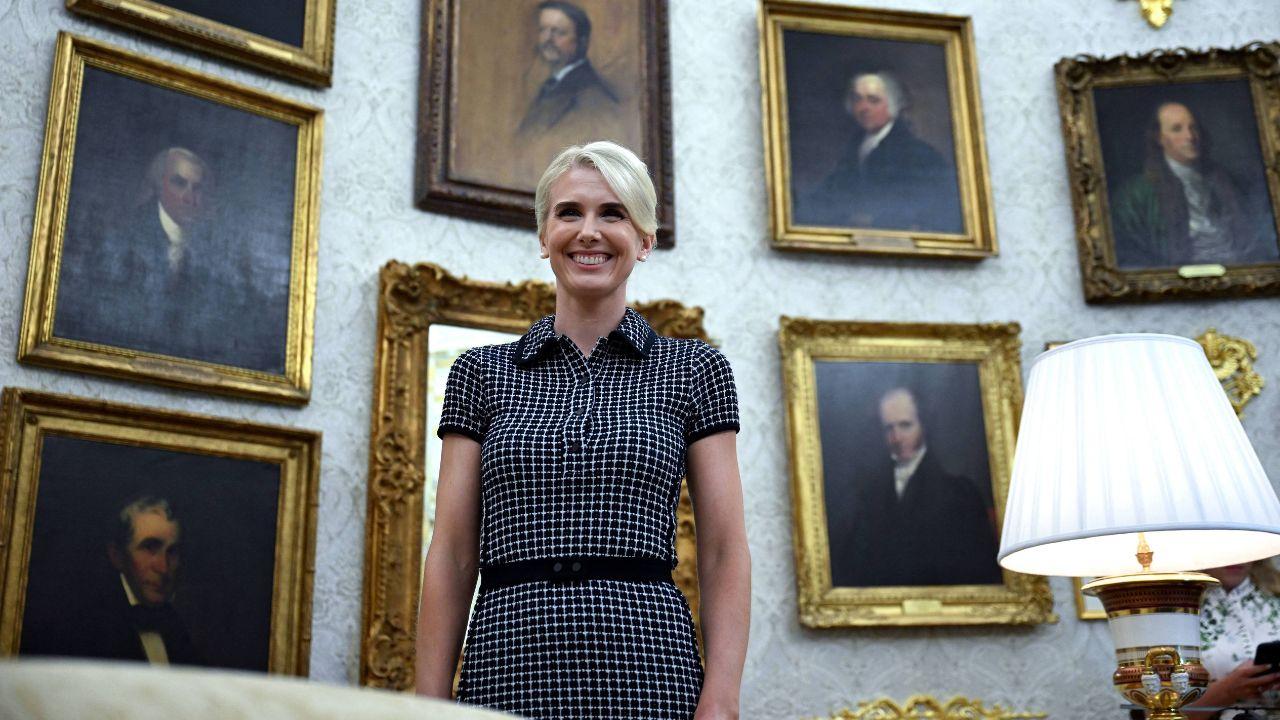
The architecture of President Trump’s Truth Social presence has been a recurring point of scrutiny. Aides like Natalie Harp and White House Deputy Chief of Staff Dan Scavino are widely understood to be instrumental in curating and posting content on the president’s behalf, albeit with his final approval. This structure has previously led to controversial posts, including religiously themed imagery and racially charged videos, which have drawn widespread criticism.
The management of presidential social media is not merely a public relations exercise; it carries significant policy implications. A lawsuit filed by The Intercept and the Freedom of the Press Foundation, which names Harp and Scavino, alleges a scheme to charge $100,000 for early access to the president’s Truth Social posts. This legal challenge underscores the complex and often contentious nature of how official communications are managed in the digital age.
Past Geographical Gaffes and the Path Forward
Beyond the recent map incident, President Trump has a documented history of confusing Iceland with Greenland in public remarks. During a January speech at the World Economic Forum, for instance, he conflated the two countries while criticizing NATO. "They’re not there for us on Iceland, I can tell you," he asserted, adding, "Their stock market took the first dip yesterday because of Iceland. So Iceland’s already cost us a lot of money." These past misidentifications, while seemingly minor, further illustrate a broader pattern of geographical imprecision that can exacerbate diplomatic tensions when combined with more explicit territorial claims.
The immediate fallout of the Iceland incident will likely involve the U.S. State Department working to reassure Reykjavik that the post does not reflect official U.S. policy. Such reassurances, however, may be met with skepticism given the recurring nature of these digital provocations. The incident underscores the persistent challenge for U.S. foreign policy to manage the global reverberations of presidential online activity, particularly when it touches upon the fundamental principle of national sovereignty.
Sustaining Diplomatic Norms in the Digital Age
The incident with Iceland serves as a potent reminder of the fragility of diplomatic norms in an increasingly digitized world. While social media offers unprecedented direct access to leaders, it also presents avenues for miscommunication, intentional provocation, and the rapid spread of potentially destabilizing information. Maintaining robust international relations requires not only traditional diplomatic channels but also a careful and considered approach to digital engagement.
As the international community continues to navigate the complexities of digital diplomacy, the Iceland incident highlights the urgent need for clarity, consistency, and respect for established protocols, even in the realm of online posts. The long-term impact of such digital gestures on bilateral relations and global trust remains a significant, evolving concern for policymakers worldwide.