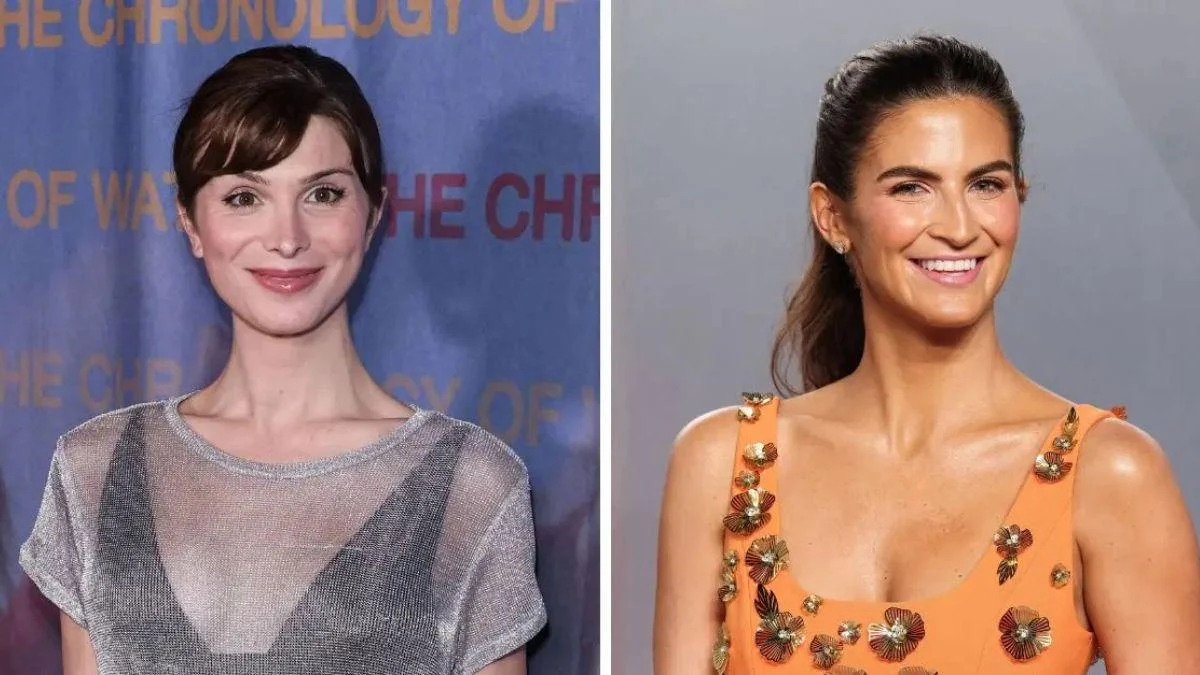
Former President Donald Trump has intensified his public feud with CNN anchor Kaitlan Collins by sharing a manipulated, AI-generated image on his Truth Social platform. The post, which appeared on Sunday, July 26, depicted Collins with features seemingly merged with those of transgender influencer Dylan Mulvaney. This digital escalation followed a controversial joke Trump made at the White House Correspondents’ Association dinner just days prior, where he directly compared Collins to Mulvaney, sparking widespread debate and criticism.
The incident marks another chapter in the often-contentious relationship between Trump and members of the press, particularly those from outlets he frequently labels as "fake news." His use of artificial intelligence to create and disseminate a mocking image represents a new frontier in political attacks, leveraging advanced technology to amplify divisive rhetoric and target specific journalists.
The Genesis of the Trump-Collins Feud
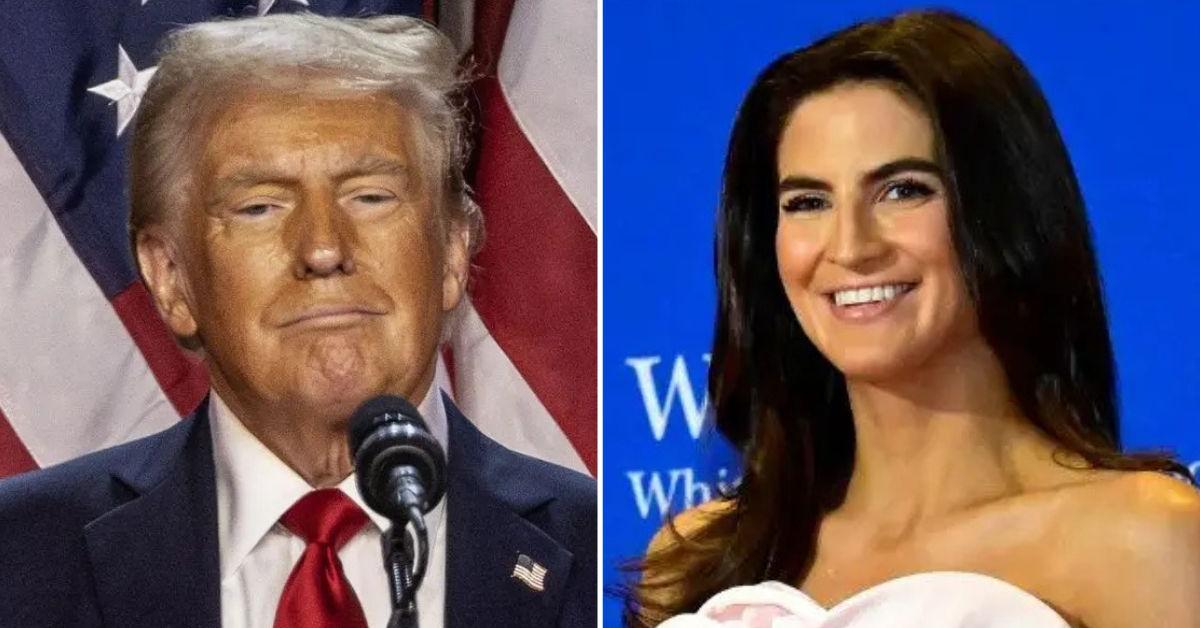
The animosity between Donald Trump and Kaitlan Collins has been a recurring theme throughout recent political cycles. Collins, known for her tenacious questioning and direct reporting, frequently covered the Trump administration for CNN and has continued to do so post-presidency. Her interactions with Trump have often been characterized by tension, with the former president occasionally singling her out during press conferences and rallies.
This long-standing friction reached a notable peak during a CNN town hall event in May 2023, where Collins, as moderator, pressed Trump on various issues. The event drew significant attention, highlighting the stark contrast in their styles and further cementing Collins as a prominent figure in Trump’s critique of mainstream media. The recent actions by Trump appear to be a continuation of this established Trump-Collins feud, pushing it into a more personal and digitally manipulated realm.
The White House Correspondents’ Dinner Incident
The catalyst for Trump’s latest actions was the rescheduled White House Correspondents’ Association (WHCA) dinner on July 24. While the dinner is traditionally a forum for political figures and journalists to engage in lighthearted banter, Trump used his platform to deliver sharp criticisms, particularly aimed at Collins. The CNN anchor, 34, was being honored with the Excellence Under Deadline Pressure award for her extensive coverage of President Volodymyr Zelenskyy’s visit to the Oval Office.

During his speech, Trump took aim at Collins, stating, "[Collins is] a young, attractive woman. She never smiles." He continued, "I said, ‘Kaitlan, do you ever smile? Smile. You have a nice position, you’re at CNN fake news, you should be a happy person. So smile, Kaitlan, just smile.’" The remarks were widely perceived as demeaning and sexist, trivializing Collins’ professional achievements and focusing on her appearance rather than her journalistic merits.
Unpacking the Dylan Mulvaney-Bud Light Controversy
Trump further intensified his critique by directly comparing Collins to Dylan Mulvaney, 29, referencing a highly publicized and controversial advertising campaign from 2023. "I thought Kaitlan had really made it big with a major new sponsorship, but then I was informed that it wasn’t her on the Bud Light can; it was Dylan Mulvaney," Trump quipped. This comparison was not accidental; it tapped into a contentious cultural flashpoint.
In April 2023, Bud Light collaborated with Mulvaney, a transgender woman and social media personality, for a promotional campaign. This partnership led to significant backlash from some conservative consumers and commentators, resulting in calls for boycotts of the beer brand. Critics argued that Bud Light was alienating its traditional customer base by aligning with Mulvaney and transgender rights. Trump, echoing these sentiments, claimed Mulvaney’s campaign cost Bud Light $35 billion in market capitalization, adding, "That was the worst commercial ever made, by the way, for those few people that want to hear that." This assertion, while widely circulated in right-wing media, has been subject to scrutiny regarding the precise financial impact attributed solely to the Mulvaney partnership.

AI as a Weapon: The Digital Escalation
The Trump-Collins feud took a starkly modern turn with the former president’s subsequent Truth Social post. On Sunday, July 26, Trump shared an AI-generated image that graphically depicted Collins with facial features seemingly blended with those of Dylan Mulvaney. The image, circulated across social media, immediately drew condemnation for its apparent intent to ridicule both women and weaponize identities.
The use of AI-generated imagery in political discourse raises significant concerns about digital manipulation and the spread of misinformation. Such images blur the lines between reality and fabrication, making it increasingly difficult for the public to discern authentic content from artificially created propaganda. This particular image not only attacked Collins professionally but also leveraged anti-transgender sentiment by associating her with Mulvaney in a derogatory context, fueling a broader culture war.
Defenses and Direct Responses
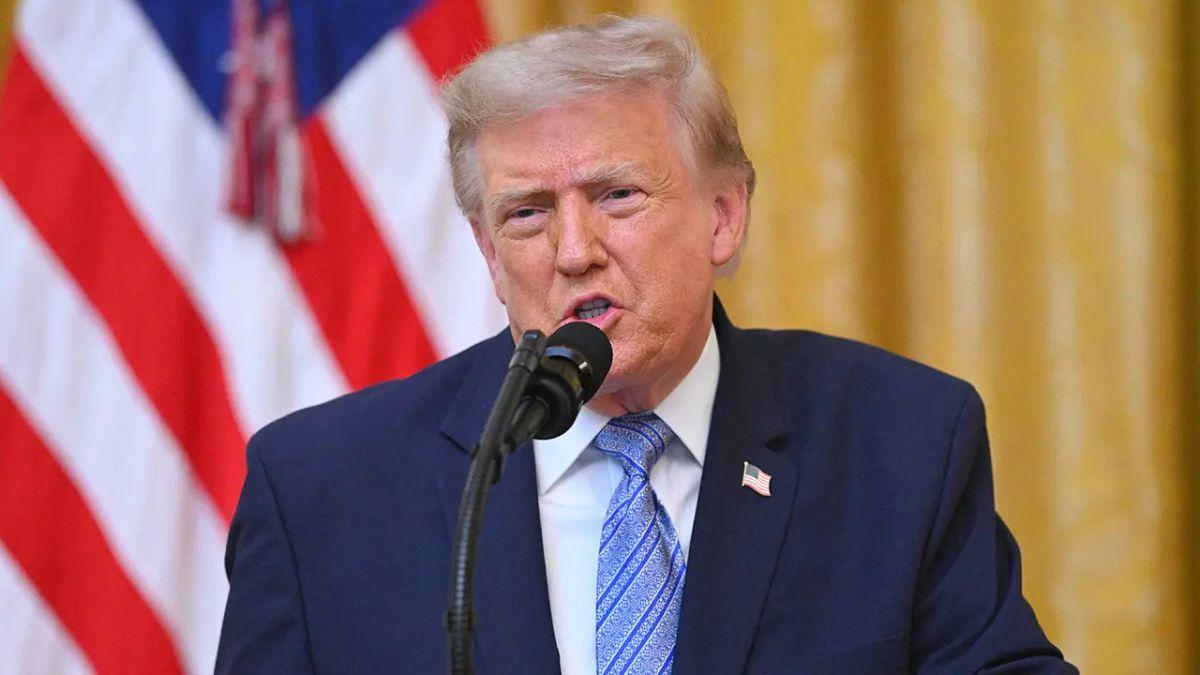
In the wake of Trump’s initial remarks at the WHCA dinner, CNN swiftly came to Collins’ defense. The network issued a strong statement underscoring her professional integrity: "Kaitlan Collins is an exceptional, trusted journalist being honored tonight for her depth of knowledge and the context she provides to audiences all over the world," CNN stated. "She reports every day from the White House and the field with real strength and tenacity and skillfully brings that reporting to the anchor chair and CNN platforms every day. We stand by her to the fullest extent." This robust defense highlighted the network’s commitment to its journalists and its rejection of personal attacks.
Dylan Mulvaney, the other individual targeted by Trump’s remarks and the AI image, also responded publicly. Hours after Trump’s joke at the dinner, Mulvaney posted a video on TikTok, directly addressing the former president. "To the president — thank you for reminding me that I am more powerful than I even knew," she declared on Sunday, July 26. "To quote my favorite recording artist, Shea Diamond, I am America." Her response was lauded by many as graceful and defiant, turning Trump’s intended insult into a statement of empowerment. Meanwhile, a White House spokesperson, Davis Ingle, offered a brief comment to a news outlet regarding Trump’s AI photo, stating, "The liberal media can dish it but they can’t take it," reflecting a familiar political narrative.
Broader Implications: Media, Identity, and AI in Politics
The latest chapter in the Trump-Collins feud carries significant broader implications for media relations, political discourse, and the ethical use of technology. The attack on Collins, a prominent journalist, underscores ongoing challenges to press freedom and the often-hostile environment faced by reporters covering high-profile political figures. Critics argue that such presidential rhetoric can embolden attacks on journalists and undermine public trust in legitimate news organizations.
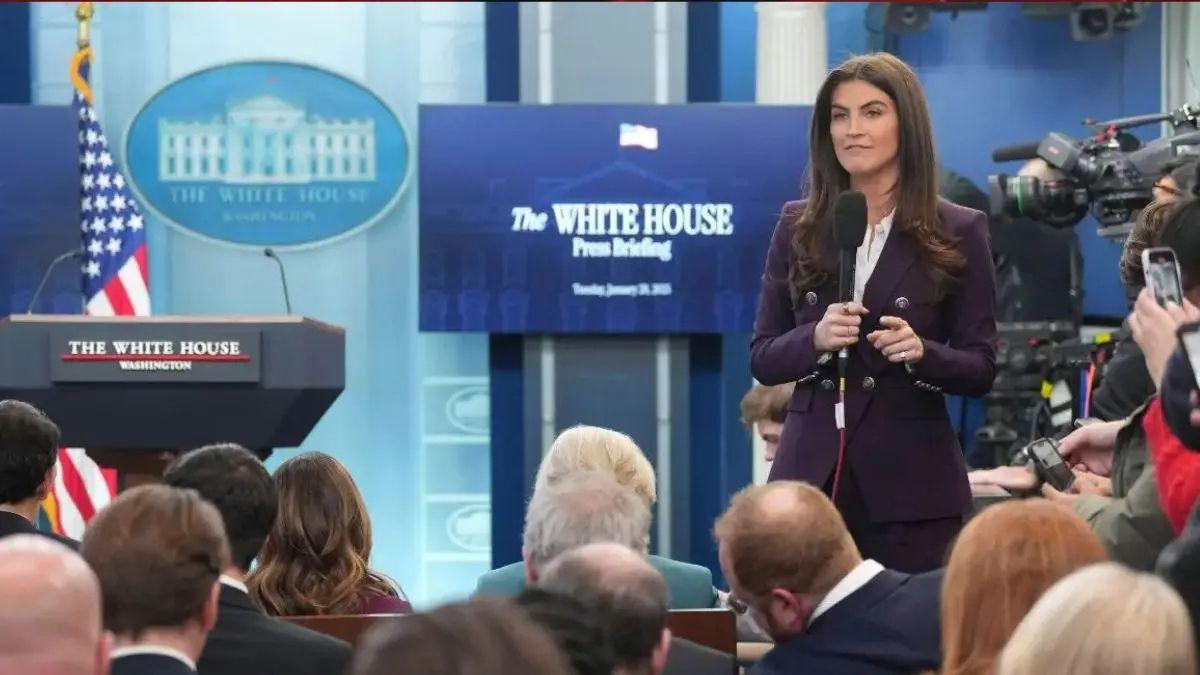
Moreover, the targeting of Mulvaney, a transgender woman, within a political attack highlights the weaponization of identity politics. By invoking the Bud Light controversy and featuring Mulvaney in a manipulated image, Trump’s actions exploit existing social divisions and fuel anti-transgender sentiment for political gain. This tactic contributes to a climate of intolerance and further marginalizes already vulnerable communities.
The deployment of AI-generated images in this context also signals an alarming trend in political campaigning and communication. As AI technology becomes more sophisticated and accessible, the potential for creating convincing but entirely fabricated content — including deepfakes and manipulated images — poses a serious threat to democratic processes and public understanding. Concerns about misinformation and disinformation, already rampant, are magnified by the ability to generate highly realistic, yet false, visual narratives.
Public Reception and Expert Warnings
Public reaction to Trump’s AI photo and his preceding joke has been sharply divided, largely along existing political lines. Supporters of the former president have often lauded his willingness to "fight back" against what they perceive as a biased media. Conversely, critics, including journalists, civil rights advocates, and digital ethics experts, have condemned the actions as unprofessional, misogynistic, and dangerous. Many expressed concern over the precedent set by a former president using manipulated media to attack a journalist and a member of the LGBTQ+ community.
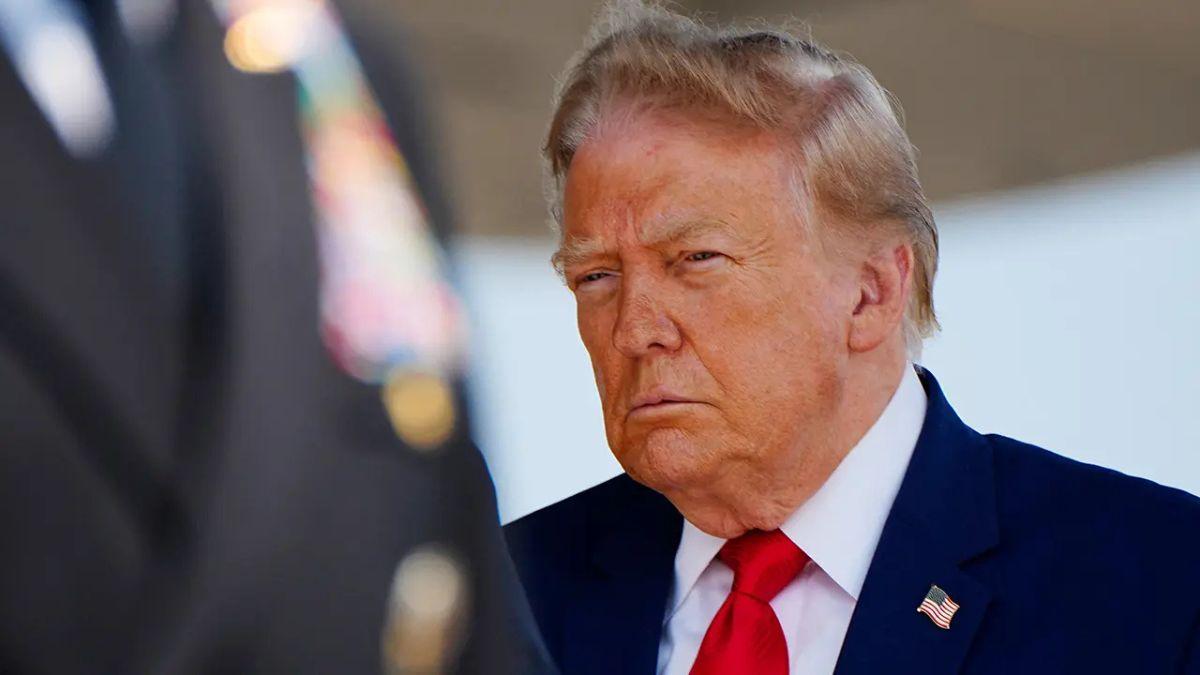
Digital ethics experts have warned that the casual use of AI for political attacks could normalize digital manipulation, making it harder for the public to distinguish truth from fiction. They emphasize the need for greater media literacy and responsible use of AI tools to prevent their weaponization in public discourse. The incident serves as a stark reminder of the evolving challenges facing a society grappling with advanced technology and deeply entrenched political polarization.
The Enduring Trump-Collins Feud and Future Outlook
The persistent Trump-Collins feud, now augmented by AI-generated content, demonstrates the ongoing tensions between political power and the press in modern America. It reflects a political landscape where personal attacks and digital manipulation are increasingly integrated into strategies to discredit opponents and influence public opinion. As the nation approaches future elections, observers anticipate that such tactics, leveraging technology like AI, will likely become more prevalent.
The incident underscores the urgent need for a robust and ethical framework for political communication in the digital age. It challenges media organizations to continue their crucial role in factual reporting despite targeted attacks, and it compels the public to critically evaluate the information they consume. The Trump-Collins feud is more than just a personal rivalry; it is a microcosm of the broader battle over truth, media credibility, and the future of democratic discourse.