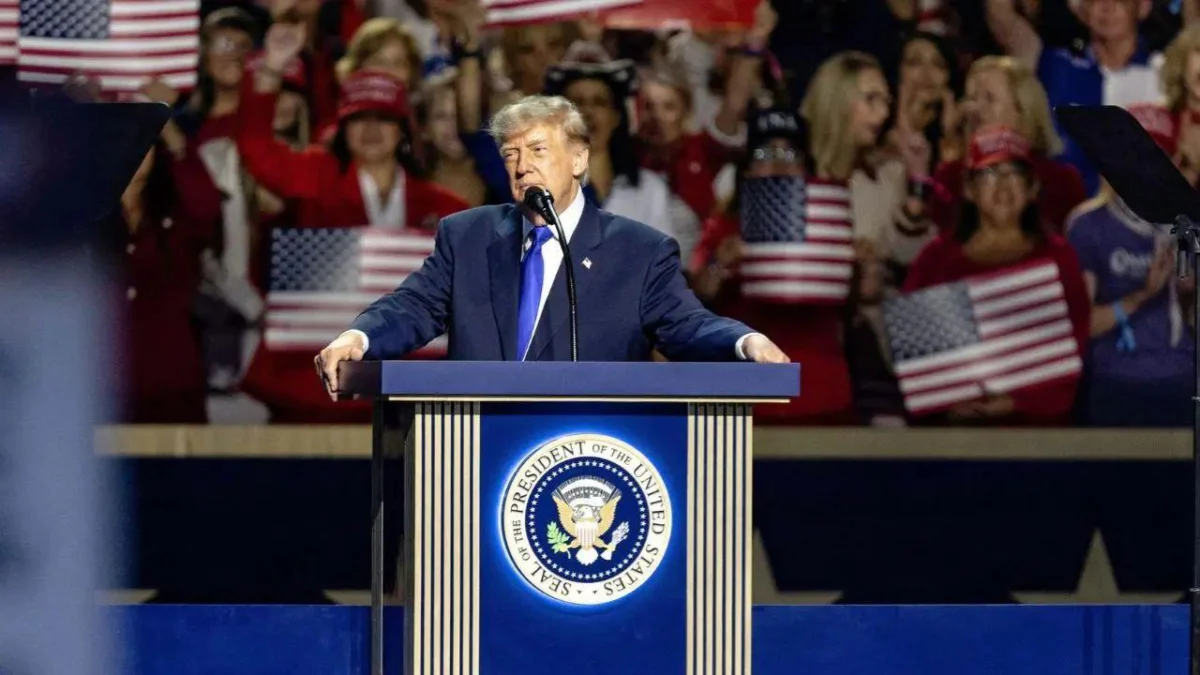
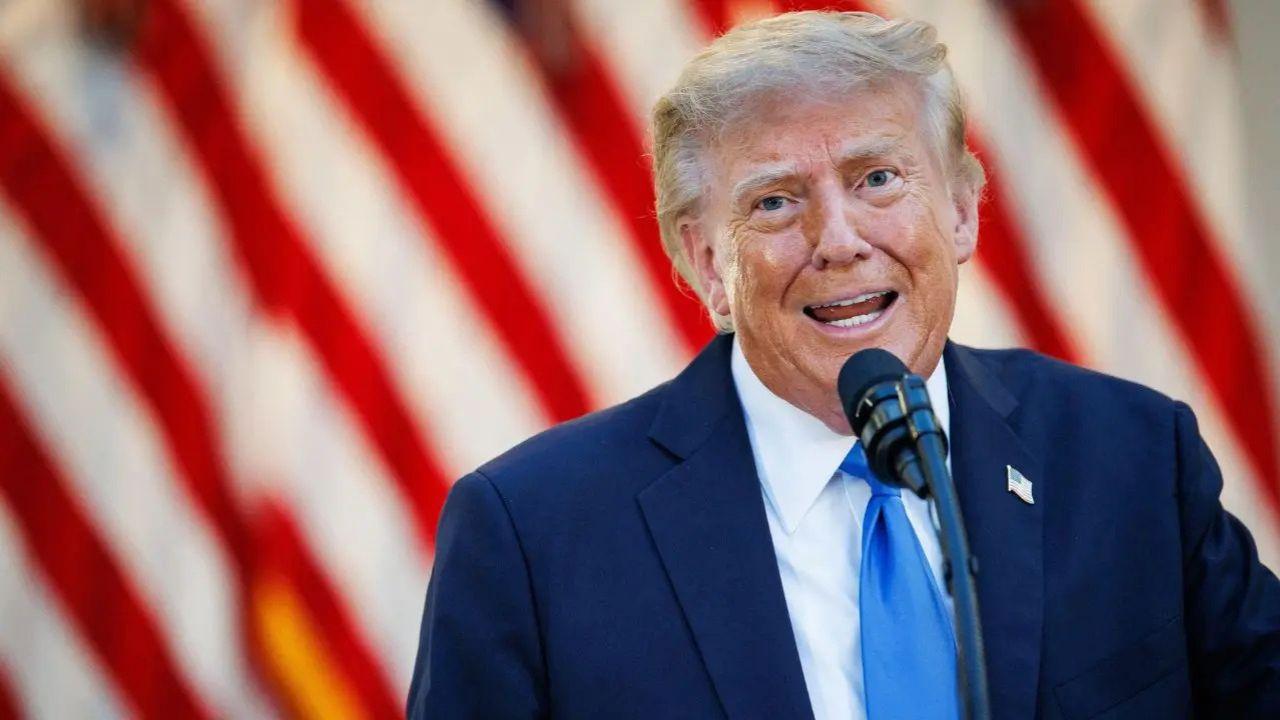
Former President Donald Trump is facing widespread condemnation and renewed scrutiny after he orchestrated a controversial pledge at the Republican Midterm Convention in Dallas, Texas, where he instructed a large gathering of his supporters to "cheat like h—" in the upcoming midterm elections. The incident, which occurred on the final day of the convention, has ignited a firestorm of criticism, with observers questioning the implications for election integrity and democratic norms.
Trump’s Controversial Call to Action in Dallas
The contentious moment unfolded on Thursday, September 10, 2026, during Trump’s address to attendees at the Republican Midterm Convention. In a move that quickly drew comparisons to more authoritarian or cult-like gatherings, Trump directed the audience to raise their right hands and repeat a specific pledge. The former president, known for his provocative rhetoric, began by having the crowd affirm their loyalty to him, stating, "I pledge to the greatest president in the history of the United States, that loves us so much he can’t even breathe, that I will go out with my family, my friends, I’ll do it anyway." He then escalated his message, urging them to declare, "I don’t care if I’m registered or not, I’m gonna try and cheat like h— like they do." This explicit call to "cheat like h—" was a direct extension of his long-standing narrative that Democrats routinely engage in widespread election fraud.
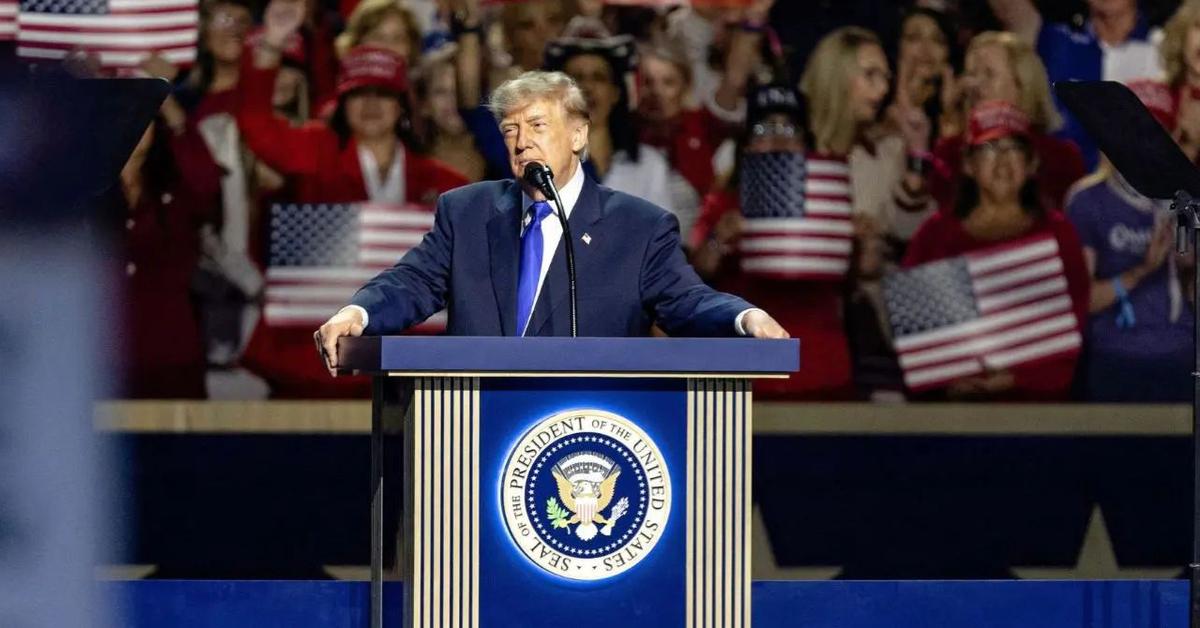
The remarks were made in the context of the critical midterm elections, where control of Congress and numerous state offices are at stake. Trump concluded his instructions by emphasizing voter participation, adding, "I am gonna go out and I’m going to get my friends and family and we are going to vote on November 3rd, or we are going to vote before that!" The juxtaposition of encouraging early voting with an instruction to "cheat like h—" has bewildered and alarmed many political analysts.
Background of Election Integrity Claims
Donald Trump has consistently challenged the legitimacy of election results, particularly since his defeat in the 2020 presidential election. His repeated, unsubstantiated claims of widespread voter fraud by the Democratic Party have become a central theme of his political rallies and public appearances. These allegations have fueled skepticism among his base regarding the fairness of the American electoral system and have been widely criticized by election officials, legal experts, and bipartisan commissions for lacking credible evidence.
The former president’s rhetoric has often revolved around the idea that any election he does not win is inherently "rigged" or "stolen." This persistent narrative has led to numerous legal challenges, audits, and investigations, none of which have uncovered systemic fraud on a scale that would alter election outcomes. Despite this, Trump has continued to amplify these claims, shaping the perceptions of many of his followers and making "election integrity" a key rallying cry for the Republican Party. The recent pledge to "cheat like h—" is seen by many as a troubling escalation of this rhetoric, effectively turning his accusations back onto his own supporters as a strategic directive.
Broader Implications for the Democratic Process
The former president’s call for supporters to "cheat like h—" carries profound implications for the democratic process in the United States. Such a directive, coming from a prominent national political figure, risks undermining public trust in elections and potentially encouraging unlawful behavior. Election laws are designed to ensure fair and transparent contests, and any incitement to bypass these regulations can have severe consequences for the integrity of the system.
Legal experts have swiftly pointed out that encouraging individuals to vote illegally or engage in fraudulent activities could constitute a violation of election laws. While Trump’s statement might be interpreted by some as hyperbole or a sarcastic retort to his own claims of Democratic cheating, the explicit nature of the command has raised concerns about its potential impact on voter behavior. The phrase "I don’t care if I’m registered or not" is particularly problematic, as voter registration is a fundamental requirement for legal participation in U.S. elections. This aspect of the pledge suggests a disregard for established electoral rules and could potentially lead to individuals attempting to cast ballots unlawfully, whether intentionally or through misunderstanding.
Impact on Political Discourse and Partisan Divide
The incident is expected to further deepen the already stark partisan divide in American politics. For Trump’s critics, the pledge confirms long-held fears about his disregard for democratic institutions and his willingness to employ extreme measures to achieve political victory. They argue that such statements normalize a culture of lawlessness and endanger the foundations of a fair electoral system. The comparison to "cult-like behavior" has been frequently invoked, suggesting that Trump’s influence over his base transcends traditional political loyalty.
Conversely, some of Trump’s staunchest supporters might interpret the pledge differently. They could see it as a defiant act, a strategic move to "fight fire with fire" against what they believe is a corrupt system, or simply as a rhetorical flourish meant to energize the base. However, even within the Republican Party, there may be discomfort with such explicit language, particularly among those who emphasize adherence to law and order. The incident puts the party in a difficult position, forced to either defend, explain, or distance itself from the former president’s controversial remarks.
Public and Social Media Reactions
The clip of Donald Trump leading the pledge quickly went viral across social media platforms, sparking a torrent of reactions from the public, political commentators, and journalists. Aaron Rupar, a prominent journalist, shared the video on X (formerly Twitter), leading to an outpouring of strong opinions.
Many social media users expressed outrage and alarm. One commenter critically stated, "F—– cult bulls—. You can’t call yourself a patriot while pledging allegiance to a rapist." Another user drew a parallel to historical cult figures, remarking, "Imagine watching a politician instruct a crowd to raise their right hands, pledge themselves to him, declare him the greatest president in history—and promise to do what he says…and your first thought is still: ‘It’s everyone ELSE who’s brainwashed. Jim Jones couldn’t write satire this f—– good.’" These comments highlight a deep concern among critics that Trump’s actions are eroding democratic principles and fostering a dangerous form of political idolatry.
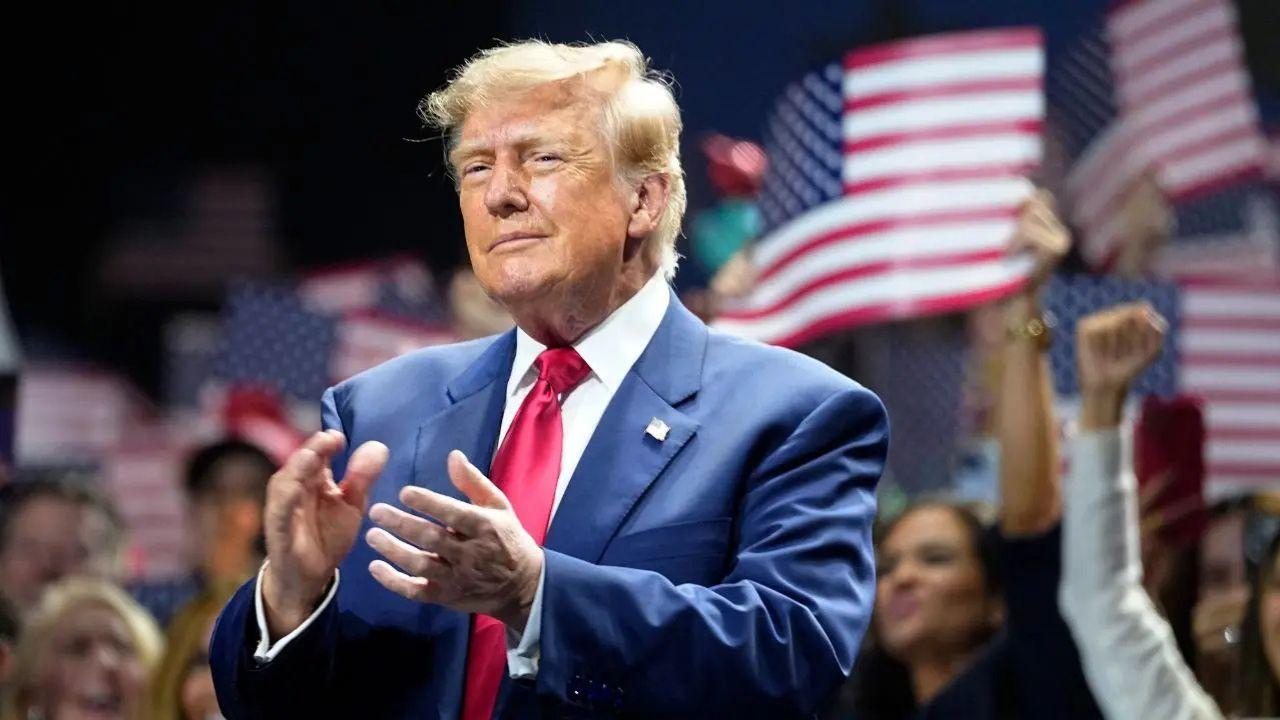
Others focused on the explicit nature of the instruction to violate election laws. A third person observed, "He is grooming his cult for whatever wacky s— he has planned for the midterms," suggesting a calculated attempt to prepare his base for unconventional actions. A fourth user bluntly stated, "Oops. He said the ‘cheating’ part out loud. And people are just mindlessly clapping and cheering along in that room like a bunch of cult members. The U.S. is such a disgrace right now." The sentiment reflected a mixture of disbelief, anger, and profound disappointment in the state of American politics.
Analysis of the ‘Cheat Like H—‘ Rhetoric
The specific phrase "cheat like h—" is particularly significant because it seemingly validates the very accusations Trump has leveled against his political opponents. The New Republic commented on this irony, noting that the "cheat like h—" line "proves that Trump’s rants about election fraud have always been self-serving, as he doesn’t care about any laws as long as he wins." This analysis suggests that Trump’s repeated claims of election fraud are not necessarily driven by a genuine concern for electoral integrity but rather serve as a pretext for his own political strategies, including potentially encouraging his supporters to push the boundaries of legal conduct.
This strategy, sometimes referred to as "projection," involves accusing opponents of the very actions one intends to commit or is already committing. By framing "cheating" as something "they" (Democrats) do, Trump’s instruction to his followers can be interpreted as a justification for them to engage in similar tactics, albeit without any verifiable evidence that Democrats systematically "cheat." The dangerous precedent set by a former president encouraging such behavior cannot be overstated, as it erodes the fundamental principles of fair play and adherence to the rule of law that underpin democratic governance.
Potential Consequences and Next Steps
The fallout from Donald Trump’s "cheat like h—" pledge is likely to be multifaceted. Legally, the explicit instruction to disregard voter registration requirements could attract the attention of election oversight bodies and potentially lead to investigations into whether such rhetoric constitutes incitement to commit election fraud. While direct prosecution of a speaker for general remarks made at a rally can be complex, the clear language used by Trump could prompt calls for scrutiny.
Politically, the incident will almost certainly be leveraged by Democratic campaigns to highlight what they will portray as the Republican Party’s contempt for democratic processes and the rule of law. It will also force Republican candidates to address whether they condone or condemn such calls for action from their party’s most influential figure. The long-term effect could be a further erosion of confidence in the electoral system, fostering an environment where election results are routinely disputed, regardless of their factual basis. This climate of distrust poses a significant threat to the stability and legitimacy of future elections in the United States.
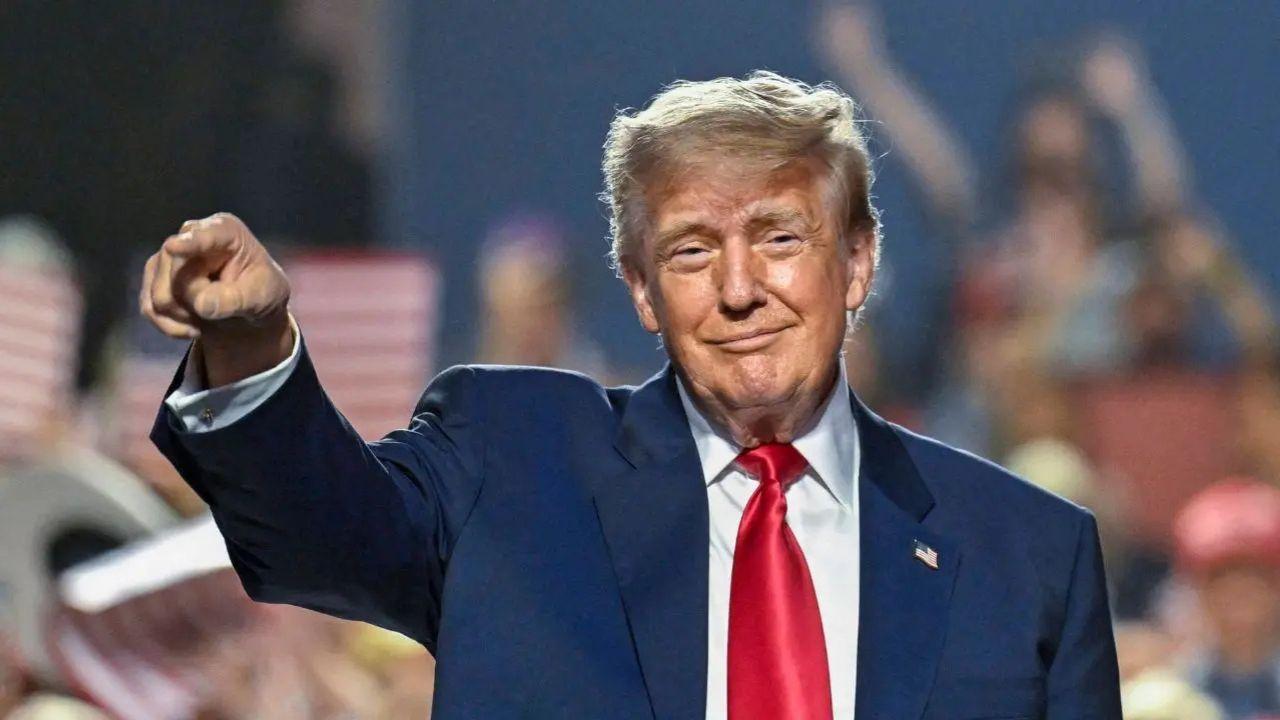
The Dallas convention incident underscores the ongoing challenge of navigating political discourse in an era of heightened polarization and distrust. Donald Trump’s willingness to push the boundaries of conventional political rhetoric, even to the point of explicitly encouraging actions that could violate election laws, continues to be a defining characteristic of his political influence. The repercussions of this controversial pledge will undoubtedly resonate throughout the upcoming midterm elections and beyond, further shaping the contentious landscape of American democracy.