A prominent political analyst has posited that if former President Donald Trump’s health continues to deteriorate, a significant portion of presidential power could subtly transfer to his loyal Deputy Chief of Staff and Homeland Security Adviser, Stephen Miller, effectively making him a "shadow POTUS." This assertion bypasses traditional constitutional lines of succession, instead pointing to a scenario where an unelected figure might wield substantial influence over the executive branch.
The Analyst’s Unconventional Prediction
The claim originated from political commentator David Rothkopf during an appearance on "The Daily Beast Podcast" hosted by Joanna Coles. Rothkopf suggested that should Trump’s physical and mental well-being decline further during a potential second term, the actual day-to-day governance might fall to Miller, a figure known for his fervent loyalty and hardline policy stances. This unprecedented shift, if it were to occur, would raise profound questions about democratic accountability and the structure of presidential authority.
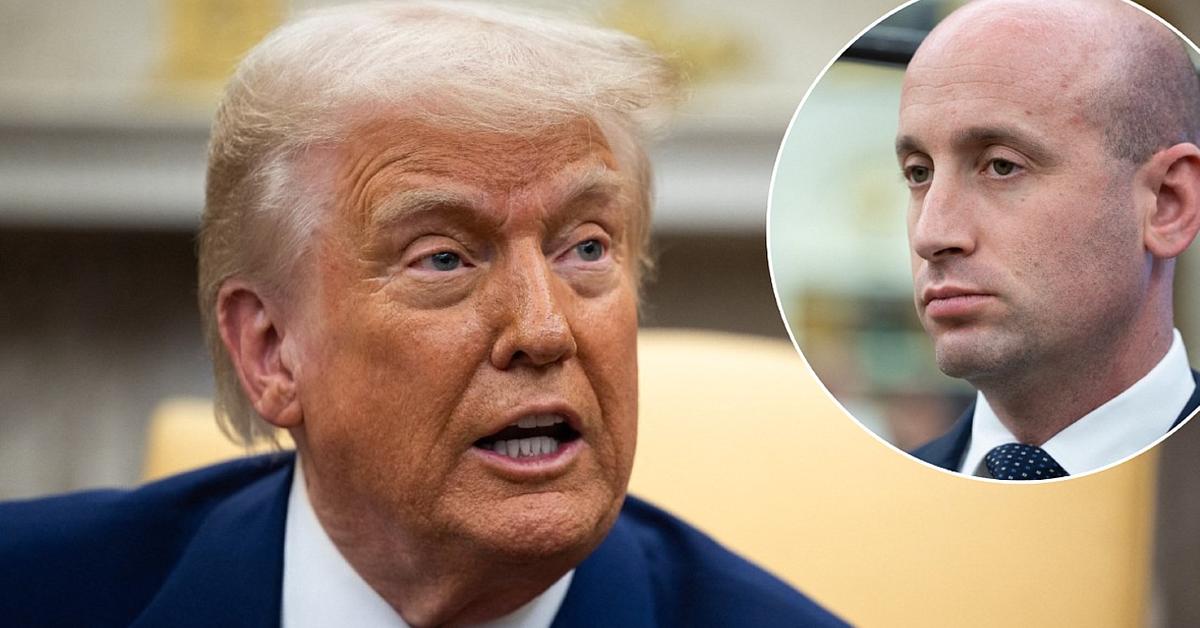
Rothkopf emphasized that this hypothetical transfer of power would not involve constitutional successors such as the Vice President, currently J.D. Vance, or the Secretary of State, Marco Rubio. Instead, Miller, aged 40, is identified as the likely orchestrator behind the scenes. His past reputation for meticulously controlling access to the president, shaping official statements, and managing internal communications positions him, in Rothkopf’s view, as a potent candidate for this unofficial role.
Concerns Over Presidential Health and Diminished Public Schedule
The analyst’s theory is rooted in observations regarding Donald Trump’s perceived health status and his evolving public schedule. Rothkopf noted a noticeable change in Trump’s public appearances, describing them as increasingly "micromanaged." This includes a reduction in spontaneous, open-press engagements and fewer television interviews, suggesting a deliberate strategy to limit unscripted interactions. Such a controlled environment, Rothkopf argued, indicates potential underlying health challenges.
Rothkopf drew a parallel between the current situation and the later stages of President Joe Biden’s administration, where, according to the analyst, aides consciously sought to shield the then 80-year-old president from intense public scrutiny. He directly stated that Trump, also in his 80s, is "obviously not physically or mentally healthy or up to the job he’s got." This assessment fuels the central question: if the president’s capacity diminishes further, who would then assume the functional responsibilities of the office?

Historical Precedents for Informal Power Shifts
The concept of unelected individuals or close advisors effectively governing during periods of presidential incapacity is not without historical precedent, as highlighted by Rothkopf. He cited several instances in American history where de facto authority was exercised by others due to a president’s health issues. Notable examples include the periods following President Dwight D. Eisenhower’s heart attacks, the final stages of Franklin D. Roosevelt’s declining health during his last term, and Woodrow Wilson’s severe incapacitation after suffering a stroke.
In these historical cases, advisors, family members, or cabinet officials often stepped in to manage critical affairs, creating an informal governance structure while the elected president recovered or remained indisposed. Rothkopf suggested that given the current circumstances surrounding Donald Trump’s health, the nation could be on the cusp of another such period, where an individual outside the formal line of succession effectively acts as president behind the scenes. The potential for a "shadow POTUS" Stephen Miller, therefore, taps into a recurring, albeit informal, dynamic in presidential history.
Stephen Miller’s Influence and Ideological Alignment
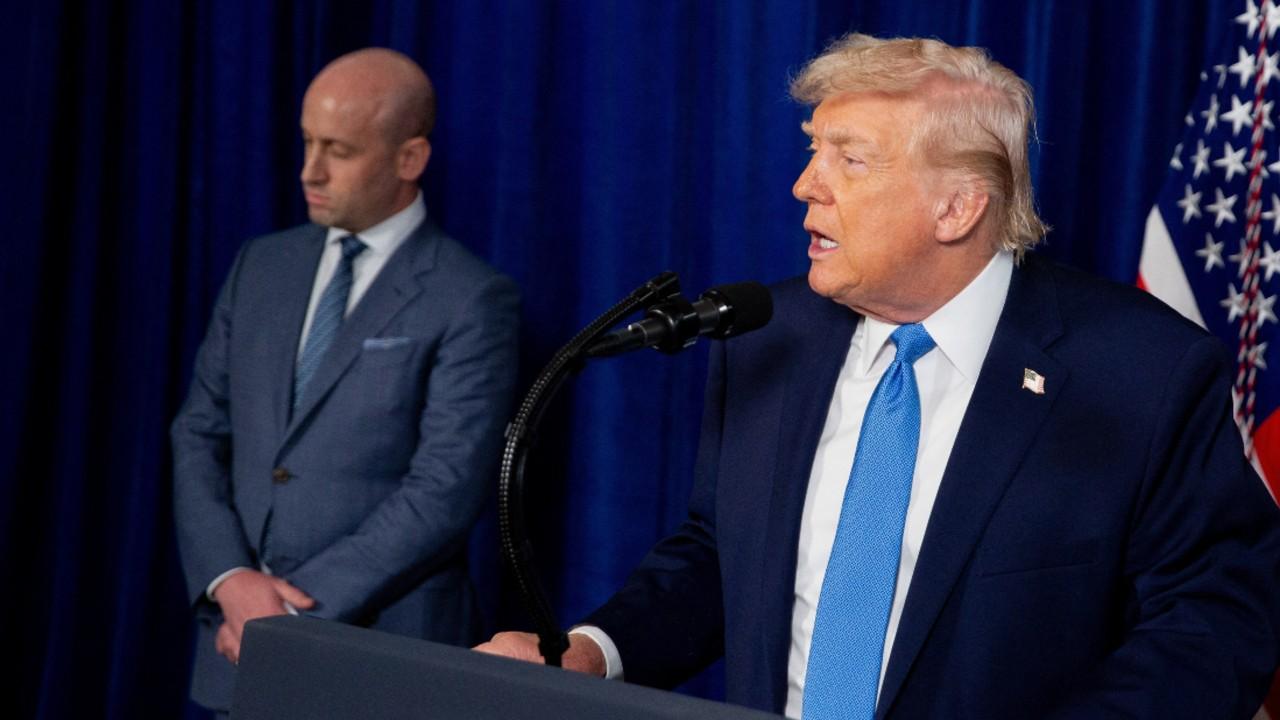
Stephen Miller’s trajectory within Donald Trump’s political orbit has been characterized by unwavering loyalty and a significant role in shaping core policy initiatives. During Trump’s first term, Miller served as a senior advisor, becoming a primary architect of the administration’s hardline immigration policies, including the travel ban and the separation of families at the border. His influence extended beyond policy, often involving the drafting of presidential speeches and public statements, underscoring his deep ideological alignment with Trump’s "America First" agenda.
Miller’s deep immersion in the president’s messaging and policy direction makes him a uniquely positioned figure. His capacity to act as a gatekeeper, controlling the flow of information to and from the president, and his proven ability to translate Trump’s instincts into actionable policy, are central to Rothkopf’s "shadow POTUS" hypothesis. His conservative credentials and consistent advocacy for nationalist policies have made him both a revered figure among Trump’s base and a controversial one among critics.
Broader Implications: Transparency, the 25th Amendment, and Public Trust
The political analyst’s commentary has reignited broader public debate concerning transparency in presidential health, the applicability of the 25th Amendment, and the functional distribution of power within the White House. The 25th Amendment, ratified in 1967, specifically addresses presidential disability and succession. Sections 3 and 4 outline procedures for a president to temporarily transfer power or for the Vice President and a majority of the Cabinet to declare the president unable to discharge the powers and duties of office.
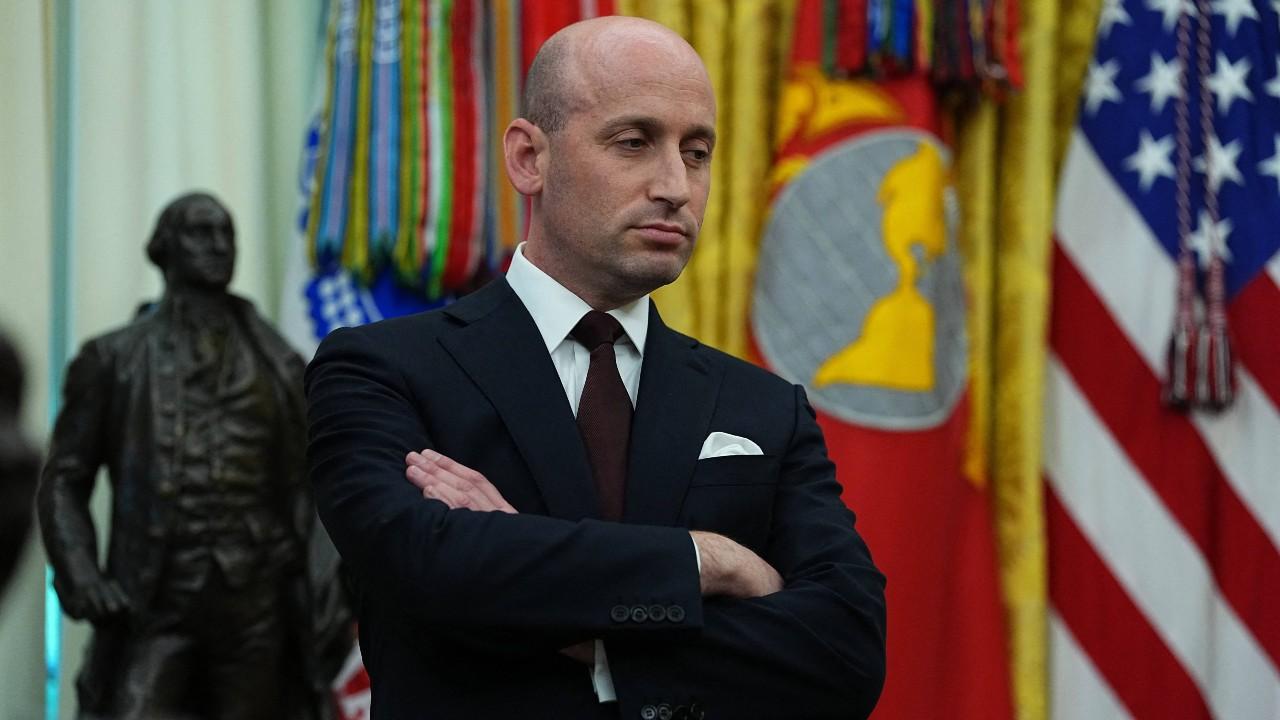
While the White House has consistently dismissed such concerns, the discussion underscores the inherent tension between public perception of presidential fitness and the constitutional mechanisms designed to ensure continuity of government. The idea of a "shadow POTUS" Stephen Miller, operating outside these formal structures, raises fundamental questions about democratic accountability and whether the public would truly know who is making critical decisions for the nation. This speculation can erode public trust and intensify political polarization, particularly in an era already marked by deep divisions.
White House Dismisses Claims as "Trump Derangement Syndrome"
The White House, through spokesperson Davis Ingle, has vehemently rejected Rothkopf’s claims, characterizing them as baseless and politically motivated. Ingle, in a statement to The Daily Beast, dismissed Rothkopf as a "far-left loser" who "clearly suffers from a severe and incurable disease known as Trump Derangement Syndrome that has completely rotted his peanut-sized brain." This strong rebuttal reflects the administration’s standard response to criticisms regarding the president’s health or capacity.
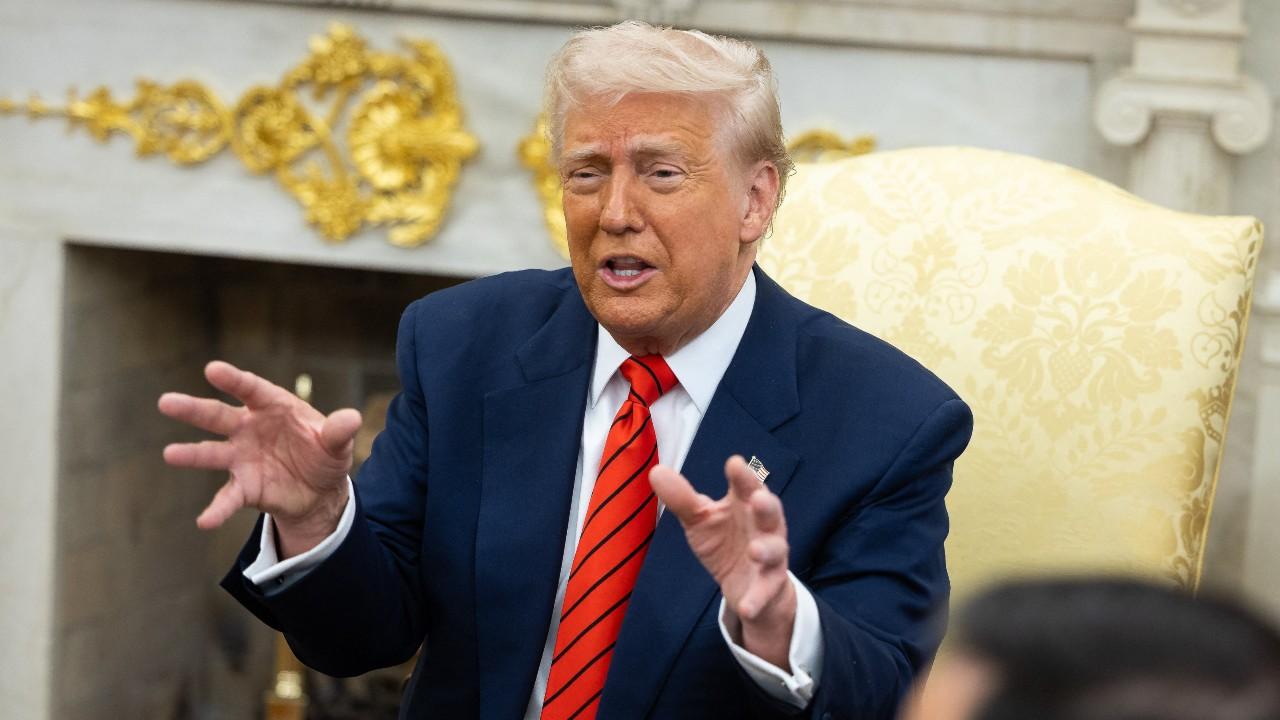
Ingle further asserted that President Trump’s "sharpness, unmatched energy, and historic accessibility stand in stark contrast to what we saw during the last administration when Democrats and the legacy media intentionally covered up Joe Biden’s serious mental and physical decline from the American people." The White House spokesperson concluded by reiterating that President Trump is "the sharpest and most accessible President in American history who is working nonstop to solve problems and deliver on his promises," directly countering any suggestions of diminished capacity or an impending "shadow POTUS" Stephen Miller.
Ongoing Scrutiny and Future Considerations
Despite the White House’s forceful denial, the scrutiny over presidential health and the potential for informal power dynamics persists, especially given the advanced age of contemporary presidential candidates. Rothkopf’s analysis, though speculative, highlights a persistent concern within political circles about how a nation ensures effective governance when a leader’s fitness is questioned. The public debate, encompassing issues from bruises and perceived behavioral changes to family health history, underscores the intense interest in and impact of a president’s well-being on national and international affairs.
The dialogue surrounding a potential "shadow POTUS" Stephen Miller and the broader implications for presidential power will likely continue to evolve as political dynamics unfold. These discussions serve as a reminder of the delicate balance between presidential authority, constitutional provisions, and the ever-present public demand for transparency regarding the nation’s highest office. The implications of such a scenario could reshape public understanding of executive power and its exercise.