Vice President J.D. Vance faced swift and widespread condemnation this week after publicly making a fat-shaming remark directed at conservative columnist Marc Thiessen. The comment, posted on the social media platform X, emerged during an online discussion among conservative figures regarding the pressing issue of high food prices and persistent inflation, drawing bipartisan criticism for its perceived unprofessionalism and personal nature. Critics quickly labeled the incident as "embarrassing" and called for the Vice President to "grow up," arguing it represented a significant misstep for a high-ranking public official.
The contentious exchange began when Andrew Kolvet, a spokesperson for Turning Point USA, a conservative student organization, shared an anecdote on X. Kolvet relayed a complaint from one of the group’s college students, who expressed dismay over the escalating cost of food, specifically noting that "A burrito shouldn’t cost $20." This comment was intended to highlight the tangible impact of inflation on young Americans and their daily lives.
Inflation Debate Takes a Personal Turn
Marc Thiessen, a prominent conservative columnist for the Washington Post and former speechwriter for President George W. Bush, quickly interjected into the discussion with a dismissive response. Thiessen retorted, "Cry me a river. The burritos in the college cafeteria are included in your meal plan," implying that the student’s complaint was unwarranted given the availability of subsidized dining options. His comment, while perhaps intended to downplay the severity of the student’s grievance, was itself perceived by some as insensitive to broader economic anxieties.
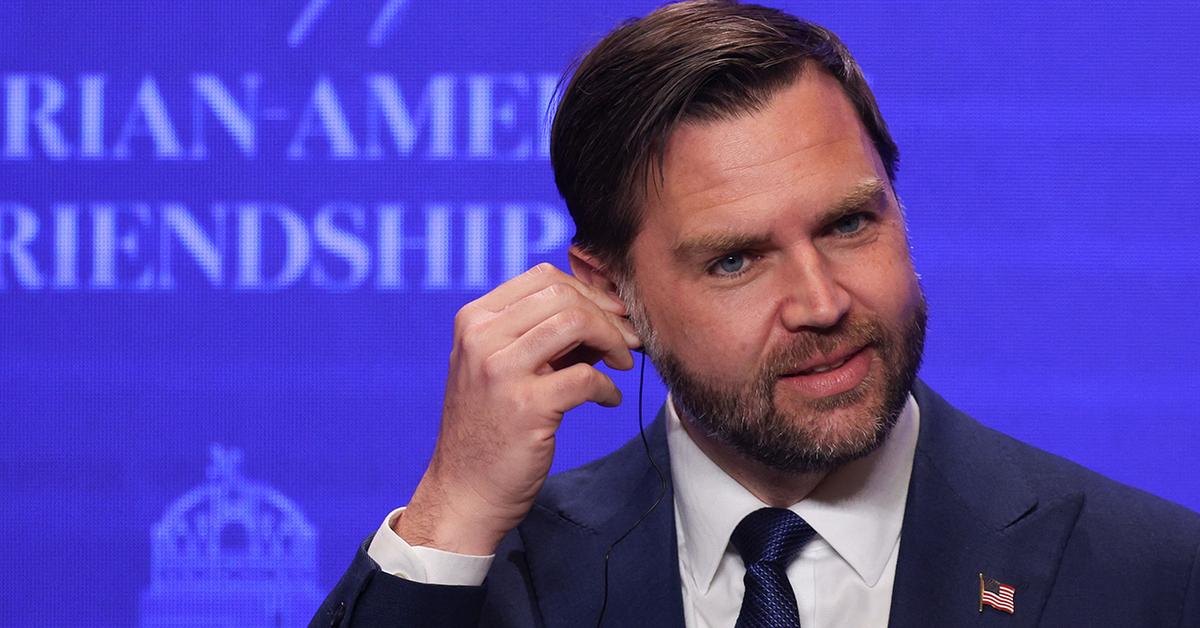
It was at this point that Vice President J.D. Vance entered the conversation, diverting from the economic substance of the debate to launch a personal attack on Thiessen. Vance wrote, "I’m surprised to hear Mark [sic] say this. If you’ve ever met him in person, it’s quite obvious the man has never missed a burrito." This direct personal swipe, targeting Thiessen’s physical appearance, immediately transformed a policy discussion into a public spectacle, igniting a firestorm of criticism across the political spectrum.
Vance Under Fire: Unbecoming Conduct for a VP
The Vice President’s comment went viral almost instantly, drawing a torrent of negative reactions from political commentators, social media users, and even fellow conservatives. Many observers highlighted the impropriety of a sitting Vice President engaging in personal insults, particularly regarding someone’s weight, on a public platform. The consensus among critics was that such behavior was "unbecoming" of the high office Vance holds and reflected a disturbing trend toward schoolyard bullying in political discourse.

Political analysts were quick to point out the double standard and perceived hypocrisy in Vance’s actions. Just two years prior, Vance had undergone a significant personal transformation, losing approximately 30 pounds between his 2022 Senate campaign and late 2024. He has consistently attributed his weight loss to dietary changes, intermittent fasting, and regular exercise, explicitly denying the use of popular weight-loss medications like Ozempic. President Donald Trump himself had publicly lauded Vance’s trimmer physique at a White House event, jokingly remarking that he used to look for a "heavy-set gentleman" but now saw a "perfect-looking specimen." This personal history made Vance’s fat-shaming of Thiessen appear particularly jarring and hypocritical to many.
Broader Implications of Public Body-Shaming
The incident also sparked a wider conversation about the role of social media in modern politics and the impact of personal attacks from figures in power. Critics argued that Vance’s comment not only detracted from a serious debate about inflation and grocery affordability but also mocked the genuine economic struggles faced by many Americans. By shifting the focus from policy to personal appearance, Vance was accused of trivializing important national issues and setting a poor example for public discourse.
Furthermore, the backlash extended to concerns about body image and the prevalence of fat-shaming in society. Many social media users condemned Vance’s remark as insensitive and potentially harmful, particularly coming from a national leader. The incident underscored the challenges of maintaining decorum and respect in an increasingly polarized and online political environment, where the lines between professional conduct and personal attacks often blur.
Political Fallout and Public Reactions
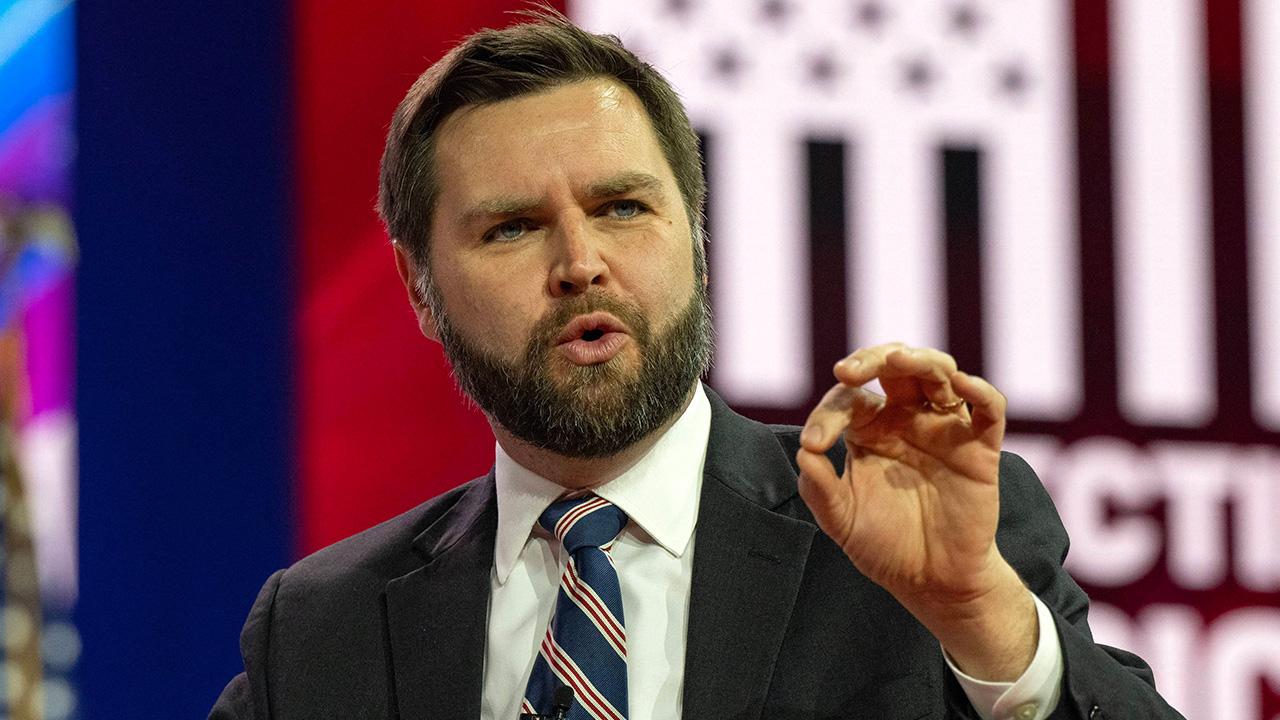
The condemnation of J.D. Vance was not confined to one political ideology. Figures from across the spectrum expressed their dismay, noting that regardless of one’s political leanings, a Vice President’s public conduct should adhere to a higher standard. Some critics went as far as to label Vance an "internet troll," suggesting that his actions were more akin to anonymous online harassment than the dignified communication expected from a Vice President.
The Vice President’s team, however, appeared to view the controversial post in a different light. Reports indicated that the Trump administration expressed "glee" over what it described as a "banger" of a post by Vance, suggesting that some within his political circle might see such provocative engagement as a strategic move or a way to energize a certain segment of their base. This divergence in interpretation highlights the complex and often contradictory dynamics of contemporary political communication, where what one side views as an egregious gaffe, another might see as an effective, if unconventional, political maneuver.
The incident also revived discussions about Vance’s prior statements regarding his social media usage. He had previously signaled an intention to retreat from non-official social media engagement, making his deliberate return to X for a personal attack even more conspicuous. This action raised questions about the consistency of his public persona and his commitment to more substantive political discourse.
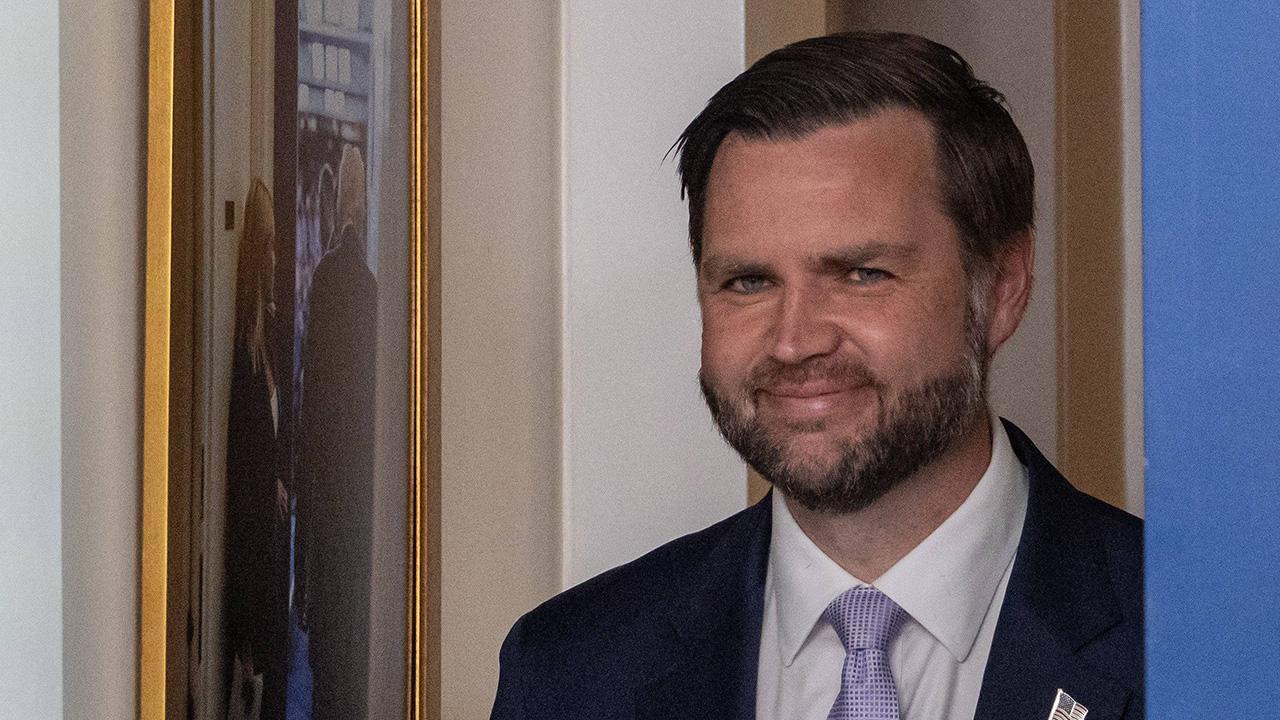
As the fallout continues, the episode serves as a stark reminder of the constant scrutiny public figures face in the digital age and the amplified consequences of their online interactions. The debate over inflation, burritos, and personal appearance has momentarily overshadowed other policy discussions, leaving many to ponder the evolving standards of conduct for America’s top political leaders. The widespread "shame" directed at J.D. Vance underscores a public desire for leaders to engage with issues thoughtfully and respectfully, even in the heated arena of online debate.