A powerful consortium of entertainment industry heavyweights, including prominent Hollywood producers Haim Saban, Lawrence Bender, and Teddy Schwarzman, has issued a scathing public statement condemning actor Mark Ruffalo. The group alleges that Ruffalo’s recent criticisms of Paramount Global’s leadership, specifically concerning its proposed merger with Warner Bros. Discovery (WBD), are rooted in “antisemitic tropes.” This accusation has ignited a fierce debate within the industry, highlighting deep divisions over corporate power, geopolitical conflicts, and the boundaries of public discourse.
The statement originated from a newly formed collective identifying itself as The Brigade. This organization describes its membership as comprising nearly 1,000 individuals, including "members, friends, and allies of the Jewish community who are proud to be working in film, television, music, Broadway, social and digital, and other platforms in and around the entertainment industry." Their collective voice aims to combat what they perceive as targeted hate speech.
The Brigade’s Formation and Mission
The Brigade’s emergence underscores a growing trend of organized responses within Hollywood to perceived antisemitism, particularly in the wake of heightened tensions surrounding the Israeli-Palestinian conflict. The group’s mission, as articulated in its statement, is to confront the use of "antisemitic tropes and narratives" by those who leverage their public platforms for what they term "targeted hate speech toward Jews." Their declaration serves as a stark warning against what they view as the weaponization of historical prejudices in contemporary debates.
Key Industry Figures Behind the Statement
Among the most recognizable names endorsing The Brigade’s stance are figures with significant influence across various facets of the entertainment world. Haim Saban, a media mogul known for building the Power Rangers franchise into a global phenomenon, commands vast financial and political sway. Lawrence Bender, a celebrated producer, has a storied career marked by collaborations with Quentin Tarantino on iconic films like Reservoir Dogs and Pulp Fiction. Teddy Schwarzman, founder and CEO of Black Bear Pictures, has produced critically acclaimed films such as The Imitation Game and Nyad, establishing himself as a significant independent force. Other notable signatories include Ram Bergman (producer of the Knives Out series), Matti Leshem, Anthony Bregman, Micah Green, and Lynn Harris, collectively representing a formidable segment of Hollywood’s creative and business leadership.
Mark Ruffalo’s Activism and Corporate Critique
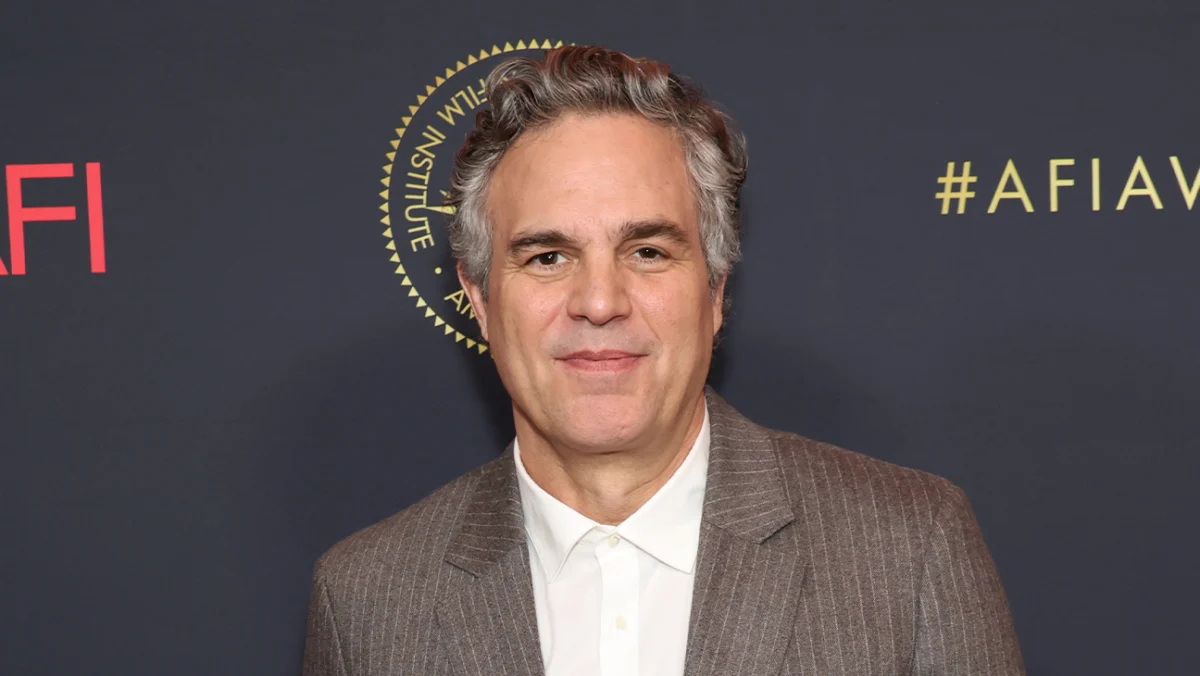
The catalyst for this industry-wide condemnation was an Instagram post by Mark Ruffalo on August 21. A four-time Oscar nominee and two-time Emmy winner, Ruffalo has long been a vocal advocate for environmental causes, social justice, and Palestinian rights. He has consistently expressed concerns about the consolidation of media power, including the proposed Paramount-WBD merger, fearing its potential negative impact on jobs and creative diversity within Hollywood.
Ruffalo’s contested post specifically highlighted Oracle’s ties to the Israeli military. It referenced a viral clip of former Oracle CEO Safra Catz speaking at the Israeli-American Council National Summit in 2024, discussing Israel’s war effort in Gaza. Ruffalo’s critique extended to Oracle founder Larry Ellison, who is Paramount’s controlling shareholder through a family trust and the father of Paramount CEO David Ellison. Larry Ellison is also a pivotal financial backer of Paramount’s merger attempt with WBD. Ruffalo’s position has consistently linked corporate decision-making with broader geopolitical implications, arguing that the financial interests behind the merger are intertwined with support for Israel’s military actions.
The Paramount-WBD Merger Controversy
The proposed merger between Paramount Global and Warner Bros. Discovery represents a significant potential shift in the already consolidating media landscape. Both companies own vast libraries of content, streaming services, and broadcast networks. Critics, including Ruffalo, have raised concerns about antitrust issues, potential job losses, and the impact on independent content creation. These business considerations have become entangled with political and ethical debates, particularly given the public stances of key figures involved in the deal.
Oracle’s Role and Geopolitical Ties
Oracle, a multinational computer technology corporation, has a well-documented presence and investment in Israel, including substantial contracts with the Israeli government and military. Larry Ellison, the company’s co-founder and former CEO, is a prominent figure in the tech world with significant philanthropic and political engagements, often expressing strong support for Israel. The viral clip featuring Safra Catz, who served as Oracle’s CEO and is now chairman, underscored the company’s commitment to Israel’s security and technological infrastructure, particularly in the context of the ongoing conflict in Gaza. Ruffalo’s post sought to draw a direct line between these corporate and geopolitical ties and the financial maneuvers shaping the future of Hollywood.
The Heart of the "Antisemitism" Accusation
The Brigade’s statement minced no words in its accusation against Ruffalo. "Singling out Jewish executives and describing them in terms lifted from centuries-old antisemitic conspiracy theories, while invoking Israel as the frame for that attack, is antisemitic," the group asserted. They further emphasized that it is "unacceptable to introduce Jews, antizionism, or antisemitism into conversations about business transactions, simply because those involved are Jewish."
The Brigade contended that Ruffalo’s comments were not merely a critique of a business deal or a government’s policy, but rather an instance of "simple antisemitism, where Jewish executives are portrayed as a secretive and powerful wealth-hoarding elite delighting in mass death." They explicitly linked this rhetoric to historical periods of intense persecution, stating, "This is the same rhetoric that Nazis, Soviets, and the Klan weaponized against Jews, and its consequences are not only historical: they show up today in attacks against Jews in our streets, our synagogues, and our schools."
Historical Context of Accused Tropes
The accusations against Ruffalo draw on a long and painful history of antisemitic tropes that have historically demonized Jewish people. These include conspiracy theories depicting Jews as a secretive, globally powerful cabal controlling financial institutions, media, and governments for their own nefarious ends. Such narratives often attribute disproportionate influence and malevolent intentions to Jewish individuals, fueling prejudice and violence. The Brigade’s statement highlighted concerns that linking prominent Jewish executives to alleged corporate malfeasance and geopolitical conflicts, particularly through the lens of Israel, risks inadvertently echoing these dangerous historical stereotypes.
Industry Reactions and Divisive Debate
Following Ruffalo’s initial Instagram post, a spokesperson for Paramount Global swiftly issued a reply, characterizing the actor’s remarks as “antisemitic” and urging for a de-escalation of the debate surrounding the WBD deal. Ruffalo, in turn, fired back with a viral X post, vehemently denying the charge: “The accusation that I am antisemitic is appalling and fundamentally dishonest.”
The controversy quickly escalated, drawing in other voices from across the industry and advocacy groups. The Simon Wiesenthal Center, a global Jewish human rights organization, joined The Brigade in condemning Ruffalo’s comments, further solidifying the perception of a united front against the actor’s stance.
Ruffalo’s Defense and Allied Voices
However, Ruffalo was not without his defenders. Emmy-winning Hacks actress Hannah Einbinder, in her own public statement, dismissed the antisemitism claims against Ruffalo as "ludicrous." Einbinder, herself Jewish, implored more individuals in Hollywood to "be more like Mark," suggesting that his critique was legitimate and necessary. Her intervention underscored the complex and often fractured nature of opinions within the Jewish community itself regarding Israel, Zionism, and the parameters of acceptable criticism. Einbinder’s support highlighted the nuanced distinction many draw between criticism of Israeli government policies or specific corporate ties and genuine antisemitism.
Navigating Free Speech and Charges of Antisemitism
This incident serves as a stark illustration of the fraught landscape surrounding discussions of the Israeli-Palestinian conflict and corporate power in contemporary Western societies, particularly within the entertainment industry. Critics of Israel often face accusations of antisemitism, while those who raise concerns about such accusations are sometimes charged with stifling free speech or enabling prejudice. The debate around Ruffalo’s comments underscores the challenge of distinguishing between legitimate critique of corporate practices or governmental policies and the deployment of harmful stereotypes.
The Brigade’s statement further questioned the motivations behind such campaigns, asking, "is there someone behind the funding of this campaign that is continuously perpetrated by the same individuals?" This query hints at deeper suspicions within the industry about organized efforts to shape public opinion and silence dissenting voices, particularly those critical of Israel or powerful corporate entities.
The Entertainment Industry’s Political Landscape
Hollywood has historically been a nexus of political activism, but the current geopolitical climate has intensified internal divisions. The Israel-Hamas conflict, in particular, has led to a highly charged environment where artists and executives often feel pressured to take sides, or face professional repercussions. The Mark Ruffalo controversy exemplifies the increasing difficulty for public figures to engage in political commentary without facing intense scrutiny and potentially career-damaging accusations. It reflects a broader cultural struggle to define the boundaries of acceptable discourse in an era of heightened polarization.
The ongoing dispute between Mark Ruffalo and The Brigade, backed by some of Hollywood’s most influential figures, remains a potent symbol of these tensions. It encapsulates the complex interplay of corporate interests, geopolitical allegiances, and fundamental questions about freedom of expression versus the imperative to combat hatred. As the industry grapples with these profound challenges, the repercussions of this highly public spat are likely to resonate for some time, influencing how future debates on similar topics unfold.