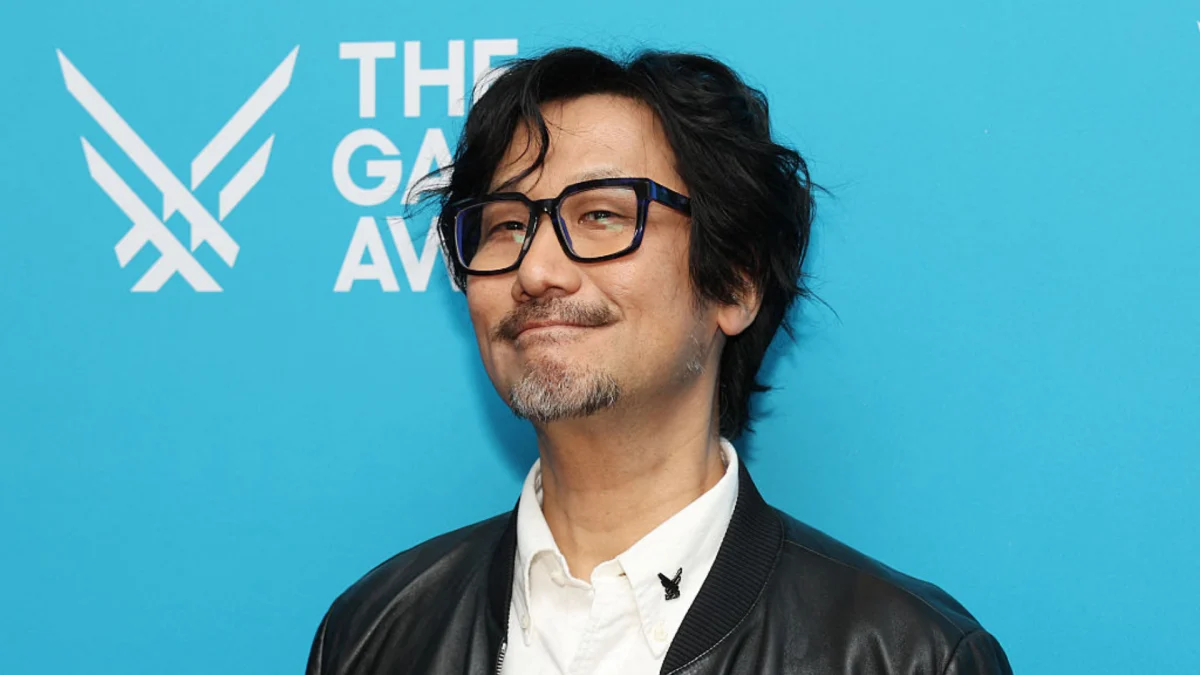
Renowned video game creator Hideo Kojima has revealed that Sony Interactive Entertainment abruptly terminated its long-standing partnership with his independent studio, Kojima Productions, during a brief video conference earlier this summer. The dissolution of the relationship, which has spanned over a decade and produced some of the PlayStation brand’s most high-profile exclusive titles, reportedly occurred without a formal explanation from the technology giant. Kojima, speaking through an interpreter in a series of recent interviews, described the moment as a profound shock that initially left him questioning the survival of his development house.
The separation marks a seismic shift in the video game industry landscape, as Kojima has been synonymous with the PlayStation ecosystem for nearly thirty years. Since his departure from Konami in 2015, the auteur filmmaker and game designer had relied on Sony as his primary benefactor, a relationship that birthed the "Death Stranding" franchise. The sudden withdrawal of support for his upcoming project, a stealth-action title codenamed "Physint," forced the studio to scramble for new backing to avoid potential insolvency.
The Abrupt Termination of a Decadelong Alliance
According to Kojima, the news was delivered during a June Zoom call that included himself, his longtime translator Aki Saito, and Kojima Productions President Shinji Hirano. A representative from Sony Interactive Entertainment (SIE) informed the team that the company would no longer be moving forward with the "Physint" project or the broader publishing partnership. Kojima noted that the decision felt unilateral and lacked the transparency usually expected in high-level corporate transitions.
"We couldn’t understand it," Kojima told reporters, noting that he had previously believed the project was a cornerstone of Sony’s future software lineup. He pointed out that while former SIE CEO Jim Ryan had recently retired, he assumed the agreements made under previous leadership would remain honored. The news was particularly jarring given that Kojima Productions is an independent entity; unlike first-party studios owned by Sony, Kojima’s team relies on external milestone payments and publishing deals to meet payroll and operational costs.
The creator admitted that his mind "went blank" upon hearing the news. For several weeks, the studio kept the development under wraps, even from its own employees, while leadership sought a path forward. The silence was necessary to prevent internal panic, as Kojima feared that news of the split could lead to a mass exodus of talent or a total collapse of the studio’s financial standing.
Financial Vulnerability of Independent Development
The situation highlights the precarious nature of independent AAA game development in an era of ballooning budgets. While Hideo Kojima is one of the most recognizable names in the medium, his studio’s independence means it does not have the safety net of a parent corporation’s treasury. "If they can’t fund us, our studio could collapse," Kojima stated, emphasizing that the June meeting placed the jobs of hundreds of developers at risk.
Historically, Kojima’s projects are known for their high production values, celebrity casts, and lengthy development cycles. "Death Stranding," the studio’s debut effort, featured Hollywood actors Norman Reedus and Mads Mikkelsen and required significant capital for its proprietary engine and global marketing campaign. The upcoming "Physint" was intended to be an even more ambitious "transmedia" experience, blurring the lines between cinema and interactive gaming, featuring "John Wick" and "It" star Bill Skarsgård.
Sony’s decision to exit the partnership coincided with a broader tightening of belts across the gaming industry. Throughout 2024 and 2025, major publishers have faced increased pressure from shareholders to reduce overhead and focus on established, lower-risk intellectual properties. Despite the critical acclaim of Kojima’s work, his titles are often experimental and polarize audiences, which may have contributed to a shift in Sony’s internal risk assessment.
Why Hideo Kojima Claims Sony Dumped Him in a Zoom Call With No Reason
The lack of an official rationale from Sony has fueled intense speculation within the industry. While Kojima maintains that no reason was given during the call, subsequent reports have suggested that internal friction may have been a contributing factor. Sources close to the matter cited by Bloomberg suggested that "Physint" was allegedly struggling to meet internal development milestones and was projected to significantly exceed its initial budget.
Kojima Productions has since pushed back against these claims, urging the public to view reports of mismanagement with skepticism. In a formal statement, the studio asserted that it remains in a healthy and profitable state. They characterized the transition not as a failure of development, but as a change in corporate direction that necessitated a new home for their intellectual property.
The "Zoom call" delivery method has also drawn criticism from industry observers, who noted that a partnership of thirty years—dating back to the original "Metal Gear Solid" on the first PlayStation—deserved a more personal conclusion. Kojima expressed that while he holds no grudge against Sony, he wished the communication had been handled with more lead time. "I would’ve wanted to hear it a little earlier," he remarked, noting that the suddenness of the June meeting left him little room to prepare his staff for the transition.
The Strategic Pivot to Microsoft and Xbox
The crisis was ultimately resolved when Microsoft’s Xbox division stepped in to fill the void left by Sony. Xbox had already established a relationship with Kojima Productions for a separate horror project titled "OD," which is being developed in collaboration with filmmaker Jordan Peele. Following the split with Sony, Microsoft expanded its partnership to include the publishing and funding of "Physint."
Kojima revealed that after the Sony call, he approached several potential partners, but found that Xbox offered the most robust support system. Beyond mere funding, Microsoft provided access to its cloud computing technology and technical resources that Kojima deemed essential for his vision of a "next-generation" stealth game. The pitch for "Physint" reportedly received an enthusiastic reception from Xbox leadership, who praised the concept as unlike anything they had seen in the industry.
The move to Xbox is a significant coup for Microsoft, which has long struggled to secure high-profile Japanese exclusives to compete with Sony’s dominant market share in Asia. By picking up a project that Sony discarded, Xbox positions itself as the new home for "auteur-driven" gaming. Kojima noted that Microsoft’s interest extends beyond the game itself, with a focus on turning the "Physint" IP into a multi-platform brand that includes anime and film adaptations.
Industry Implications and the Future of Physint
The fallout between Kojima and Sony serves as a case study for the changing dynamics of platform exclusivity. For years, the "console wars" were defined by which brand could claim the loyalty of top-tier creators. As development costs for AAA games now frequently exceed $200 million, the exclusivity model is being tested. Sony’s decision to drop a Kojima project suggests that even the most prestigious partnerships are no longer immune to the pressures of the bottom line.
For the gaming public, the shift means that "Physint" will likely bypass the PlayStation 5 entirely, becoming a flagship title for the Xbox ecosystem and PC. This is a major departure for fans who have followed Kojima’s work on Sony hardware since the 1990s. However, Kojima has attempted to reassure his longtime supporters, stating that he remains a "Sony fan" in his personal life, frequently using the company’s cameras and electronics.
"I’m not fighting with Sony," Kojima clarified. "We’re not in a dispute." He emphasized that his relationship with PlayStation remains "strong" in other areas, likely referring to the continued support and upcoming release of "Death Stranding 2: On the Beach," which remains a Sony-published title. This creates a unique situation where Kojima Productions is simultaneously working with the two fiercest rivals in the gaming industry on different high-stakes franchises.
Development Progress and Transmedia Ambitions
Despite the corporate drama, development on "Physint" is reportedly moving forward at a steady pace under the new Microsoft partnership. The game is described as a "cinematic" stealth-action experience that will utilize cutting-edge technology to create a level of realism previously unseen in the genre. Kojima has hinted that the game will be his "culmination" of work, returning to the stealth roots that made him a household name while incorporating the storytelling techniques he has refined over the last decade.
The involvement of Bill Skarsgård and the emphasis on a "transmedia" approach suggest that "Physint" is being designed as more than just a software product. By partnering with Xbox, Kojima is tapping into a company that has shown an increasing willingness to experiment with how games are delivered, including cloud gaming and subscription services like Game Pass. This flexibility may have been the deciding factor in Kojima’s decision to pivot so quickly after the Sony split.
As the industry watches the development of "Physint" under the Xbox banner, the story of the June Zoom call remains a poignant reminder of the volatility of the business. While Hideo Kojima claims Sony dumped him in a Zoom call with no reason, the resulting shift has arguably given the creator more creative freedom and a broader platform for his future endeavors. The resolution of this conflict ensures that one of gaming’s most unique voices will continue to produce large-scale projects, even if the logos on the box have changed.