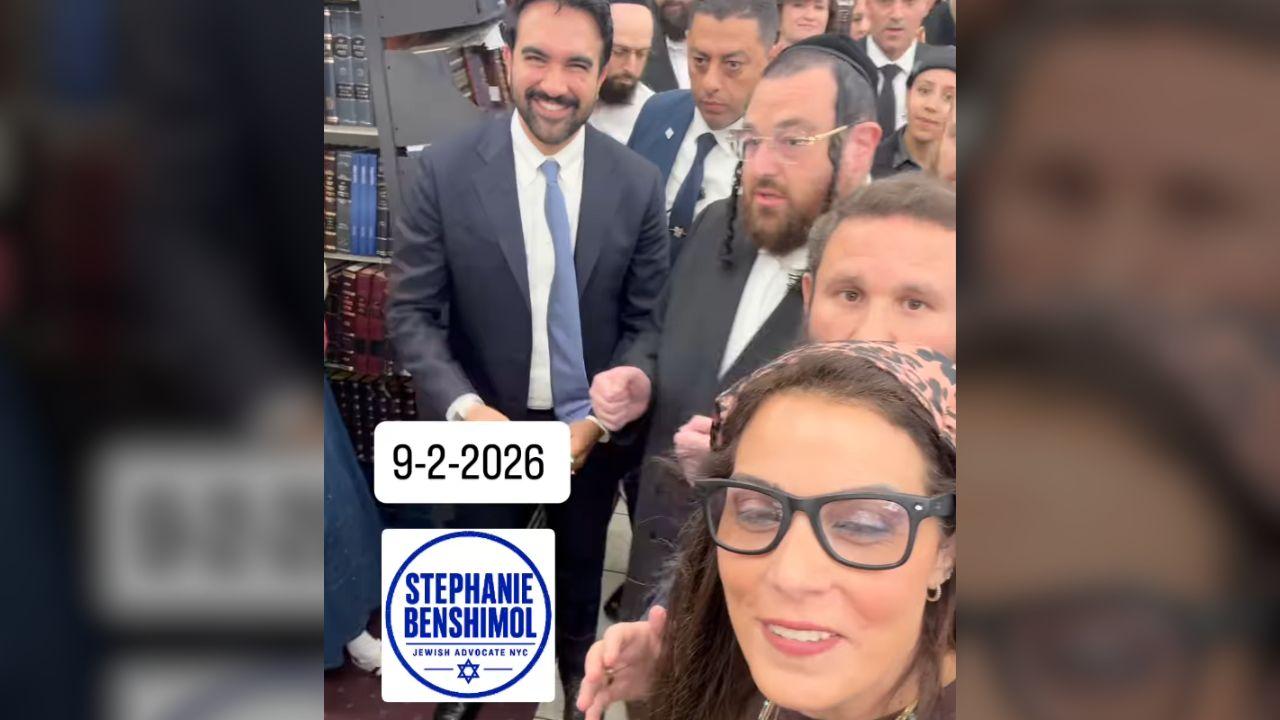
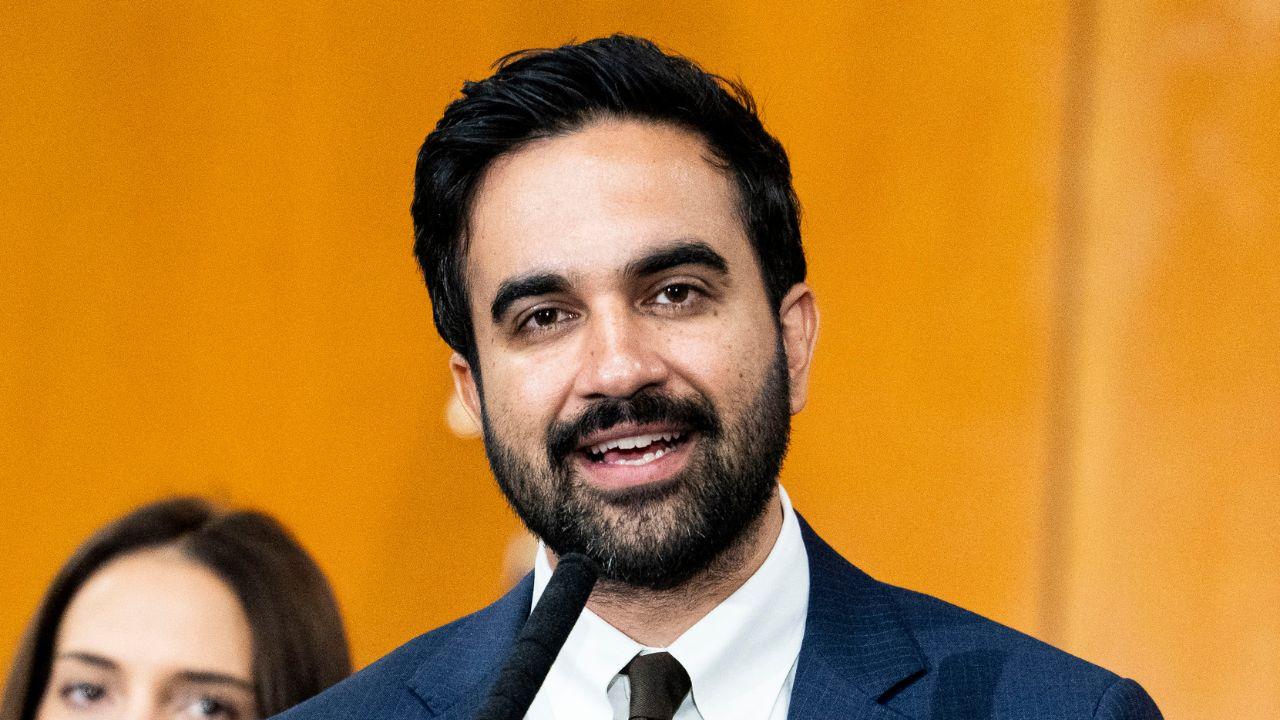
A highly charged public confrontation unfolded in Brooklyn on September 2, as Stefanie Benshimol, identifying as a "Boss Momma American Israeli Zionist," accosted New York City Mayor Zohran Mamdani during his visit to Eichler’s, a prominent Judaica store in Borough Park. Benshimol vehemently criticized the mayor, accusing him of culpability in the rising NYC antisemitism and highlighting the irony of his presence in a neighborhood deeply significant to her family, whose roots there trace back to Holocaust survivors. The incident, captured and later shared on social media, quickly ignited further debate over political leadership, community safety, and the contentious issue of antisemitism in the city, particularly as the Jewish New Year, Rosh Hashanah, approached.
The Confrontation Unfolds in Borough Park
The scene of the heated exchange was Eichler’s, a well-known establishment within Borough Park, a Brooklyn enclave recognized for its large and vibrant Orthodox Jewish community. Mayor Mamdani’s visit, ostensibly a gesture of engagement with the Jewish community during a significant religious period, was abruptly interrupted by Benshimol. She directly challenged Mamdani, her voice ringing with emotion as she recalled a past political event involving former President Trump and questioned the mayor’s commitment to combating antisemitism. Her pointed remarks underscored a profound sense of frustration and fear felt by some members of the Jewish community regarding the perceived inaction or even complicity of certain political figures in the face of increasing anti-Jewish sentiment.

Benshimol’s outburst was deeply personal, invoking the memory and legacy of her grandparents, who found refuge and built a life in Borough Park after surviving the Holocaust. "Shame on you for coming to Borough Park where my Bubbie came after the Holocaust! My Bubbie and Zaidy came to Borough Park! You have such chutzpah coming here! Shame on you!" she exclaimed, using the Yiddish terms for grandmother and grandfather. This reference was a powerful reminder of the historical trauma that underpins the community’s vigilance against any form of anti-Jewish hatred, drawing a direct line from past persecution to contemporary concerns about rising NYC antisemitism. Mamdani, who remained silent throughout the confrontation, was eventually escorted out of the store by staff amidst the escalating tension.
A Personal Plea and the Weight of History
Stefanie Benshimol’s self-description as an "American Israeli Zionist" signals a strong connection to both her American identity and the State of Israel, viewing Zionism as an integral part of her Jewish heritage. Her decision to confront Mayor Mamdani in such a public and impassioned manner reflects a growing sentiment among some Jewish residents who feel that political discourse, particularly concerning Israel, often blurs the lines into antisemitism, leading to real-world consequences for Jewish communities. The invocation of her Holocaust-survivor grandparents was not merely an emotional appeal but a potent political statement, drawing parallels between historical vulnerability and contemporary anxieties. For many, the Holocaust serves as a stark warning about the dangers of unchecked hatred and the importance of safeguarding Jewish life and identity.
The intensity of the confrontation further escalated when Benshimol confronted Mamdani’s aides outside the store, including Phylisa Wisdom, the executive director of the Mayor’s Office to Combat Antisemitism (MOCA). In a particularly provocative moment, Benshimol shouted, "Are you a kapo?" at a staff member, a term used to describe concentration camp prisoners who collaborated with the SS in policing other inmates. This deeply offensive and historically loaded slur underscored the profound anger and despair driving Benshimol’s protest, signifying her belief that those seen as enabling or not adequately opposing what she views as antisemitic policies are betraying their community. Her subsequent criticism of Eichler’s for hosting Mamdani, yelling "Shame on you Eichler’s, shame on you for allowing Zohran Mamdani to come to the heart of the Jewish neighborhood in Borough Park!" highlighted the internal divisions and pressures within the Jewish community itself regarding engagement with political figures perceived as hostile to their interests or to Israel.

Mayor Mamdani’s Stance and the Political Landscape
Mayor Zohran Mamdani, a 34-year-old elected official, represents a segment of progressive politics that is often highly critical of Israeli policies, particularly concerning the Israeli-Palestinian conflict and its impact on Gaza. His political stance has included advocating for the arrest of Israeli Prime Minister Benjamin Netanyahu based on an International Criminal Court warrant. This position, while framed by Mamdani as a critique of a "nation state or policies," is frequently interpreted by many in the Jewish community, especially Zionists, as contributing to an environment where anti-Jewish sentiment can flourish. They argue that criticisms of Israel, when not carefully articulated, can easily devolve into antisemitism, especially given the historical targeting of Jews based on their perceived collective identity.
Mamdani has consistently maintained a clear distinction between his criticism of the Israeli government and any form of prejudice against Jewish people. "I would say first and foremost there’s no tolerance for antisemitism in this city. We have to root out antisemitism from across the five boroughs and that’s because the city is one that has no room for hate or bigotry of any kind, and when we make criticisms of a nation state or policies, we have to remember those are criticisms of exactly that — never of a people, never of a faith," he stated in July. This nuanced position, however, often fails to mollify critics who see a direct correlation between anti-Zionist rhetoric and the alarming rise in antisemitic incidents, particularly in a city as diverse and politically charged as New York.
Rising Antisemitism in New York City: A Disturbing Trend
The confrontation in Borough Park takes place against a backdrop of documented rising NYC antisemitism. According to data released by the NYPD on September 3, 2026, hate crimes in New York City totaled 425 year-to-date, with a staggering 53.9 percent of these incidents classified as antisemitic. This alarming statistic underscores a significant and persistent threat facing the Jewish community, even as overall crime rates in the city have seen a decline in categories such as burglaries, murders, and shootings. While the number of antisemitic crimes in August 2026 (19) was slightly lower than in August 2025 (22), the overall trend for the year indicates a troubling upward trajectory that has fostered a climate of anxiety and fear among Jewish New Yorkers.
The Mayor’s Office to Combat Antisemitism (MOCA), established to address this critical issue, faces the complex challenge of navigating political discourse while actively working to protect Jewish communities. The confrontation involving MOCA’s executive director, Phylisa Wisdom, highlights the difficult position of such offices when political figures themselves become targets of accusations regarding antisemitism. The perceived disconnect between official statements condemning hate and the lived experiences of community members who feel threatened by certain political narratives remains a significant hurdle in effectively combating rising NYC antisemitism.
Borough Park: A Community on Edge
Borough Park is more than just a neighborhood; it is a spiritual and cultural heartland for many Orthodox Jews in New York City. Its streets are lined with synagogues, yeshivas, and kosher businesses, making it a vibrant center of Jewish life. For a political figure like Mayor Mamdani, a visit to such a community carries significant symbolic weight, especially during the High Holy Days of Rosh Hashanah, a time of introspection and prayer. The expectation from many residents is that elected officials visiting their community will offer unequivocal support and reassurance, particularly in the face of rising threats.
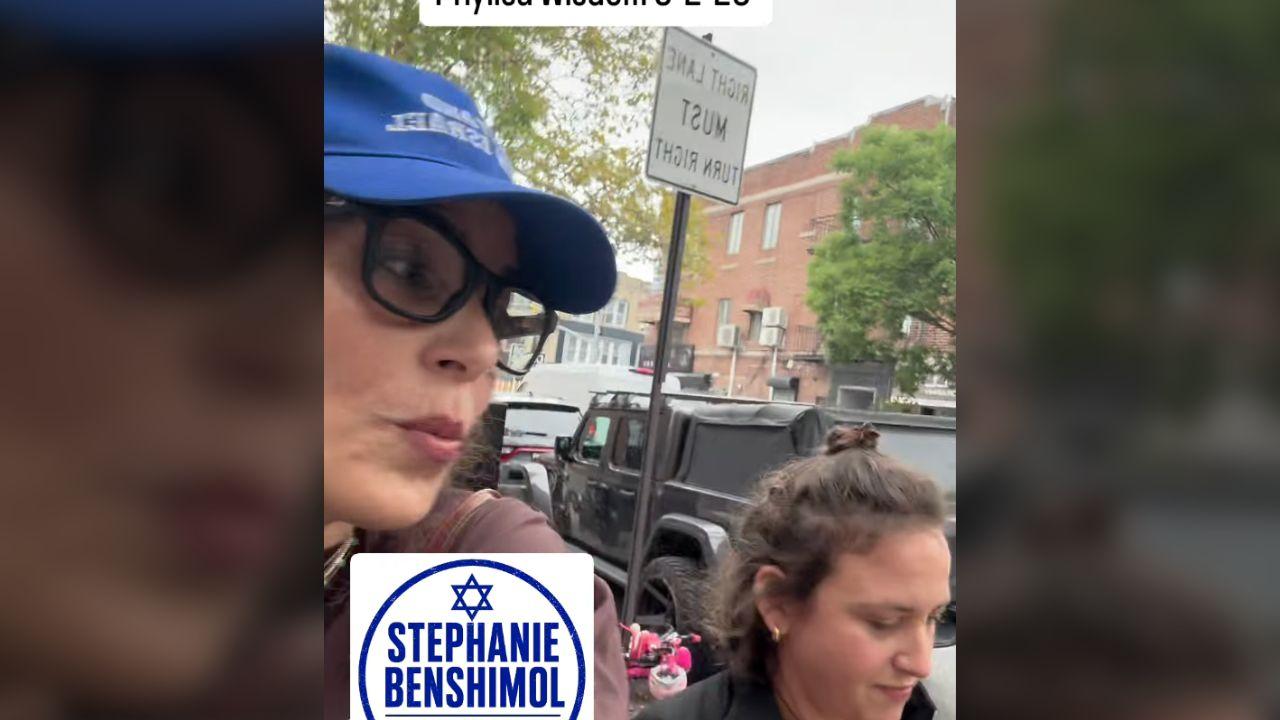
The strong emotional response from Stefanie Benshimol reflects a deep-seated vulnerability and a sense of betrayal that many in Borough Park and other Jewish communities feel when they perceive their concerns are not adequately addressed by their elected representatives. The "chutzpah" she attributed to Mamdani for visiting the neighborhood stemmed from a belief that his political stances contradict the very safety and well-being of the Jewish residents he was ostensibly there to engage. This incident, therefore, is not merely a personal outburst but a microcosm of the broader political and social tensions simmering within the city’s diverse communities.
Broader Implications and Public Discourse
The viral spread of Benshimol’s confrontation on social media platforms like Instagram amplified its impact, turning a local incident into a wider public discussion. Such events contribute to the polarization of public discourse, with supporters rallying behind Benshimol’s call for accountability and others criticizing her confrontational tactics or the use of historically sensitive terms like "kapo." The incident underscores the challenges faced by public officials in balancing diverse community interests, upholding freedom of speech, and ensuring public safety, particularly in highly charged political environments.
The incident highlights the ongoing struggle to define and address antisemitism in contemporary society, especially when it intersects with criticisms of Israeli policy. For many Jewish individuals, anti-Zionism is indistinguishable from antisemitism, as it questions their right to self-determination and often leads to the demonization of Jewish people globally. Conversely, proponents of anti-Zionist views argue that conflating their political critiques with antisemitism silences legitimate criticism of a nation-state’s actions. This fundamental disagreement fuels much of the tension observed in incidents like the one in Borough Park.
Reactions, Consequences, and Next Steps
The confrontation will likely have ripple effects within New York City’s political landscape and community relations. Mayor Mamdani’s office may face renewed pressure to clarify its stance on antisemitism and its engagement with Jewish communities. The incident could also galvanize further activism from both sides of the debate, potentially leading to more public demonstrations or increased calls for dialogue and understanding. For the Jewish community, it serves as a painful reminder of the persistent need for vigilance and advocacy against hate.
Moving forward, the incident necessitates a re-evaluation of how public officials engage with communities experiencing heightened vulnerability and fear. It underscores the critical need for clear, unambiguous condemnations of antisemitism from all leaders, coupled with concrete actions to protect Jewish residents. The challenge remains to foster an environment where political discourse can occur without devolving into hatred and where the safety and dignity of all communities are upheld, particularly in the face of rising NYC antisemitism. The incident in Borough Park during Rosh Hashanah serves as a potent symbol of these unresolved tensions, demanding continued attention and concerted effort from all stakeholders.