The entertainment world and automotive safety advocates continue to remember Jewel Brangman, the late girlfriend of actor Scott Eastwood, whose life was tragically cut short on September 7, 2014. Her death, caused by a defective Takata airbag, brought into stark focus the devastating human cost of a widespread automotive safety crisis and left a lasting impact on those who knew her, including Eastwood, who recently offered rare insights into his enduring grief.
A Life of Promise: Who Was Jewel Brangman?
Jewel Alexandra Brangman, born on November 5, 1987, was a vibrant and ambitious young woman whose life was characterized by a diverse range of passions and a close-knit family bond. Raised in a single-parent household by her father, Alexander Brangman, alongside her older brother, Jewel was described as a multifaceted individual with a bright future ahead. She excelled as a model, gymnast, and gymnastics teacher, and at the time of her passing, she was actively preparing to pursue a Ph.D., demonstrating her commitment to academic and personal growth. Her father frequently described their relationship as exceptional, emphasizing the profound connection they shared.

The Fatal Accident: A Routine Drive Turned Deadly
On September 7, 2014, Jewel Brangman embarked on a seemingly routine drive, traveling from San Diego to Los Angeles in a rented 2001 Honda Civic. The journey took a catastrophic turn when her vehicle was involved in a rear-end collision with a van. What initially appeared to be a minor fender bender quickly escalated into a fatal incident due to a critical and ultimately deadly flaw within the car’s safety system.
During the impact, the vehicle’s front airbag, manufactured by Takata, deployed with excessive and uncontrolled force. Instead of providing protection, the faulty inflator ruptured, sending metal shrapnel directly into Jewel Brangman’s carotid artery. The severe injuries she sustained proved to be fatal, leading to her death the following day at the age of 26. Eyewitness accounts and subsequent investigations highlighted the stark contrast in outcomes: passengers in the three other vehicles involved in the same accident walked away with minimal to no injuries, underscoring the specific and lethal nature of the airbag’s malfunction in Brangman’s car.
Unraveling the Takata Airbag Crisis: A Broader Safety Failure

Jewel Brangman’s tragic death was not an isolated incident but a grim illustration of a far-reaching and catastrophic automotive safety scandal involving Takata Corporation. The company, a major global supplier of automotive safety systems, had for years been manufacturing airbags with a critical design flaw. The inflators used a chemical propellant, ammonium nitrate, which was found to degrade and become unstable when exposed to moisture and fluctuating temperatures over time. This instability could cause the inflator to explode with excessive force during deployment, turning a safety device into a dangerous projectile that could spray metal fragments into the vehicle’s cabin.
The issue was exacerbated by a significant recall failure. The specific faulty Takata airbag in the Honda Civic Brangman was driving had been subject to a recall as early as 2009. However, despite these warnings, effective measures were not in place to ensure that all affected vehicles had the defective components replaced. This systemic failure in the recall process meant that millions of cars on the road, including the rental vehicle driven by Brangman, continued to pose a severe risk to occupants.
Regulatory Scrutiny and Industry Ramifications
The Takata airbag crisis rapidly became one of the largest and most complex automotive recalls in history, eventually affecting over 100 million vehicles globally across numerous car manufacturers, including Honda, Toyota, Ford, and BMW. The National Highway Traffic Safety Administration (NHTSA) launched extensive investigations into Takata and the affected automakers. These investigations uncovered evidence of Takata’s delayed reporting of defects, manipulation of test data, and a corporate culture that prioritized cost-cutting over safety.

NHTSA’s findings led to unprecedented regulatory actions, including massive fines against Takata and mandates for accelerated recall efforts. The scandal forced a reevaluation of automotive safety standards, supply chain oversight, and the effectiveness of recall notification systems. It also spurred greater public awareness about the importance of responding to recall notices and checking vehicle safety information. The crisis ultimately led to Takata filing for bankruptcy in 2017, a direct consequence of the immense financial and reputational damage caused by the defective airbags.
A Father’s Advocacy: Seeking Justice and Preventing Future Tragedies
In the wake of his daughter’s tragic death, Alexander Brangman embarked on a profound mission to seek justice and advocate for automotive safety. He filed a wrongful death lawsuit against Honda, the manufacturer of the vehicle; Takata Corporation, the airbag supplier; and the rental car company that provided the defective vehicle. The lawsuit aimed to hold responsible parties accountable for the design, manufacturing, and distribution of a product that directly led to his daughter’s demise.
Alexander Brangman channeled his immense personal grief into a powerful platform for public education and awareness. Through his website and public speaking engagements, he detailed the circumstances of Jewel’s death, emphasizing the preventable nature of the tragedy. He articulated a deep sense of duty to uplift, educate, help others, and ultimately save lives, believing this was what Jewel would have wanted. His advocacy underscored the critical need for consumers to be vigilant about recall notices and for manufacturers to prioritize safety above all else. His efforts became a significant part of the broader public discourse surrounding the Takata scandal, highlighting the individual stories behind the massive recall numbers.
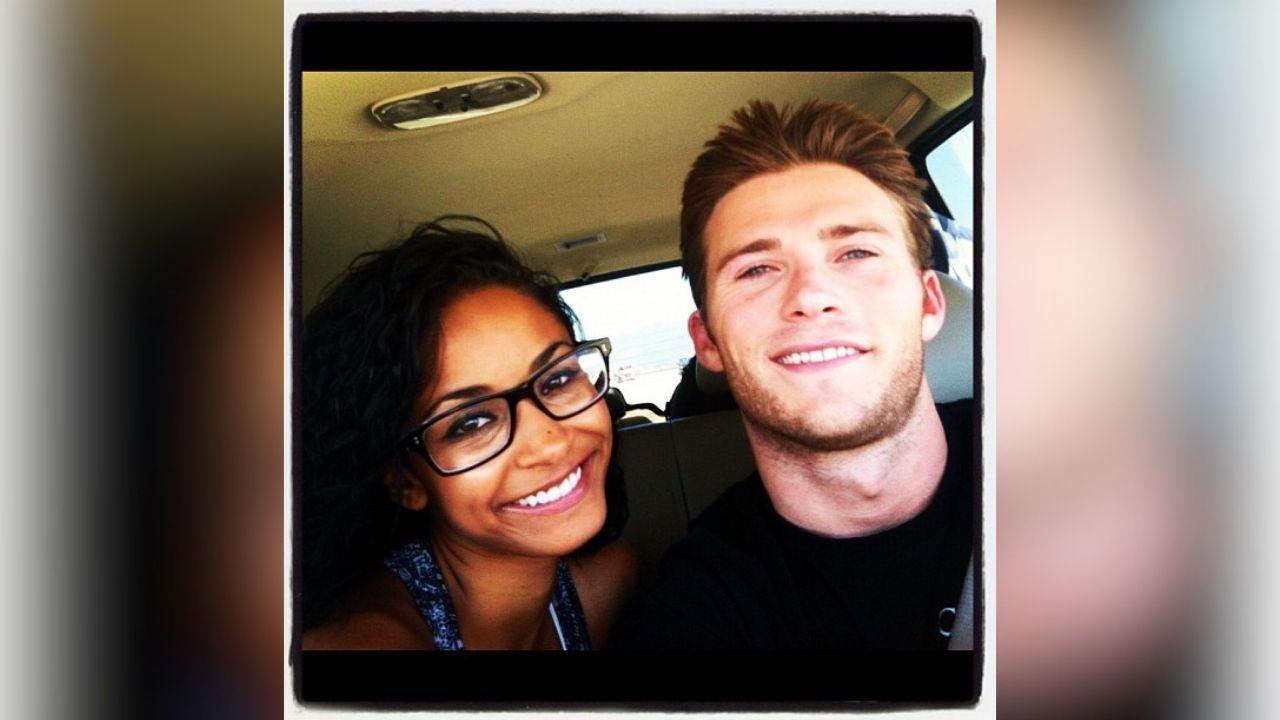
Scott Eastwood’s Enduring Grief and Public Reckoning
For Scott Eastwood, the tragic death of Jewel Brangman left an indelible mark, shaping his personal life and emotional landscape for years. Initially, Eastwood maintained a private stance on the profound loss. However, in a candid 2016 interview with GQ Australia, he first publicly revealed the details of the accident, describing how a minor "fender bender" became fatal due to the exploding airbag that "shot a projectile through her body," severing her spine. He admitted the experience made it harder for him to date, revealing the depth of his emotional trauma.
Years later, during an August 2023 appearance on the "Armchair Expert With Dax Shepard" podcast, Eastwood revisited the topic, providing further insight into his coping mechanisms and the long-term impact of his girlfriend’s death. He recounted being on a film set at the time of the tragedy, which forced him into an immediate and unhealthy response to his grief. He described emotionally shutting down, "completely blacking out" the experience, and deferring the processing of his loss. This "classic defense mechanism" allowed him to continue working, but at a significant personal cost, preventing him from fully grieving with those who shared the loss. Eastwood acknowledged that this delayed processing was "not a great thing" and that he later realized the crucial importance of grieving with others who were also part of Jewel’s life. His openness provided a poignant look into the complex and often delayed nature of grief, particularly under demanding professional circumstances.
A Legacy of Awareness and Personal Reflection
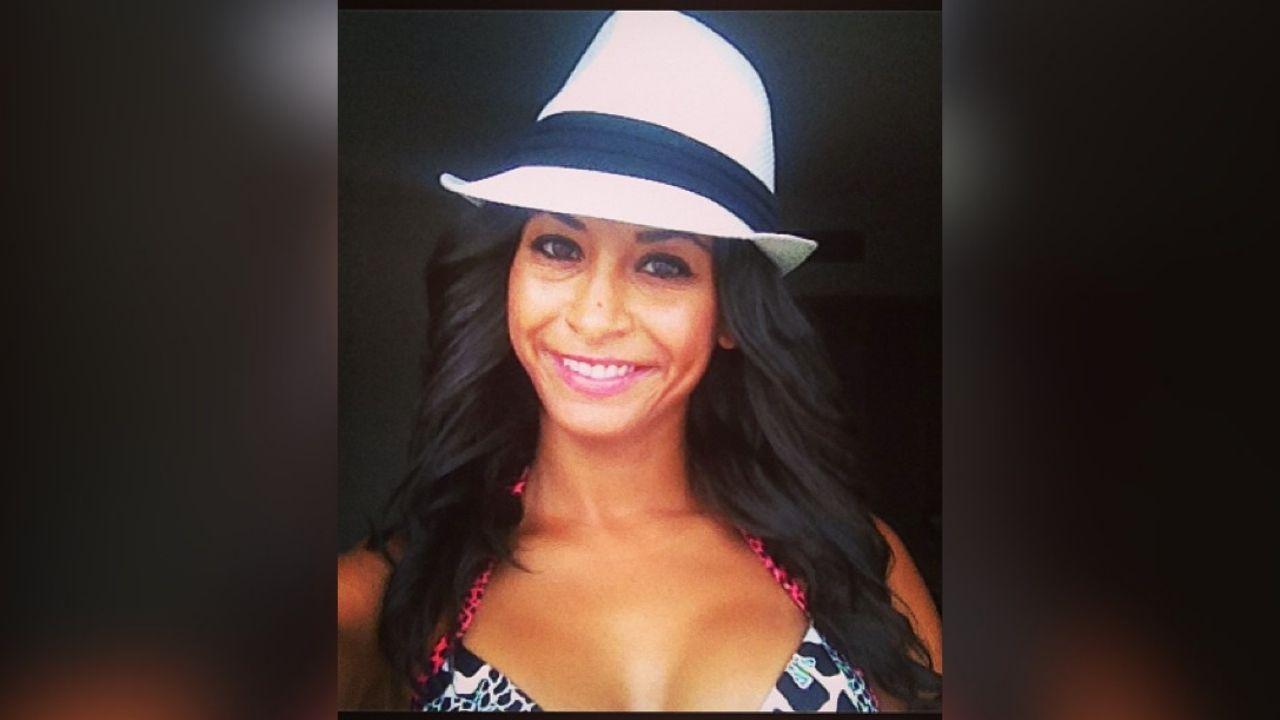
The tragic death of Jewel Brangman stands as a powerful reminder of the intersection between personal tragedy and systemic safety failures. Her story, amplified by her father’s tireless advocacy and Scott Eastwood’s painful public reflections, continues to contribute to vital conversations about product liability, corporate responsibility, and the emotional toll of sudden loss. While her passing remains a deeply personal sorrow for her family and loved ones, it has also become a part of the broader narrative that drives ongoing efforts to ensure consumer safety and to prevent similar tragedies from occurring in the future.