Vice President J.D. Vance recently confirmed he holds no reservations regarding a personal, weight-related remark he directed at conservative columnist Marc Thiessen during a contentious online exchange concerning food prices and inflation. The incident, which unfolded on the social media platform X, has ignited debate over political discourse, civility, and the use of personal attacks in public debate, with Vance defending his comment as a humorous "punch back."
The Spark: A Social Media Clash Over Inflation
The controversy began amidst a broader public discussion on the rising cost of living, a persistent concern for many Americans. Marc Thiessen, a prominent conservative commentator, engaged in a social media debate where a student voiced frustration over the exorbitant price of a burrito. Thiessen responded to the student’s complaint by suggesting they utilize their college meal plan, a remark that many perceived as dismissive of genuine economic hardship. This seemingly innocuous advice quickly drew the attention of Vice President J.D. Vance, who interjected into the thread with a pointed jab at Thiessen’s physique.
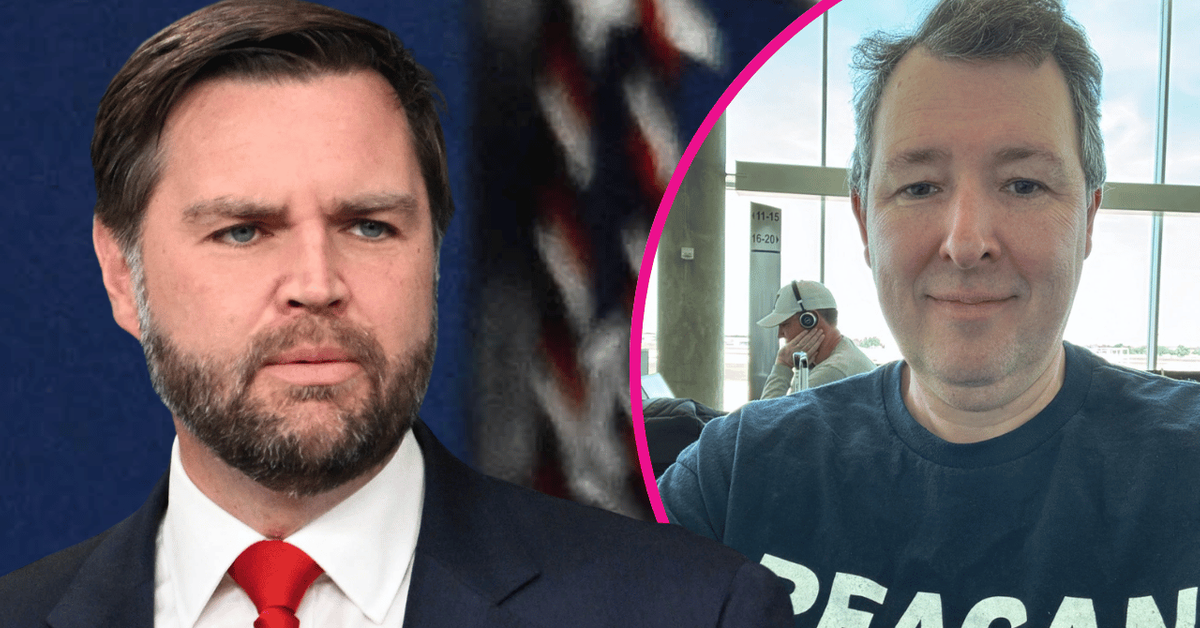
Vance’s comment read: "I’m surprised to hear Mark [sic] say this. If you’ve ever met him in person, it’s quite obvious the man has never missed a burrito." This direct and personal attack immediately shifted the focus from the economic debate to the nature of political exchanges, drawing both strong criticism and staunch defense. The Vice President’s decision to inject a weight-related slight into a discussion about financial strain underscored a growing trend of highly personalized political rhetoric in the digital age.
J.D. Vance’s Unapologetic Defense of His Remark
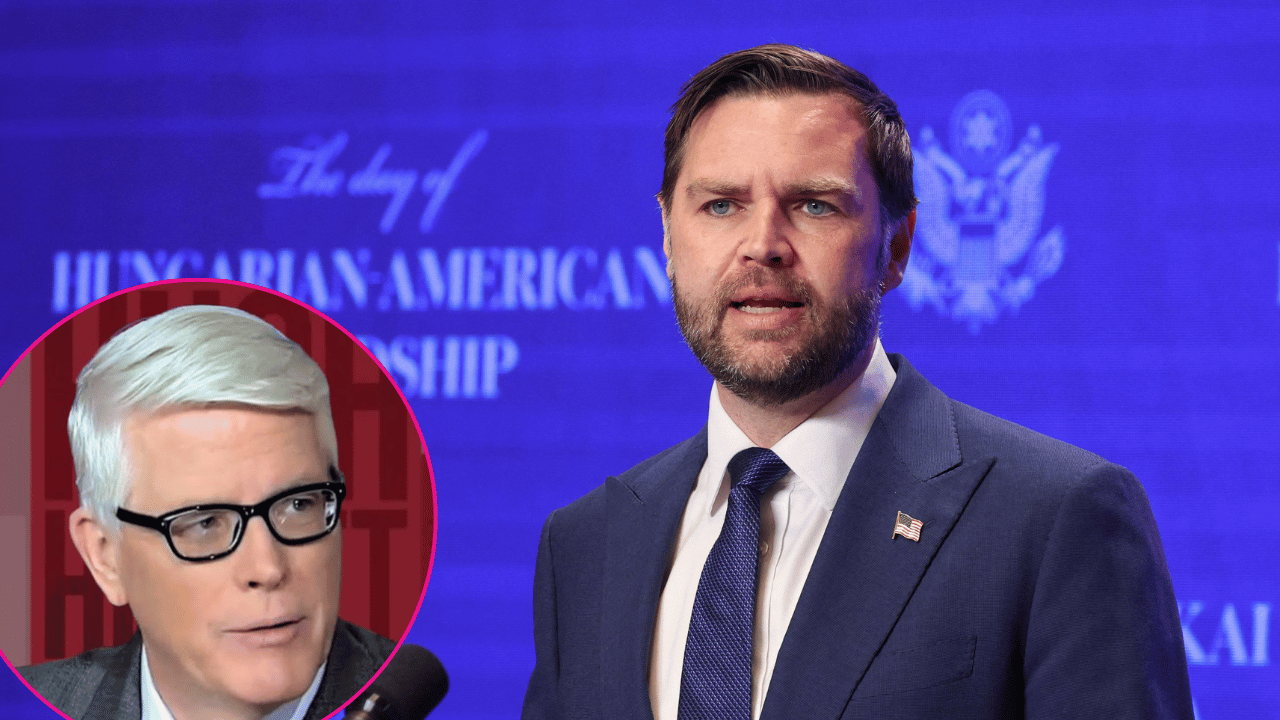
Days after the social media exchange, J.D. Vance addressed the fallout during an appearance on Hugh Hewitt’s widely syndicated radio show. Hewitt directly questioned Vance about whether he regretted taking a public shot at a fellow conservative and, notably, a fellow parishioner, implying a breach of a shared professional and perhaps spiritual decorum. Vance, however, remained steadfast in his defense, displaying no remorse for his contentious remark.
"You know, maybe in two years you’ll look back and say, ‘I wish I hadn’t said that,’ but right now I feel pretty good about that," Vance stated, underscoring his immediate comfort with the comment. He characterized the remark as "a joke" and asserted that "there are ways in which you’re allowed to punch back, and you’re allowed to be a little bit humorous." While acknowledging that it might not have been "as charitable as I should have been," Vance then pivoted to a curious defense, noting, "one thing is — look, I think he’s a good Catholic." This attempt to simultaneously critique and commend his target added another layer of complexity to his defense, suggesting an internal conflict between political aggression and personal respect, or perhaps a strategic attempt to soften the blow without retracting his words.

The 41-year-old Vice President and widely recognized presidential hopeful further elaborated on his philosophy regarding public engagement. "I certainly wish him the best. I think he’s been a little unfair to me over the last couple of weeks, and so I decided to hit back with a little spice," Vance explained. He invoked religious teachings, stating, "if you read the Gospel, you know, Jesus has remarkable humility. He also has a remarkable way with words. And so I’m always going to fall short of that example, but I don’t think that there’s anything wrong with being a little spicy from time to time." This blend of political justification and religious allusion highlights Vance’s attempt to frame his aggressive rhetoric within a broader, albeit controversial, ethical framework.
The White House’s Stance and Political Calculations
Adding significant weight to the incident, the White House, under President Donald Trump’s administration, publicly endorsed J.D. Vance’s comment, labeling it a "banger." This official stamp of approval from the highest office in the land signaled a clear strategic alignment with Vance’s approach to political combat. The official Trump campaign account on X actively amplified the weight-related jab, further cementing its support for the Vice President’s provocative style.
This amplification was not limited to official channels. Key White House allies, such as former Trump campaign aide Alex Bruesewitz, also rallied to Vance’s defense. Bruesewitz argued that Thiessen "had it coming" for his perceived insensitivity towards the economic concerns of young Americans. He lauded Vance for "speaking the truth," framing the personal attack as a courageous and honest response to a public figure deemed out of touch. This unified front from the administration and its allies suggests a deliberate political strategy: to embrace and even celebrate aggressive, no-holds-barred rhetoric, particularly when it resonates with a populist sentiment of "punching back" against perceived elites or out-of-touch commentators. The White House’s endorsement of such a personal attack indicates a continued shift in acceptable political discourse, prioritizing perceived authenticity and directness over traditional norms of civility.
Critics Decry "Schoolyard Bullying" in Politics
Despite the official backing, J.D. Vance’s remark and his subsequent defense drew considerable criticism from various quarters, who viewed the incident as a concerning display of political immaturity and cruelty. Many critics argued that when a high-ranking political figure like the Vice President dismisses mean remarks or offensive commentary as "just a joke," it serves as a transparent and insufficient shield for what amounts to schoolyard bullying. This approach, they contended, normalizes personal attacks and detracts from substantive policy discussions.
Sociology and criminology professor Marcus Bell was particularly vocal in his condemnation. Bell stated, "The ‘kids will be kids’ moniker once described the harmless mistakes of youth. In the hands of Vance and other Republicans, however, it has become an excuse for bigotry, cruelty and impunity. The same people who demand mercy for themselves insist on mercilessness for everyone else. They describe their own abuses as jokes and their adult choices as childhood antics." This critique highlights a perceived double standard, where personal attacks are justified as humor or "spice" by those who might otherwise decry similar treatment if directed at them. Bell’s analysis points to a broader cultural and political phenomenon where the line between acceptable banter and outright bullying has become increasingly blurred, particularly in the highly charged environment of social media. The implication is that such behavior, far from being harmless, erodes public trust and degrades the quality of political debate.
J.D. Vance’s Personal Weight Loss Journey
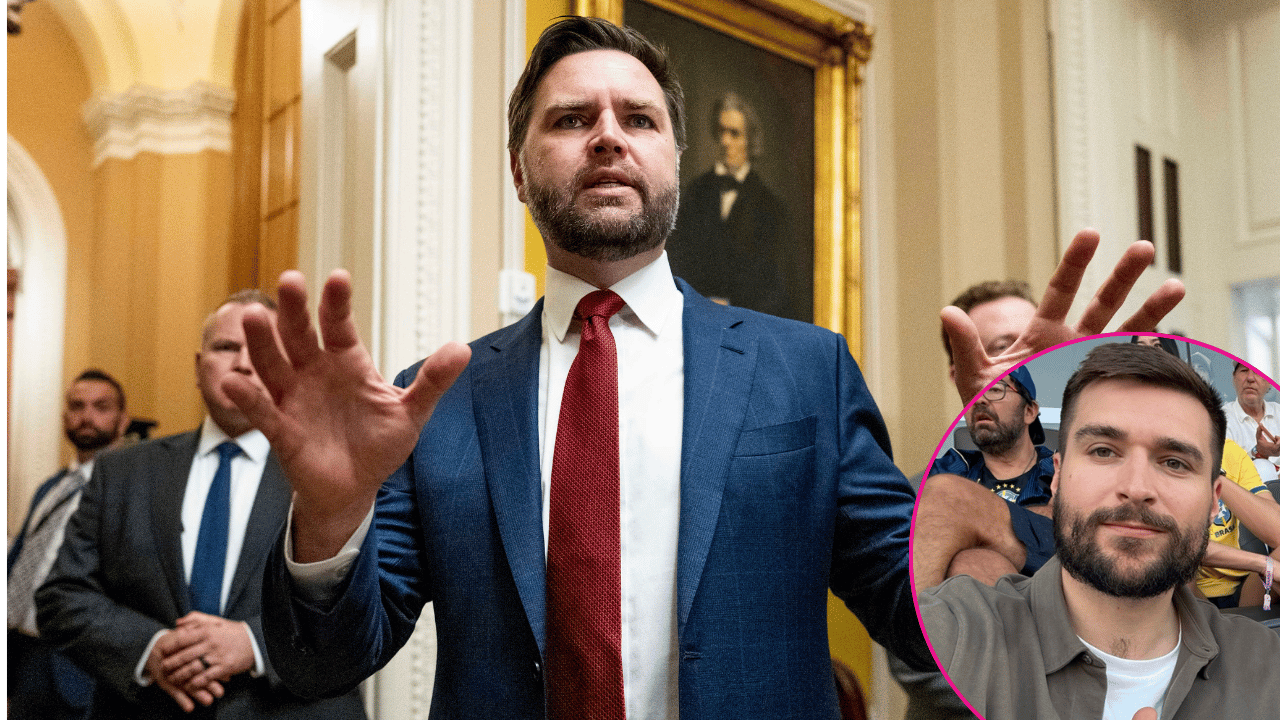
The irony of J.D. Vance’s weight-related jab at Marc Thiessen is heightened by his own well-documented struggles with weight and his recent physical transformation. Vance himself is no stranger to the challenges of being overweight. He has publicly shared details of his personal journey, revealing that he successfully lost over 30 pounds through a rigorous regimen of dietary changes, including skipping breakfast, consistent exercise five nights a week, and adhering to a specialized, sauerkraut-heavy meal plan.
This significant physical transformation has not gone unnoticed. It notably captured the attention of President Donald Trump, who publicly praised Vance’s improved appearance, famously labeling him a "perfect-looking specimen." This endorsement from the President underscored the cultural and political premium placed on physical appearance, even as Vance himself used weight as a point of attack. Despite widespread public speculation and internet rumors suggesting he might have used popular weight-loss medications like Ozempic, Vance has consistently and emphatically denied taking any such pharmaceutical assistance, attributing his weight loss solely to diet and exercise. His personal experience with weight management adds a complex layer to his decision to employ a weight-related insult, prompting questions about empathy, hypocrisy, and the tactical deployment of personal vulnerabilities in political discourse.
Broader Implications for Political Discourse
The incident involving Vice President J.D. Vance and Marc Thiessen transcends a mere online spat; it offers a potent case study in the evolving landscape of American political discourse. The willingness of a high-ranking official to engage in personal, appearance-based attacks, and the subsequent endorsement of such behavior by the White House, signals a continued erosion of traditional norms of civility. This trend suggests that authenticity, or a perceived lack of political correctness, may now be valued more highly by certain political factions than respectful debate or adherence to conventional decorum.
The "joke" defense, often employed in these situations, further complicates matters, allowing politicians to test boundaries while maintaining plausible deniability. This approach can be seen as a deliberate strategy to energize a base that appreciates aggressive, anti-establishment rhetoric, even if it alienates more moderate voters. As the nation approaches future election cycles, the incident raises important questions about the kind of leadership the public expects and the long-term impact of such "spicy" political exchanges on national unity and the health of democratic institutions.
Looking Ahead: The Campaign Trail and Public Perception
As J.D. Vance continues his tenure as Vice President and solidifies his position as a potential future presidential candidate, his unapologetic stance on the Thiessen incident will likely remain a defining characteristic of his public persona. This episode reinforces a brand of politics that values directness and confrontation, regardless of the personal nature of the attacks. For his supporters, Vance’s actions will be viewed as a refreshing display of candor and a willingness to fight back against what they perceive as out-of-touch critics. For his detractors, it will further solidify concerns about a lack of presidential temperament and an embrace of divisive, often cruel, rhetoric.
The White House’s amplification of the remark also indicates a strategic calculation that such tactics resonate with a significant portion of the electorate, suggesting that this confrontational style is here to stay, at least within certain political circles. The debate over a burrito price, transformed into a personal attack, ultimately reflects a deeper cultural struggle over how public figures should engage, what constitutes acceptable political combat, and the ever-present tension between genuine policy debate and the spectacle of personality-driven politics. The consequences of this evolving dynamic will undoubtedly continue to shape the political landscape, influencing campaigns, public trust, and the very nature of leadership in the years to come.