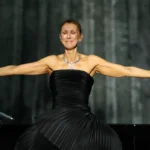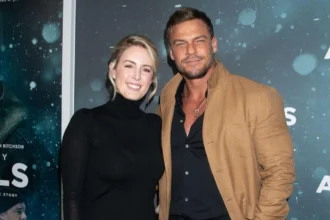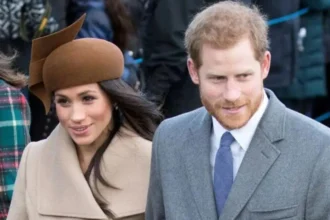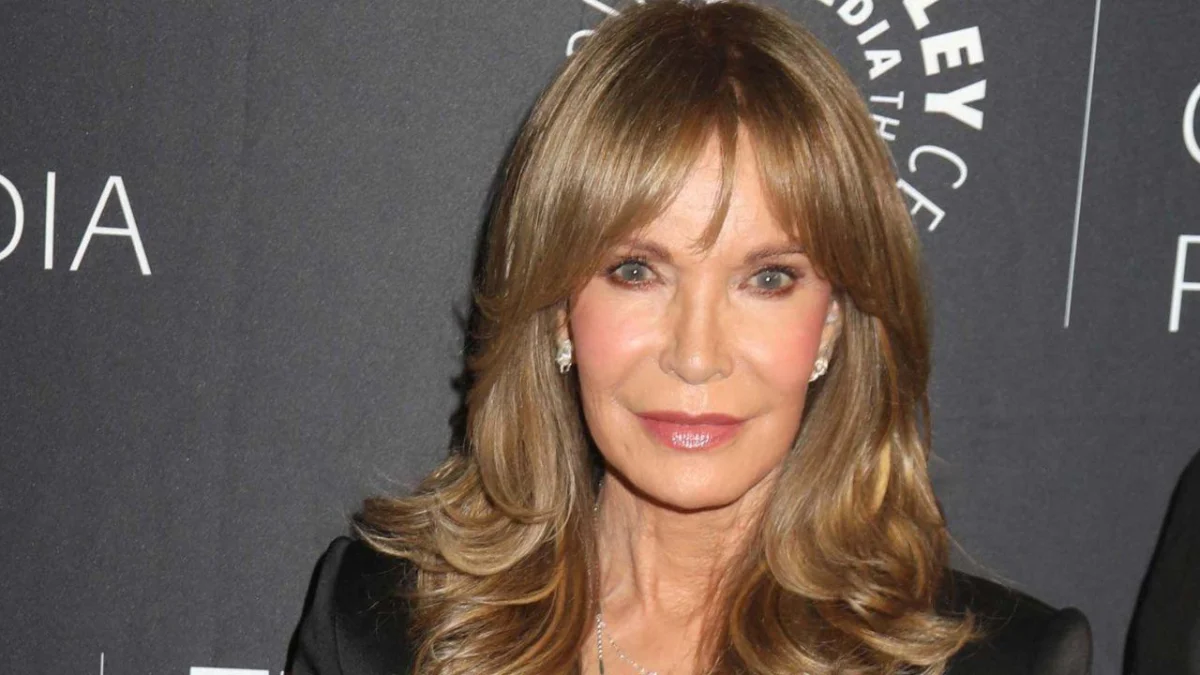
Jaclyn Smith disclosed that she and her fellow Charlie’s Angels co-stars, including Farrah Fawcett and Kate Jackson, famously rejected an unprecedented $1 million per person offer from Hustler magazine to pose nude during the height of their television series’ fame. The revelation comes from Smith’s recently published memoir, I Once Knew a Guy Named Charlie, shedding new light on the immense pressures and opportunities faced by the iconic trio as they navigated sudden, global stardom in the late 1970s. This decision underscored the actresses’ control over their public image despite the lucrative sum presented by the controversial publication.
The Phenomenon of ‘Charlie’s Angels’
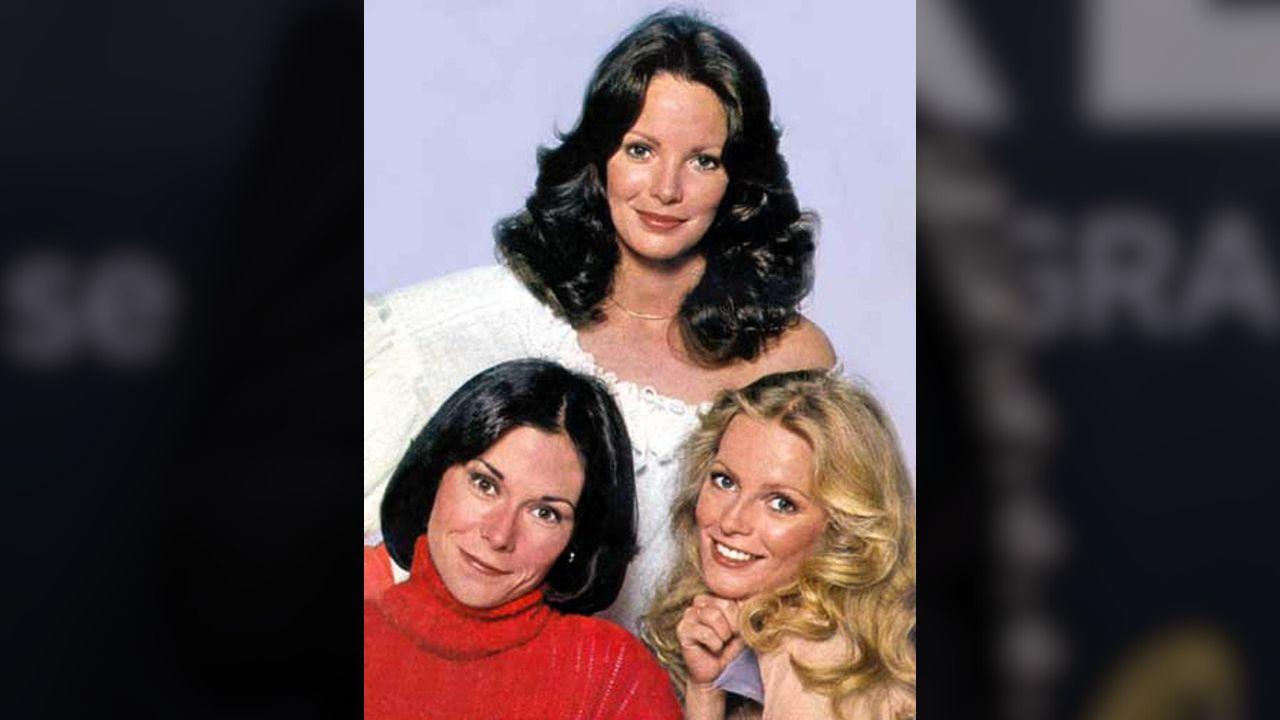
Charlie’s Angels premiered on ABC in 1976, immediately captivating audiences with its blend of action, glamour, and a groundbreaking premise centered on three female private detectives. The show quickly became a cultural touchstone, transforming its lead actresses—Jaclyn Smith as Kelly Garrett, Farrah Fawcett as Jill Munroe, and Kate Jackson as Sabrina Duncan—into overnight sensations. Their images adorned countless merchandise, and their hairstyles became widely imitated, solidifying their status as pop culture icons.
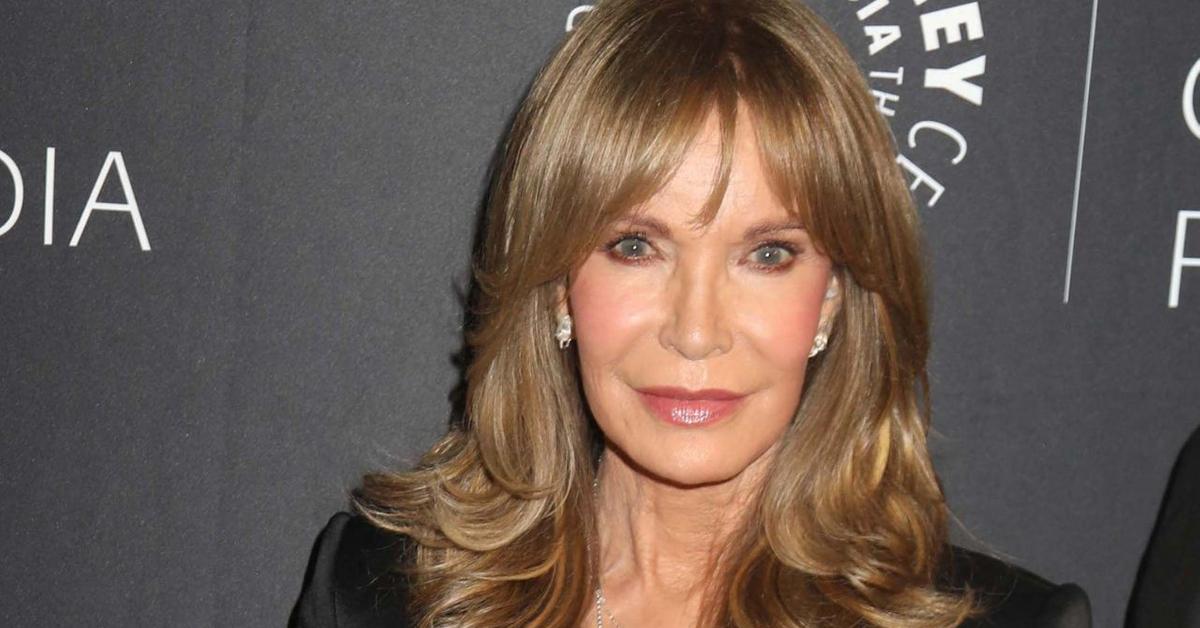
Smith recounts in her memoir that the public response to the show was akin to a "tidal wave." The trio found themselves on "the cover of every magazine, every tabloid" almost instantly. This sudden surge in visibility brought both exhilaration and a profound sense of disorientation, as Smith noted, "You begin to understand how quickly the world can take possession of you." The series’ success was unprecedented for its time, especially in showcasing strong, independent female protagonists.
A Million-Dollar Refusal: The Hustler Offer
Amidst this whirlwind of fame, the actresses were presented with numerous endorsement opportunities, many of which offered substantial financial rewards. However, one particular offer stood out for its magnitude and its controversial source: a $1 million proposal from Hustler magazine for each of the Charlie’s Angels to pose nude. This sum was staggering for the era, representing a fortune for a single photoshoot.
Hustler, founded by Larry Flynt, was known for its explicit content and often pushed the boundaries of obscenity laws, making it a highly controversial publication. The decision by Smith and her co-stars to decline this lucrative proposition highlighted their commitment to maintaining a certain public image and brand integrity, one that diverged sharply from the magazine’s ethos. Their refusal sent a clear message about the boundaries they set for their newfound celebrity, prioritizing their professional identities over immense financial gain from a contentious source.
Navigating Stardom: Fame, Fortune, and Disparity
The meteoric rise of Charlie’s Angels brought an array of experiences for its stars, ranging from the exhilarating to the profoundly disorienting. Smith detailed how the overwhelming attention meant a complete loss of anonymity. Simple tasks became public events, and the world seemed to claim a piece of their private lives. This constant scrutiny was a stark contrast to their lives before the show’s debut.
Despite the challenges, stardom also presented undeniable perks. Smith recalled instances where her celebrity status granted her and her family access and privileges that were previously unimaginable. These included bypassing queues at popular attractions like Disneyland, receiving complimentary luxury experiences such as yacht trips, and effortlessly securing prime tables at exclusive restaurants. These anecdotes illustrate the tangible benefits that accompanied their immense popularity, offering a glimpse into the extraordinary lifestyle of a television superstar in the late 1970s.
Jaclyn Smith’s Fight for Equal Pay

Beneath the glittering surface of fame, the early days of Charlie’s Angels also exposed significant disparities in compensation among its lead actresses. Jaclyn Smith initially earned a modest $3,000 per episode, a figure considerably lower than her co-stars. Farrah Fawcett, who quickly became the breakout star, commanded $5,000 per episode, while veteran actress Kate Jackson received the highest initial salary at $10,000 per episode. This pay gap reflected broader issues of gender and perceived value within the entertainment industry at the time.
Recognizing her increasing value to the wildly successful series, Smith took proactive steps to address this imbalance. Through strategic renegotiations, her salary saw a significant increase, first to $5,000, then gradually to $70,000 per episode. By the show’s fifth and final season, Smith had successfully negotiated her earnings to an impressive $100,000 per episode. This landmark achievement positioned her as one of the highest-paid women in television, a testament to her perseverance and growing leverage in an industry often characterized by unequal compensation.
The Enduring Legacy and Recent Reunion
The initial lineup of Charlie’s Angels saw changes over its five-season run, most notably with Cheryl Ladd joining the cast after Farrah Fawcett’s departure. Despite the shifts, the series continued to hold a prominent place in popular culture, influencing fashion, media, and perceptions of female roles. The show’s impact transcended mere entertainment, establishing a precedent for women taking on action-oriented, empowered roles on screen.
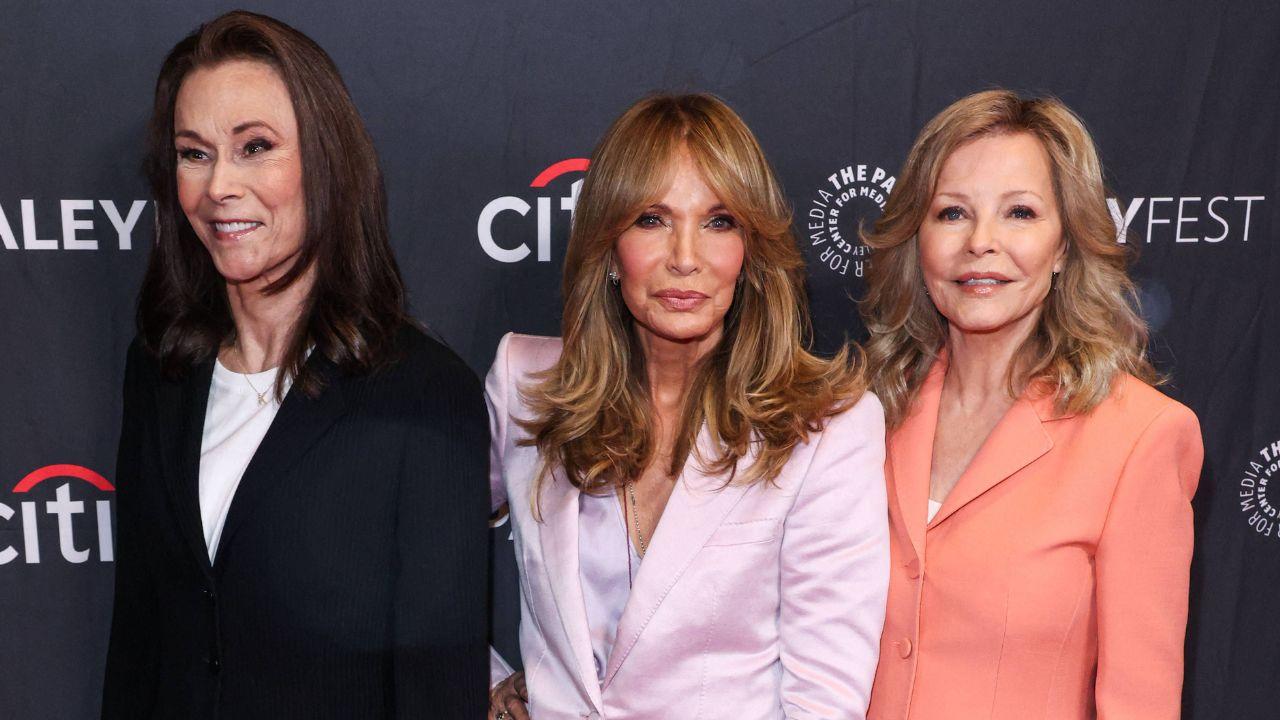
The legacy of Charlie’s Angels was recently celebrated in April with a landmark 50th-anniversary reunion at PaleyFest in Los Angeles’ Dolby Theatre. Jaclyn Smith reconnected with her former co-stars Kate Jackson and Cheryl Ladd, a poignant gathering that underscored the enduring bond among the "Angels." Tragically, Farrah Fawcett, who became an international icon during her tenure on the show, passed away in June 2009 at the age of 62 after a battle with cancer, leaving an indelible mark on the series’ history.
During the PaleyFest event, Smith reflected on the profound significance of Charlie’s Angels, stating that it portrayed "three women chasing danger instead of being rescued from it." She emphasized the show’s pioneering message of independence, noting that the characters were "not defined by the man in their life." This portrayal, Smith asserted, effectively "gave women permission to step out of the mold," a powerful statement that continues to resonate with audiences and critics evaluating the series’ cultural impact.
Broader Implications: Celebrity, Media, and Control
The Hustler offer to the Charlie’s Angels cast serves as a significant historical marker, illustrating the complex dynamics between celebrity, media, and personal agency in the 1970s. At a time when tabloid culture was burgeoning, publications like Hustler sought to capitalize on the public’s fascination with burgeoning stars, often pushing ethical boundaries to do so. The sheer scale of the $1 million per person offer underscored the perceived market value of the Charlie’s Angels‘ image, both clothed and unclothed.
The actresses’ collective decision to decline this offer was more than just a financial choice; it was a powerful assertion of control over their professional and personal narratives. In an era before pervasive social media, celebrities had fewer direct channels to manage their public image, making media decisions critically important. Their refusal highlighted a conscious effort to define their brand on their own terms, focusing on their roles as empowering figures rather than succumbing to exploitative propositions. This incident provides a fascinating glimpse into the nascent stages of modern celebrity management and the ongoing struggle for autonomy in the public eye.
Jaclyn Smith’s memoir offers a valuable retrospective on a pivotal moment in television history and celebrity culture. Her account not only details the personal journey through unprecedented fame but also provides crucial insights into the business decisions, the challenges of media scrutiny, and the fight for equitable treatment in Hollywood. The story of the Charlie’s Angels declining the Hustler offer remains a testament to their collective determination to shape their own legacies, ultimately contributing to a more nuanced understanding of their enduring impact.