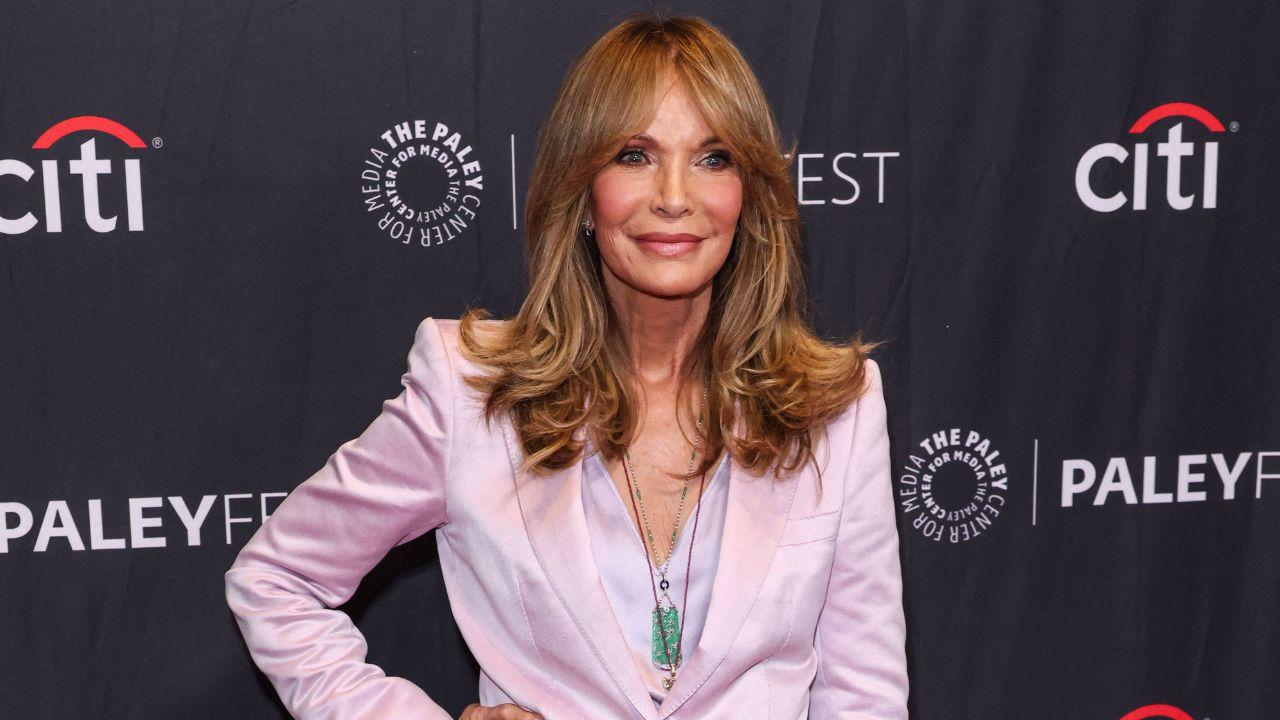
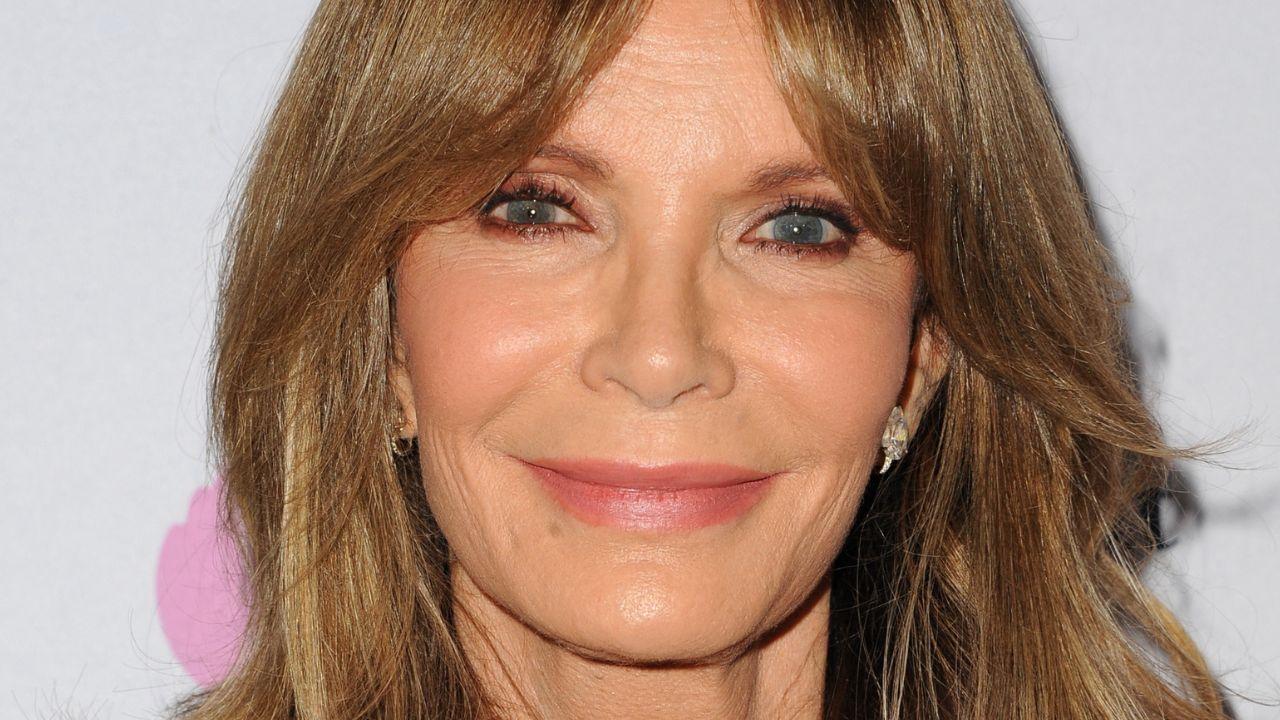
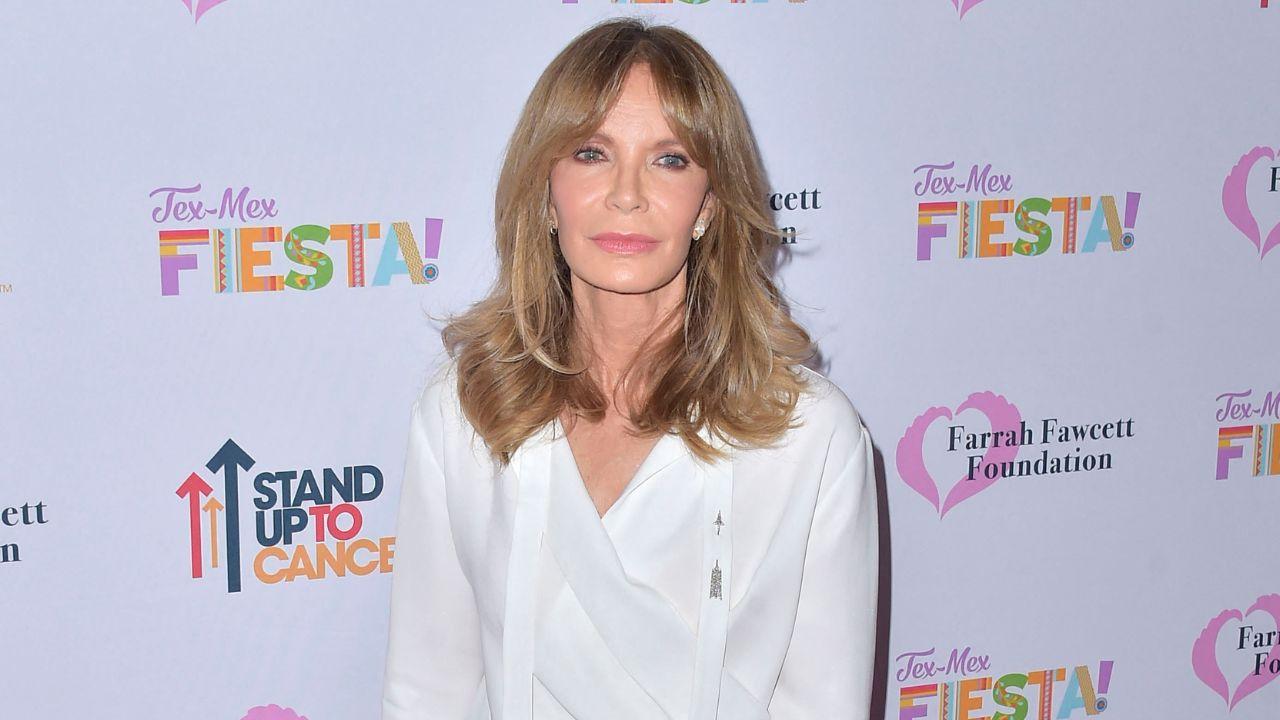
Jaclyn Smith, the enduring star of the iconic 1970s series Charlie’s Angels, has unveiled startling revelations from her upcoming memoir, detailing a period when cocaine had a ‘constant presence’ on set during the show’s fifth and final season. The 80-year-old actress, celebrated for her role as Kelly Garrett, disclosed that the pervasive drug use prompted her to increasingly seek refuge in her motor home, offering a candid glimpse into the often-turbulent reality behind one of television’s most glamorous productions.
Smith’s forthcoming memoir, I Once Knew a Guy Named Charlie, set for release on Tuesday, September 8, delves into her five seasons on the hit ABC show. Her accounts challenge the polished public image of Charlie’s Angels, exposing a darker undercurrent that belied the show’s glossy facade. These revelations arrive as the series approaches the 50th anniversary of its September 1976 premiere, prompting a re-evaluation of its legacy and the era it defined.
The Escalation of Cocaine’s Presence

According to Smith, the atmosphere on the Charlie’s Angels set underwent a noticeable shift as the series progressed, particularly by its fifth and final installment. What might have been isolated instances of drug use in earlier seasons reportedly escalated into a widespread issue, with cocaine becoming an inescapable element of the production environment. This pervasive atmosphere stood in stark contrast to the show’s family-friendly image, which depicted three empowered, stylish female detectives solving crimes for the mysterious Charlie.
Smith’s firsthand observations paint a picture of a set grappling with the encroaching drug culture prevalent in Hollywood during the late 1970s and early 1980s. Her memoir recounts a growing sense of unease that led her to distance herself from the main set activities. "The more drug use I saw, the more time I spent in my motor home," she wrote, adding, "I was in there a lot by the end of the series." While Smith refrained from identifying specific individuals, her account suggests a broad presence of drug activity among cast or crew members, affecting the daily operations and overall morale of the production.
A Personal Stand Against Drug Use
Amidst the escalating drug use on set, Jaclyn Smith maintained a firm personal boundary. The actress emphasized that she "never" used cocaine and expressed no intention of ever doing so. Her decision, she explained, stemmed from witnessing the destructive impact of the drug on those around her. "I’ve watched that drug, in particular, turn people into the worst version of themselves," Smith penned in her memoir, underscoring her aversion to its effects.

This personal stance highlights a contrast between Smith’s professional commitment to her role and her private disapproval of the surrounding environment. Her retreat to her motor home serves as a poignant symbol of her desire to maintain integrity and focus amidst the distractions and challenges that emerged during the show’s twilight. Her steadfast refusal to partake in the drug culture, despite its widespread nature on set, speaks to a strong sense of personal discipline and an acute awareness of the drug’s detrimental consequences.
Hollywood’s Shifting Landscape: Cocaine and the 70s
Smith’s revelations resonate with broader historical accounts of Hollywood during the late 1970s and early 1980s, an era often characterized by increased indulgence and a less regulated approach to substance use within the entertainment industry. The 1970s saw a cultural shift where cocaine transitioned from a niche drug to a more commonly used substance in certain social circles, including the high-pressure environment of film and television production. Long work hours, intense scrutiny, and the pursuit of creative highs sometimes fostered environments where drug use became more normalized.
During this period, many productions operated with fewer oversight mechanisms regarding substance abuse compared to contemporary industry standards. Stories of excess and on-set challenges were not uncommon, though direct accounts from major stars of hit shows like Charlie’s Angels remain impactful. Smith’s memoir provides a rare, direct perspective from a prominent figure who was not only present but also actively observed and consciously opted out of this aspect of the industry’s culture. Her account contributes to a more nuanced understanding of the behind-the-scenes realities that sometimes contrasted sharply with the glamorous images projected onscreen.
Unveiling Other On-Set Dynamics: The Tanya Roberts Account
Beyond the issue of drug use, Smith’s memoir offers other surprising glimpses into the complex personal dynamics among the Charlie’s Angels cast. She recounted an unexpected encounter with her late costar, Tanya Roberts, who joined the series as Julie Rogers for its final season. Roberts, known for her open and uninhibited personality, reportedly had an open marriage with her husband, Barry Roberts, and was candid about their unconventional arrangement.
Smith detailed an incident during a flight to Hawaii for filming, where Roberts allegedly propositioned her, inviting Smith to join the couple for a threesome. Smith declined the invitation, yet her memoir expresses admiration for Roberts’ frankness and comfort with her own sexuality. Smith described Roberts’ willingness to be open about such personal matters as "brave and self-aware," highlighting a different facet of the unconventional lives led by Hollywood stars during that era. This anecdote, while distinct from the drug revelations, further illustrates the often-unpredictable and sometimes boundary-pushing environment that characterized the production.
The Turbulent Cast Changes of Charlie’s Angels
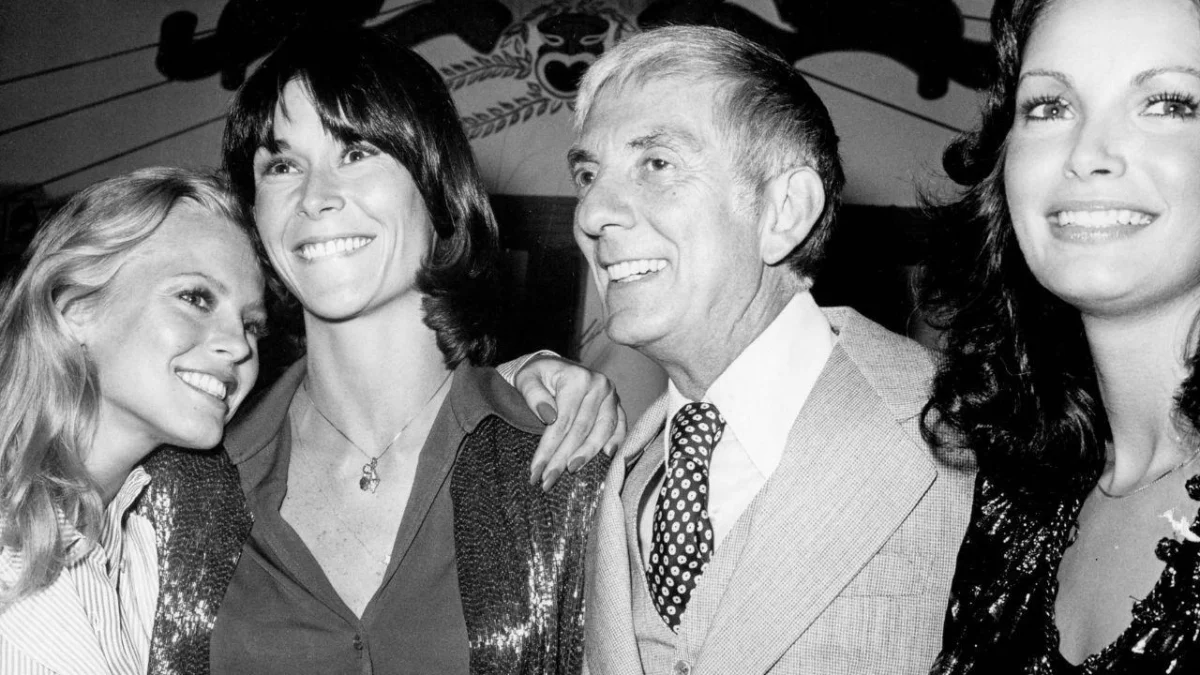
Charlie’s Angels was as famous for its rotating cast as it was for its iconic premise. Jaclyn Smith holds the unique distinction of being the only original Angel to remain a series regular throughout all five seasons, a testament to her enduring popularity and commitment. The show premiered in 1976 with Smith starring alongside Farrah Fawcett as Jill Munroe and Kate Jackson as Sabrina Duncan. However, this initial trio quickly fractured.
Fawcett, whose feathered hairstyle became a cultural phenomenon, departed after the first season amidst contractual disputes and a burgeoning film career, leading to her replacement by Cheryl Ladd as Kris Munroe. Two seasons later, Kate Jackson also exited after Season 3, citing creative differences and a desire for more challenging roles. Shelley Hack stepped in as Tiffany Welles for Season 4, only to be replaced by Tanya Roberts in the fifth season as Julie Rogers. These frequent cast changes inevitably impacted the on-set dynamic. Smith acknowledged the challenges, telling People magazine, "Kate had a hard time with Farrah gone. No one could replace her." The constant flux of new actresses joining an established framework often created an unstable environment, requiring the remaining stars to continuously adapt to new personalities and working styles.
Preserving the Sisterhood Amidst Rumors
Despite the internal challenges, including cast changes and the on-set drug culture, Smith vehemently pushed back against persistent rumors of tension and competition among the original Angels—herself, Farrah Fawcett, and Kate Jackson. For decades, media narratives often depicted the actresses as rivals, battling for screen time or public attention. Smith’s memoir, however, offers a different perspective, emphasizing a genuine bond and mutual support system.
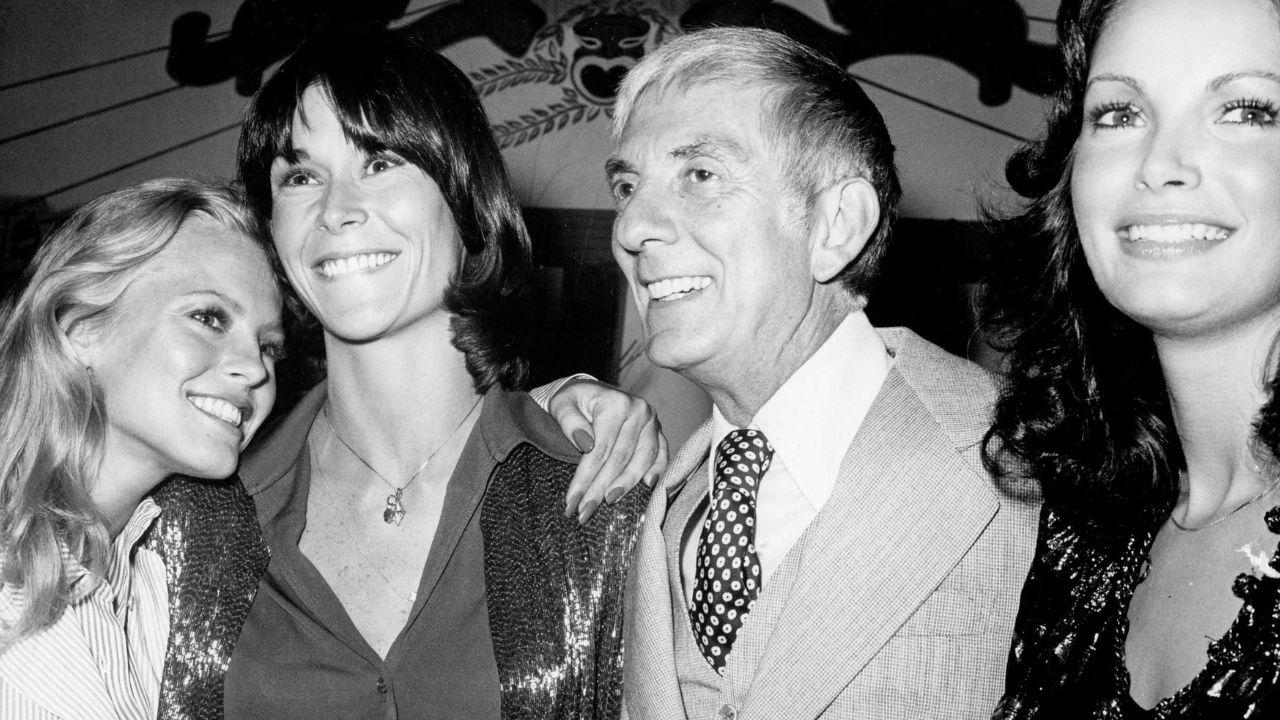
She described how the three women leaned on each other as they navigated the unprecedented pressures of overnight fame, intense media scrutiny, and even frightening encounters with stalkers. In an industry notorious for fostering rivalries, Smith insists that their "sisterhood was strong." This assertion aims to reframe a long-standing narrative, highlighting the deep camaraderie that developed between them. "After the applause, the friendship is still there," Smith stated, underscoring the lasting connections forged during their formative years on the show. This portrayal emphasizes the human element of their relationships, suggesting that their shared experiences transcended the competitive aspects often attributed to female ensembles in Hollywood.
Reframing an Iconic Legacy
Jaclyn Smith’s candid revelations, particularly concerning the cocaine’s presence on the Charlie’s Angels set, are poised to significantly reframe the public perception of the beloved 1970s television series. For many, Charlie’s Angels remains a symbol of glamour, female empowerment, and escapist entertainment. Smith’s memoir introduces a layer of gritty reality to this nostalgic image, reminding audiences that even the most seemingly idyllic productions can harbor complex and challenging behind-the-scenes environments.
These accounts contribute to a broader conversation about working conditions in Hollywood, past and present, and the pressures faced by performers. By sharing her experiences, Smith not only offers a personal historical record but also invites a re-evaluation of how classic media is understood. The stark contrast between the on-screen fantasy and the off-screen reality serves as a powerful reminder of the human experiences that underpin even the most polished entertainment products. Her willingness to speak openly about these sensitive topics decades later adds weight to her narrative, providing valuable context to an iconic moment in television history.
Anticipating the 50th Anniversary
The timing of Smith’s memoir, released just weeks before the 50th anniversary of Charlie’s Angels‘ premiere, imbues her revelations with added significance. As fans and critics prepare to celebrate the show’s enduring cultural impact, Smith’s accounts offer a nuanced and at times sobering counterpoint to the celebratory mood. Her memoir ensures that discussions surrounding the anniversary will extend beyond mere nostalgia, prompting deeper reflection on the show’s production history and the societal context in which it thrived.
The book is likely to generate considerable media attention, reigniting interest in the lives and careers of the Angels and sparking renewed discussions about Hollywood’s past. For Smith, who was the only Angel to remain for the entire run, her perspective is uniquely authoritative. Her decision to share these details now underscores a desire to present a complete and honest picture of her experiences, adding a crucial layer of depth to the legend of Charlie’s Angels as it approaches its half-century milestone.