Television personality and author Jenna Bush Hager recently embraced the descriptor "intense" during an on-air discussion with co-host Sheinelle Jones, while simultaneously challenging the often-negative societal connotations associated with the term, particularly when applied to women. Hager, known for her vibrant presence on NBC’s "Today with Hoda & Jenna," acknowledged her driven nature, emphasizing her satisfaction in "getting things done" despite the exhaustion it sometimes brings. The candid exchange highlighted broader conversations surrounding gendered language and the perception of ambition in professional women.
The On-Air Revelation and Co-Host’s Perspective
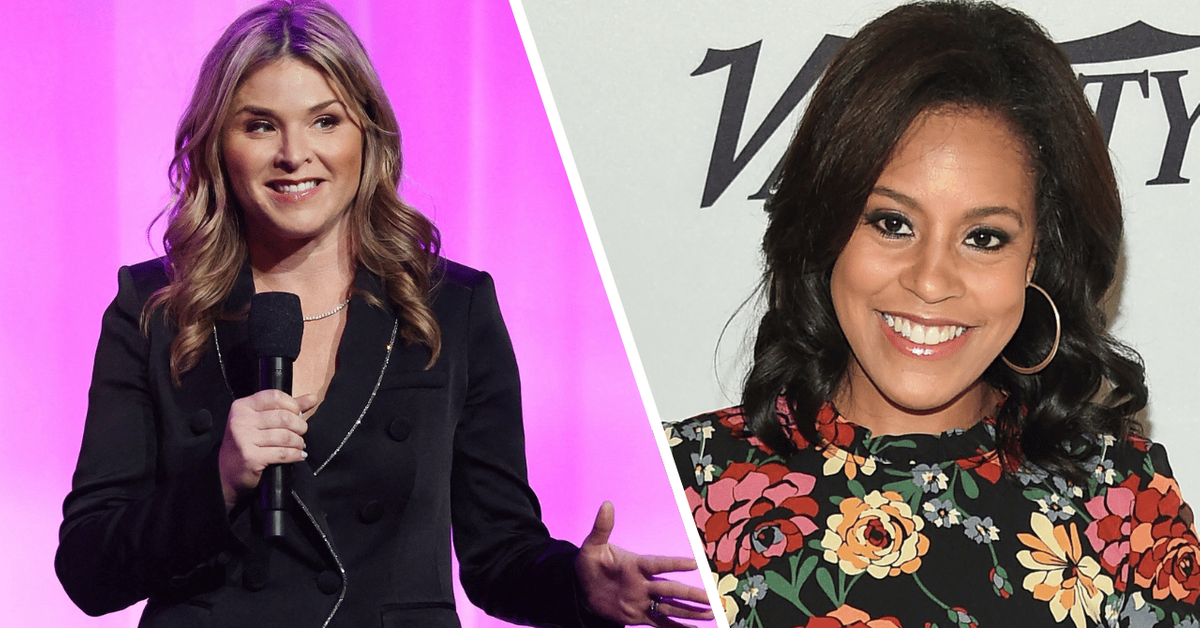
The revealing moment occurred during a segment on the popular morning show, where Jones directly posed the question to Hager, "Do you think you’re intense?" The query, met with laughter from the studio audience, signaled a widely recognized aspect of Hager’s personality. While Hager initially offered a nuanced response, stating she could be "sometimes" intense and "sometimes not at all," Jones quickly interjected with a firm disagreement, asserting that Hager’s intensity is a constant, manifesting across all facets of her life. This observation from a close colleague underscored the pervasive nature of Hager’s drive.
Jones elaborated on her perspective, explaining that even in moments of apparent relaxation, Hager approaches activities with an undeniable fervor. "I think that even when you’re not intense, you’re not intense in an intense way," Jones playfully clarified, before illustrating her point with a vivid anecdote. Mimicking Hager’s energetic dance moves, Jones described her co-host as not merely dancing, but "smacking it and running it down," painting a picture of a person who fully commits to every endeavor, whether work or leisure. This characterization resonated with Hager, who, despite her initial hesitation, began to acknowledge the accuracy of Jones’s positive framing.
Challenging the ‘Negative Connotation’ for Women
As Jones continued to offer affirming examples of Hager’s spirited approach, including her reputation as "the best time" during social gatherings, Hager openly agreed with the assessment of her intense nature. However, her acceptance came with a crucial caveat: a strong critique of the inherent bias she perceives in the word itself. "I feel like ‘intense’ has a negative connotation, especially when it comes to women," Hager articulated, voicing a sentiment widely shared by professional women navigating public and private spheres. She concluded her thought simply, yet powerfully, stating, "But I am."
This statement from Hager taps into a long-standing discourse about how language shapes perceptions of gender and professionalism. Terms like "intense," "assertive," "ambitious," or "driven" are frequently lauded as positive attributes in men, often associated with leadership, success, and capability. However, when these same qualities are attributed to women, they can often be reinterpreted through a critical lens, sometimes morphing into labels such as "aggressive," "bossy," "overbearing," or indeed, "too intense." This linguistic double standard can create significant barriers for women in leadership and professional development, forcing them to navigate a narrower path of acceptable behavior to avoid being penalized for traits that would be celebrated in their male counterparts.
Jenna Bush Hager’s Multifaceted Drive

Jenna Bush Hager’s career trajectory offers a compelling case study of a woman demonstrating significant intensity and drive. Beyond her role as a prominent television host, she is an accomplished author, spearheading "Jenna’s Book Club" which has become a significant cultural phenomenon, influencing reading habits and book sales across the nation. Her commitment extends to producing new content, including the series Line of Fire, further showcasing her robust work ethic and ambition to create and curate meaningful projects. These endeavors require not just talent, but an unwavering focus, meticulous planning, and a proactive approach—qualities that are intrinsically linked to what many might describe as intensity.
Jones further underscored Hager’s professional acumen, remarking on her ability to seamlessly transition from social engagement to executive performance. "Jenna is a good time, but then when it’s time to be a boss and produce a show or launch a book club, you do it," Jones affirmed, commending Hager’s multifaceted capabilities. This observation highlights that Hager’s intensity is not merely a personality quirk but a fundamental component of her professional success, enabling her to manage multiple high-profile roles effectively and leave a tangible mark on the media landscape.
The Broader Implications of Gendered Language
The conversation initiated by Hager and Jones resonates deeply within the broader societal dialogue concerning gender equity and the subtle, yet powerful, influence of language. For decades, researchers and advocates have pointed to the ways in which language can perpetuate stereotypes and biases, particularly against women in professional settings. The word "intense" serves as a microcosm of this larger issue. When a woman is labeled intense, it can carry implications of being difficult, unapproachable, or even irrational, potentially undermining her authority and contributions. This contrasts sharply with the often-positive connotations of drive and focus when applied to men.
Public figures like Hager, by openly addressing and challenging these gendered perceptions, contribute to a vital shift in public discourse. Their platforms allow for a mainstream examination of how words impact professional women’s careers and self-perception. Such discussions can empower other women to reclaim these terms, to view their own drive as a strength rather than a flaw, and to challenge the implicit biases that permeate everyday language. It encourages a re-evaluation of what constitutes effective leadership and ambition, moving away from outdated, gender-stereotyped ideals.
The Cost of Constant Drive: ‘I’m Tired’
Despite her embrace of the term, Hager candidly admitted the personal toll her constant drive takes. "Getting things done to me is like, I like it. And I like that feeling. And I do wish I could rest a little bit more," she confessed. "I’m not a rester. I’m tired. And I’m low energy. And I’m also intense." This honest admission offers a rare glimpse into the realities faced by many high-achieving individuals, particularly women, who often juggle demanding careers with personal and family responsibilities. The relentless pursuit of productivity, while yielding success, can lead to exhaustion and a constant battle against burnout.
Hager’s statement highlights a common paradox: the very qualities that drive success can also deplete personal reserves. It prompts a reflection on the societal pressures that encourage relentless productivity and the often-unspoken expectation for women to perform at exceptionally high levels across multiple domains. While Jones encouraged Hager to "embrace it," recognizing it as "an awesome trait" that makes her "who you are," Hager’s vulnerability underscores that even positive traits, when pushed to their limits, come with a cost. This humanizes the concept of intensity, moving it beyond a mere descriptor to reveal its deeper implications for well-being and the pursuit of a balanced life.
Moving Forward: Reframing Perception
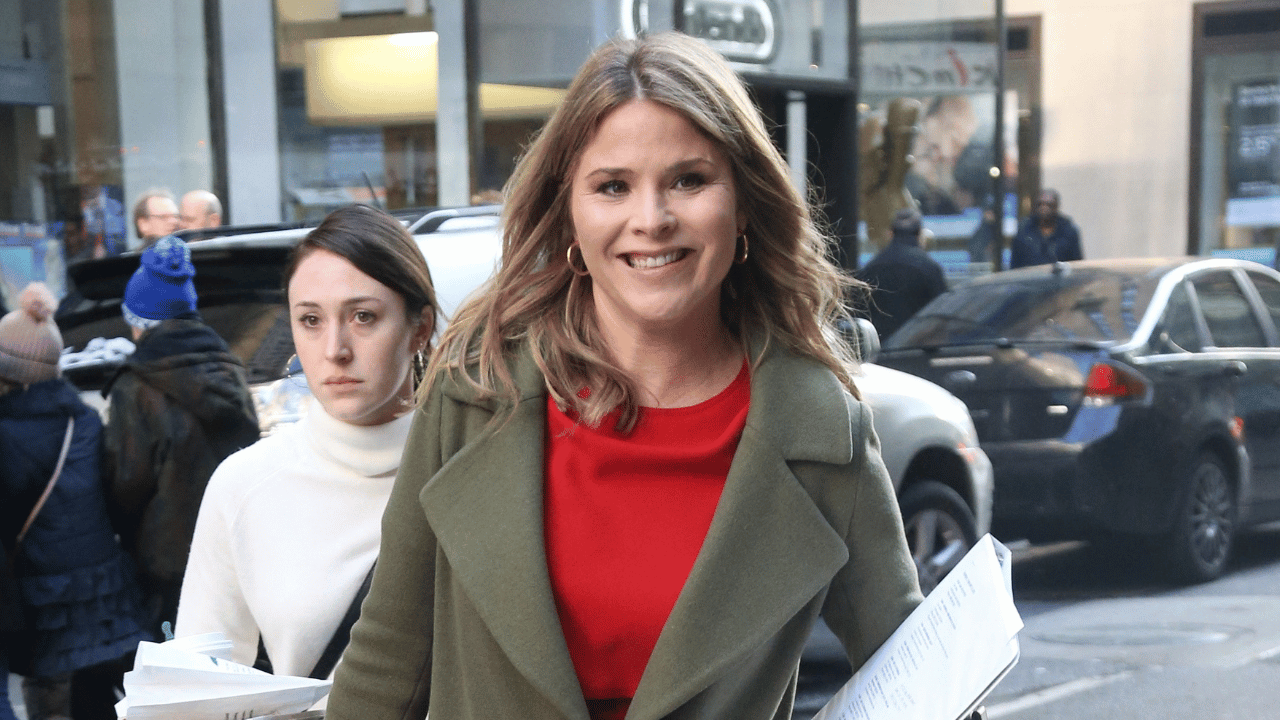
Jenna Bush Hager’s public acknowledgment of her intense nature, coupled with her critique of its gendered implications, serves as a significant moment in the ongoing conversation about female leadership and identity in media. By openly discussing these nuances, Hager and Jones contribute to an evolving understanding of what it means to be a powerful and effective woman in the public eye. Their dialogue invites audiences to reconsider their own biases and to champion a more equitable lexicon that celebrates drive and ambition in all individuals, regardless of gender. The exchange on "Today with Hoda & Jenna" not only offered a personal insight into a beloved television personality but also ignited a relevant discussion about the power of words and the imperative to reframe perceptions for future generations of professional women.