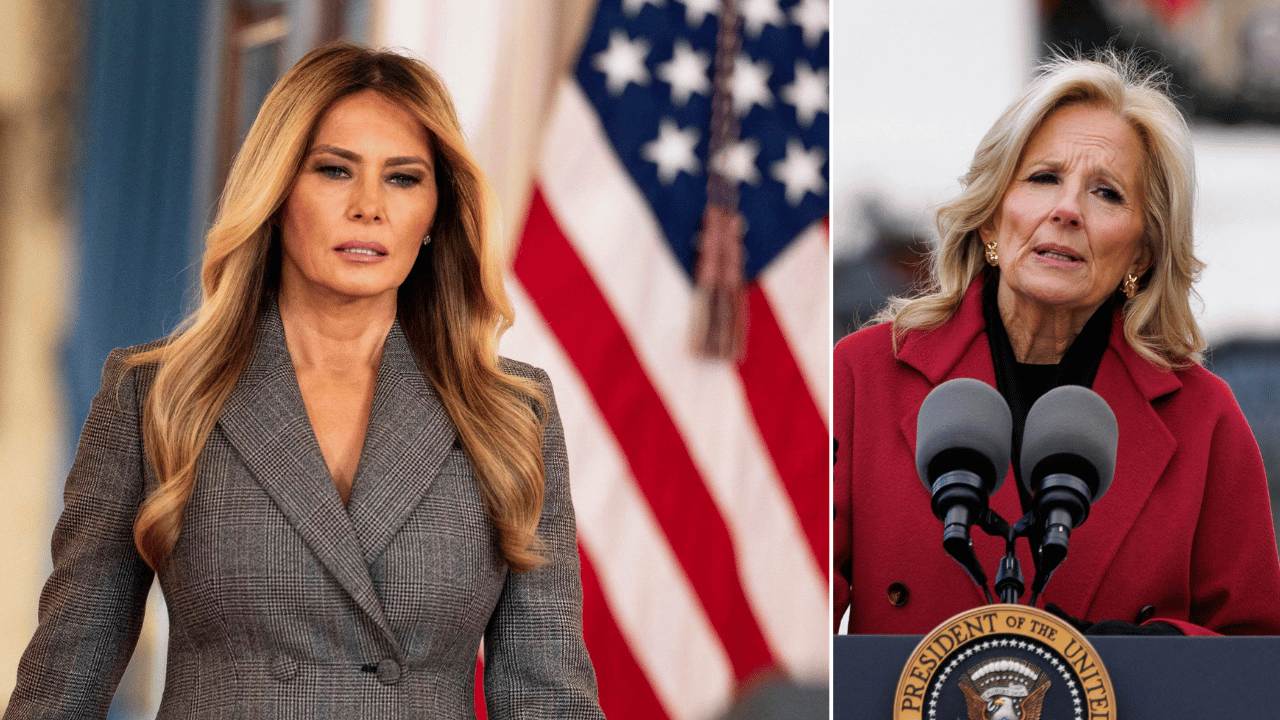
Former First Lady Dr. Jill Biden recently offered a candid assessment of the White House East Wing, describing the historic workspace as "dingy and dull" upon her arrival in 2021 and suggesting her predecessor, Melania Trump, "hadn’t used the office to work in." These remarks, made during a September 1, 2026, episode of Jesse Tyler Ferguson’s podcast "Dinner’s on Me," have drawn attention to the traditionally private world of First Ladies’ operations and their relationships. Dr. Biden’s comments provide a rare glimpse into the perceived state of the executive residence during a critical presidential transition.
The East Wing of the White House serves as the official office for the First Lady and her staff, housing a complex of rooms vital to her public duties and initiatives. Historically, it has been a center for diplomatic engagements, social events, and the administration of the First Lady’s policy agenda. Its condition and functionality are often seen as reflections of the incumbent’s priorities and work ethic. Dr. Biden expressed a deep personal attachment to the space, lamenting a significant transformation that rendered the specific office she used "something that doesn’t exist anymore," leading her to believe she was the "last first lady who worked in that office."

Upon entering the East Wing, Dr. Biden reportedly found the environment lacking energy and warmth. Her immediate priority, she explained on the podcast, was to revitalize the space to make it both functional and welcoming for the important work she intended to undertake. This initiative underscored her vision for a dynamic First Lady’s office actively engaged in national affairs. Her description implies a contrast with how the office was maintained or utilized by the previous administration, suggesting a departure from the active use she envisioned.
The role of the First Lady has evolved significantly over generations, moving from primarily ceremonial hostess to an influential figure with her own policy portfolio and a substantial staff. Modern First Ladies, like Laura Bush with her literacy initiatives or Michelle Obama with her "Let’s Move!" campaign, have leveraged the East Wing as a strategic command center for their public service. The perception of the First Lady’s office as a vibrant, active workspace aligns with this contemporary understanding of the role’s demands and opportunities.
Melania Trump’s tenure as First Lady, from 2017 to 2021, was often characterized by a more private approach compared to some of her predecessors. While she championed the "Be Best" initiative focused on children’s well-being, her public appearances and engagement with traditional First Lady duties were sometimes less frequent or visible. This led to speculation about the extent of her day-to-day presence in the East Wing offices. Dr. Biden’s recent comments echo these earlier observations, painting a picture of an underutilized workspace.

The public discussion surrounding the condition and use of the East Wing highlights the broader challenges of maintaining a historic property like the White House. The executive mansion, a living museum and a functional office building, requires constant upkeep and adaptation to the needs of its occupants while preserving its historical integrity. Each new administration typically brings its own preferences for decor, functionality, and the overall ambiance of the working and living spaces, often initiating renovations or redecorations.
Dr. Biden’s remarks on the podcast are not the first instance of her publicly addressing her relationship with Melania Trump. In her 2026 memoir, View From the East Wing, and during subsequent media appearances, Dr. Biden has consistently characterized their interactions as "strained" and "frosty." These personal accounts offer a rare and often unflattering perspective on the typically private transition rituals between incoming and outgoing First Ladies.
One particularly notable anecdote from Dr. Biden’s memoir recounts Melania Trump’s demeanor during a journey to Donald Trump’s second inauguration. Dr. Biden described Melania as "stoned-faced" and unresponsive to attempts at friendly conversation. Despite efforts to discuss neutral topics, such as her son Barron Trump’s experience at New York University, Melania reportedly "kept trying to switch the topic to the weather," indicating a clear reluctance to engage beyond superficial pleasantries.
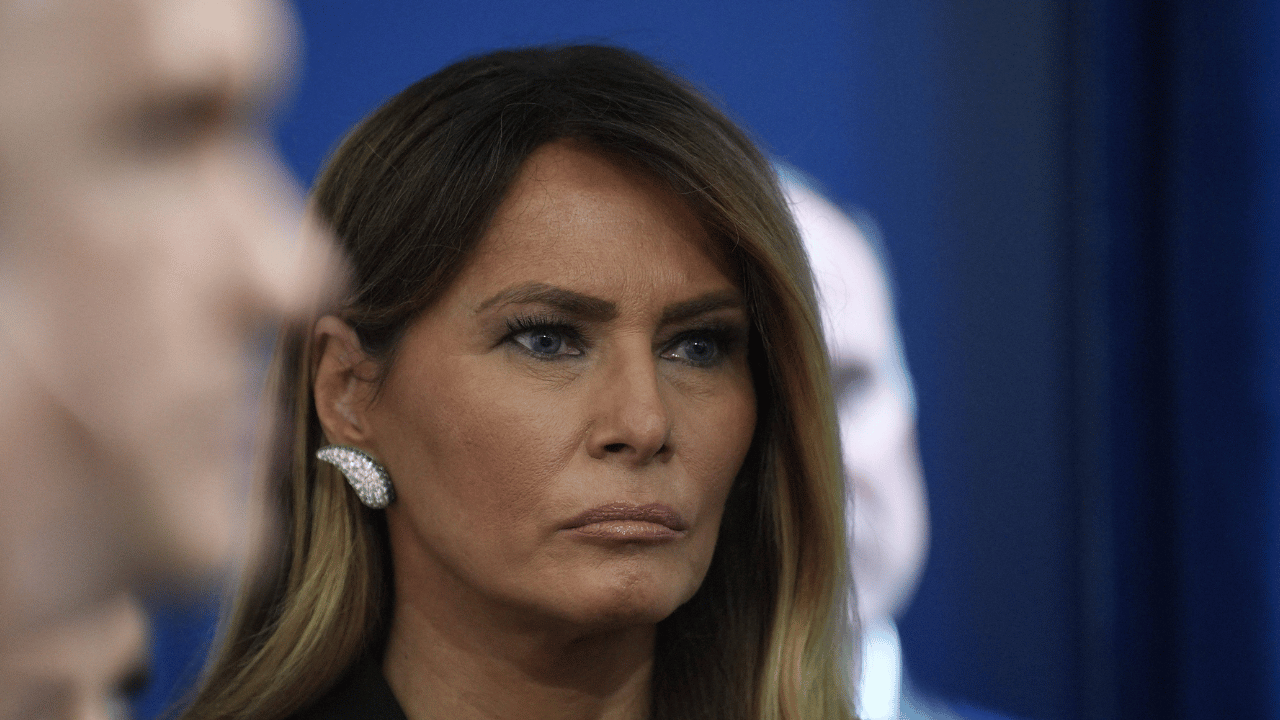
Dr. Biden attributes much of Melania Trump’s perceived icy demeanor to lingering resentment over the 2022 FBI search of Mar-a-Lago, the Trump family’s Florida residence. According to Dr. Biden, Melania "blamed Joe [Biden] personally for the FBI searching through her private spaces." This claim suggests a deep-seated animosity that transcended political differences, coloring their interactions even years after the incident. The Mar-a-Lago search, which involved federal agents seizing classified documents, was a highly contentious event that inflamed political tensions and drew widespread public attention.
Despite the personal friction and political divide, Dr. Biden also conveyed a sense of compassion for Melania Trump regarding the Mar-a-Lago raid. She wrote in her memoir that she understood the distress of such an experience, having gone through a similar document search at her own Wilmington, Delaware, home. Dr. Biden candidly acknowledged the invasiveness, writing, "I knew how distressing it was to have agents rummage through your underwear drawer." This surprising moment of empathy underscores the shared, albeit uncomfortable, experiences that can arise from proximity to high-stakes political investigations.
The revelations from Dr. Biden’s podcast appearance and memoir contribute to the ongoing public discourse about the dynamics within the White House and the often-unseen relationships between political figures. These personal narratives add a human dimension to the historical record, offering insights into the challenges and emotional toll of life at the highest levels of American politics. The comments also provide valuable context for understanding the internal workings and transformations within the executive residence.
Moving forward, these public statements are likely to provoke further discussion among political commentators, historians, and the public. Melania Trump’s representatives have yet to issue a direct response to Dr. Biden’s specific claims about the East Wing office or her personal demeanor. The absence of an immediate counter-narrative leaves Dr. Biden’s account as the primary public record of these particular details. As presidential transitions continue to be scrutinized, such personal testimonies offer invaluable, if sometimes contentious, perspectives on the evolving institution of the First Lady and the enduring legacy of the White House.