
The family of beloved sitcom star John Ritter is intensifying its public awareness campaign, advocating for early detection and a thorough understanding of family medical history to prevent tragic outcomes from aortic disease, the condition that abruptly ended his life in 2003. Their renewed call for vigilance comes as medical understanding of aortic dissection, a devastating cardiovascular emergency, continues to evolve, highlighting the critical role of timely diagnosis.
John Ritter, best known for his roles in "Three’s Company" and "8 Simple Rules for Dating My Teenage Daughter," died at age 54 following an acute thoracic aortic dissection. His passing sent shockwaves through Hollywood and among his vast fanbase. Initially, medical professionals suspected a heart attack, a common misdiagnosis that, according to his widow Amy Yasbeck, may have worsened his condition due to inappropriate treatment. This experience underpins the family’s urgent message about the need for accurate and prompt identification of aortic disease.
Unmasking a Silent Killer: Aortic Dissection Explained
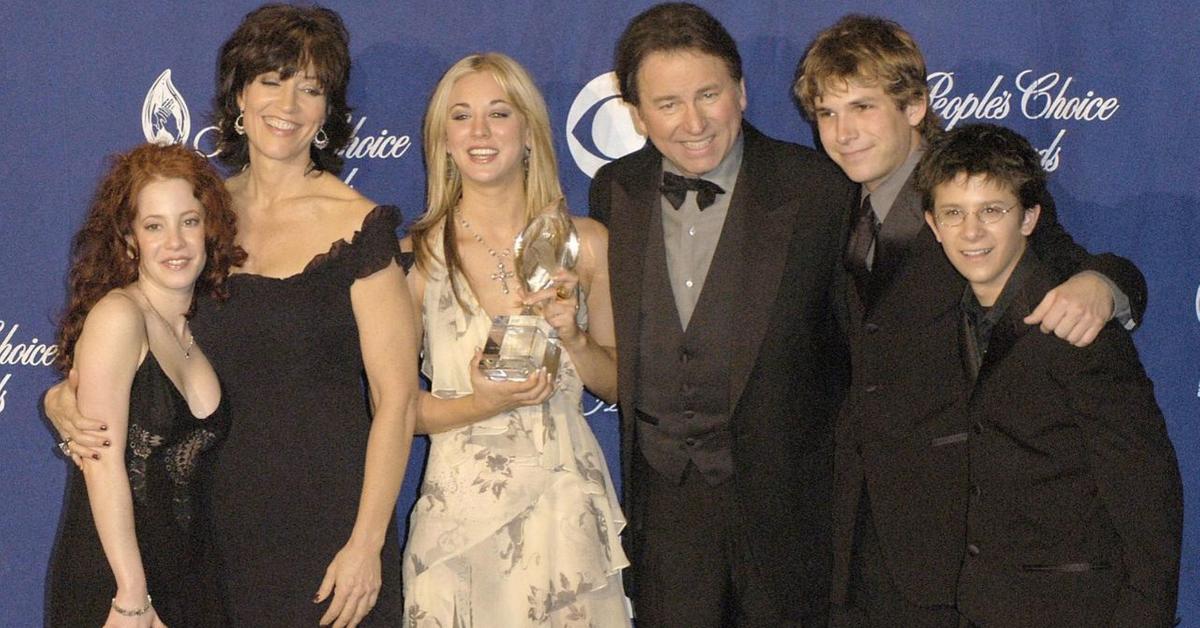
Aortic dissection occurs when the inner layer of the aorta, the body’s main artery, tears. Blood surges through this tear, separating the inner and middle layers of the aorta. This creates a false lumen, or channel, within the aortic wall. As the dissection progresses, it can compromise blood flow to vital organs like the heart, kidneys, and brain, leading to catastrophic failure and often rapid death. Symptoms can be varied and often mimic other cardiovascular events, particularly heart attacks, making accurate diagnosis a significant challenge in emergency settings.
The Ritter family’s history reveals a pattern that, in retrospect, pointed to a genetic predisposition. John’s father, country music legend Tex Ritter, died suddenly at 68 from a cardiac emergency also initially attributed to a heart attack. The uncanny similarity in their sudden deaths, years apart, underscored for the family the importance of looking beyond conventional diagnoses and recognizing potential hereditary links in cardiovascular events. The later re-evaluation of John Ritter’s case confirmed aortic dissection, providing crucial insight into the true cause of his and potentially his father’s demise.
The Urgent Call for Early Detection and Patient Advocacy
On what would have been John Ritter’s 78th birthday, his family used the occasion to amplify their message. Amy Yasbeck, co-founder of the John Ritter Foundation for Aortic Health, emphasized the brutal speed with which aortic dissection progresses. "Time is of the freaking essence when this happens," Yasbeck stated, noting that "fifty percent of people don’t even make it to the hospital." This statistic underscores the fatal consequences of delayed diagnosis and the critical need for rapid intervention.

John Ritter’s son, Tyler Ritter, echoed his stepmother’s urgency. "We’re just ringing the alarm," he said, stressing that "if we can catch it ahead of time, we can prevent it." Their advocacy centers on empowering individuals and medical practitioners to recognize the signs, understand the risk factors, and take proactive steps toward prevention. This includes a robust emphasis on gathering comprehensive family medical histories, which can reveal patterns of sudden cardiac death or unexplained cardiovascular issues that might indicate an underlying aortic condition.
The John Ritter Foundation for Aortic Health: A Legacy of Awareness
In the immediate aftermath of John Ritter’s death, his family established the John Ritter Foundation for Aortic Health. The Foundation’s mission is multifaceted: to educate the public and medical community about aortic disease, its risk factors, and the importance of early diagnosis; to support research into improved diagnostic tools and treatments; and to advocate for patient empowerment. Through their tireless efforts, the Foundation has become a leading voice in the fight against a condition that remains under-recognized despite its high mortality rate.
According to data compiled by the Foundation, approximately 20,000 individuals in the United States experience an aortic dissection each year. Without prompt and accurate diagnosis and treatment, up to 50 percent of these individuals will succumb to the condition. However, with early diagnosis and appropriate medical intervention, the survival rate can dramatically improve, reaching as high as 80 percent. This stark contrast highlights the life-saving potential of increased awareness and swift action.

Beyond John Ritter: Other Public Figures Lost to Aortic Disease
The silent threat of aortic disease has claimed the lives of numerous public figures, bringing the condition into the spotlight through tragic headlines. Earlier this year, Sen. Lindsey Graham passed away at age 71 due to an aortic dissection, a sudden illness that shocked the political landscape. Other notable figures who died from this condition include Jonathan Larson, the visionary writer of the Broadway musical Rent, who died at 35, and actor Alan Thicke, known for his role in Growing Pains, who passed at 69. These high-profile cases underscore the indiscriminate nature of the disease, affecting individuals across various ages and professions, and further reinforce the Ritter family’s call for widespread awareness.
The Foundation’s efforts extend to promoting genetic testing, a crucial tool in identifying individuals and families at heightened risk. Researchers have identified hundreds of genetic variants associated with aortic disease, and testing can detect many of these predispositions. A positive genetic test result can guide a personalized treatment plan, including regular monitoring and, if necessary, preventative surgery. It also allows for the screening of other family members who may unknowingly carry the same genetic risk, enabling them to take proactive measures before a life-threatening event occurs.
The Power of Family History and Proactive Screening
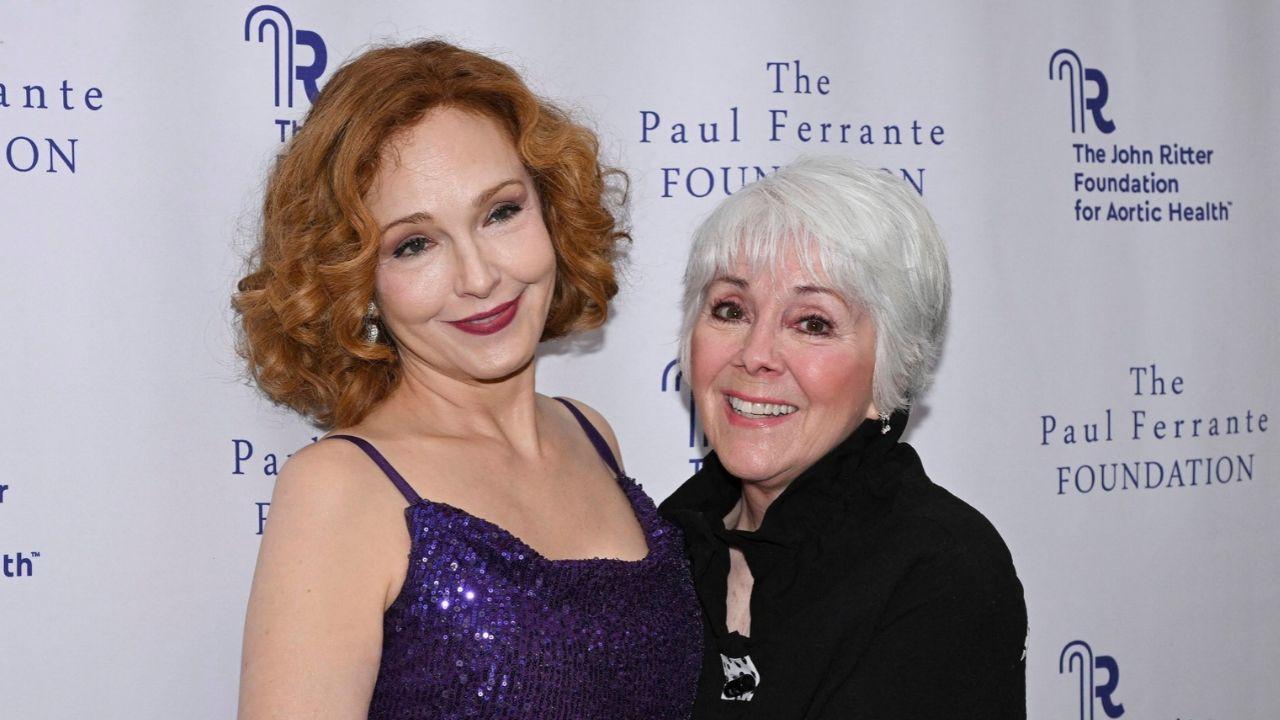
Establishing a detailed family medical history is often the first, most accessible, and most critical step in identifying a potential risk for aortic disease. The Ritter family’s experience with John’s older brother, Tom Ritter, serves as a powerful testament to the life-saving potential of this approach. Four years after John’s death, scans detected an aneurysm in Tom’s aorta, a weakened area in the aortic wall that could precede a dissection. This early detection, prompted by his brother’s tragic death, allowed Tom to undergo successful surgery to repair his aorta, granting him a new lease on life. This outcome vividly illustrates the preventative power of understanding family history and engaging in proactive screening.
Amy Yasbeck succinctly captured the essence of this message, urging greater suspicion regarding unexplained family deaths. "Raise your suspicion of this," she advised. "Maybe your family didn’t all fall off their tractors and die. Maybe they died first and then fell off their tractors." This poignant analogy highlights how sudden, seemingly unrelated deaths in a family might, upon closer examination, reveal a pattern indicative of an undiagnosed hereditary aortic condition.
Empowering Patients: Speak Up Before It’s Too Late
A core tenet of the John Ritter Foundation’s advocacy is teaching individuals to become their own health advocates. Tyler Ritter emphasized this, urging people to speak up when they sense something is amiss with their medical care. "If you sense — and I’ve had this personal experience — that your doctor or cardiologist is putting you down or saying you don’t know what you’re talking about, maybe find another doctor," he recommended. "You want to find your right fit."

This advice underscores the importance of assertive patient communication, particularly when symptoms are ambiguous or when a family history suggests a potential risk that might be overlooked by a clinician. Seeking second opinions, requesting specific imaging tests like CT scans or MRIs when aortic dissection is suspected, and ensuring that healthcare providers are aware of a comprehensive family medical history can be life-saving actions. The Ritter family’s unwavering dedication to this cause continues to illuminate the path toward a future where more lives are saved through heightened awareness, proactive screening, and vigilant patient advocacy against aortic disease.