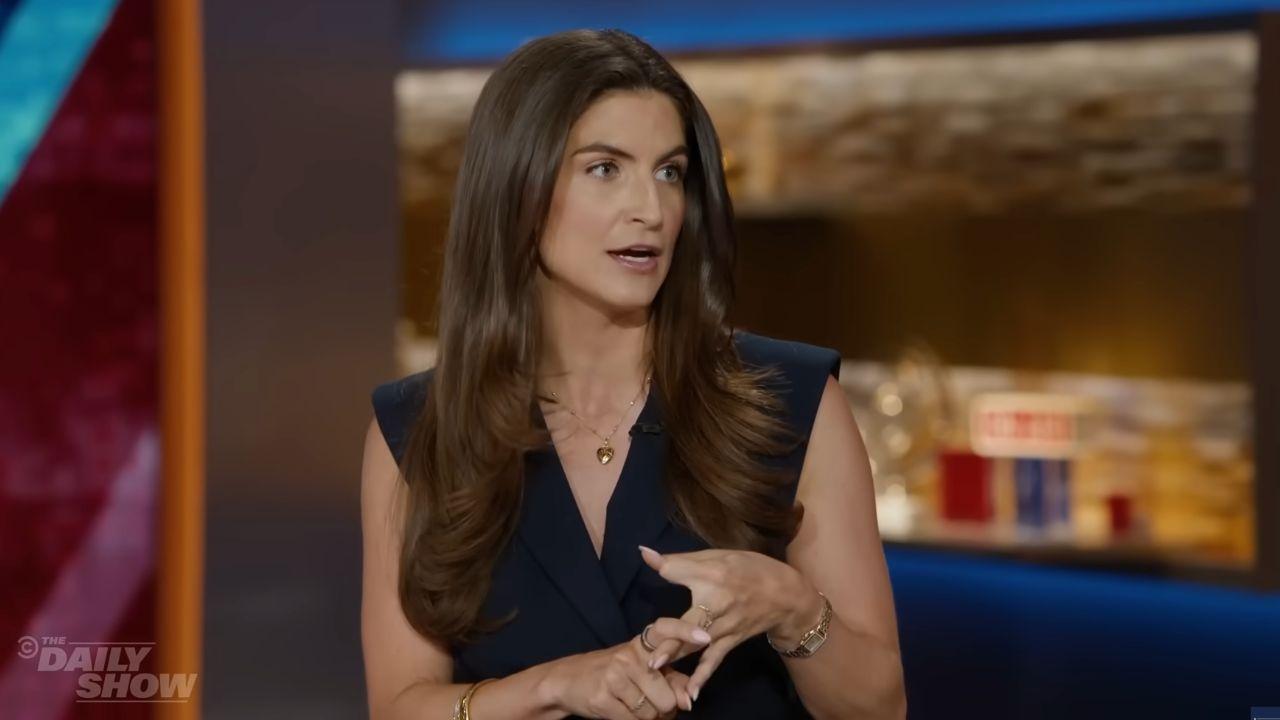
CNN chief White House correspondent Kaitlan Collins recently appeared on The Daily Show to address the personal attacks leveled against her by former President Donald Trump at the White House Correspondents’ Association Dinner (WHCD), asserting that such insults were secondary to her journalistic mission. Collins, who was honored at the prestigious annual event, underscored her commitment to reporting facts and seeking answers, regardless of the political rhetoric directed her way.
The remarks from Trump came three days prior, on July 24, during his controversial speech at the WHCD. Collins had been recognized with the Award for Excellence in Presidential News Coverage Under Deadline Pressure for her extensive reporting on Ukrainian President Volodymyr Zelensky’s 2025 Oval Office visit. Trump, however, used his platform to dismiss the award as "fake" and "all about me," subsequently making disparaging comments about Collins’ appearance and drawing an unexpected comparison to transgender actress and influencer Dylan Mulvaney, referencing the latter’s 2023 Bud Light promotion.
A Veteran Correspondent’s Measured Response
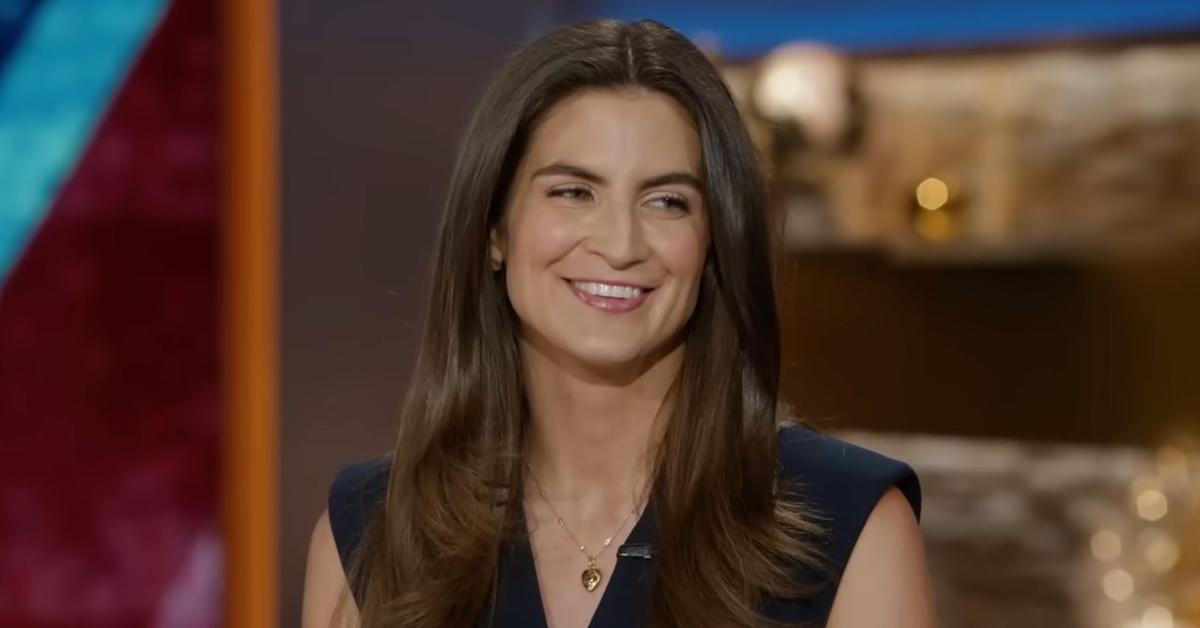
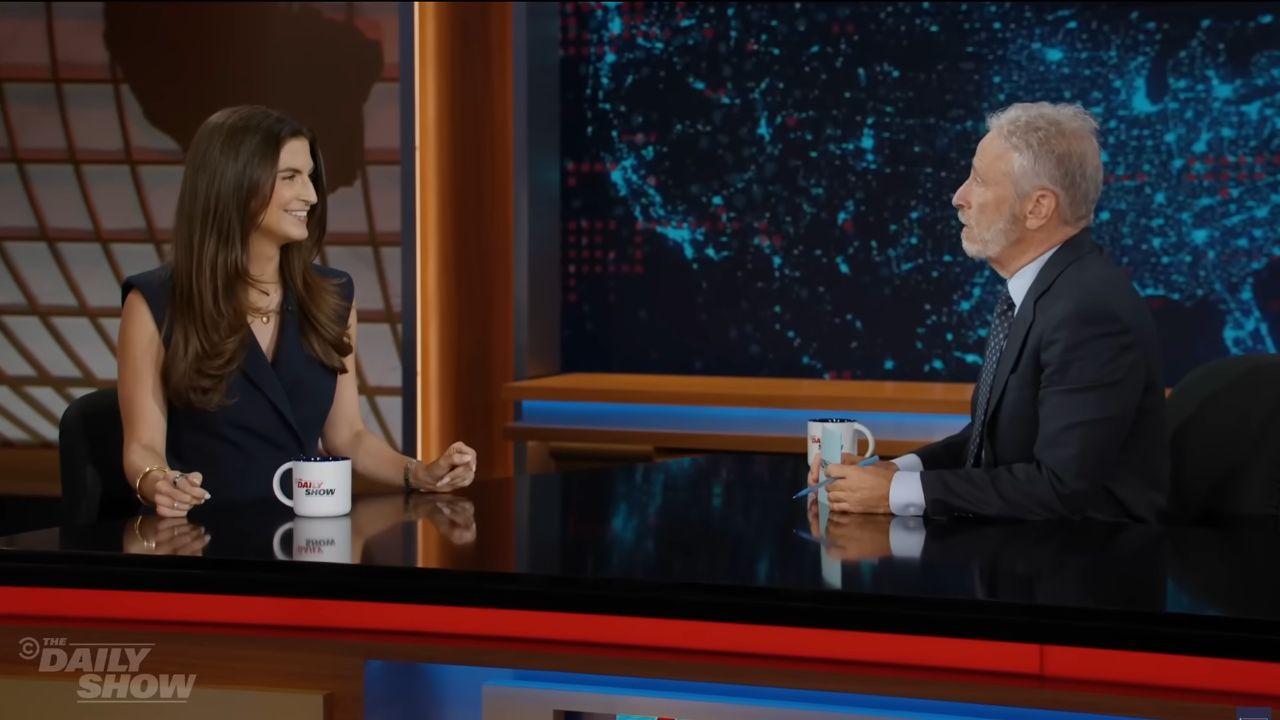
Speaking with Jon Stewart on July 27, Kaitlan Collins maintained a poised and professional demeanor, characteristic of her reporting style. She conveyed that Trump’s public insults were not a surprise, noting that similar verbal sparring often occurs during press interactions within the Oval Office. This public spectacle, she suggested, was merely a larger-scale iteration of routine encounters.
Collins emphasized her deliberate choice to deflect the personal nature of the attacks. She articulated a clear boundary, stating, "It’s not really about me and I don’t want it to be about my reaction. I think if you let it become about that, then it becomes a back-and-forth between the two of us." Her objective, she explained, remains to redirect focus to the substance of the reporting—the questions posed to those in power and the transparency (or lack thereof) in the answers received. This approach highlights a strategic effort to maintain journalistic integrity and prevent the politicization of news coverage through personal feuds.
The White House Correspondents’ Dinner: A Stage for Scrutiny
The White House Correspondents’ Association Dinner has a long-standing tradition as a gathering that celebrates journalism and often features lighthearted roasts from both the president and a comedian host. However, the event has increasingly become a flashpoint for discussions about the relationship between political power and the press. Donald Trump’s decision to attend and use the platform for direct attacks on a journalist, particularly one being honored, deviated from the dinner’s conventional tone and amplified the contentious dynamic that often defined his administration’s interactions with the media.
For years, Trump has cultivated an adversarial relationship with the press, frequently labeling unfavorable coverage as "fake news" and targeting individual journalists. His appearance at the WHCD, a forum traditionally seen as a symbolic truce between the administration and the press corps, provided him with a high-profile stage to reiterate his grievances and reinforce his narrative among his base. This move underscored the persistent challenges faced by journalists covering political figures who actively seek to undermine their credibility.
Trump’s Rhetoric and the Mulvaney Reference
Trump’s specific choice to invoke Dylan Mulvaney’s name, linking her to a past Bud Light promotion that sparked significant controversy, was a calculated rhetorical maneuver. The Bud Light incident had become a lightning rod in broader cultural wars, drawing sharp divisions and criticisms from conservative circles. By juxtaposing Collins with Mulvaney, Trump aimed to tap into these pre-existing cultural anxieties and further politicize his attack on the CNN reporter, aligning her with figures perceived negatively by his supporters. This tactic served to not only personally target Collins but also to broaden the attack to encompass perceived liberal media biases and cultural shifts.
The reference to Mulvaney also highlighted a pattern of Trump’s rhetoric that often veers into personal commentary, including remarks on individuals’ appearances or identities, rather than engaging with policy or journalistic substance. This strategy, while controversial, has proven effective in energizing his political base and maintaining media attention.

Jon Stewart’s Return and the State of Political Satire
Jon Stewart, a long-time observer and satirist of American politics and media, used his platform on The Daily Show to dissect the gravity of Trump’s remarks. Stewart’s return to the show has been marked by his characteristic blend of humor and incisive commentary, often challenging both political figures and the media’s role in public discourse. He began the segment by recalling a litany of Trump’s past insults directed at Collins, including branding her a "corrupt reporter" and declaring her "fake news."
Stewart openly expressed his disbelief and concern over the nature of political leadership, asking, "There are times when I watch him, and I think to myself, ‘This can’t be real.’ Like, this can’t be America. That guy runs us?" His questions reflected a broader public sentiment of exasperation and confusion over the erosion of traditional political decorum. Stewart also pointedly noted the silence in the room during Trump’s WHCD speech, an audience that included the former president’s staffers, Cabinet members, allies, and congressional Republicans. This observation highlighted a perceived lack of dissent or pushback from those closest to Trump, raising questions about political courage and accountability within his circle.
Upholding Journalistic Integrity Amidst Adversity
Kaitlan Collins’ steadfast refusal to engage in a tit-for-tat personal dispute with Trump exemplifies a core principle of journalistic integrity. Her focus on returning to "the question and the non-answers we get" underscores the essential role of the press in holding power accountable. In an era of heightened political polarization and frequent attacks on media credibility, maintaining this professional distance is crucial for journalists seeking to deliver unbiased information.
The challenges faced by White House correspondents are immense, requiring them to navigate complex political landscapes while adhering to ethical standards. Collins’ approach reflects a commitment to a broader audience, one that extends beyond partisan divides. She articulated her desire for her reporting to resonate with diverse segments of the population, stating, "I don’t want it to only serve one audience or one political leaning. I want anyone, from my family in Alabama to people in the White House, to people in Washington, to be able to hear that answer or hear that question and think, ‘What is the answer to that?’" This statement encapsulates the aspirational goal of objective journalism: to foster informed public discourse by focusing on facts and accountability.
Beyond the Personal: A Broader Dialogue on Press Freedom
The incident at the WHCD, while centered on Kaitlan Collins, serves as a microcosm of the ongoing tensions surrounding press freedom and the role of independent media in a democratic society. When political figures, particularly those who have held or aspire to hold the highest office, launch personal attacks on journalists, it can have a chilling effect on reporting and erode public trust in news organizations. Such tactics often aim to delegitimize critical coverage and shape public perception of the media as partisan adversaries rather than impartial watchdogs.
The broader implications extend to the safety and working conditions of journalists. Repeated verbal assaults, especially from high-profile figures, can embolden critics and create an environment where journalists are viewed with suspicion or hostility. Collins’ response, therefore, becomes not just a personal professional stance but a reaffirmation of the collective commitment of the press to remain undeterred in their pursuit of truth and transparency, even when facing significant pressure.
Looking Ahead: The Enduring Role of the Press
As the political landscape continues to evolve, the dynamic between politicians and the press remains a critical component of democratic governance. Kaitlan Collins’ measured and professional response to Donald Trump’s WHCD insults highlights the resilience and dedication required of modern journalists. Her decision to pivot the conversation back to the substance of policy and accountability, rather than personal grievance, reinforces the fundamental purpose of journalism: to inform the public and challenge those in power.
The incident underscores that while the venues and rhetoric may change, the core mission of the press endures. Despite the often-contentious nature of their work, journalists like Collins continue to strive for clarity and truth, ensuring that the public has access to the information necessary for a functioning democracy. The exchange on The Daily Show serves as a powerful reminder of the ongoing struggle to uphold press freedom and maintain a robust, independent media in the face of political pressure and personal attacks.