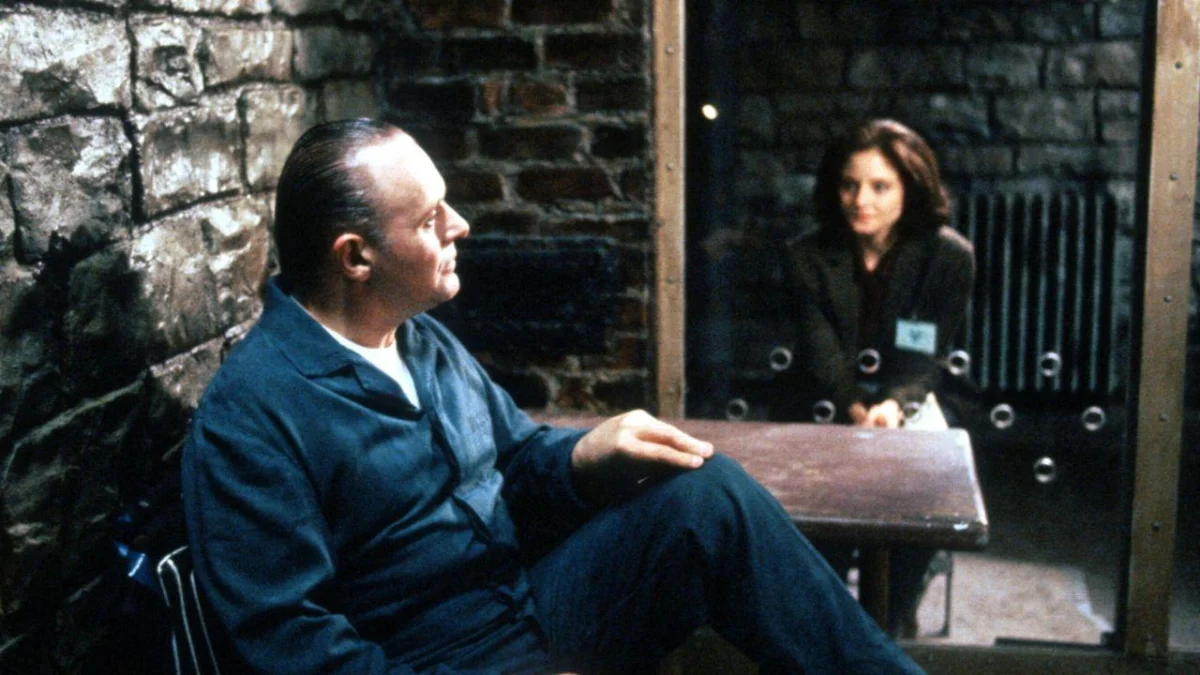
Thirty-five years after its groundbreaking release, The Silence of the Lambs continues to be hailed as a defining psychological thriller, yet a growing consensus among film experts suggests that several modern horror films now outshine its impact and ability to evoke sheer terror. While the 1991 Best Picture Oscar winner holds an undeniable place in cinematic history, the evolving landscape of horror cinema has introduced new forms of dread and suspense that resonate deeply with contemporary audiences, challenging the long-held notion of its unparalleled horror.
The Silence of the Lambs, starring Jodie Foster as FBI trainee Clarice Starling and Anthony Hopkins as the iconic Hannibal Lecter, captivated global audiences with its chilling narrative and masterful performances. Released in 1991, the film achieved unprecedented critical and commercial success, becoming only the third film in history to win the "Big Five" Academy Awards: Best Picture, Best Director (Jonathan Demme), Best Actor (Hopkins), Best Actress (Foster), and Best Adapted Screenplay. Its intricate plot, exploring the hunt for serial killer Buffalo Bill through Starling’s psychological duels with Lecter, solidified its status as a benchmark for the psychological thriller genre.

For decades, the film’s profound exploration of human evil, its taut suspense, and its unforgettable characters made it the gold standard for horror that delved beyond simple jump scares. It pioneered a sophisticated approach to fear, relying on intellectual tension and the darkness of the human psyche rather than overt gore. However, as the cinematic world progresses, new generations of filmmakers are pushing the boundaries of horror, presenting narratives and visual styles that offer distinct, and arguably more potent, forms of terror.
The argument that The Silence of the Lambs‘s terror has been surpassed is not a dismissal of its legacy but rather an acknowledgment of the genre’s dynamic evolution. Contemporary horror has diversified dramatically, encompassing a wider array of subgenres and themes, from existential dread to technological anxieties and visceral, atmospheric experiences. This diversification has led to modern horror films that deliver unsettling experiences in ways that The Silence of the Lambs, for all its brilliance, did not.
‘Pulse’ (2001): A Foreboding Vision of Digital Dread
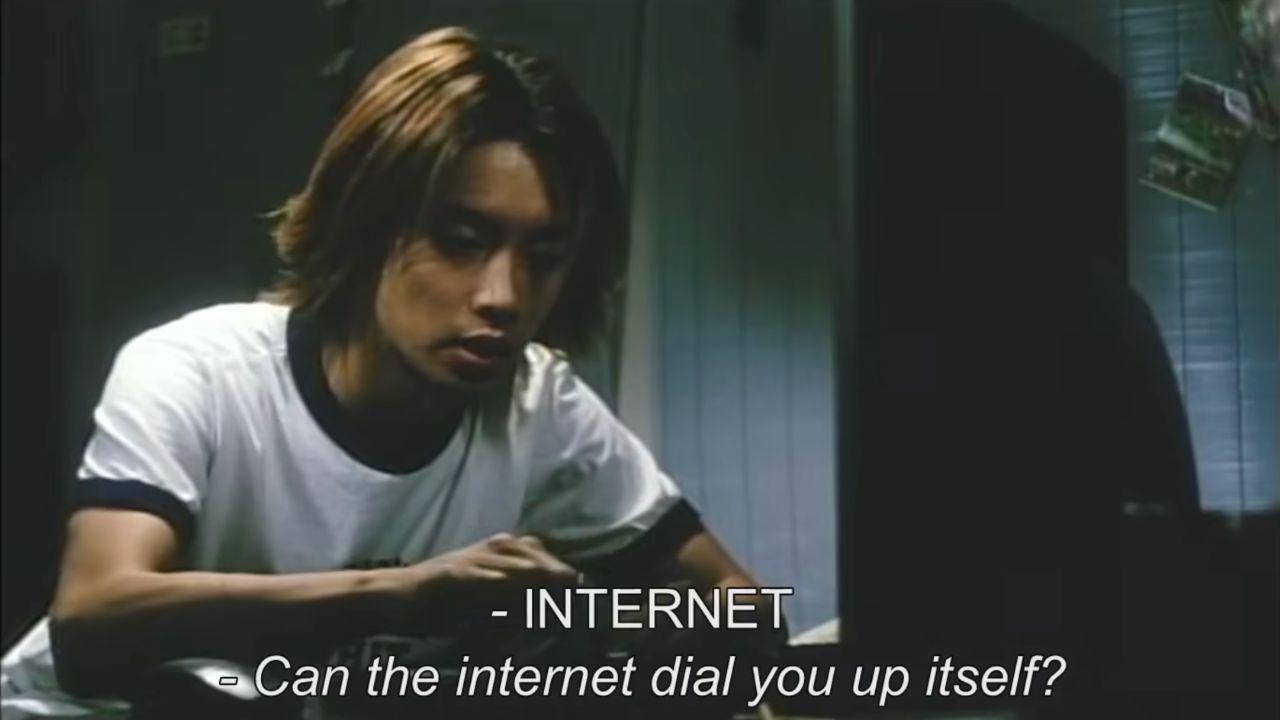
One such contender in the debate over modern horror films that outshine ‘The Silence of the Lambs’ is Kiyoshi Kurosawa’s 2001 Japanese horror masterpiece, Pulse (original Kairo). This film predates much of the internet’s pervasive integration into daily life but uncannily predicted a world where digital connections could become conduits for profound loneliness and existential horror. The narrative begins with the inexplicable suicide of a college student in Tokyo, triggering a terrifying series of events where ghosts begin to invade the living world through the internet.

Kurosawa masterfully crafts a pervasive sense of dread without relying on explicit gore or conventional jump scares. Instead, Pulse generates its terror through an oppressive atmosphere of isolation, despair, and the gradual erosion of human connection in the face of an unseen, digital plague. The ghosts in Pulse are not merely vengeful spirits; they represent the overwhelming solitude of modern existence, drawing the living into their own emptiness. This portrayal of technology as a gateway to existential collapse feels increasingly relevant in an age dominated by screens and virtual interactions.
The film’s quiet, unsettling visuals and its philosophical undertones distinguish it from the more direct psychological confrontation of The Silence of the Lambs. Pulse‘s horror is less about a human monster and more about a pervasive, almost cosmic dread that infects society at its core, making its depiction of terror uniquely impactful and deeply unsettling for audiences grappling with digital realities. Its lasting resonance as a commentary on contemporary alienation gives it a powerful claim to delivering a more profound, albeit different, kind of fear.
‘Oddity’ (2024): Weaving Grief and Supernatural Suspense
Another significant entry into the discussion of modern horror films that outshine ‘The Silence of the Lambs’ is the recently released Irish horror film, Oddity (2024). This film demonstrates how contemporary storytelling can blend emotional depth with effective supernatural elements to create a uniquely terrifying experience. The plot centers on Darcy, a clairvoyant woman who receives a mysterious glass eye from Ted Timmis, a man implicated in the death of her twin sister, Dani. This macabre artifact grants Darcy the ability to witness Dani’s final moments, unraveling a dark mystery intertwined with grief and the supernatural.

Oddity excels in its intelligent script and precise cinematography, which together build a palpable sense of suspense. Director Damian McCarthy, known for his ability to craft atmospheric horror, uses the film’s brisk 98-minute runtime to maximum effect, delivering well-timed and genuinely frightening jump scares that serve the narrative rather than existing merely for shock value. The film’s exploration of loss and the desperate search for truth amplifies its emotional stakes, making the horror feel deeply personal and immersive.
Unlike the psychological cat-and-mouse game of The Silence of the Lambs, Oddity directly confronts the audience with supernatural phenomena rooted in human tragedy. The film’s ability to combine a compelling mystery with visceral scares and a profound sense of loss positions it as a powerful example of how modern horror films can deliver both intellectual engagement and raw, primal fear, arguably surpassing the specific type of terror evoked by the earlier classic.
‘Suspiria’ (1977): A Symphony of Macabre Beauty That Endures
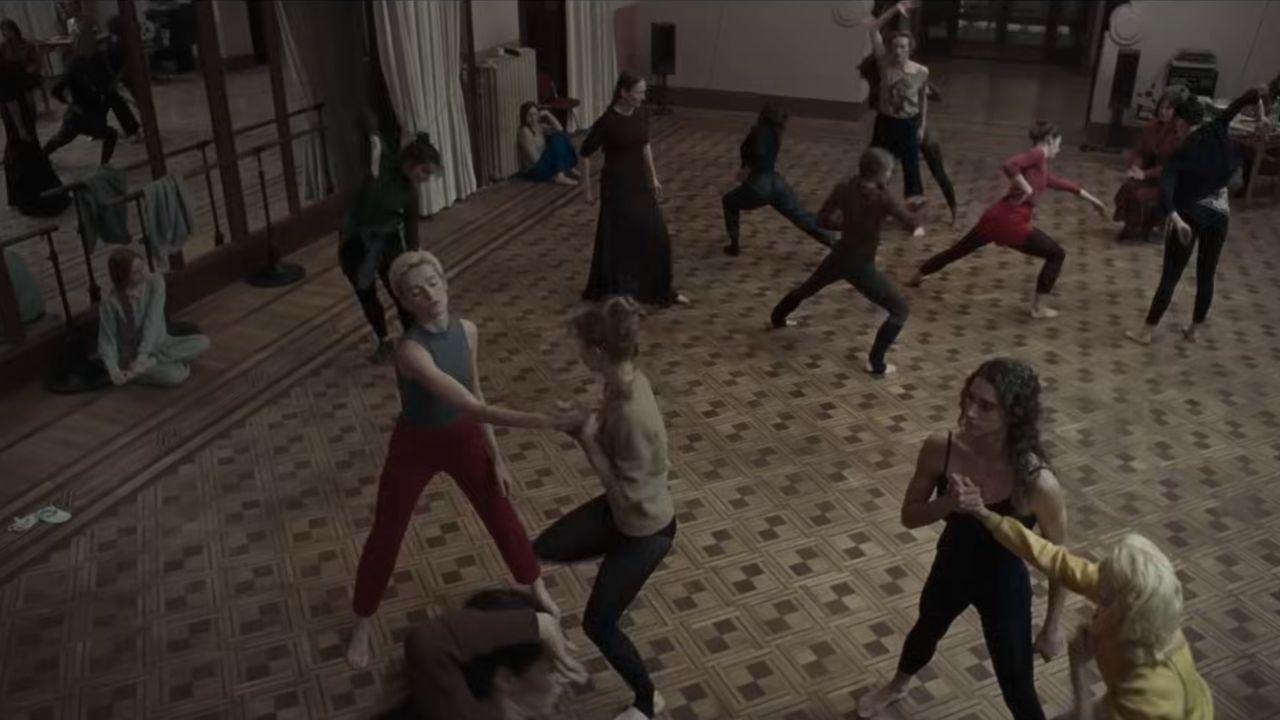
While technically not a "modern" release in the strict sense, Dario Argento’s 1977 masterpiece Suspiria is frequently cited in discussions of films that possess a unique and enduring power to terrify, often surpassing the psychological dread of The Silence of the Lambs through sheer aesthetic and sensory assault. Its inclusion among modern horror films challenging the legacy of The Silence of the Lambs stems from its timeless influence and its distinct approach to horror that continues to resonate with contemporary audiences and filmmakers. Suspiria follows American ballet student Suzy Bannon as she enrolls in the prestigious Tanz Akademie in Germany, only to discover the school harbors a sinister secret involving a coven of witches.
Argento’s vision for Suspiria is a breathtaking and unsettling feast for the senses. He eschewed traditional narrative logic in favor of a dreamlike, almost hallucinatory experience. The film is renowned for its audacious use of vibrant, often jarring, primary colors—deep reds, blues, and greens—that saturate every frame, creating an intensely disorienting and oppressive atmosphere. Coupled with Goblin’s iconic, pulsating progressive rock score, Suspiria delivers a horror that is visceral and overwhelming, trapping the viewer in a nightmarish world from which there is no escape.
Critics and cinephiles alike highlight Suspiria‘s focus on aesthetic beauty and sensory immersion as its primary vehicle for terror, a stark contrast to the dialogue-driven, character-focused suspense of The Silence of the Lambs. Its fear is less about a relatable human threat and more about an abstract, supernatural evil that permeates every fiber of its existence. This distinct form of terror, which assaults the viewer’s perception and leaves a lingering sense of unease, makes a strong case for its capacity to outshine ‘The Silence of the Lambs’ in terms of pure, unadulterated sensory dread, influencing generations of modern horror films.
Evolving Definitions of Terror in Contemporary Cinema
The debate over which modern horror films outshine ‘The Silence of the Lambs’ reflects a broader shift in what audiences find truly terrifying. While the psychological depth and human evil portrayed in the 1991 classic remain potent, the genre has expanded to encompass more abstract, existential, and sensory forms of fear. Pulse taps into anxieties about technology and isolation, Oddity explores the intersection of grief and the supernatural, and Suspiria delivers a masterclass in atmospheric and sensory horror.
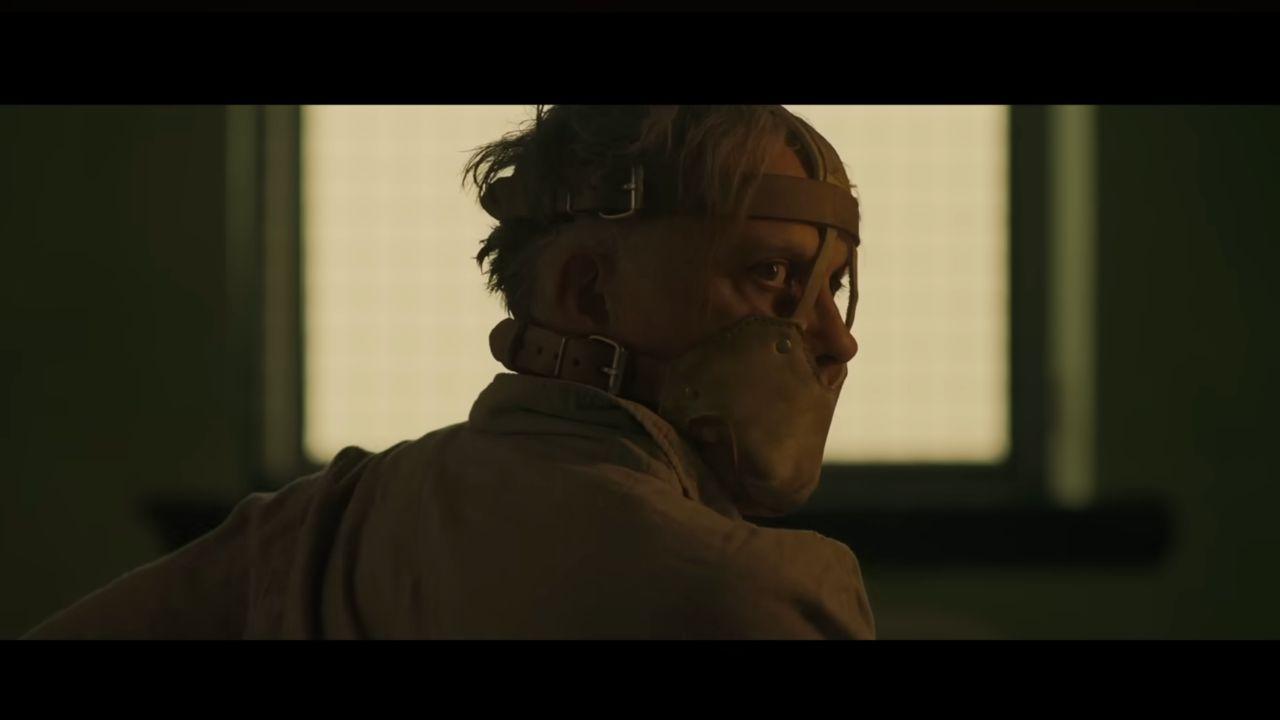
These films represent a departure from the singular focus on human monsters, though they do not negate the power of such narratives. Instead, they demonstrate the horror genre’s versatility in addressing contemporary fears—whether they are technological, existential, or deeply personal. This evolution enriches the cinematic landscape, offering diverse experiences that push the boundaries of fear beyond established conventions.
Impact on Audiences and Critical Discourse
The ongoing conversation about which modern horror films measure up to, or even outshine, ‘The Silence of the Lambs’ has a significant impact on critical discourse and audience expectations. It encourages a re-evaluation of what constitutes effective horror and prompts a deeper appreciation for the genre’s artistic range. For new generations of viewers, films like Pulse, Oddity, and the enduring Suspiria offer entry points into different facets of fear, proving that terror is not monolithic but multifaceted and ever-evolving.
This critical re-assessment does not diminish The Silence of the Lambs‘s status as a seminal work. It remains a masterpiece of suspense and character study. However, its position as the undisputed pinnacle of terror, especially in terms of sheer, visceral dread or existential unease, is now openly contested. This healthy competition among films only serves to invigorate the horror genre, inspiring filmmakers to explore new avenues of fear and pushing the boundaries of cinematic storytelling.
As the horror genre continues its dynamic evolution, audiences can anticipate even more innovative and terrifying modern horror films that will undoubtedly continue to challenge and expand the legacy of classic films. The future of horror cinema promises a rich tapestry of frights, ensuring that the experience of fear on screen remains as diverse and compelling as the human imagination itself.