The vibrant world of music, a source of joy and expression for millions, carries an inherent occupational hazard for its creators: hearing loss. As artists push the boundaries of sound and performance, prolonged exposure to high decibel levels can inflict irreversible damage, a reality that has recently garnered increased attention. From globally recognized pop stars to seasoned DJs and legendary rock icons, the toll of loud music on hearing is becoming an undeniable concern within the industry.
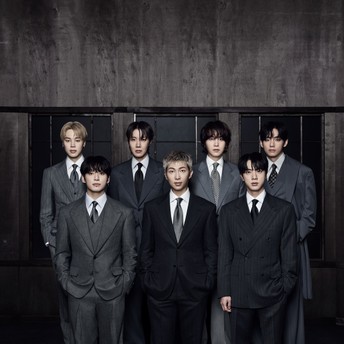
The alarming trend of hearing impairment among musicians is underscored by recent high-profile cases. V, a member of the K-pop phenomenon BTS, publicly disclosed his ongoing treatment for significant hearing loss experienced during a recent tour. Similarly, acclaimed DJ and producer Alesso shared his struggles with tinnitus, a persistent ringing in the ears, which impacted his touring schedule last year. These prominent artists join a growing list of musicians, including Chris Martin of Coldplay, Dave Grohl of Foo Fighters, and Neil Young, who have openly discussed the cumulative effects of years spent immersed in loud musical environments on their auditory health.

While custom in-ear monitors (IEMs) offer a sophisticated solution for many performers, they are not universally applicable or affordable for all musicians and performance scenarios. For those in marching bands, orchestra pits, mariachi ensembles, or even participants in informal garage jam sessions and DJ sets, a reliable pair of earplugs presents a practical, accessible, and cost-effective alternative to high-end custom audio equipment. The need for effective hearing protection is paramount across a diverse spectrum of musical endeavors.
Understanding the language of hearing protection involves grasping the concept of decibels (dB), the standard unit for measuring sound intensity. To contextualize, the International Noise Awareness Day initiative highlights that a quiet conversation typically registers around 60 dB, while the sound of normal breathing is a mere 10 dB. Earplugs are rated by their ability to reduce these decibel levels, with higher dB ratings indicating greater noise reduction. This metric is crucial for musicians seeking to find a balance between safeguarding their hearing and maintaining the clarity of musical performance.
Exploring Top Earplug Options for Musicians
Navigating the market for musician-specific earplugs reveals a range of innovative products designed to mitigate auditory risks without compromising sound fidelity. These options cater to various needs, from adjustable attenuation to discreet design and enhanced comfort.
Loop Switch 2 Adjustable Earplugs: Versatile Protection
The Loop Switch 2 earplugs offer a unique advantage with their three distinct modes of passive noise reduction, allowing users to adapt to changing sound environments throughout the day. A manual dial enables seamless transitions between "quiet," "engage," and "experience" modes, providing a Sound Noise Reduction (SNR) range of 20 to 26 dB. The design prioritizes comfort with a slimmer profile and four interchangeable ear-tip sizes. This model has garnered popularity within the music community, even receiving endorsement from pop star Harry Styles through a collaboration with the brand.
Pros: Manual dial for adjusting modes offers excellent flexibility.
Cons: Some user feedback suggests the carrying case may not be entirely secure.
Eargasm 21 dB Noise-Reduction Earplugs: Clarity and Convenience
Eargasm’s high-fidelity earplugs are engineered to reduce overall loudness while striving to preserve the clarity of music and speech. They deliver up to 21 dB of noise reduction, with a Noise Reduction Rating (NRR) of 16 dB, employing specialized filters designed to attenuate sound across a broad spectrum of frequencies. The inclusion of two silicone shell sizes aims to enhance fit and comfort, while the waterproof aluminum carrying case adds a layer of practicality for frequent use at concerts, festivals, and gigs.

Pros: Soft silicone construction ensures comfort, and the key-ring attachable case offers convenient access.
Cons: Assembly instructions could be more detailed.
Alpine MusicSafe Pro High Fidelity Earplugs: Customizable Attenuation
The Alpine MusicSafe Pro earplugs provide musicians with the flexibility of three interchangeable filter sets, rated at 16, 19, and 22 dB SNR. This allows for precise tuning of attenuation levels based on specific instruments, venue acoustics, or stage positioning. The acoustic filters are developed to reduce sound intensity without significantly altering the inherent character of the music. A compact storage case is included for portability and protection.
Pros: Interchangeable filters allow for tailored protection based on musical context.
Cons: May not provide a secure enough fit for highly energetic performers who move extensively on stage.

Earasers 19 dB Noise-Reducing Earplugs: Discreet and Comfortable Fit
Earasers are specifically designed for musicians who require a reduction in loud sounds while maintaining the nuanced details of individual instruments. The manufacturer reports up to 19 dB of reduction at peak frequencies, with an SNR of 14 and varying average attenuation across different frequencies. Constructed from soft silicone with an ear-shaped design, they are intended for prolonged wear. The package includes a case and a one-year warranty.
Pros: Customers frequently praise their comfort and discreet, nearly invisible fit.
Cons: Their small size necessitates careful storage to prevent loss when not in use.
Etymotic Earplugs 20 dB Sound Reduction: Balanced Sound Preservation
The Etymotic ER20XS earplugs utilize a tuned resonator and acoustic resistor system to achieve a more even sound reduction, thereby preserving speech and musical detail. These earplugs are rated for up to 20 dB of sound reduction. Their low-profile, stemless design sits discreetly within the outer ear, making them compatible with headwear. Each pair comes with a neck cord for easy accessibility and a carrying case.

Pros: A neck cord enhances accessibility, and the discreet design is appreciated.
Cons: Achieving an optimal, snug fit may require some trial and error with different sizes.
Decibullz Custom Molded Earplugs: Personalized Fit and High Attenuation
Decibullz offers a unique approach with heat-moldable thermoplastic pieces that conform precisely to the shape of the wearer’s ears. Combined with the included foam tips, these earplugs achieve a maximum NRR of 31 dB, making them suitable for situations demanding significant noise reduction. The ability to reheat and remold them allows for adjustments to ensure a perfect fit. The package includes various tip options and a carrying pouch.
Pros: The custom molding process ensures a personalized and secure fit without guesswork.
Cons: The molding process requires careful attention to detail for optimal results.

ZovGemy 33 dB Noise Reduction Rating Earplugs: General Purpose Protection
ZovGemy’s reusable silicone earplugs are primarily designed for general noise reduction rather than the precise preservation of musical detail. They claim an impressive noise reduction of up to 33 dB and come with four ear-tip sizes to facilitate a secure seal. The soft silicone construction is intended for extended wear, and the washable tips along with a snap-close case make them a practical choice for travel.
Pros: Exceptional comfort, with users reporting wearing them for extended periods, including sleep.
Cons: Limited color options are available.
The Growing Epidemic of Musician Hearing Loss
The physical demands of a career in music extend beyond practice and performance; they encompass the constant battle against auditory damage. Loud environments, whether during live concerts, studio sessions, or even rehearsals, can subject musicians’ ears to sound levels that far exceed safe exposure limits. This chronic overexposure is a primary driver of hearing loss and tinnitus, conditions that can profoundly impact a musician’s ability to perform, create, and enjoy music.

Tinnitus, characterized by a persistent ringing, buzzing, or hissing sound in the ears, is a common consequence of noise-induced hearing damage. For musicians, tinnitus can be particularly debilitating, interfering with their ability to perceive subtle musical nuances and affecting concentration. Hearing loss, on the other hand, can manifest as difficulty distinguishing high-frequency sounds, understanding speech in noisy environments, and a general dulling of auditory perception. These conditions not only affect a musician’s professional life but also their overall quality of life, impacting their ability to enjoy everyday sounds and social interactions.
The Science of Hearing Protection for Musicians
Decibel (dB) ratings are the cornerstone of understanding earplug efficacy. A 3 dB increase in sound intensity is perceived as a doubling of loudness. Prolonged exposure to sounds above 85 dB can begin to cause hearing damage, and the risk escalates significantly with higher decibel levels. For musicians, exposure often reaches well over 100 dB during performances.
Noise Reduction Rating (NRR) and Signal-to-Noise Ratio (SNR) are two common metrics used to quantify the effectiveness of hearing protection. While NRR is primarily used in the United States and is tested under laboratory conditions, SNR is more commonly used in Europe and often reflects real-world performance more accurately. Earplugs designed for musicians aim to reduce overall loudness without creating a muffled or distorted soundscape. This is achieved through specialized filters that attenuate sound more evenly across different frequencies, allowing critical musical elements to remain clear and distinguishable.

How We Selected the Best Earplugs for Musicians
The selection process for identifying the best earplugs for musicians prioritized products that demonstrated a strong commitment to hearing protection while upholding sound quality. We evaluated models that consistently received high ratings, typically 4 stars or above, and garnered a substantial volume of positive customer reviews.
Key criteria included the effectiveness of noise reduction (measured by NRR and SNR), the clarity and fidelity of sound reproduction, comfort for extended wear, and specific features beneficial for musicians. This involved scrutinizing manufacturer claims regarding decibel reduction and signal-to-noise ratios, understanding the differences in how these ratings are applied. Furthermore, we considered practical features such as interchangeable or adjustable filters, the availability of multiple ear-tip sizes for a personalized fit, discreet, low-profile designs, and the potential for custom molding.
Recognizing that musicians require protection that preserves crucial sonic details, our focus remained on earplugs engineered to attenuate loud noises while ensuring music remains clear and vibrant. Practical considerations such as the inclusion of carrying cases, the reusability or washability of components, warranty periods, and any additional accessories were also factored into the evaluation. The goal was to provide a comprehensive guide to help artists safeguard their most valuable professional asset – their hearing.