A seemingly pointed remark by Senator Jon Ossoff (D-Ga.) regarding former President Donald Trump’s close aide, Natalie Harp, ignited a political firestorm this week, thrusting Harp into the national spotlight and drawing sharp rebukes from Trump and his loyalists. The Georgia Democrat’s comments, delivered at a campaign rally in Atlanta, quickly reverberated across cable news, conservative media, and the White House, making Harp an unexpected focal point in the contentious political landscape.
The Genesis of a Political Controversy
For months, Natalie Harp, 35, has maintained a visible and unusually close presence at Donald Trump’s side, a proximity that has long been a subject of quiet speculation within political circles. Her role has often been described as an executive assistant and personal aide, known colloquially in some White House circles as the "human printer" due to her reported task of compiling favorable news articles for Trump and assisting with his prolific Truth Social posts. Senator Ossoff, currently campaigning for re-election and frequently mentioned in discussions about potential 2028 presidential contenders, seized on Harp’s prominent role during an August 23 rally.
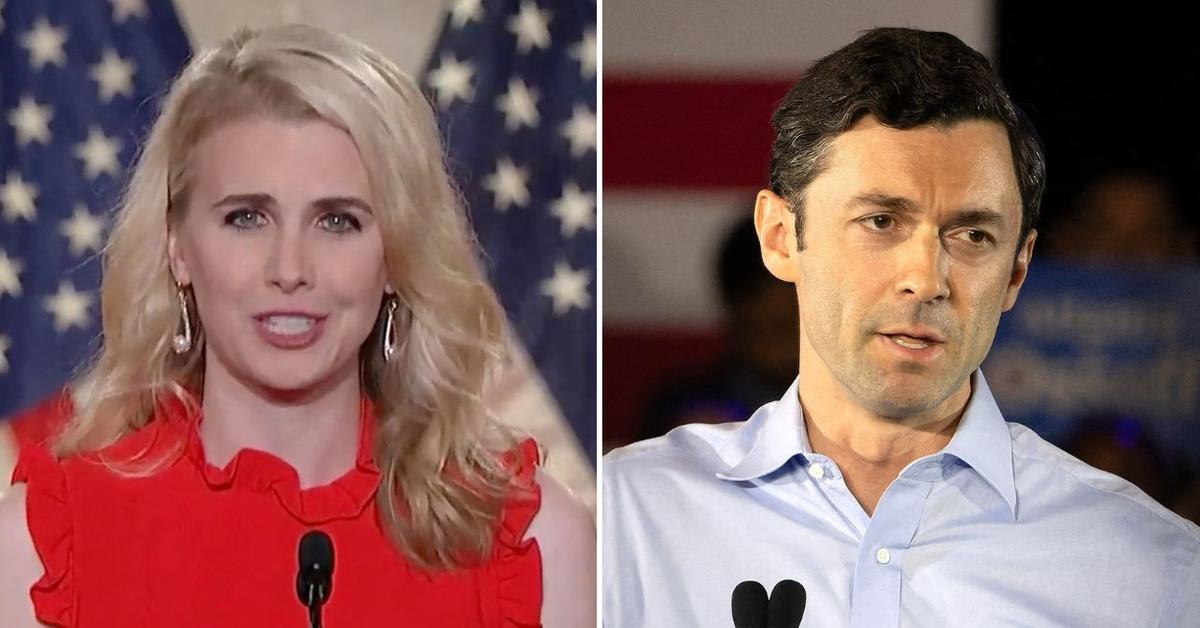
Ossoff’s provocative jab suggested that Trump was disengaged from his presidential duties, asserting he “doesn’t want to do the job” and would rather “build his ballroom and travel with Natalie on their apparently defenseless flying palace gifted by the Emir of Qatar.” The specific mention of Harp by name, coupled with the imagery of a luxurious "flying palace," immediately transformed a behind-the-scenes figure into a central character in a burgeoning political debate.
Trumpworld’s Swift and Vehement Response
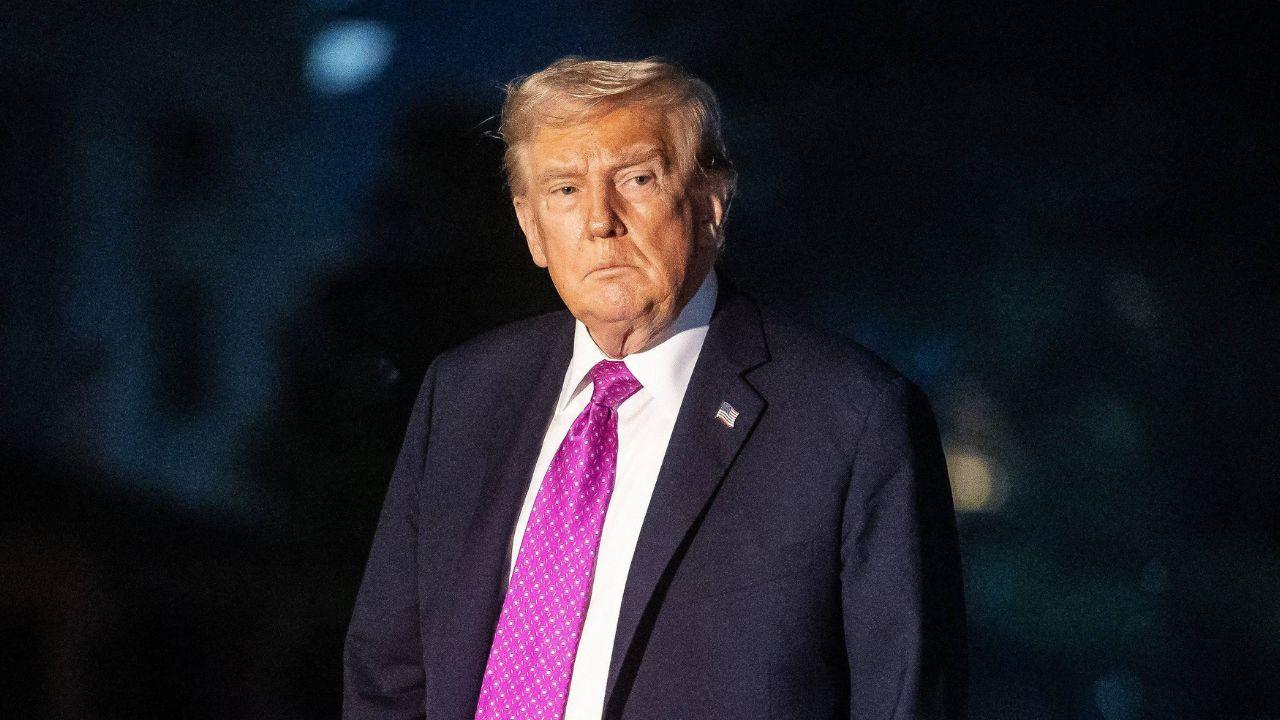
The reaction from Donald Trump and his inner circle was swift and characterized by intense indignation, underscoring the sensitivity surrounding those closest to the former president. Trump himself dismissed Ossoff as “a Pee-wee Herman look-alike,” attempting to diminish the Georgia Senator’s stature with a personal attack. However, other allies launched more aggressive broadsides.
White House Communications Director Steven Cheung took to X, formerly Twitter, to label Ossoff "the biggest c— loser in politics." Concurrently, White House spokesman Davis Ingle echoed the sentiment, tweeting, “Nobody gives a s— what this lightweight loser says.” The coordinated and vitriolic nature of these responses signaled that Ossoff’s comment had struck a nerve within Trumpworld, turning Harp into a viral flashpoint.

Further intensifying the pushback, Scott Jennings, a CNN conservative commentator whose name has circulated as a potential White House press secretary, denounced Ossoff as a “garbage human” and branded the remark concerning Harp as “vile.” The sheer force of these condemnations indicated a unified effort to defend Harp and, by extension, Trump’s personal staff and their operational style.
A Personal Defense Amidst the Political Fray
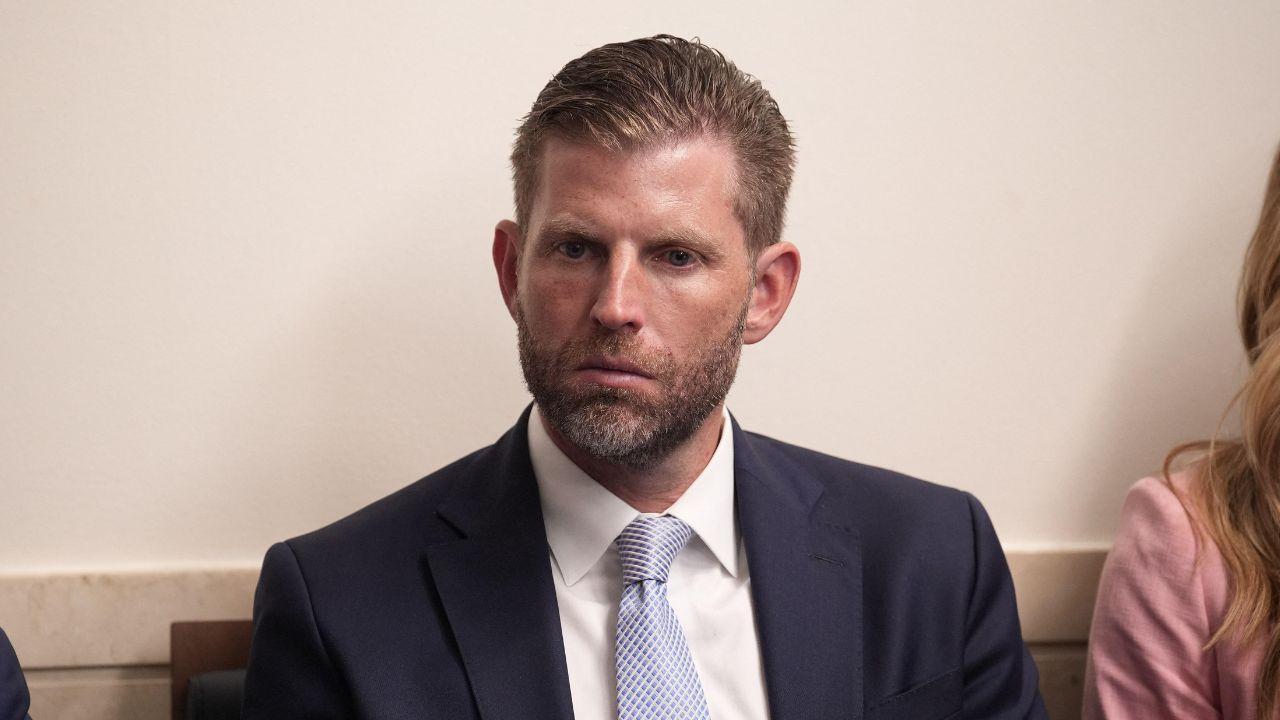
Adding a personal dimension to the defense, Eric Trump, one of the former president’s sons, publicly came to Harp’s aid. On X, he lauded her as “an incredible young woman—a cancer survivor, a genuinely good person and arguably one of the hardest-working people in the White House.” This statement served to humanize Harp, shifting the narrative from a political aide to an individual with a compelling personal story, thereby attempting to frame Ossoff’s criticism as an unfair and insensitive personal attack.
Eric Trump’s intervention highlighted a common strategy within Trump’s orbit: when confronted with criticism, the response often involves not only attacking the critic but also emphasizing the loyalty and personal attributes of those being targeted. This approach aims to rally support around the individual and their association with the former president, cementing their status as dedicated members of the team.

Natalie Harp: From Aide to Main Character
Prior to Ossoff’s comment, Harp had already garnered some media attention for her unwavering dedication to Trump. Reports had detailed her unusual efforts to remain close to him, including an instance where she reportedly “jumped into an SUV trunk” to accompany Trump to an October 2023 court appearance when vehicle space was limited. This particular anecdote, widely circulated by CNN, painted a picture of an aide willing to go to extraordinary lengths to fulfill her duties and remain in the former president’s immediate vicinity.
The White House, however, swiftly rejected such portrayals as sensationalized and inaccurate. Davis Ingle, in a statement to Fox News, defended Harp as “one of the most loyal and hardest-working aides on President Trump’s team.” He further characterized the media coverage as part of “The Fake News’s continued attacks on President Trump and his administration,” asserting that such reporting proved “exactly why trust in media is at historic lows.” This counter-narrative sought to discredit critical reports by framing them as politically motivated and unreliable, a consistent tactic employed by Trump and his allies against media outlets perceived as hostile.
Ossoff’s Unwavering Stance and Broader Critique
Despite the intense backlash, Senator Ossoff remained unyielding in his criticism. During an August 19 appearance on The Last Word, he expressed amusement at “this White House meltdown,” signaling his intent to stand by his remarks. Ossoff reframed the debate, arguing that Harp and other White House aides are not merely private citizens but rather “adults, public officials paid by the taxpayer, with immense power in positions of public trust.”
He expanded his critique beyond Harp, linking her role to broader concerns about influence and accountability within Trump’s administration. Ossoff specifically mentioned “Natalie Harp printing out Donald Trump’s daily dose of delusion and flattery,” but also included former senior trade adviser Peter Navarro, accusing him of “steering taxpayer-funded loans to Trump family investments,” and Defense Secretary Pete Hegseth, whom he alleged was “deluding the president daily into deepening this quagmire in the Middle East.” Ossoff concluded his argument by stating emphatically, “no one cares about their feelings,” emphasizing that public officials, regardless of their personal stories, are subject to public scrutiny and accountability. This strategic move by Ossoff sought to elevate the discussion from a personal attack on Harp to a broader indictment of the ethics and conduct of Trump’s key personnel.
Broader Implications for Political Discourse
The controversy surrounding Natalie Harp and Jon Ossoff’s remarks highlights several enduring dynamics in contemporary American politics. It underscores how any individual in close proximity to a polarizing figure like Donald Trump can quickly become a national talking point, regardless of their official title or traditional public profile. The incident also showcases the highly personalized nature of modern political attacks, where jabs often extend beyond policy to target individuals within an opponent’s orbit.
Furthermore, the swift and aggressive response from Trumpworld demonstrates the effectiveness of a unified and forceful counter-narrative, often leveraging social media platforms to amplify messages. This strategy aims not only to defend the targeted individual but also to delegitimize the critic and their message. The episode reflects the blurring lines between legitimate political commentary and perceived personal attacks, a phenomenon that continues to shape partisan rhetoric and public discourse. For Ossoff, the incident may serve to raise his profile among Democratic voters nationally, while for Trump’s base, it reinforces a narrative of media and political figures unfairly attacking the former president and his loyal staff.
The political fallout from Ossoff’s comment is likely to persist, echoing in future campaign rhetoric and media cycles. As the 2026 midterm elections approach and early jockeying for 2028 begins, such viral flashpoints serve as potent reminders of the volatile and deeply personal nature of American political combat. The incident surrounding Natalie Harp underscores that in the current political climate, even a seemingly minor comment about an aide can rapidly escalate into a significant national controversy, reflecting the deep divisions and intense scrutiny that characterize modern U.S. politics.