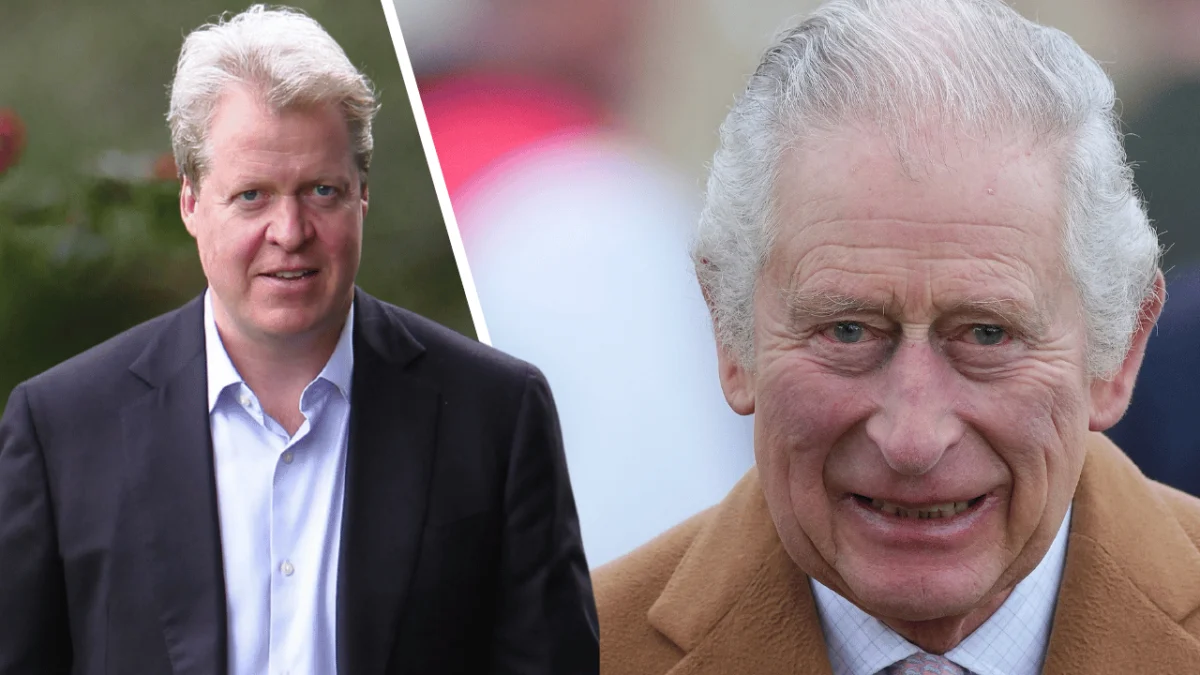
Charles Spencer, the 9th Earl Spencer and younger brother to the late Princess Diana, has unequivocally reaffirmed his explosive account of a conversation with King Charles III, then Prince Charles, shortly after Diana’s tragic death in 1997. Spencer’s memoir, Swan Song: Diana, My Sister, contains a claim that the future King made a dismissive comment about Diana’s memory, a claim the Palace has indirectly addressed with a carefully worded statement. In a recent interview, Spencer vehemently defended his narrative, insisting the alleged remarks were "monstrous" and that he is "telling the truth."
The Initial Revelation and Royal Reaction
The controversy first ignited with excerpts from Earl Spencer’s memoir, Swan Song: Diana, My Sister, which were released in September. The book details Spencer’s deeply personal recollections of his sister and the tumultuous aftermath of her passing. Among the most startling revelations was Spencer’s account of a telephone conversation with Prince Charles regarding the arrangements for Diana’s funeral in the immediate wake of her death.
According to Spencer, during this sensitive discussion, Prince Charles allegedly stated, "Rest assured, we’ll forget her soon enough!" This purported remark quickly garnered significant media attention, drawing sharp criticism from the public and prompting a rare, albeit nuanced, response from Buckingham Palace. The Palace’s spokesperson issued a statement asserting, "While we do not comment on books as a matter of principle, His Majesty is mindful that the pain of fraternal grief can cloud reason, affect judgment and color memory in ways others do not recognize, even many years after such a loss." This statement, notably, did not offer a direct denial of the alleged remarks but rather cast doubt on the accuracy of Spencer’s recollection due to the emotional circumstances.

Spencer’s Steadfast Defense of the Alleged Remarks
In the wake of the Palace’s response, Earl Spencer appeared on a BBC program on Friday, September 18, to discuss his memoir and the contentious claims within it. During the interview, host Laura Kuenssberg directly confronted Spencer with the Palace’s statement and suggested that King Charles was "plainly furious" about the allegations. Spencer, however, pushed back forcefully against this interpretation, questioning the King’s true sentiment.
"Well, is he furious? Is he furious or is he embarrassed?" Spencer retorted, before unequivocally stating, "Because I can tell you here and now, those are exactly the words he said." His resolute tone conveyed a strong conviction in the accuracy of his memory, twenty-seven years after the event. He challenged the Palace’s implied denial, noting that they had merely "smudged that one," rather than issuing a direct refutation. He drew a parallel to the infamous "recollections may vary" phrase used by Queen Elizabeth II in response to claims made by Prince Harry and Meghan Markle, highlighting a pattern of the monarchy avoiding direct confrontation with sensitive accusations.
The Weight of Memory and Grief
Spencer elaborated on why he was so certain of the specific phrasing, emphasizing the extraordinary circumstances of the conversation. He recounted, "I’ve only ever had two calls on the line with Prince Charles at any stage of my life. I was hyper alert to what he was saying, and those are precisely the words that he said, and I promise that to you now. Genuinely, that is what he said. I don’t hear him saying he didn’t say that." He further revealed that the alleged comment was so shocking to him at the time that he immediately shared it with family and friends, characterizing it as "so monstrous." This immediate sharing, he suggested, serves as corroboration for his unwavering memory, cementing his belief that he is "telling the truth."
A Deep Dive into the Context of 1997
Princess Diana’s death in a car crash in Paris on August 31, 1997, plunged the United Kingdom and much of the world into an unprecedented period of national mourning. The outpouring of public grief was immense, reflecting Diana’s global popularity and her unique connection with ordinary people. For the Royal Family, her death presented a profound crisis, both personal and institutional. Then-Prince Charles, as her former husband and the father of her two sons, Princes William and Harry, was at the center of this storm.
His position was particularly fraught, given the highly publicized and often acrimonious divorce from Diana just a year prior. The public largely sided with Diana, viewing her as a victim of the rigid royal system. The initial reaction of the Palace, perceived as cold and detached, further exacerbated public anger. Against this backdrop, conversations about funeral arrangements were not merely logistical but were imbued with immense emotional and political significance, shaping how Diana would be remembered and how the monarchy would navigate this delicate period.
Royal Protocols and Personal Dynamics
The coordination of Princess Diana’s funeral was an intricate affair, involving negotiations between the Royal Household and Diana’s family, the Spencers. There were significant disagreements, particularly concerning the involvement of Princes William and Harry in walking behind their mother’s coffin. Charles Spencer famously delivered a powerful and critical eulogy at his sister’s funeral, a speech that resonated deeply with the grieving public and implicitly challenged the Royal Family’s treatment of Diana. The alleged "monstrous" remarks, if indeed made, would highlight a profound disconnect in how the two families perceived Diana’s legacy and the immediate future of her memory.
The Enduring Legacy of Princess Diana
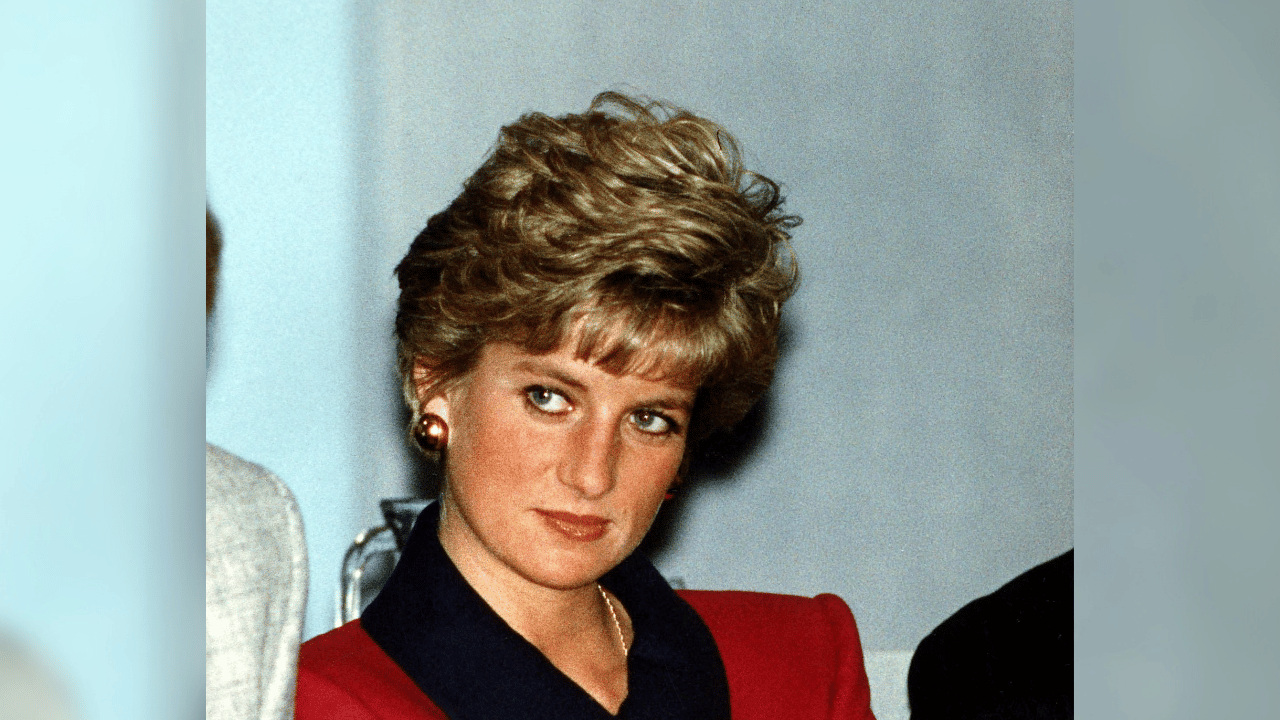
More than a quarter-century after her death, Princess Diana remains one of the most iconic and beloved figures of the late 20th century. Her image as the "People’s Princess" persists, fueled by her humanitarian work, her groundbreaking approach to royal duties, and the enduring narrative of her struggles within the monarchy. The public’s protective sentiment towards her memory is palpable, making any perceived slight or dismissive comment about her legacy particularly sensitive.
Earl Spencer’s decision to publish his memoir and revisit these painful memories underscores the lasting impact Diana continues to have. His claims tap into a collective memory of the turbulent period following her death and reignite debates about the Royal Family’s handling of the tragedy and its aftermath. The "monstrous" nature of the alleged remarks resonates precisely because it seems to confirm long-held public suspicions about the internal dynamics and perceived emotional distance within the royal institution.
Broader Implications for the Monarchy
These latest revelations from Charles Spencer present another public relations challenge for King Charles III, who ascended to the throne in 2022. His reign has already been marked by efforts to project a more modern and accessible image of the monarchy, while simultaneously navigating ongoing tensions with his younger son, Prince Harry, whose own memoir, Spare, also contained highly critical accounts of his father and other family members.
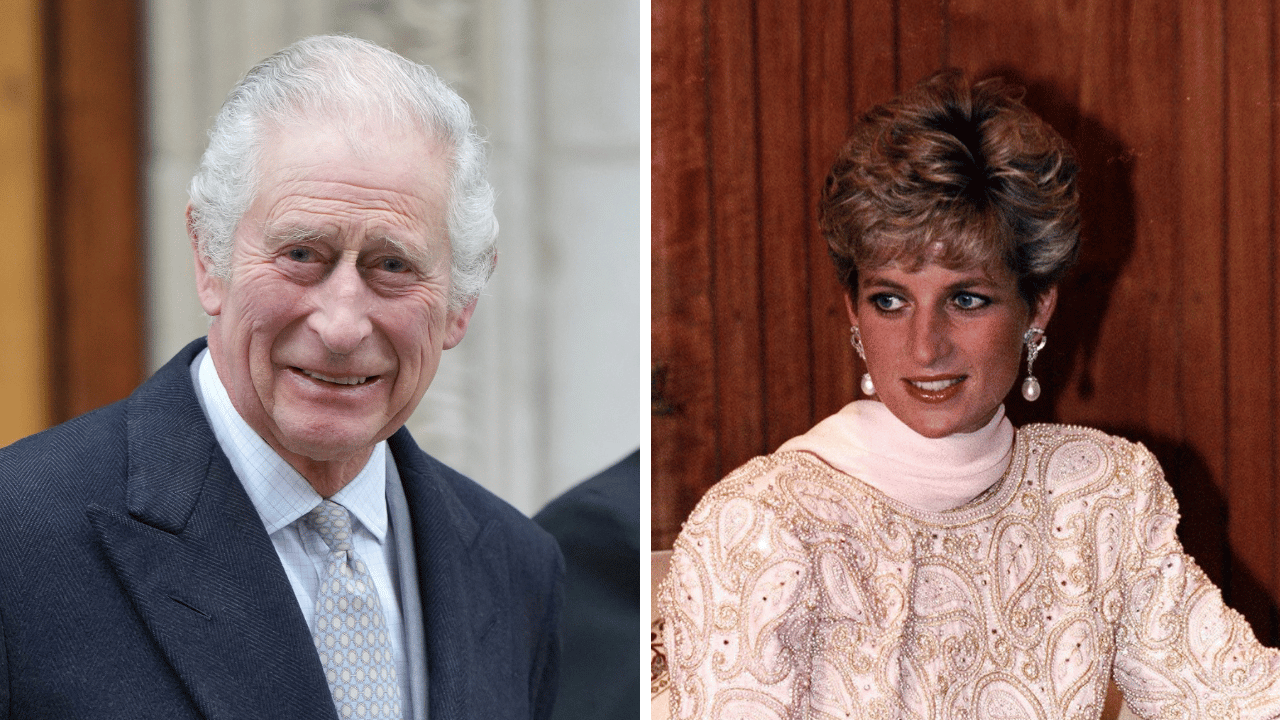
The Palace’s strategy of issuing indirect, non-denial statements reflects a cautious approach aimed at avoiding direct engagement in a public spat. This tactic, however, can sometimes backfire, leaving room for interpretation and allowing the accuser to maintain their narrative unchallenged. In this instance, Spencer seized on the ambiguity, effectively turning the Palace’s diplomatic response into a further point of contention.
The "Recollections May Vary" Precedent
The phrase "recollections may vary" gained notoriety following the Duke and Duchess of Sussex’s bombshell interview with Oprah Winfrey in 2021. Used by Queen Elizabeth II in her statement addressing Meghan and Harry’s claims, it became a shorthand for the Palace’s approach to disputing personal accounts without outright calling them lies. While intended to be a conciliatory way to acknowledge differing perspectives, it has also been criticized for its perceived evasiveness. Spencer’s invocation of this precedent highlights how the Palace’s past responses now inform public and media perception of its current statements. By suggesting the Palace merely "smudged" his account, Spencer effectively called into question the integrity of their indirect denial regarding King Charles’ alleged remarks.
Spencer’s Motivation and the Book’s Purpose
Earl Spencer revealed that Swan Song: Diana, My Sister marks the first time he has spoken "openly" and "at length" about his sister’s death and its profound impact on him. He explained his motivation stemmed from being "inundated" with interview requests as the 30th anniversary of Diana’s death approaches next year. Rather than engage in piecemeal media appearances, he chose to craft a comprehensive narrative.
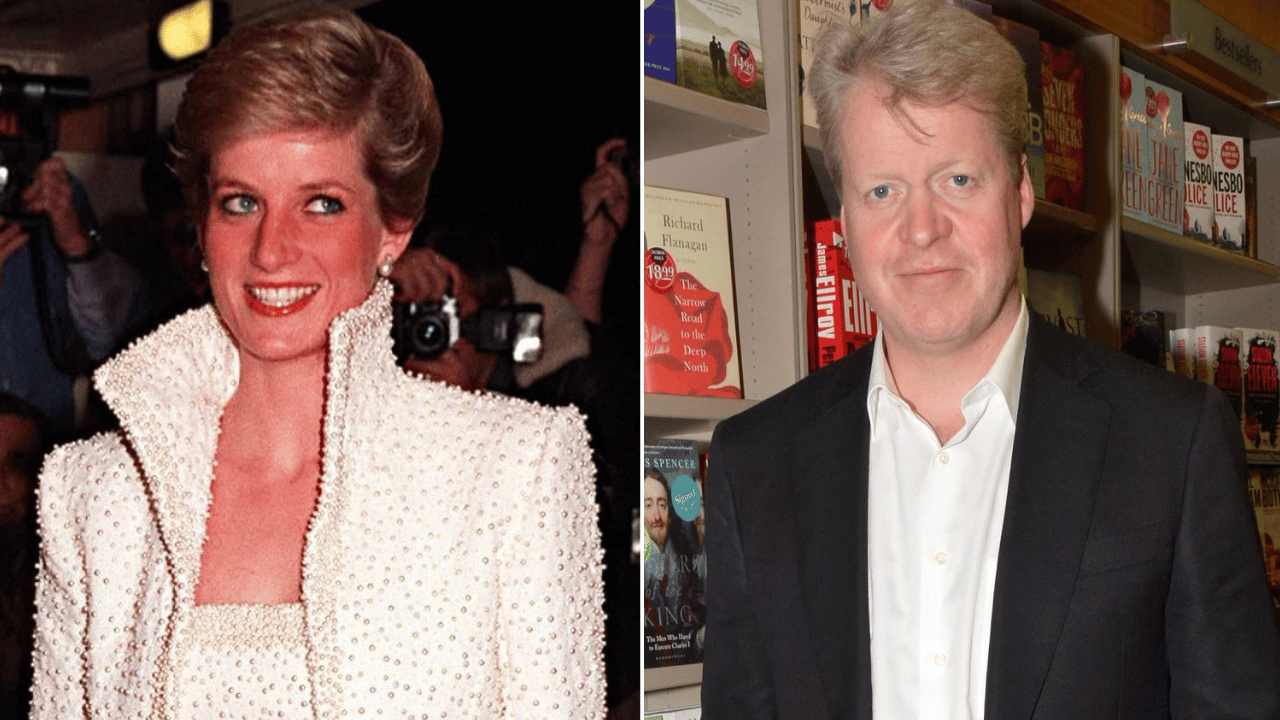
He described the book as "a brother’s simple tribute to an extraordinary sister," suggesting his primary aim was to honor Diana’s memory from his unique perspective. Spencer expressed confidence that Diana herself "would, I reckon, have approved of every word," implying a sense of duty to accurately represent her story and the experiences surrounding her life and death, even if it meant revealing uncomfortable truths about the Royal Family. His steadfastness in the face of royal pushback reinforces this perceived commitment to his sister’s legacy.
Public Perception and Future Reverberations
The ongoing dispute between Charles Spencer and Buckingham Palace over King Charles’ alleged remarks will undoubtedly continue to shape public perception of the monarch and the Royal Family. For many who remember the public outpouring of grief for Diana, Spencer’s claims may validate long-held feelings about the monarchy’s emotional distance. For others, the timing of the memoir and Spencer’s reiteration of the claims might be viewed with skepticism, questioning the motivations behind such revelations decades after the event.
Regardless of individual perspectives, the controversy ensures that Princess Diana’s legacy remains a potent and often contested aspect of royal history. The Palace’s continued adherence to its policy of not commenting directly on books, while maintaining its stance that "recollections may vary," leaves the door open for ongoing speculation and debate. This episode underscores the enduring challenge for the Royal Family in managing narrative control, especially when deeply personal and publicly charged memories from the past resurface, threatening to cast a shadow on the present reign. The impact of these "monstrous" alleged remarks, and Spencer’s insistence on their truth, will likely reverberate through royal commentary for the foreseeable future.